Get involved with First Green

How you can get your club and community involved with First Green

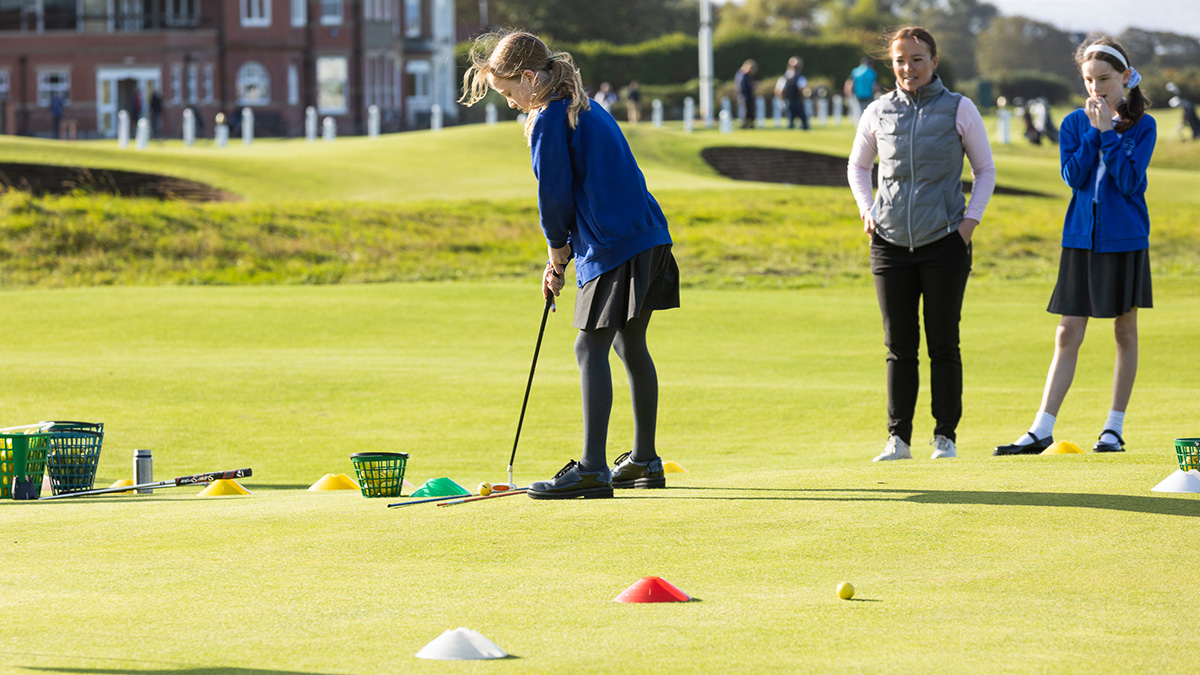
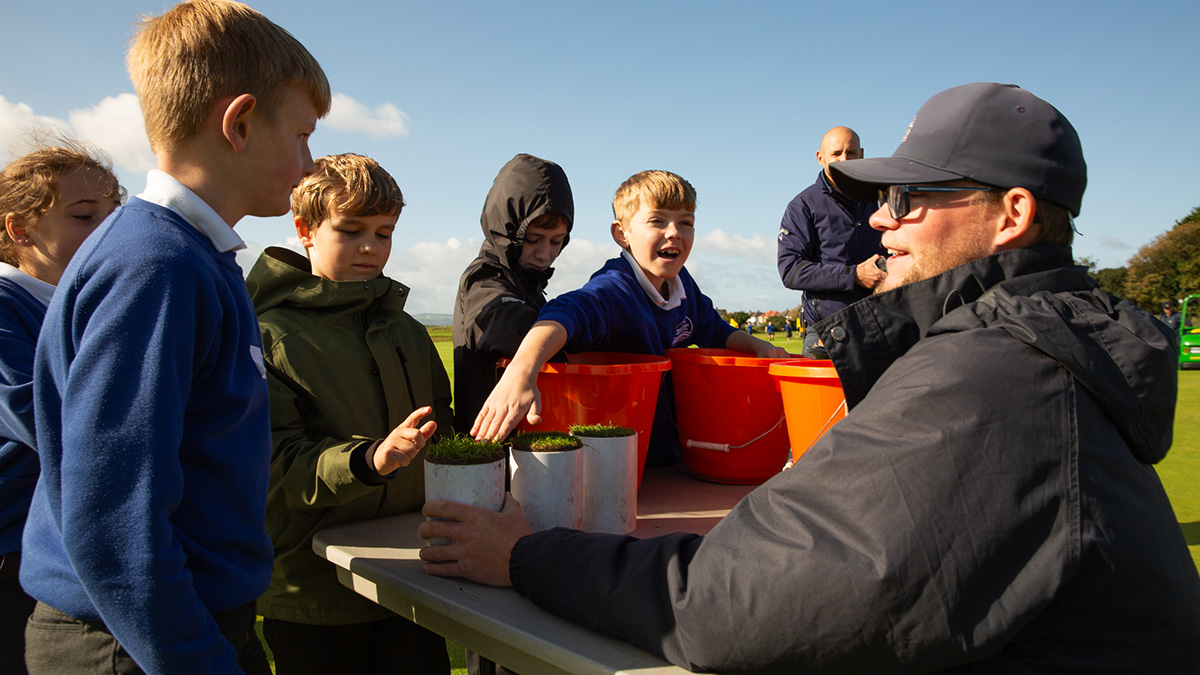
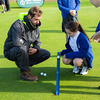
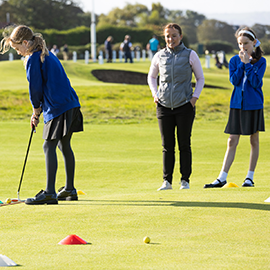
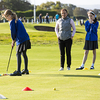
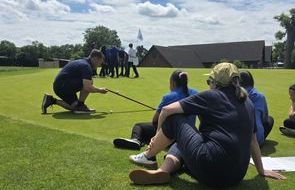
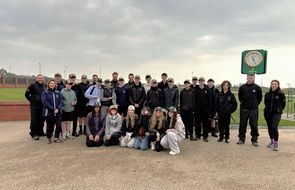
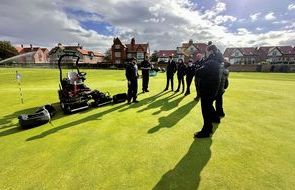
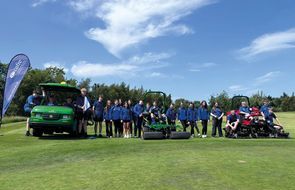
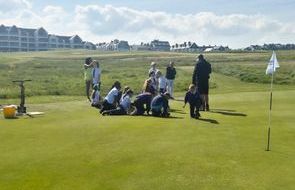
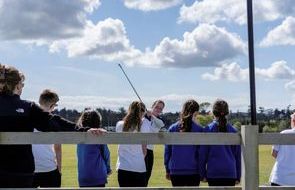
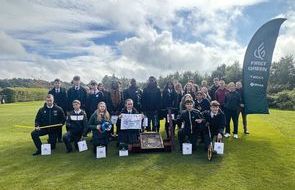
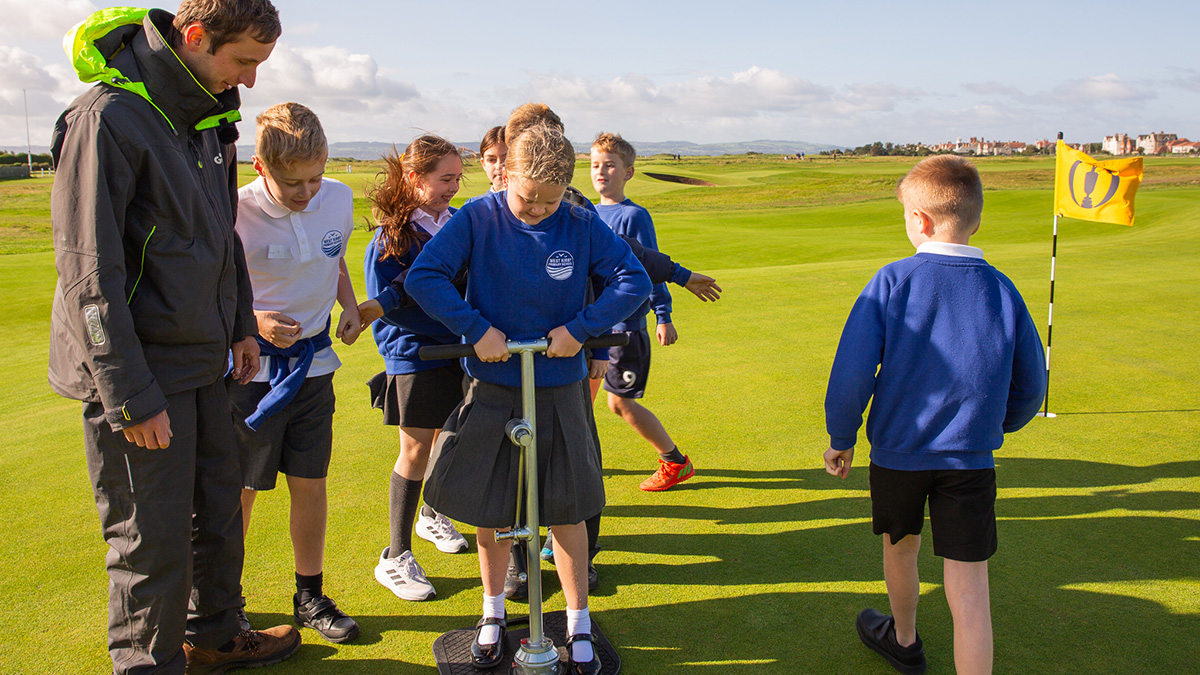
Pupils at a First Green event in Liverpool

First Green is a wonderful way of connecting communities with the natural world and the countless learning opportunities presented by life on the golf course. It's also a fantastic tool for golf clubs and venues to raise their profile within the communities they serve. 

We'd love you to get involved, so open up the relevant sections below to find out more.

Do you work at a golf course?

Getting started with First Green is really easy – If hosting young people for two hours makes you nervous – don’t worry! We have prepared everything you need to host a field trip, including a breakdown of what you’ll need and step‑by‑step checklists to help you along the way.

First Green-23.png

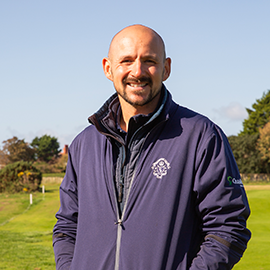
It’s been fun working with kids to hopefully get them involved in the greenkeeping industry one day. On days like today when the sun’s out, it’s fantastic to be able to inspire kids in this way.

Peter Lewis

Royal Liverpool Golf Club

Chris Trimble.png

It's really refreshing to see how interested people are in the job and it shows how interesting greenkeeping is as a career. Hopefully today we've encouraged a few potential greenkeepers.

Chris Trimble

Royal Liverpool Golf Club

Getting involved is simple:
1. Register to host a field trip

If you are interested in hosting a field trip at your golf course, register to become part of the programme by clicking the Field Trip Golf Course Registration box below. A representative of BIGGA will then reach out with additional details.  You can then access all of the member only First Green resources, which includes the Getting Started Guide.

2. Connect with a school or group

Contact local schools, colleges or other groups to identify the best time for a field trip at your golf course.  The Getting Started Guide will provide you with the information and templates needed to enable you to do so.

3. Register the date of your field trip

Once the details are confirmed with the school or group and teacher, register your event through the link below and BIGGA will support you in the hosting of a successful field trip!

First Green Field Trip Golf Course Registration

Thank you for your interest in hosting a First Green field trip and your support in bringing young people out to the golf course for a unique, hands-on STEM learning experience.


First Green Field Trip Event Registration

Thank you for hosting a First Green Field Trip!  Please submit this form to register your event with BIGGA.  BIGGA will place your event on the Calendar and help promote the field trip via social media.


Are you a school or education provider?

Field trips are often the highlight of a pupil or student's learning year, inspiring them to achieve better things when they return to the classroom. They are also important for teachers and First Green field trips become an extension of the classroom curriculum. They optimise a young person’s learning by offering a hands-on approach, which is essential in STEM education. 

Emma Bailey 1.png

STEM is something we've been trying to raise awareness of within our school over the past 18 months so this was a perfect opportunity. I was amazed at how much science, technology, engineering and maths fit into this experience.

Emma Bailey

Headteacher, West Kirby Primary School

You can download our flyer below to share with your school or group!

Explore the First Green curriculum mapping to see how greenkeeping skills and lesson plans align with the school curriculum across the UK. This tool demonstrates the value of the resources we’ve created for members and shows schools how they can link activities with their current topics.

Screenshot 2025-09-23 152158.png
Getting involved is simple:
1. Connect with a golf course

Find a local golf course or registered BIGGA member who will host your class by registering your interest to join a First Green field trip.  Use the form below to register your interest.


2. Plan your field trip

Once linked with a local golf club, have a pre-meeting on site to familiarise yourself with the Golf Club setting and establish which lesson plans will be used on the day. Take this opportunity to finalise dates and other important information.

3. Attend & Evaluate

Enjoy the field trip and when it has taken place, make sure your send your feedback to BIGGA as it is so important to us as we seek to improve the First Green offering.

First Green Field Trip School Registration Form

Thank you for your interest in the First Green program. Please provide your contact information so that we may match your school or group with one of our First Green golf courses.


Are you part of the wider community?

Parents and carers play a huge role in guiding young people towards STEM-related interests. Outside of the classroom, you will be the driving force to help them in their studies and direct their focus towards science, technology, engineering or mathematics.

A great way to stay connected with BIGGA and the First Green programme is to follow up with the Golf Club or course where yourchild attended a field trip. The golf course's greenkeepers will be happy to share the lesson plans and answer any questions you may have.
First Green-Marie Athorn.jpg

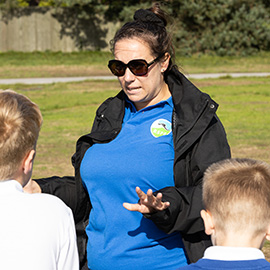
It’s fantastic to see children engage with what greenkeepers are doing and it also highlights that golf courses can be really good for nature. Students get excited about all the nature they may see on the golf course.

Dr Marie Athorn

The R&A and RSPB Partnership

First Green-40.png

Today has been amazing. Hopefully we can all be role models and an inspiration for them to get into it and then go home and tell their parents and friends what it's all about.

Becky McGeehan

PGA Pro, Royal Liverpool Golf Club

 
Here are a few ways parents can get involved:
  1. Volunteer to chaperone a field trip
  2. Reinforce lessons after the workshop
  3. Visit a local golf course
  4. Communicate with teachers about STEM learning
  5. Play golf!

First Green FAQs

Workforce Project Manager Jenny Bledge answers the questions she is often asked about the initiative

Hosting a First Green field trip is a great way to engage students in STEM learning while showcasing the role of greenkeepers. 

 Many of you have shown an interest in this initiative and here are some of the most common questions I find myself answering.

What does a typical event look like?

A field trip lasts 2-3 hours with multiple activity stations run by a greenkeeper or volunteer offering hands-on learning.

How much time and effort does it take to host?

Preparation mainly involves co-ordinating with the school and creating the agenda. BIGGA provides structured lesson plans and materials for our members to simplify the whole process.

Which activity stations should I start with?

We offer 13 lesson plan guides, but great starter stations include Cool Tools, Soils, Calculating Areas and How Far Does the Ball Roll. You can also create your own using our guides as a reference.

What about insurance and risk assessments?

Your golf club’s public liability insurance covers all on-site activities, including this event. Schools have their own cover for educational visits but may request proof for risk assessments. All lesson plans we provide include risk assessments to share with school staff.

Do I need any special equipment?

Most activities use equipment already available on the golf course, such as soil probes, water testing kits and course maintenance tools. Laminated worksheets, clipboards and dry-wipe markers are also useful.

Do the team need a DBS/Disclosure check?

No, a check is only required if you plan to visit a school regularly and lead events independently, without school staff present.

Many clubs hold SafeGolf accreditation, adding an extra layer of security for schools and parents.

What if my team are hesitant to take part?

That’s OK! Many greenkeepers quickly adapt and enjoy leading activities. Our lesson plans and toolkit provide support and some clubs find hosting is a great team-building exercise.

How do I get schools involved?

Many schools seek unique field trips and First Green aligns with their curriculum. Secondary schools list Careers Advisors on their websites, so start there. For primary schools, contact the school office to find the best person to speak with.

What about bad weather?

Field trips can run in various conditions. Plan for shelter, waterproof activities and advise students on suitable clothing. Some clubs use gazebos or umbrellas to keep stations dry.

Can hosting a field trip benefit my club?

Absolutely! Many clubs report increased interest in greenkeeping careers, positive local press coverage and stronger relationships with the community. It’s also a great way to showcase your club’s commitment to sustainability and education.

About First Green

First Green is an innovative environmental science, technology, engineering and maths (STEM) education outreach programme using golf courses as hands-on learning labs.

The initiative aims to introduce young people to the career opportunities available in golf and showcase the skills required for these roles. In doing so, First Green hopes to inspire the next generation of greenkeepers.

First Green BANNER Ad 970X250.jpg


First Green: Changing perceptions, one field trip at a time

Workforce Project Manager Jenny Bledge reveals how First Green is transforming people’s understanding of greenkeeping

Ask anyone in greenkeeping and they’ll tell you the same thing – people outside the industry often don’t really know what it is.

To those who don’t work in or play golf, the role of a greenkeeper is often misunderstood or undervalued. Too often, it’s reduced to cutting grass, but anyone in turf management knows that couldn’t be further from the truth. Greenkeeping is science, technology, creativity, engineering, sustainability and problem-solving rolled into one. Now, thanks to First Green, those perceptions are changing – and our members are leading the way.

First Green is BIGGA’s STEM learning initiative that brings students out of the classroom and onto the golf course for hands-on activities in maths, science, ecology and more. The tasks may look simple, but the real impact comes when students see, perhaps for the first time, the expertise and pride behind the work of a skilled greenkeeping team.

For parents and teachers, the experience is equally eye-opening. Many arrive with little knowledge of the profession, yet leave with a new respect for its potential. Careers advisers have told us how valuable it is to see firsthand the opportunities greenkeeping offers to young people who want to combine science, sustainability and a love of the outdoors. Crucially, it helps students realise these careers aren’t far away – they exist right on their doorstep.

Hosting a First Green event gives members the chance to share their pride in what they do. Those who’ve taken part say it’s rewarding to see the perception shift in real time. It’s a chance to show the depth of the role and promote their club as part of the community.

This is more than an outreach programme – it’s a platform to tell the story of greenkeeping and inspire the next generation, one field trip at a time.

First Green-81.jpg 1


First Green Leaderboard Ad 728X90.jpg


First Green is taking off – everyone should get on board

The First Green initiative continues to build momentum, leaving Workforce Project Manager Jenny Bledge full of optimism for the year ahead


At this year’s BTME, I took to the stage at Continue to Learn Extra to present on First Green. Greenkeepers, course managers and other industry professionals packed into a seminar room eager to learn more about how to introduce the next generation to careers in greenkeeping.

It was brilliant to see such high engagement. Many attendees stayed behind to discuss how to take the first steps towards hosting their own First Green event in 2025.

A highlight of the seminar was being joined by a panel of previous First Green hosts sharing their experiences of running events. Their insights – what worked well, what they learned and how they engaged with schools – were invaluable. I hope this helped those considering hosting for the first time by showing how achievable and rewarding these events can be.

First Green has already made an incredible impact since launching, with over 300 young people experiencing hands-on learning and real workplace experiences at golf courses across the country.

Jenny Bledge (3)500x.jpg


Through these interactive field trips, students engage with greenkeeping, mechanics, golf course operations and golf, all while developing essential STEM skills. This not only strengthens links between clubs and their local communities but is also a step forward in helping to address workforce challenges in the industry.

As the second highest attended Continue to Learn Extra seminar during BTME this year, it is clear to me that there is a lot of enthusiasm for bringing First Green to more clubs.

The programme is designed to be easy to implement, with full support from BIGGA, making it an accessible and rewarding way for clubs to inspire young people. If your club is considering hosting, now is the perfect time to start planning – all resources are available on the BIGGA website.

I’m hugely optimistic that 2025 will see a huge number of First Green events across the UK and Ireland. Let’s make this the year that more clubs than ever open their doors, engage with their communities and introduce young people to the exciting opportunities in greenkeeping. 

  • 10 events held
  • Over 300 young people involved
  • Over 40 BIGGA members engaged

About First Green

First Green is an innovative environmental science, technology, engineering and maths (STEM) education outreach programme using golf courses as hands-on learning labs. The initiative aims to introduce young people to the career opportunities available in golf and showcase the skills required for these roles. In doing so, First Green hopes to inspire the next generation of greenkeepers.

First Green Leaderboard Ad 728X90.jpg


Get involved with First Green

Are you keen to share your passion for greenkeeping with the next generation and show them what a wonderful career path it can be?

Hosting a First Green event is the perfect way to do just that.

The initiative turns golf courses into classrooms, providing practical STEM education through inclusive learning stations, where the greenkeeping team teaches some of the skills they use every day to make their golf courses awesome.

Getting started with First Green is simple, with BIGGA having prepared everything you need to host a field trip, including a breakdown of what you will require and step-by-step checklists to help you along the way.

The initiative is a wonderful way of connecting communities with the natural world and the countless learning opportunities presented by life on the golf course.

It is also a fantastic tool for golf clubs and venues to raise their profile within the communities they serve.

First Green 1.jpg

Royal Liverpool Golf Club hosted a First Green event last year welcoming children from West Kirby Primary School, and First Assistant Chris Trimble was thrilled with how it went.

“It’s really refreshing to see how interested people are in the job, and it shows how interesting greenkeeping is as a career,” he said. “Hopefully we’ve encouraged a few potential greenkeepers.”

How to get involved with First Green

1. Register to hold a field trip

If you are interested in hosting a field trip at your golf course, register to become part of the programme by completing the Field Trip Golf Course Registration. A representative of BIGGA will then reach out with additional details. You can access all of the member-only First Green resources, which includes the Getting Started Guide.

2. Connect with a school or group

Contact local schools, colleges or other groups to identify the best time for a field trip at your golf course. The Getting Started Guide will provide you with the information and templates needed to enable you to do so.

3. Register the date of your field trip

Once the details are confirmed with the school or group and teacher, register your event on the website and BIGGA will support you in the hosting of a successful field trip!


First Green in all Weathers

BIGGA members have an excellent opportunity to inspire young people with hands-on environmental learning through First Green field trips.

first green dec 24 1.jpg

While we always hope for the events to take place on a calm, sunny day, the reality of working outdoors in the UK means you must prepare for all types of weather. We’ve compiled six top tips to ensure your First Green event runs smoothly, whatever the forecast. GI

  1. Safety first
    Safety is paramount, especially in adverse weather. Check the course for any potential hazards, such as slippery areas or standing water. If bad weather is forecast, could you have an indoor back-up plan?
     
  2. Provide shelter and warmth
    Whether it is sunny or wet, having a sheltered area where students can gather is essential. If your course has a terrace or clubhouse nearby, this will be an ideal spot for breaks or activities that don’t require being on the course or practice area. In colder months, plan to keep the stations short and focused, and encourage the schools to advise students to wear warm clothing and appropriate footwear. Pop some gazebos up at your stations so groups can be sheltered at each one. Woburn Golf Club made sure that they had lots of golf umbrellas on hand at each station for those who needed them.
     
  3. Waterproof activities
    Plan stations that can be completed in wet conditions without compromising the experience. Soil testing, water quality sampling and wildlife stations work well in rainy conditions. Bring waterproof containers and equipment to protect any samples or tools used. Laminate the lesson plans and worksheets and have each group use dry wipe pens.
First Green Dec 24 2.jpg


4. Make the weather part of the learning experience
Younger students, especially, love an adventure in the rain. Lean into how the weather impacts the golf course – explore how rainfall affects turf health, examine wet soil conditions or track local wildlife that might be more active in certain weather.
 

5. Encourage flexibility and creativity
Remember, First Green is so important as it raises awareness about golf courses and their role in the environment but also puts a big emphasis on sustainability while helping to promote greenkeeping as a STEM career. Let students know that the unpredictable British weather is part of what makes your work so interesting.
 

6. Be realistic
Unfortunately, there will be instances where postponing is the only realistic option. As turf professionals, you are always aware of the weather forecasts and will be able to make a decision with the school in advance.


About First Green

First Green is an innovative environmental science, technology, engineering and maths (STEM) education outreach programme using golf courses as hands-on learning labs. The initiative aims to introduce young people to the career opportunities available in golf and showcase the skills required for these roles. In doing so, First Green hopes to inspire the next generation of greenkeepers.

First Green Logo edited.png


Case studies


First Green Events 2025

See the 2024 Events here

First Green Events 2024


Notification

Please confirm!