
Working in moorland and heathland habitats: Part 2
In the second part of this series, ecologist Rowan Edwards explains what clubs risk getting wrong when managing heather, soil and playability and how greenkeepers should go about working with these habitats
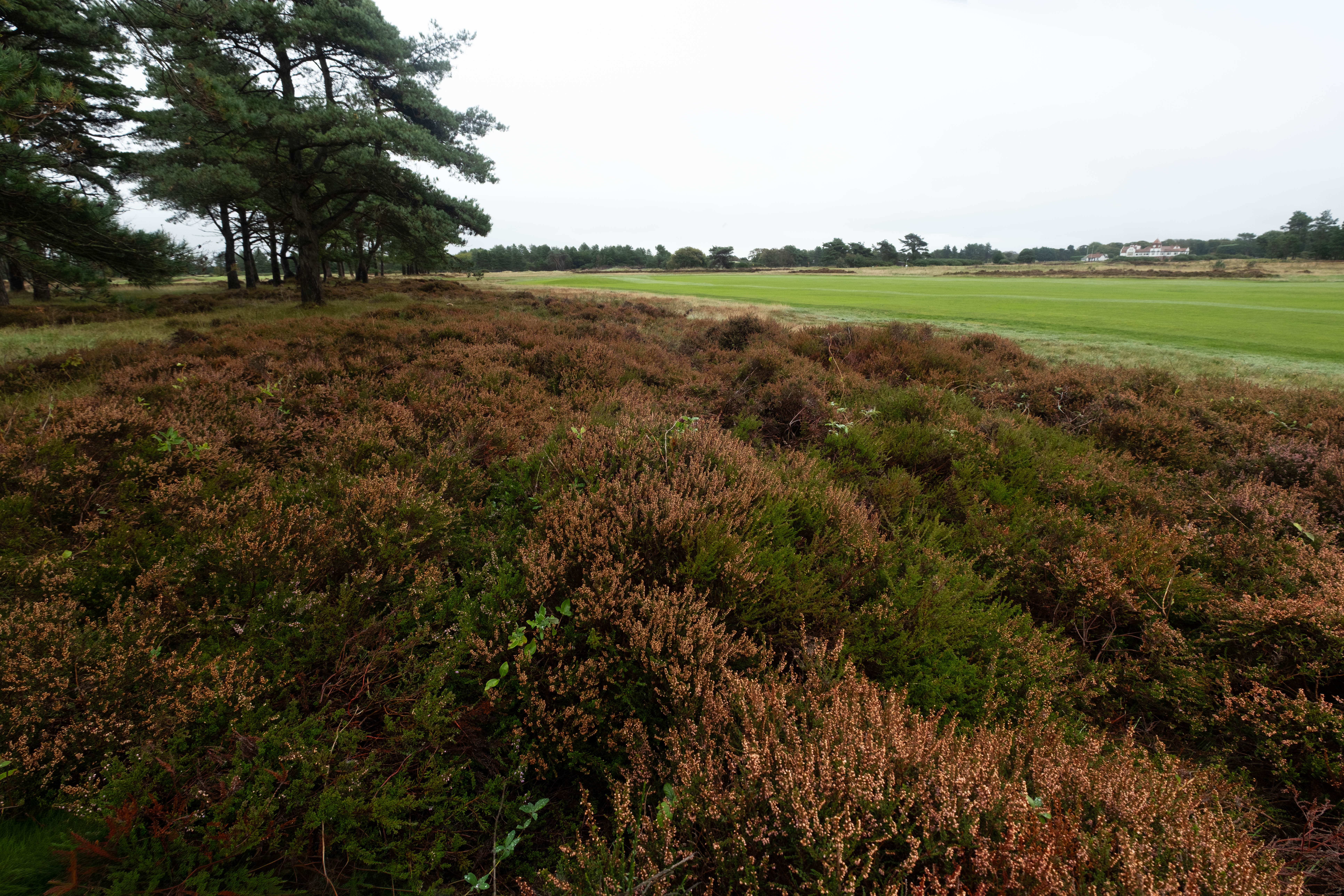
Golfers have a clear picture of moorland and heathland courses. Moorlands, especially, sit high and exposed. At both, the turf feels springy underfoot, while heather, gorse and open views frame a game that seems closer to the wild than more manicured parklands.
But ask an ecologist and these familiar labels become more complicated.
For Rowan Edwards, who consults with many of the UK’s leading heathland and moorland golf courses, the way golf talks about moorland and heathland does not always match the way those habitats are defined in nature. And there are subtle distinctions between the two.
Courses can be sold, loved and recognised by golfers as moorland while, ecologically, behaving much more like lowland heath. Others may feel bleak and upland without having the wet soils, peat deposits, vegetation structures or climates an ecologist would expect from moorland.
The distinction matters because it shapes how clubs manage the land. Drainage, tree planting, fertiliser, lime, watering, heather cutting and even bare ground can either support these fragile habitats or gradually erase the qualities that made them special.
How should moorland and heathland courses be maintained differently if clubs want to protect the habitat?
Most of the heather courses should be treated as lowland, just because of the soil conditions. The variants and specifics of what you are doing is going to trump everything else, and it's really going to come down to whether your greens staff have the training and, perhaps most importantly, the support, the environment and the resources for them to learn, because they're going to make mistakes. And also whether you have the record keeping so that these mistakes aren't made time and time again, because golf courses are notorious for shifting management. The successful heathland courses tend to be those that have more stable long-term management. If your management is changing every so often, everything tends to get lost.
Can I give you an exhaustive list? Not really. You're going to have to learn your course. You're going to have to learn what the challenges are. Where do things get wet? Where do things get dry? Get a proper mowing regime.
What are your views on heather turfing?
If you are lucky, you will get away with it. If you are unlucky, you will need to sink a large amount of money into it, and a lot of water, which is becoming far scarcer, in order to have good success rate. Heather turf requires constant watering. It will very, very rarely be as resilient as a naturally established patch of heather, and I think a lot of clubs this year are going to realise that because we have been hit now with two back-to-back, brutally hot, dry years, and everything is accumulating. I think also the quality of heather turf is suspect. I have noticed that, especially in Yorkshire adjacent to the moors, you can find yourself buying heather turf, and what you actually get are strips from the Yorkshire moors. There are projects on the moors where they're just stripping off the heather turf to try and revitalise it. However, they're revitalising it because that heather is in poor condition, and then they'll sell those very poor condition turfs on to golf courses and anyone who wants to buy them.
If you could give golf course managers and golfers one rule of thumb for caring for each habitat, what would it be?
Keeping a record is probably the most important thing that you can do, because you're going to make accidental discoveries, but you won't ever notice them unless you have a record.
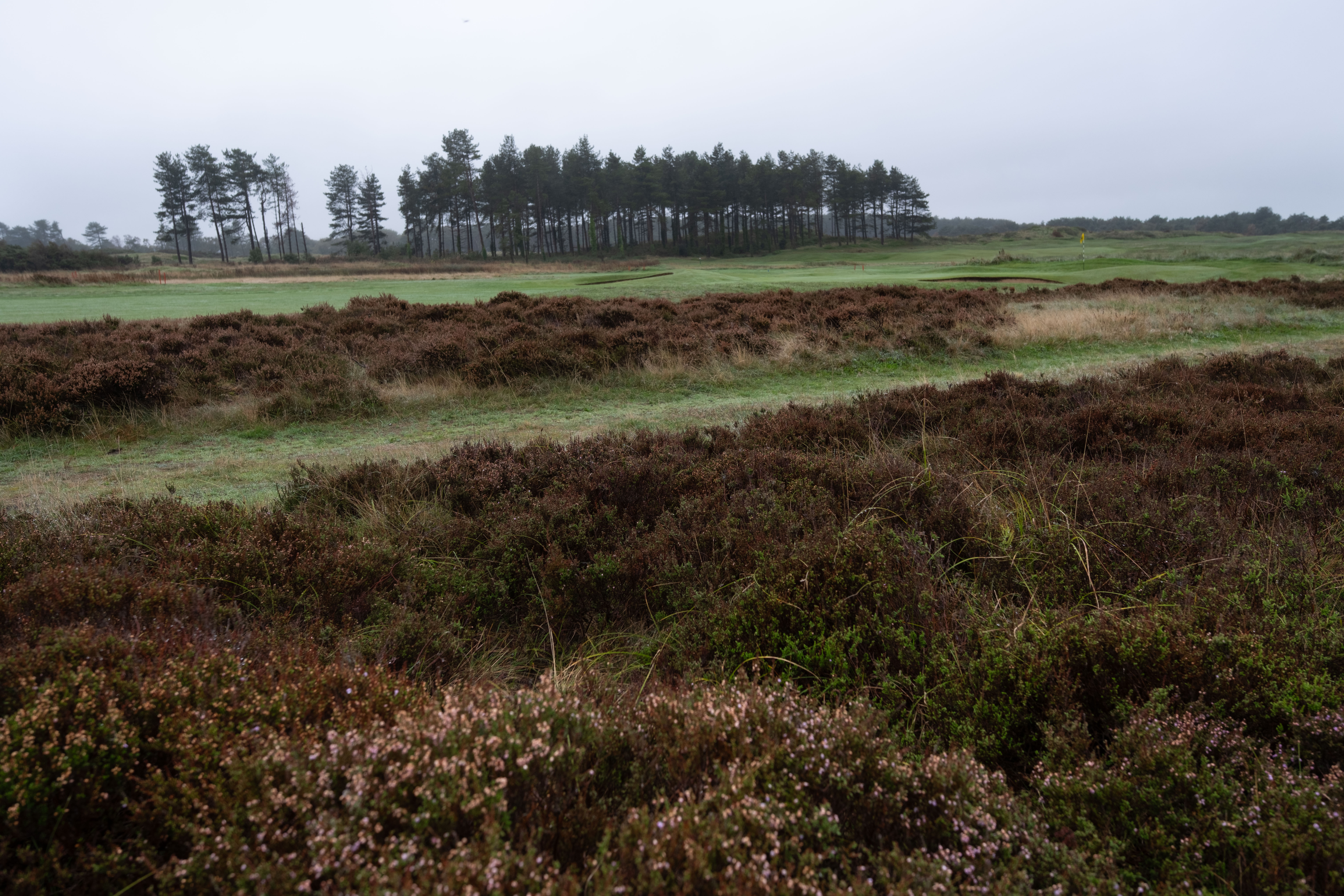
Fixed-point monitoring is probably the most powerful management tool. Stand in a point, use your golf course, your holes, your points on the course – they will change over time. Keep it as standard as you can, and take four photos on your phone. Face down the course, 90 degrees to your right, 90 degrees to your right, 90 degrees to your right. Take a photo each time. Store them somewhere.
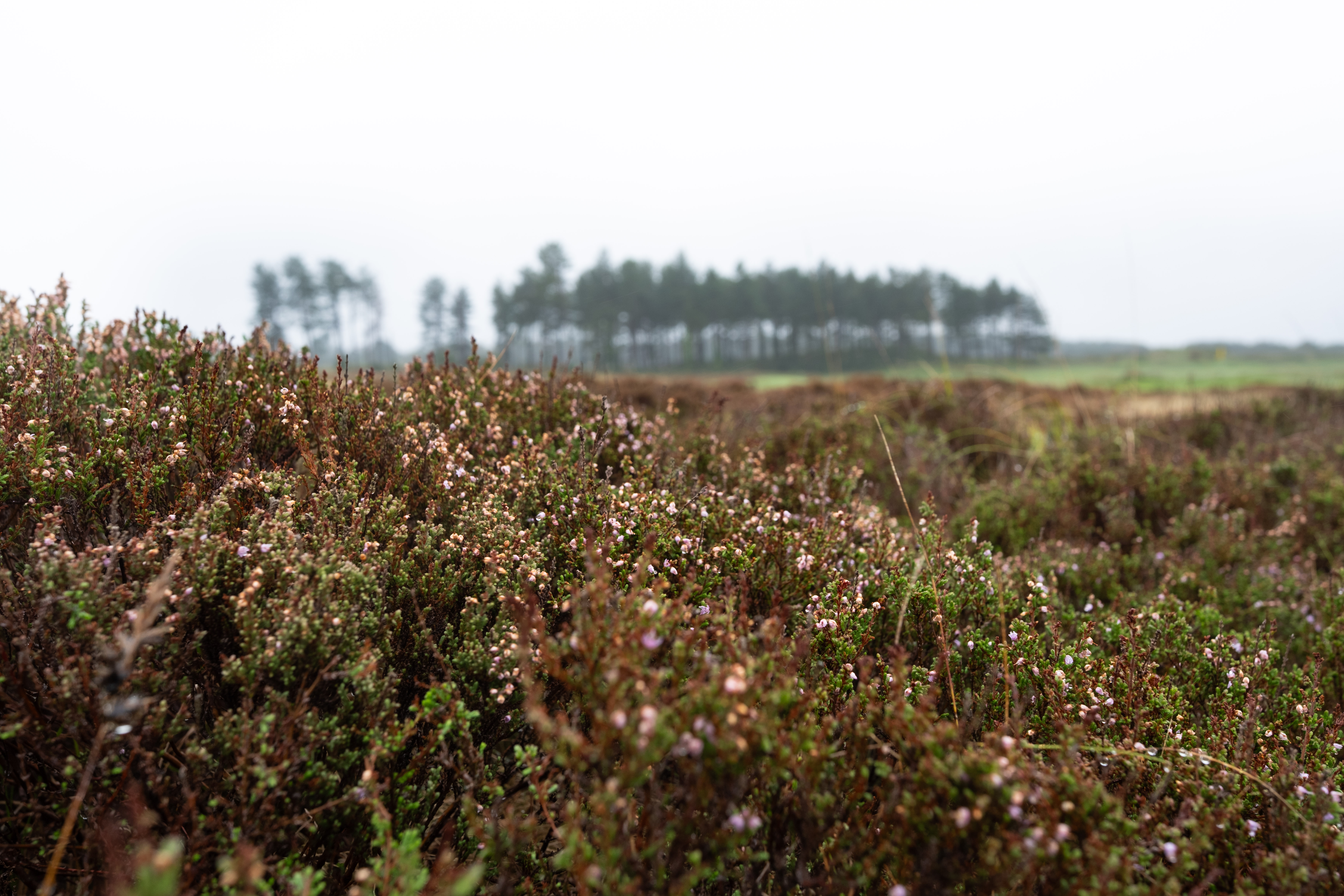
Then you need a review meeting. How has the course changed? What have you done? That will tell you an awful lot more about your course than hiring in an expert necessarily will. Your expert is going to be able to shortcut that, but even after your expert has come and gone, and you've tried implementing things, you're still going to need to know what worked for you, and the best way of doing that is just photos. Ideally, put some notes down. What did you do in this area this year? Anything of note? Routine maintenance changes. Did you re-turf this area? Did you put an additional cut in here? Did you not cut it because it was a drought?
It requires the right environment and resources for your green staff to be able to do that. There's no point doing all the work if you don't store a record of it somewhere and you don't make a knowledge repository that the club can build on and learn from.
At a heathland golf course, you need to be thinking around 30 to 40-year timelines.
We're getting a taster of climate change right now, and it is brutally hurting things. Watering is becoming much harder. Currently, golf courses still generally have an exemption on water use. I don't think that's going to continue.
If you are not experimenting with that somewhere, you only get caught out, and you don't want to get caught out because the amount of income for golf courses is declining. It's becoming a cut-throat environment and courses are failing. If you're not planning for the future right now, and you're not keeping records of what has happened, how you are doing it, and what you are adapting, you're going to find yourself in a very difficult situation. GI
Key Takeaways: Practical lessons for you
- Protect the soil chemistry. Keep fertiliser and lime away from heather; check irrigation water and path materials for alkalinity, including beside heathland areas
- Tailor cutting to your course. Learn where it gets wet or dry, and renew heather before it becomes brittle without cutting too low or too often
- Keep some bare ground. It provides nesting habitat for insects; resist the urge to turf every exposed patch
- Plan for renewal, not constant perfection. Reset small areas over time, control tree encroachment and explain temporary untidiness while keeping golf playable
- Build a lasting record. Take four repeatable photos per year from fixed points, log maintenance and review changes with the team so knowledge survives management changes
Author
