West Surrey GC: Building a better workplace
For a profession that places such a high value on presentation, it's more than a little jarring to think of the many greenkeepers who have to contend with working conditions that fall well short of picture perfect. If the quality of a person's work correlated directly with the facilities in which they practiced their trade, we might not be blessed with quite so many wonderful golf courses.
At West Surrey, they have recognised the need to provide an environment suited to the needs of their staff by investing in new facilities that have completely redefined the experience for their valued workforce. The project – three years in the planning and delivered on time and within budget – has created a modern, purpose-built facility that reflects the professionalism of the club and the demands of the role.
For Golf Course Superintendent Alec MacIndoe, it represents a significant step forward, not just in terms of infrastructure but in how he and his team are supported day to day. We caught up with Alec to find out his role in bringing the project to fruition, the impact it is having and the legacy it will create.
Can you describe the scope and scale of the project?
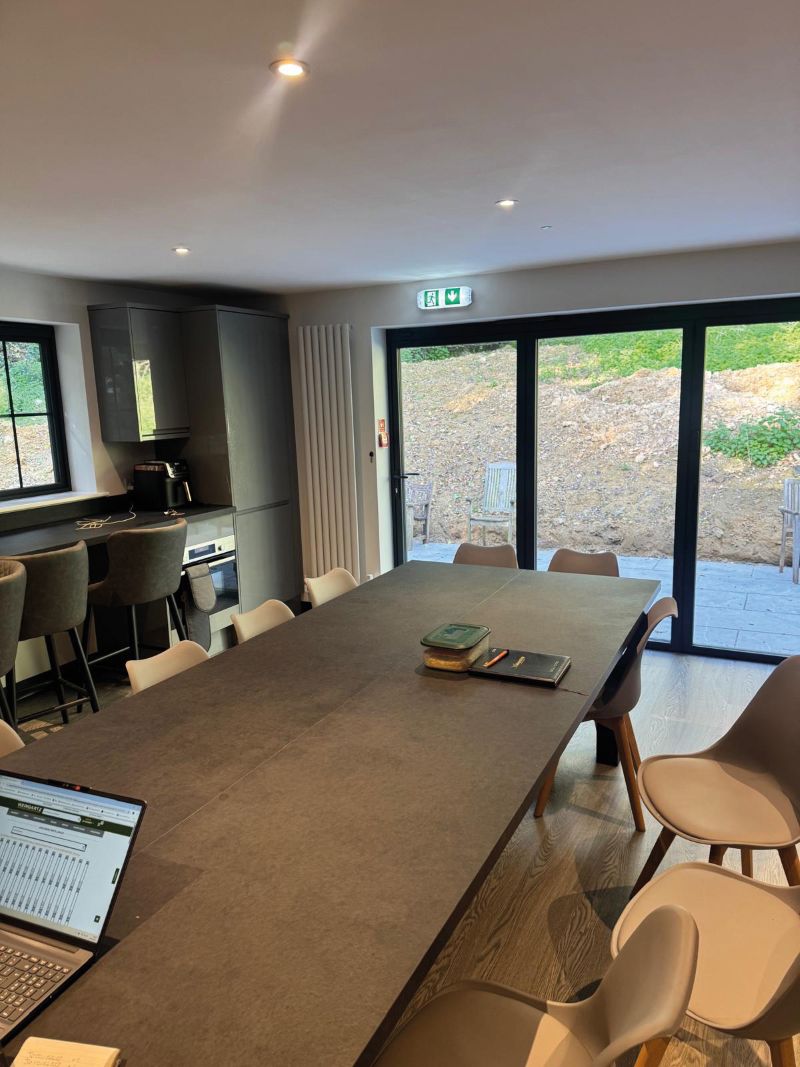
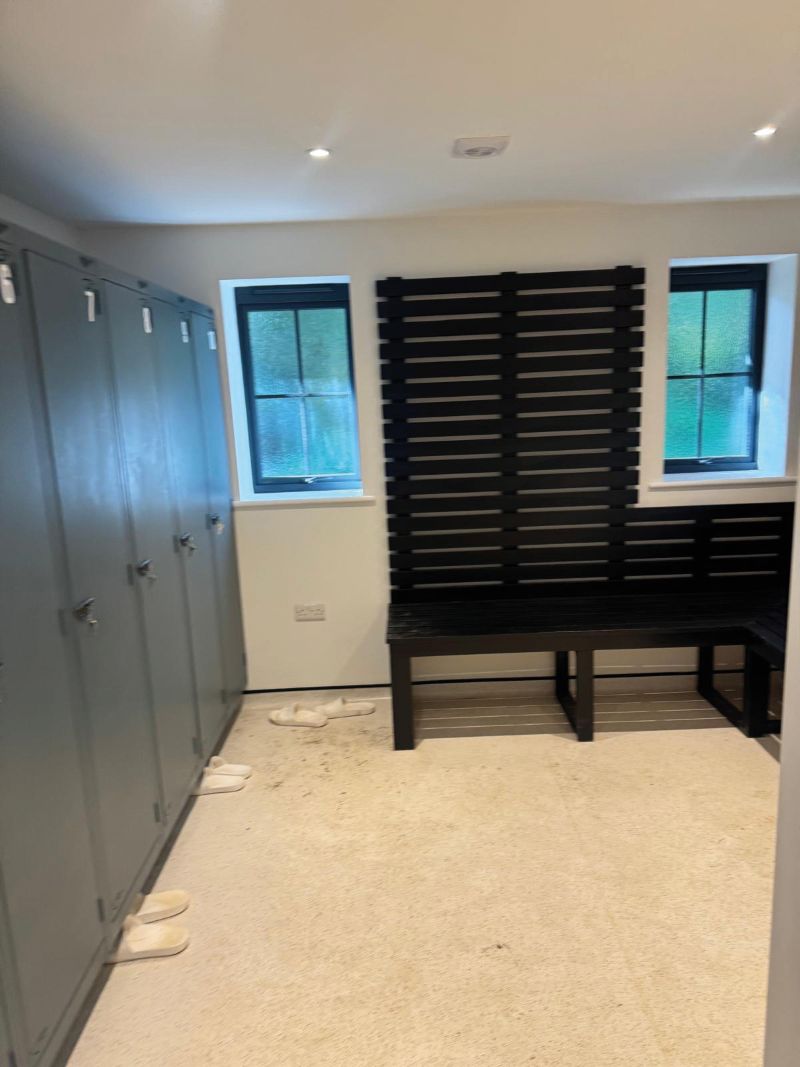
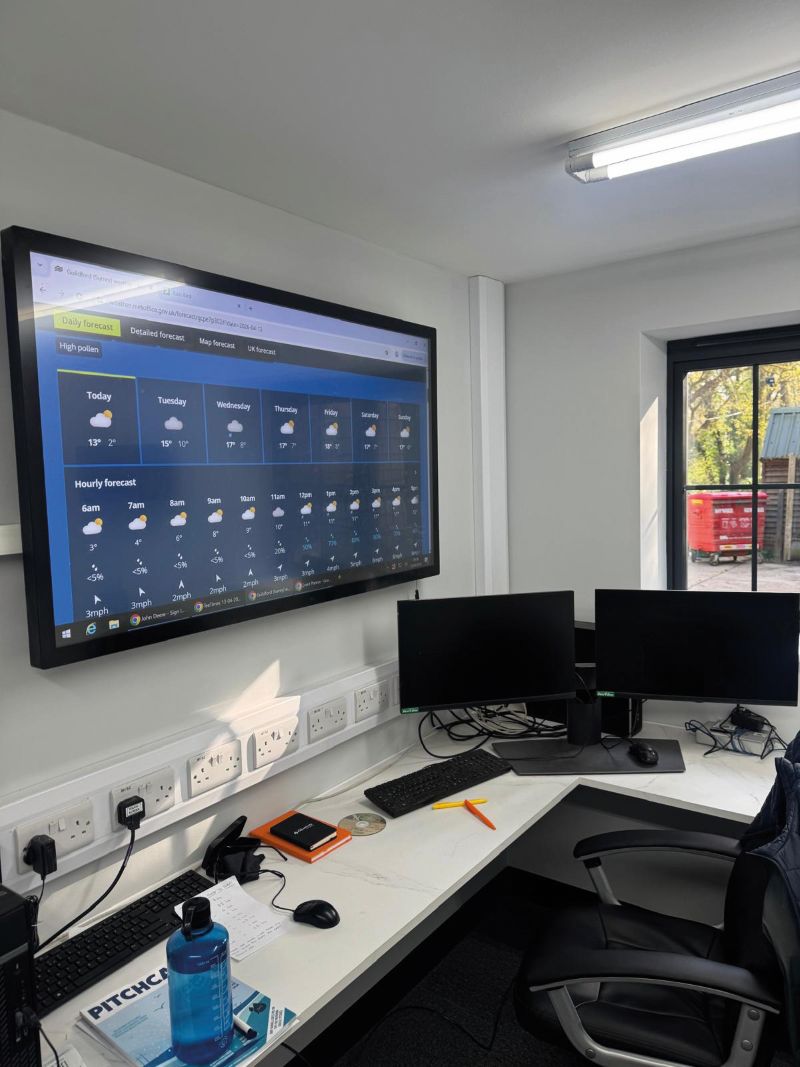
We've had a complete refurbishment of my office, a new drying room and a full rebuild of the changing facilities with showers, toilets, lockers and a proper seating area. It now looks like a proper changing room rather than something that's just been adapted over time. We've also added a new storeroom and proper accessible facilities, including new toilets and showers, and then extended into a completely new welfare area. That consists of two kitchens and a main space where we've got a TV up for meetings, and it's somewhere the whole team can sit together comfortably. Out the back we've got French doors opening onto a large patio area, which we'll use a lot in the summer. There's a built-in barbecue going in as well, so it's a proper space for the team to use, not just somewhere to sit for five minutes.
What were you working with before the redevelopment?
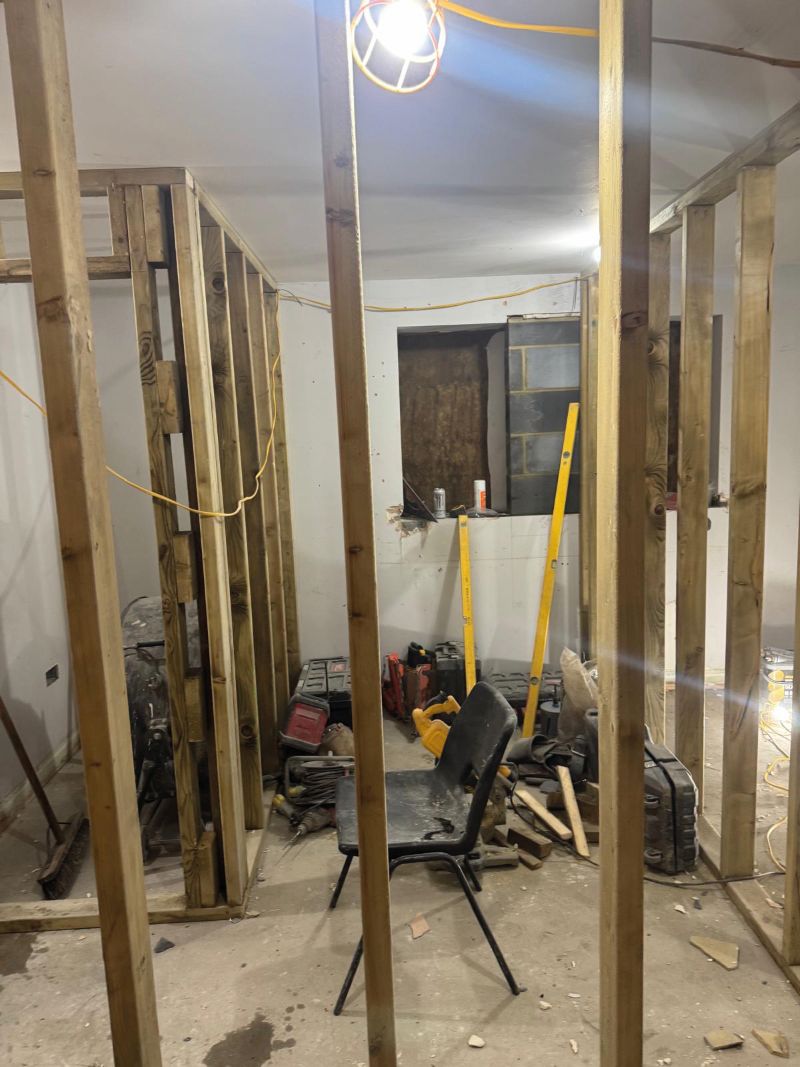
It was very cramped and a bit of a mess, to be honest. The changing room was so small that no more than two people could change their boots at one time, and we've got a team of 10, so it just didn't work. The mess room was probably better than some you see, but it was still just a room with some counters, chairs and an old sofa. You can picture the type of place. It was really cramped and there were very few facilities beyond a kettle, a toaster and a microwave. It wasn't that we didn't have any facilities, they just weren't fit for purpose.
How long did it take for the project to come together?
It took about three years from proposing it to the club through to moving in. The first thing they did was get lots of different groups of members to come up and see what we currently had. Without exception, they all agreed the project needed to go ahead, and that was a really important part of the process. Once people had seen it for themselves, the decision became much easier. That probably took the best part of a year on its own. After that, the second year was working with an architect on designs. You get drawings, go back and change them, refine things and make sure the space works properly. Then it went to the board, we put tenders out to five companies, shortlisted to two, and got approval around March or April for an October start. We didn't want to build through the summer. It started at the end of October, maybe early November, and we moved in about four months later.
How close is the finished facility to what you originally had in mind?
The finished product is even better than I could have asked for. The builders we had were superb. They were very flexible, understood what was required and even did things that were outside of the spec that we hadn't thought of. They were excellent to work with, and that made a big difference to how it all came together. Importantly, it all came in on budget and on schedule, which obviously is a big thing for the club.
What was it like for the team during the build?
We had to work out of a portable cabin for the four months, which was tough going, especially because it was a bad winter. Ten guys sitting in a portacabin when it's wet outside and you're coming in dirty and soaked is not ideal at all. But the team were brilliant and they didn't moan at all. They were all on board with what we were doing and understood that there was something much better coming at the end of it. They could see the light at the end of the tunnel, so there really weren't any complaints, even though it wasn't a great environment to be working in at the time.
At its core, is this a staff welfare project?
Yes, purely staff welfare. That's exactly what it is. What we've got now gives us a much better chance in terms of retention and recruitment. It will be a lot easier moving forward, and we've also futureproofed it if we want to add one or two more staff in the future. It's not just about now, it's about making sure we're in a good place long term as well.
How did you get the club and members to support it?
It was a combination of things, but ultimately it started with the fact that what we had was not fit for purpose. It wasn't a suitable environment for anyone to be working in and everyone could see that. The club have been very supportive since I've been here, and a lot of that support comes from the team producing a facility on the golf course that the members enjoy. They had also invested heavily in the clubhouse, so it was about seeing that replicated in what was being provided for the staff. Once that conversation started, there was no pushback at all. It was very positive and the focus was on getting it right.
What were the key non-negotiables in your plans?
A much better working office for me was important, and then a kitchen area that could hold the whole team comfortably. I built it to host more than we currently need. Probably up to 15 people, really. The way I looked at it is if you were building a par 3 tee, you'd make it the biggest tee on the golf course, because you only get one chance to get it right. If you build something too small, you can't go back and extend it easily.
What difference has it made to the team day to day?
Before, they were spending money every day in the halfway hut. Now they're cooking in the canteen, which is a big change in itself. We've had a table custom made so that everyone can sit around it together, and the conversation between the team is much more integrated. The buzz in the room is great. It's just a really good environment, and it's created a place where people are happy to come to work, which is what you want. I'm probably prouder than I thought I would be of what we've achieved and how the club have supported it because a project like this only happens when everyone buys into it.
How important is it for golf clubs to invest in facilities for greenkeepers?
It's massive. Too many places are still working out of sheds, and that's not an attractive proposition to anyone leaving school and looking at where they might want to work. For too many years, that's what the industry has been seen as, and it doesn't reflect what the job actually is. What we've got now is a professional welfare area, not a shed, and that makes a big difference in how the role is perceived.
Keen for your club to invest? Here's Alec's advice...
You need to do your due diligence and your homework. Take photographs of what you currently have and be clear about why it’s not fit for purpose.
You also need to bring people in to see it for themselves. That was a big part of what worked for us. Once members had seen the facilities, the decision became much easier.
You've got to be professional in how you present what you're proposing. Don't set a limit straight away or assume the club won’t spend the money.
You need to show them what is actually required – proper showers, wash basins, drying areas – and explain why those things matter.
The people we work for would not accept those standards in their own workplace, so you have to demonstrate that you're trying to create a more professional environment that reflects well on the club.
Author

What West Surrey built
- Refurbished superintendent’s office
- New drying room
- Fully redeveloped changing facilities
- Showers, toilets, lockers and seating
- Accessible welfare provision
- New storeroom
- Expanded welfare area with two kitchens
- Communal space with meeting facilities
- Outdoor patio space