
Inspired by First Green: Welcoming the next generation into greenkeeping
We hear from two clubs who have developed their own outreach programmes after being inspired by the First Green initiative
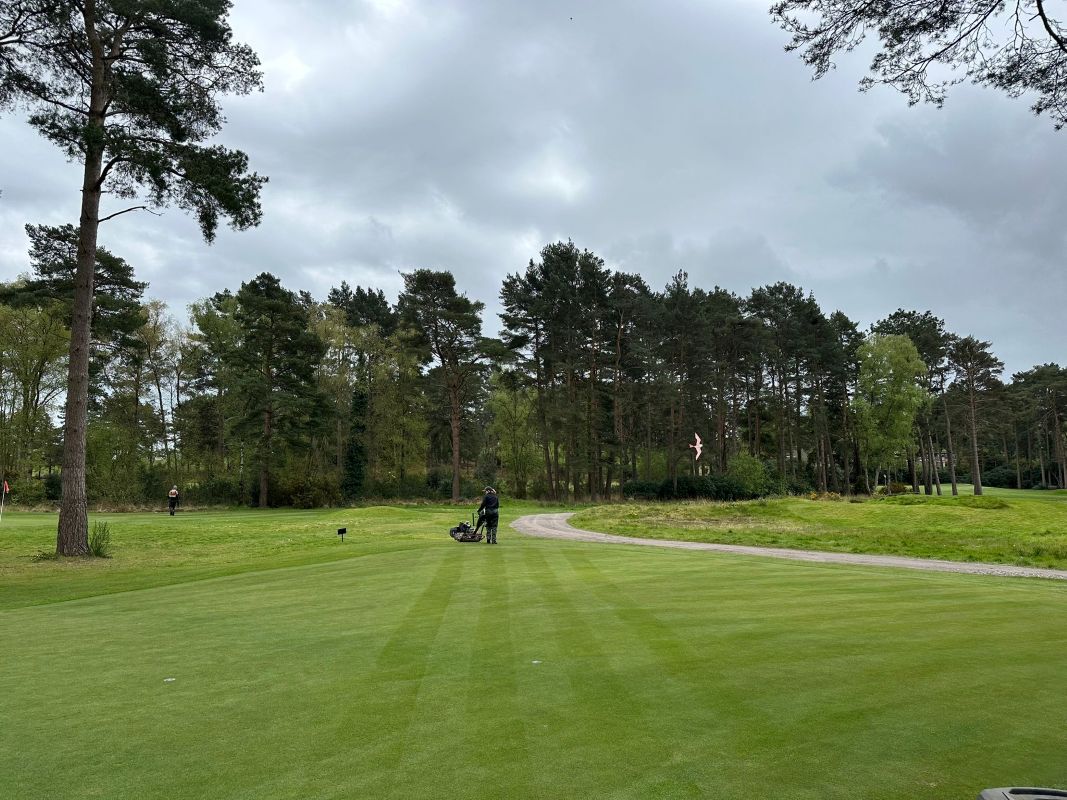
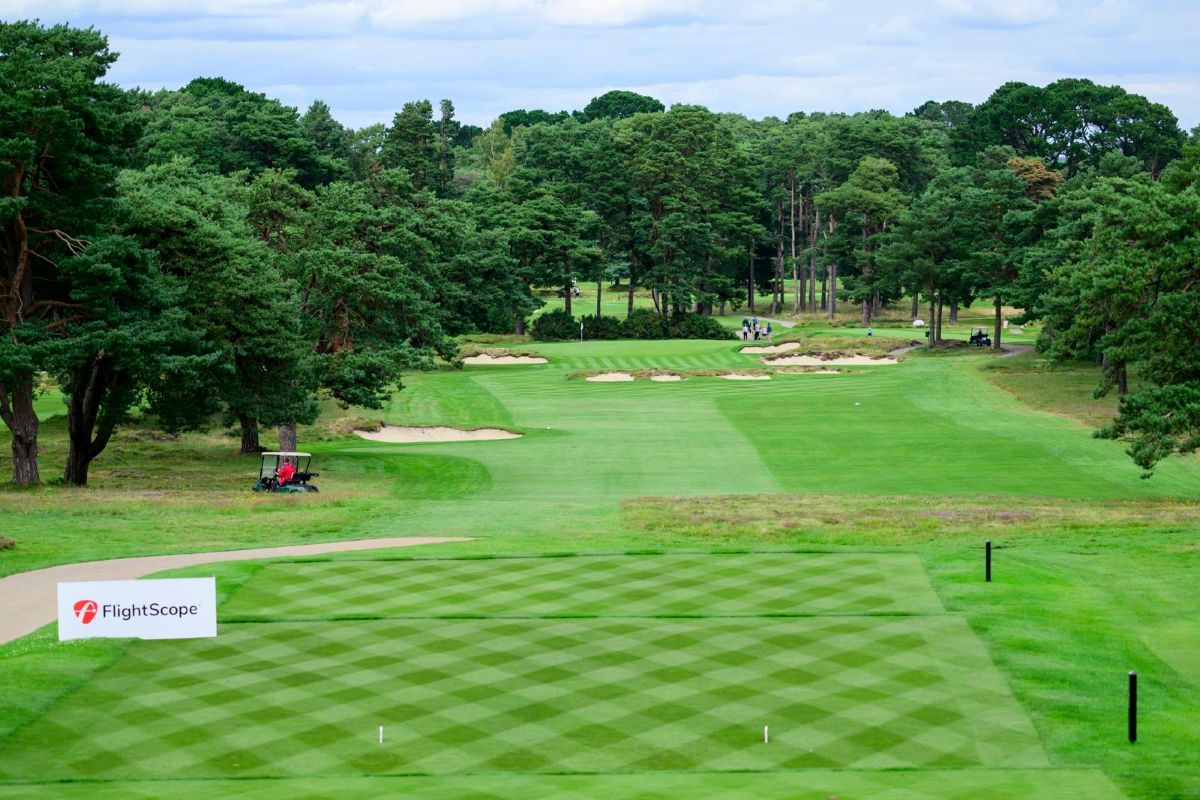
Ferndown provides a shining example of the difference proactive outreach can make in attracting the next generation into greenkeeping. Courses Manager Danny Murray is an admirer of the First Green initiative and a big believer in getting out into the community to promote the profession. He has built links with local schools, careers fairs and work experience programmes, creating a steady flow of young people into the club. We caught up with Danny to find out more about his approach and the impact it's having at the Dorset venue.
What first prompted you to start doing this kind of outreach?
It started about four years ago, when I'd been in the job about a year and was asked to go to Ferndown High School, which is only about half a mile from the club, to speak to Year 11 students about careers in greenkeeping and sports turf. They were very receptive to it. I spoke about my own route into the industry, starting at 16 and doing an apprenticeship, then five years later working at the US Open at Pinehurst and living in New York. Once they heard that side of it, it opened their eyes a bit. The response was immediate. I had enquiries within the next week and took one lad on. He was fantastic. Then his mate came in as well. From there it just grew.
Why do you think the approach has worked so well?
A lot of young people simply don't know this career exists. If I walk into a classroom, probably 90% of them have no idea that you can have a job working outdoors on a golf course or in sports turf. Once you tell them what the job actually involves, the opportunities that can come from it and the qualifications available, that changes things. We also made ourselves visible. We did careers fairs, we took work experience pupils and we became known locally as a place that would give people a chance. As a result, we now get a steady flow of CVs coming in from young people who want to be involved.
What does that pipeline look like at Ferndown now?
We've got 19 on the books in total. Within that, there's a core of experienced full-time staff and then a youth academy element that includes younger full-time, part-time and weekend workers. That group ranges from mid-teens upwards, with some already full-time and others working around school or college. The important thing is that there's a conveyor belt there. When somebody leaves, you're not always starting from scratch and advertising blind. Often you've already got someone coming through who knows the place, knows the standards and wants the opportunity.
What have you learned about bringing young people into the job successfully?
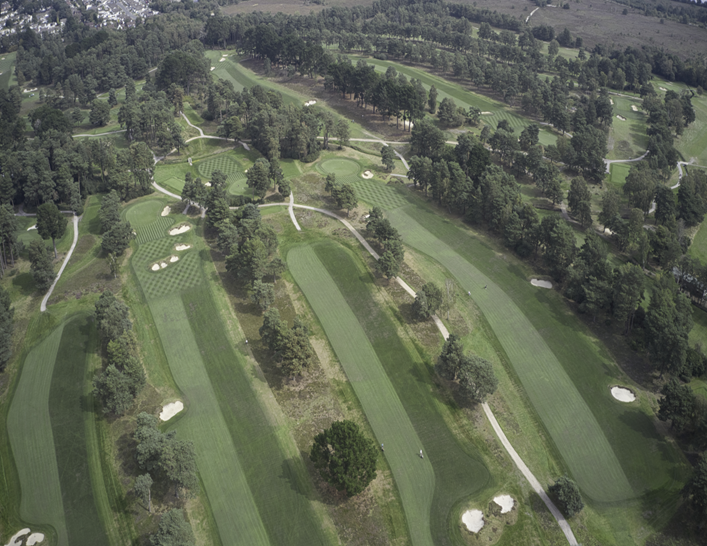
Timing is a big thing. I always try to bring them in during the spring and summer. They love it then. You can get them cutting fairways, hand-cutting and doing jobs they enjoy, while mixing in the less glamorous work as well. If you bring them in during winter, when it's cold, wet and miserable, they might turn the other way. If they come in during summer, they get used to the team, the environment and the routine. By the time winter comes round, they're already part of it and they'll do the harder work because they've bought into the place.
How important is the environment you create around them?
Massive. It has to be fun. We're very sporty here and we make sure the younger staff feel part of the team. We've got a staff social committee, we do golf days, we've gone to Dorchester Town and we try to integrate everyone. It's not just about work. They get used to the banter, they get used to getting up early and they get used to being around a team they enjoy being part of. That makes a huge difference with retention.
Are they surprised by the educational and career side of greenkeeping?
Yes, definitely. A lot of them think they're just coming in to cut grass. Then I sit them down and explain the qualifications, the college route and where it can lead. I tell them what I've done, what my deputy has done and what other members of the team have done. That does surprise them. I also make the point that these qualifications can take you into lots of areas, not just golf. It's a proper career path. Once they understand that, it changes how they look at it.
You've also had success attracting girls into the team. How significant is that?
It's really important. We've got females working in different areas and there's one young girl in particular who is incredibly talented. She can come in and cut fairways – that's how good she is already. Another member of the team came from working in stables, so she already understood hard work, early mornings and being outside in all weathers. That's the thing: if someone has the right attitude, background and willingness to learn, it doesn't matter whether they fit some old stereotype of what a greenkeeper looks like.
How much of this depends on your training and supervision once they arrive?
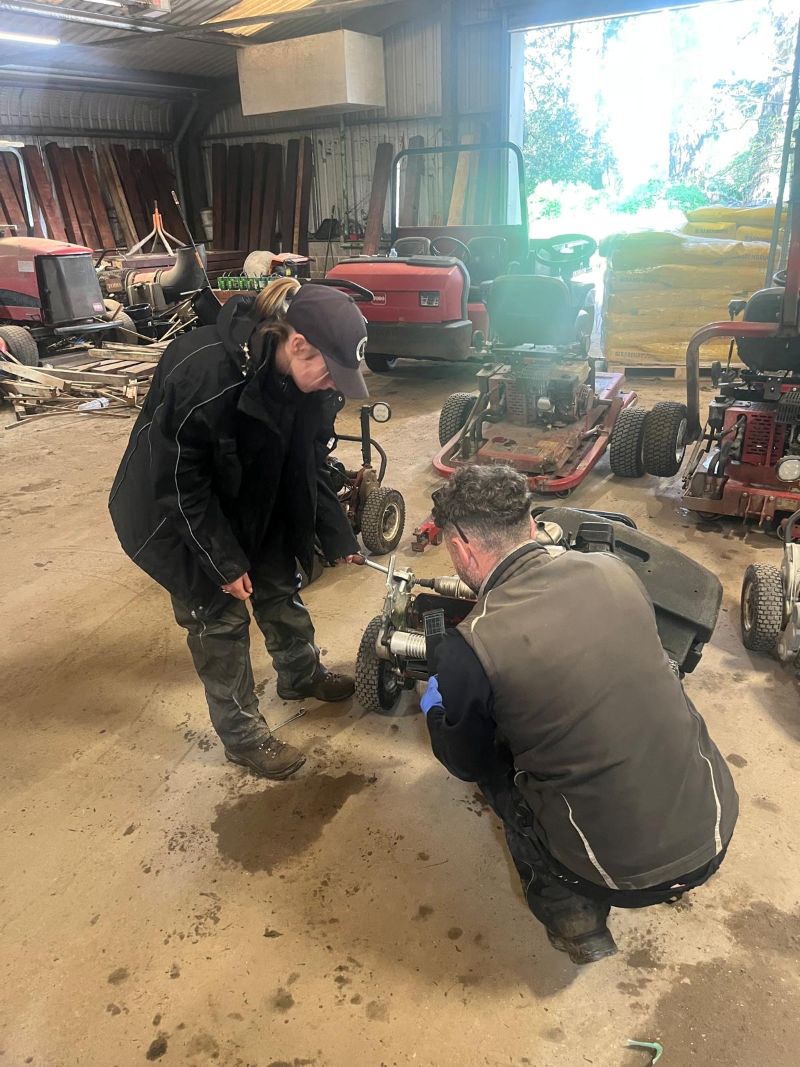
I'll take them through the basics and machinery work, but other members of the team help with training as well. We've got three of us who normally take care of that side. They're not just thrown out there on their own. If someone is learning to cut fairways or do presentation work, they'll be paired with an experienced member of staff. That's how you protect standards while building confidence. We let them learn, let them make small mistakes and bring them on properly in an environment where they can learn while doing the job.
What sort of buy-in did you need from the club?
The club has been very supportive. The original school visit actually came from a board member who suggested I go and speak to students. Since then, the attitude has been: do whatever it takes if it helps bring in good people and improves what we do. That support is vital because there is admin involved. If someone is under 18, there are permits, rules around hours and breaks, communication with parents and schools. It takes effort, but it's worth it.
Is the bigger aim here about more than just staffing Ferndown?
Absolutely. Of course it helps us, but it’s good for the wider industry as well. They come here, they learn how to work, they gain life skills and they see what this sort of career can offer. Some might stay in golf, some might go into wider grounds management or sports turf, but that’s still a win. If more clubs created that kind of pathway, it would make a real difference. Too many people are advertising constantly and hoping someone appears. Sometimes you have to go out and create that interest yourself.
The Ferndown youth academy
- Esme Sothcott (full-time) 21 years of age
- Ollie Clegg (full-time) 17 years of age
- David Fosh (part-time) 21 years of age
- Ollie Drewitt (full-time Mar-Oct, part-time Nov-Mar) 19 years of age
- Tom Fosh (part-time) 18 years of age
- Tyler Foyle (part-time) 18 years of age
- Tommy Newman (weekend worker + school holidays) 16 years of age
- Genesis Martins (weekend worker + school holidays) 15 years of age
- Isaac Huggins (weekend worker + school holidays) 15 years of age
Selling the dream at Machrihanish Dunes
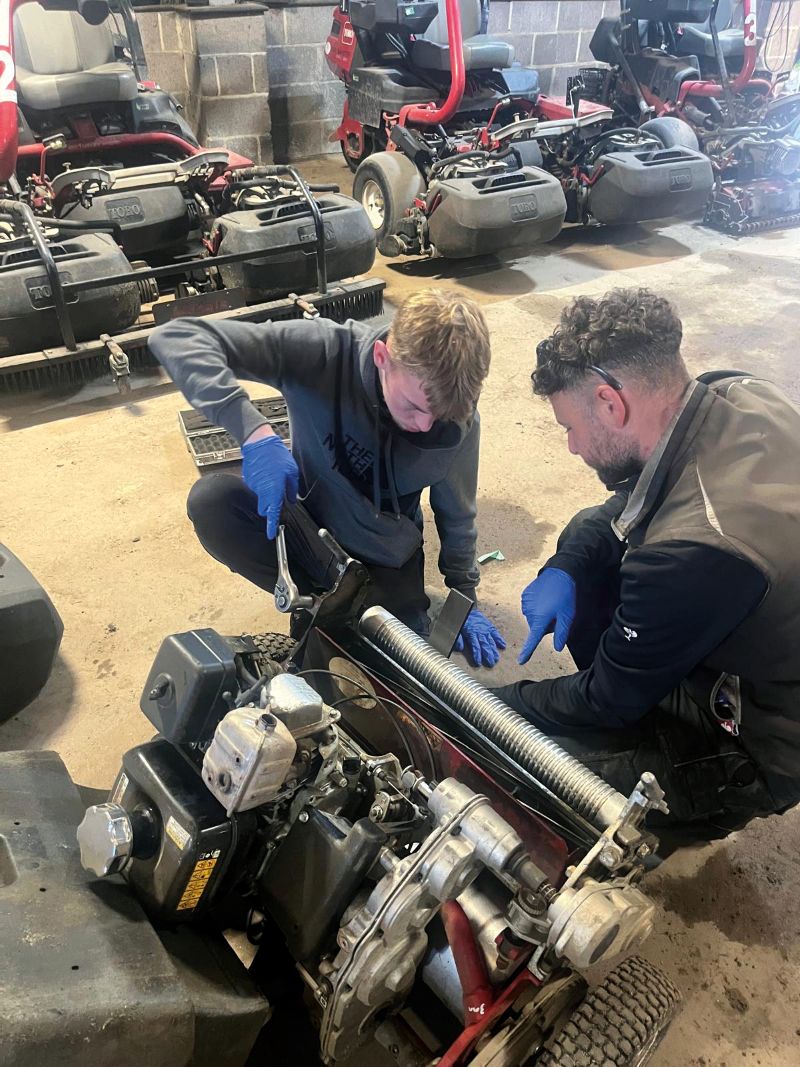
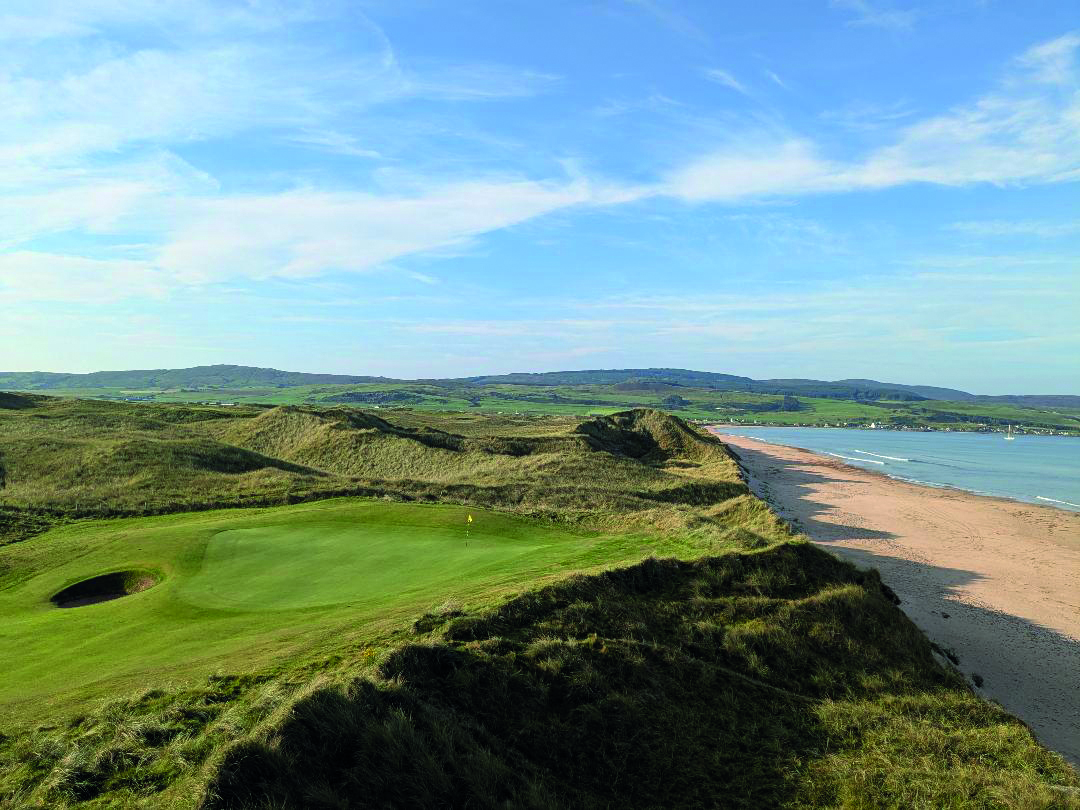
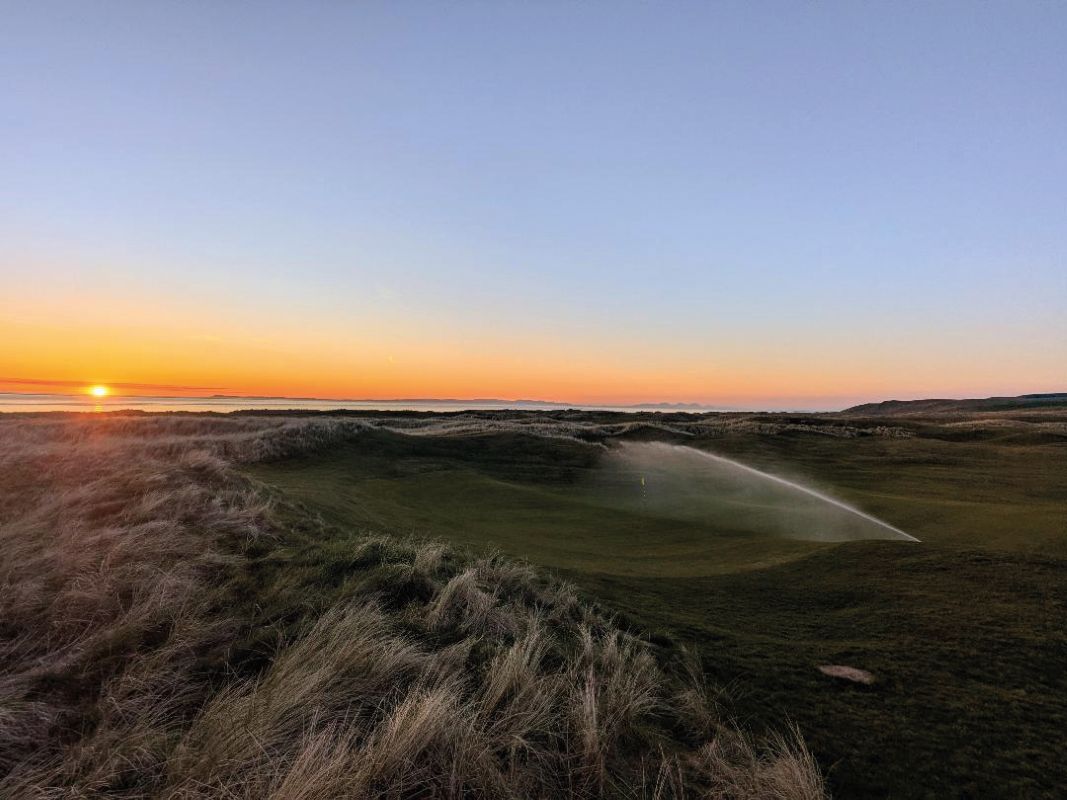
Machrihanish Dunes is another club seeing the benefits of proactive outreach, with Course Manager James Parker taking greenkeeping into the classroom to connect with the next generation. Working with Campbeltown Grammar School, James and a colleague delivered a presentation to more than 200 pupils aged 14 to 17, designed to show that greenkeeping and sports turf management can offer far more than many young people realise.
"It seemed apparent to us that in all the time the golf club had been here, very little had been done to actually talk to the young people at the school about what greenkeeping is and what the wider sports turf management industry looks like," said James. "We wanted to target an older age group – people who were making career choices now and actively thinking about what they wanted to do after school."
Rather than trying to bring a very large group on site straight away, Machrihanish Dunes took the message into the school first. The aim was to introduce the breadth of the profession, create some excitement and then invite genuinely interested pupils to take the next step through a practical follow-up visit.
"It's not really feasible for us to accommodate 200 children on the site," James explained. "But it is feasible for us to go in and talk about sports turf management as a whole – not just greenkeeping, but experiences in football, rugby, tennis and more – and then use that to drum up enthusiasm for an on-site event."
James was joined by First Assistant Cameron Wylie, a former pupil at the school, whose presence helped make the message more immediate and relatable.
"I wanted somebody who had been to that school because I think it's more impactful when children are spoken to by somebody who's been there," said James. "And I also wanted it to benefit him. We want him to be able to present to people and develop those skills as well."
The presentation drew on a wide range of examples to show the opportunities the industry can offer. Cameron spoke about his own experiences, including his time spent working in New Zealand, where former apprentice Andrew Semple is currently before he returns to the club this year. He also included the journey of Lara Arias, who prepared Le Golf National for the 2018 Ryder Cup, using her story to speak directly to the girls in the room and challenge outdated assumptions about who belongs in the profession.
"I was really wanting to target female greenkeepers as well," James said. "I still don't think we're doing enough in that regard. Lara's story struck a phenomenal chord. We wanted the girls there to see that this industry can take you a very long way."
More than a dozen business cards were handed out on the day, and interest continued to build through the school afterwards. By the time James got back to his desk, three students had already emailed to say they wanted to know more.
"Early indications suggest this method works very well," James said. "Presentation first, selling the dream, then following up with an on-site visit. By the time we left the hall, we already had emails from kids saying, 'can we talk a little bit more?'. That was a bigger response than I expected."
That first presentation has now led to around 20 pupils signing up for the practical workshop, with over half of them female. Machrihanish Dunes is using its charitable arm to help cover transport costs, while James's team will run workstations on site in a format inspired by First Green.
"It gives us the benefit of working with a smaller, more manageable group," he said. "But it also means the quality of time we can invest in those people is greater."
James is hopeful that others in the industry will take encouragement from the example set at Machrihanish Dunes and be emboldened to follow a similar path.
"If we keep doing the same thing we've always done, we'll keep getting the same result," he said. "The challenges we face in greenkeeping in attracting and retaining staff are not insurmountable. We just need to adapt, go to source and show young people what this career can really offer."

Author

Danny's top tips for outreach
- Start with your nearest school – that's the game changer
- Focus on Year 11 students as they're deciding what comes next
- Don't lead with full-time roles – offer summer work, part-time days or work experience
- Make it easy for them to say yes by being flexible around their availability
- Promote the opportunities without overpromising – show what the job can lead to
- Share your own story and experiences to bring it to life
- Show enthusiasm – it's key to selling the profession
- Get involved in your local community to raise awareness of the club