
The World of Greenkeeping: Ullna Golf & Country Club, Sweden
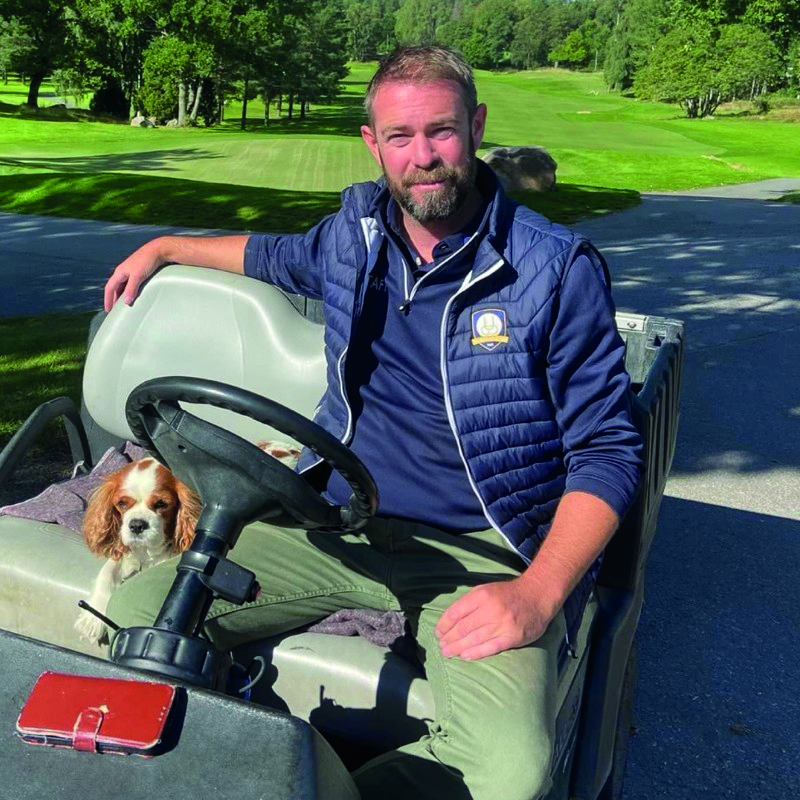
Craig Broksch has spent nearly 20 years working in Sweden and is into his fifth season at Ullna Golf & Country Club.
There, he oversees one of Sweden's most prestigious courses, tackling the challenge of a short but intense playing season in a country where winter temperatures can drop to -20°C. The standards Craig and his team have achieved saw him named Swedish Greenkeeper of the Year in 2025.
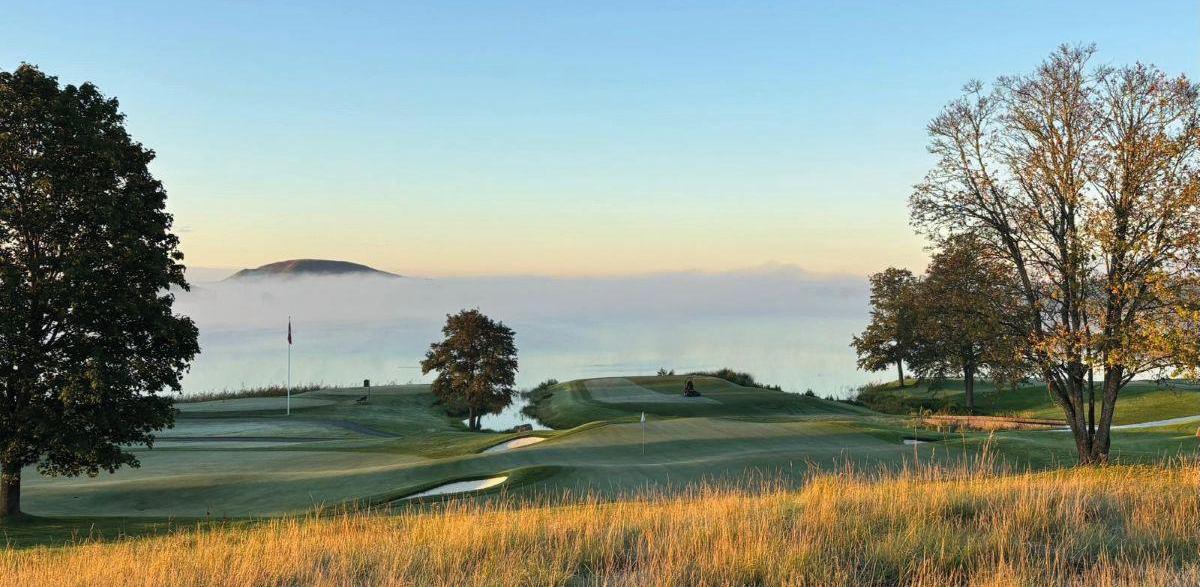
How would you describe the course?
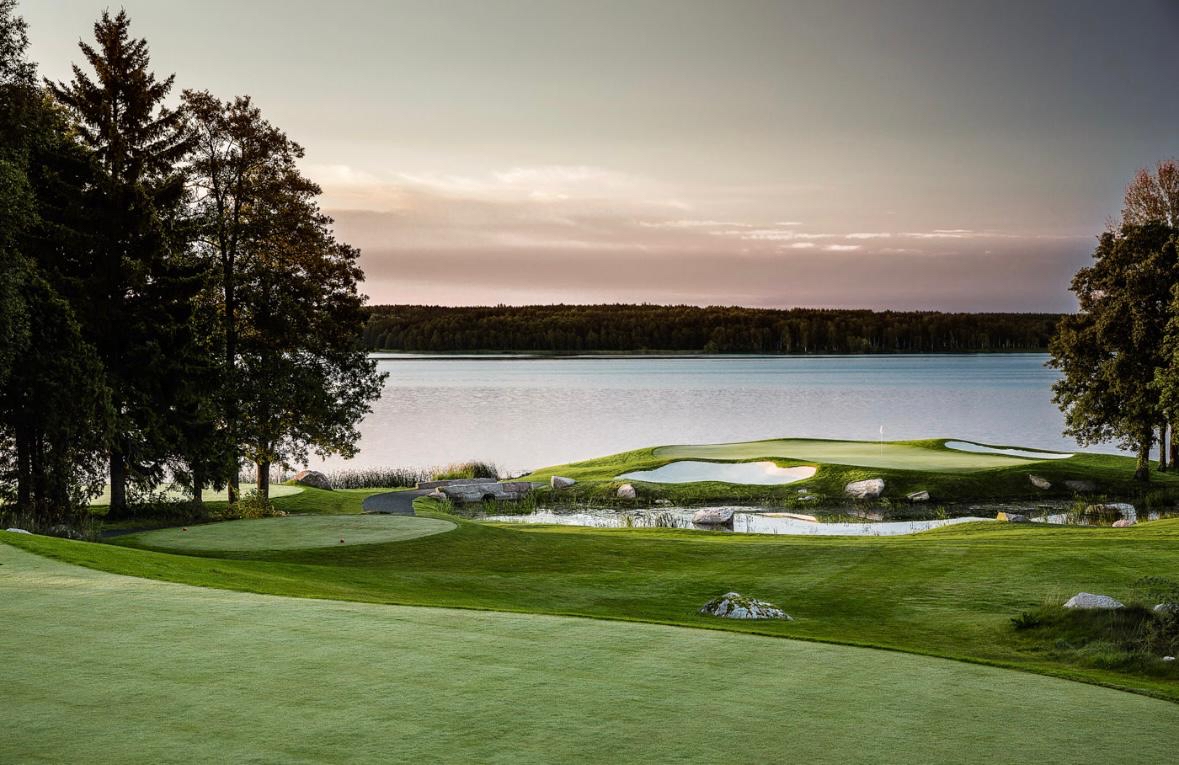
It's a parkland course, set beside a lake. It's very green, very picturesque and very pretty. We have bentgrass greens, tees and fairways, which is not common here. That came from the redesign with Jack Nicklaus in 2011 and 2012, when the fairways, tees and greens were all redone. It isn't a huge amount of extra work in every area, but it is higher maintenance – bentgrass can get quite thatchy and soft. You have to stay on top of topdressing and be careful not to fertilise too much. It's about keeping the surfaces firm and preventing thatch build-up.
What is the makeup of your team?
We have seven full-time staff who are here all year round, and then in summer we go up to somewhere between 16 and 19 people. At Ullna the team is mostly Swedish – we've got a female greenkeeper from Poland and the rest are Swedish – and it's actually the first course where I've had a predominantly Swedish crew. Earlier in my time in Sweden I worked with a lot more foreign staff, particularly from eastern Europe.
One of the challenges here is that it's so seasonal. The seven full-timers are generally interested in greenkeeping and have some training, but the seasonal staff are often 19 or 20-year-olds who've just finished school, maybe play a bit of golf, do a couple of summers and then move on, so there's a lot of training involved.
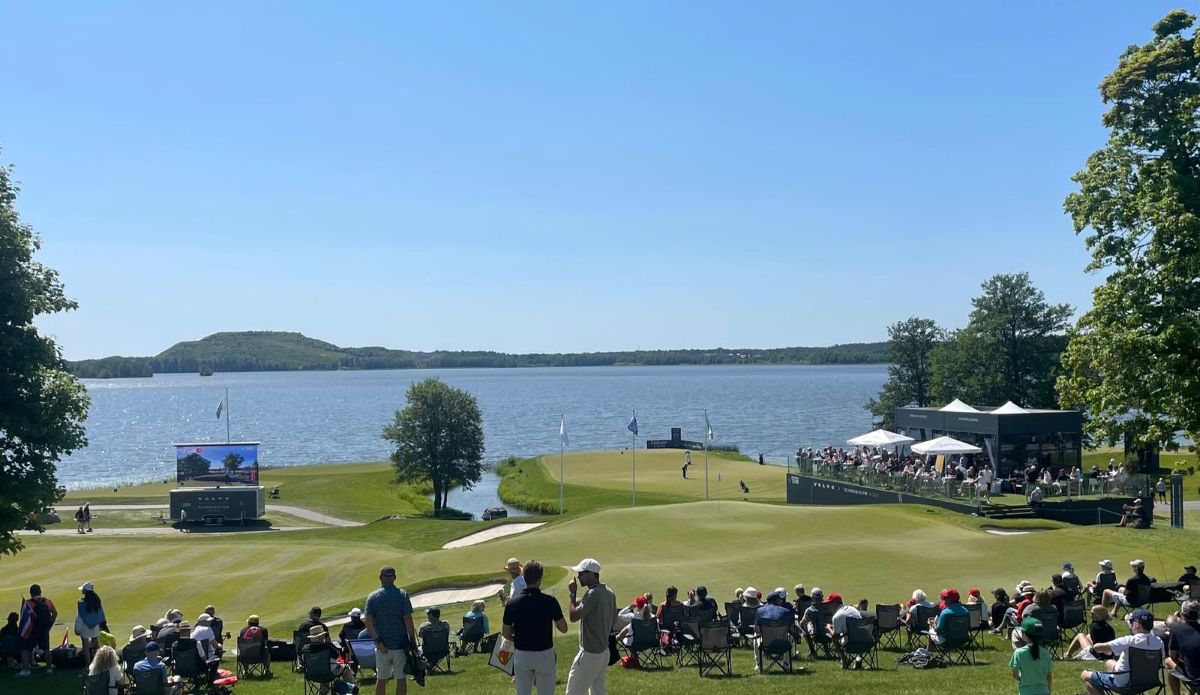
How does the short Swedish season shape the job?
We usually open around the end of April, somewhere between 20 April and 1 May, and close around the middle of October. Some courses stay open longer, but we're fortunate that our members don't expect us to push too early or too late. They want high quality, so we don't want the course getting damaged when it isn't growing properly early or late in the season.
Once we close, we try to do as many projects as we can before we open again. Two winters ago we rebuilt all the greenside bunkers, and last winter we rebuilt all the fairway bunkers. We also rebuild tees, dig drainage and do as much construction work as possible to improve the course.
What are the biggest winter challenges?
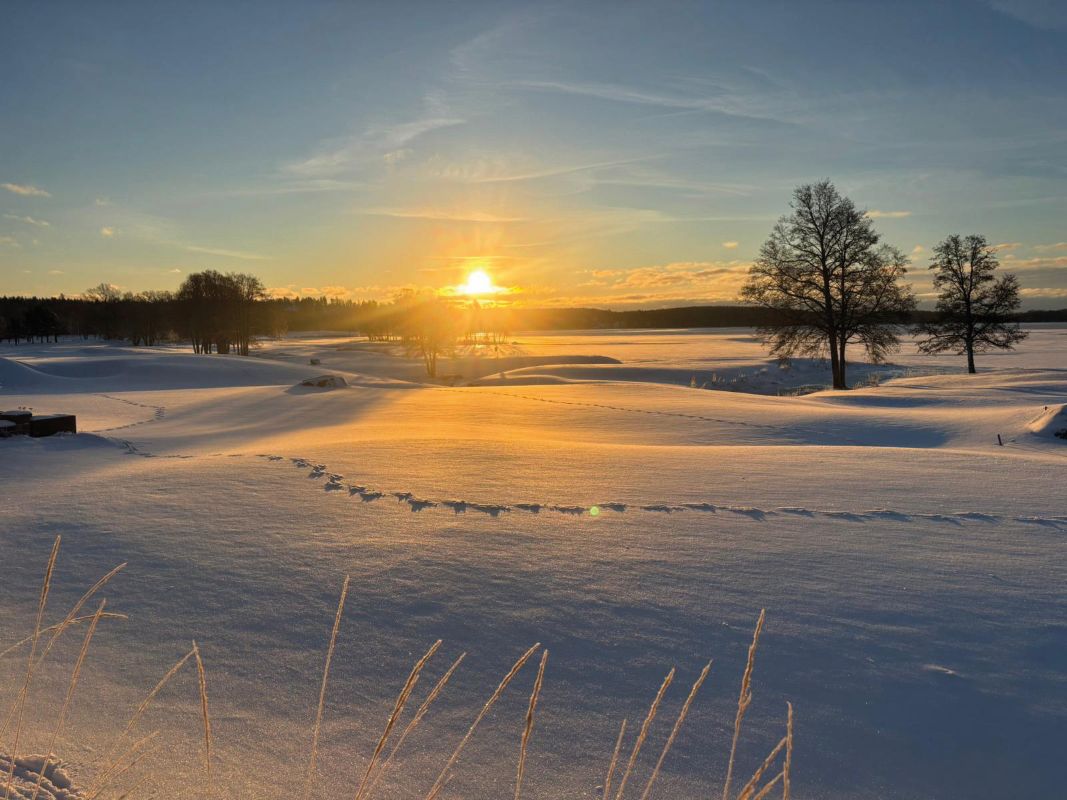
Winters can be very cold. It can get down to -20°C, although they vary a lot. Some winters hover around zero and then dip below freezing for short periods, while other years it can stay below zero for nearly a month. In terms of physical workload, winter can be easier. But in terms of decision-making, it can be one of the most stressful periods. You really have to make the right decisions at the right time. That might mean getting fungicide down in a one or two-day window before the weather turns. If you miss that window and get frozen out or snowed in, you can have big disease problems in spring. It's the same with ice. If we see plus temperatures coming, we might call people in and take snow off the greens, because if it melts and then freezes again you can build ice. Once you have ice too early in the winter, you can be in real trouble.
Are the pressures similar to those faced by greenkeepers in the UK?
A lot of the issues are very similar. Staffing is difficult. Water can be an issue, depending on the club, although we're fairly lucky at Ullna; in a very dry year, like 2018, we would have problems, but in a regular season we're generally OK. Disease is a big one. Scandinavia is probably even more restricted than the UK in terms of fungicides being banned. We have very few fungicides to use, which makes it difficult when you also have snow cover and winter disease pressure.
Technology definitely helps. We have turfRad now, which monitors moisture in our fairways and greens. That can save water, but it also helps from a performance point of view because we can be firmer, faster and manage the course to a higher standard.
We also have GPS sprayers, which help save money on chemicals and make spraying more accurate. That supports sustainability and performance. We use predictive models as well, so we can see when disease pressure is increasing and be proactive, perhaps with a light fertiliser application to try to reduce the risk. GI
Author
