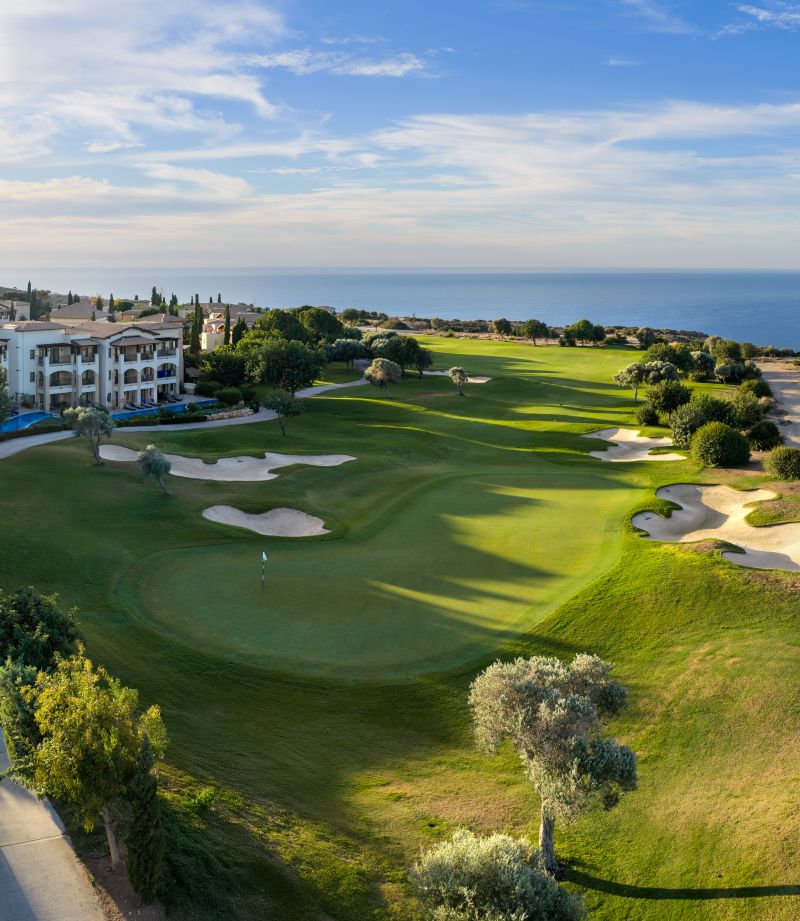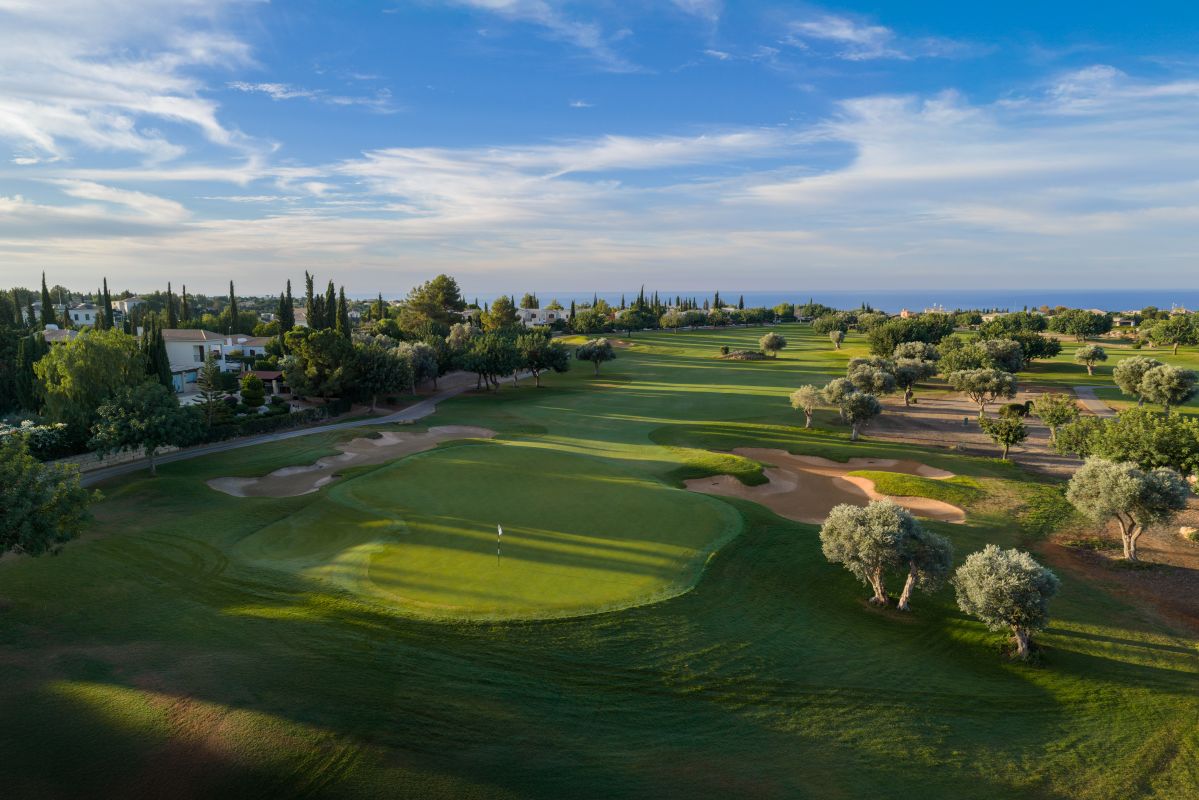
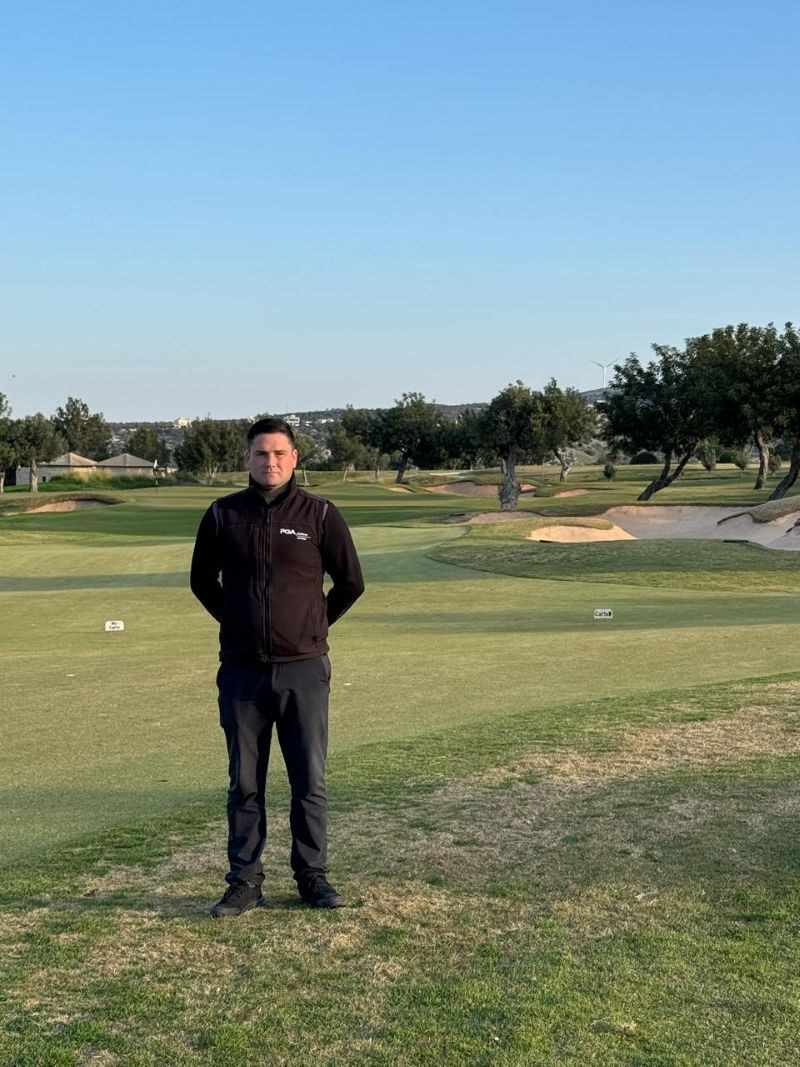
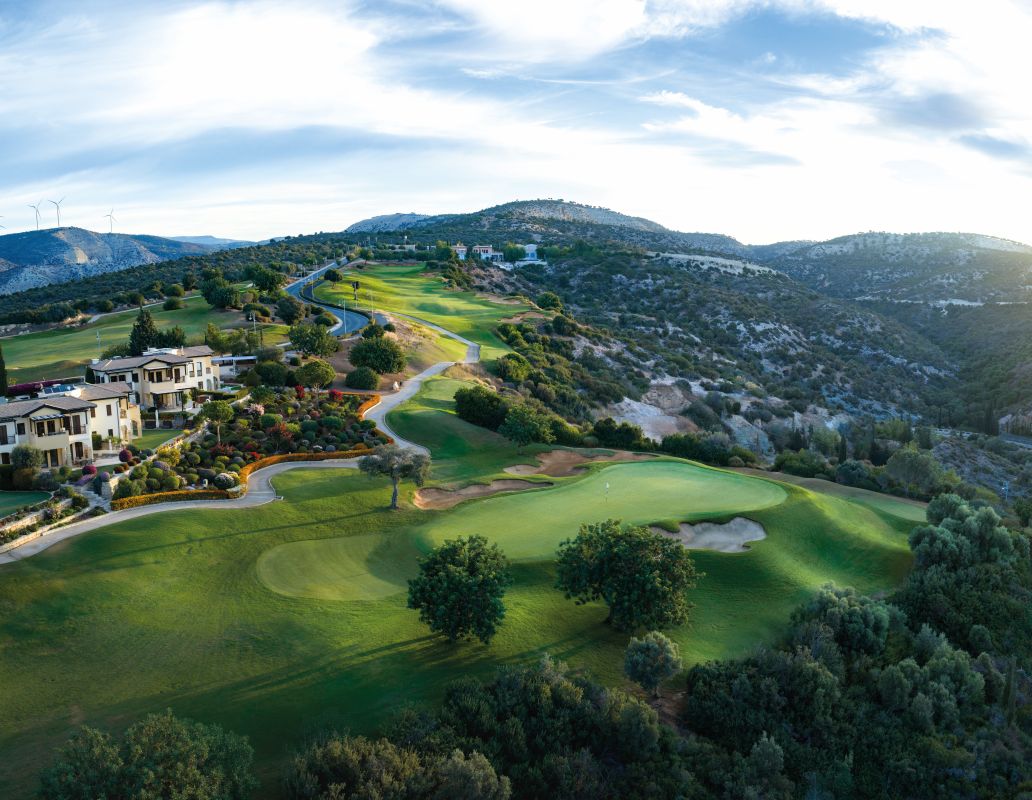
At 37, David Blair has already built a career that has taken him from Birmingham to some of the most dramatic golfing landscapes in the world. Tournament experience in the United States and the Middle East sits alongside construction, grow-in and resort roles in places like the Maldives, with each move broadening his skill set. Now golf course superintendent at Aphrodite Hills in Cyprus, he is on the front line of a broad strategy involving course improvements, a new academy development, and plans for a desalination plant to bolster water supply.
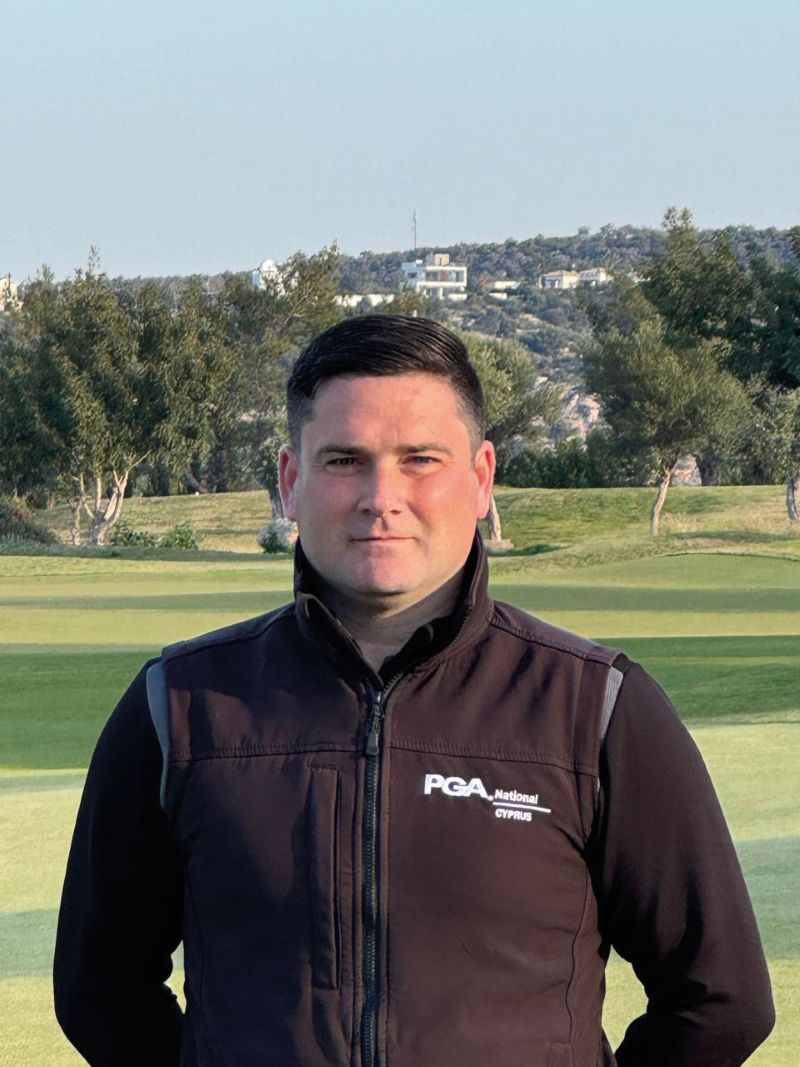
What attracted you to Aphrodite Hills?
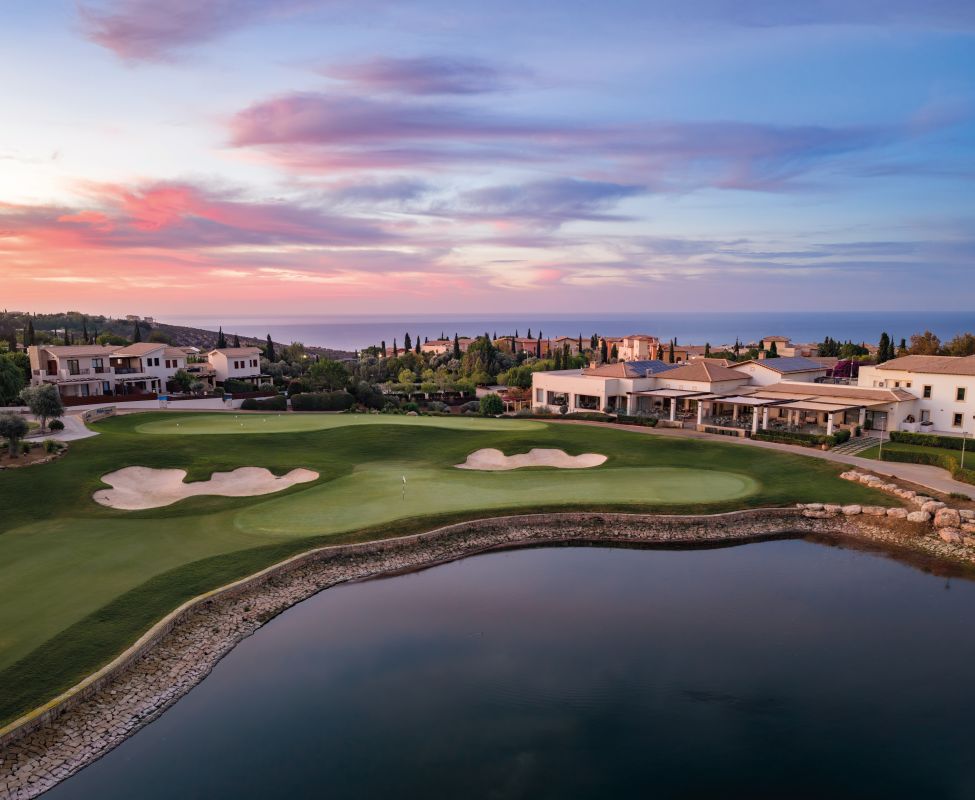
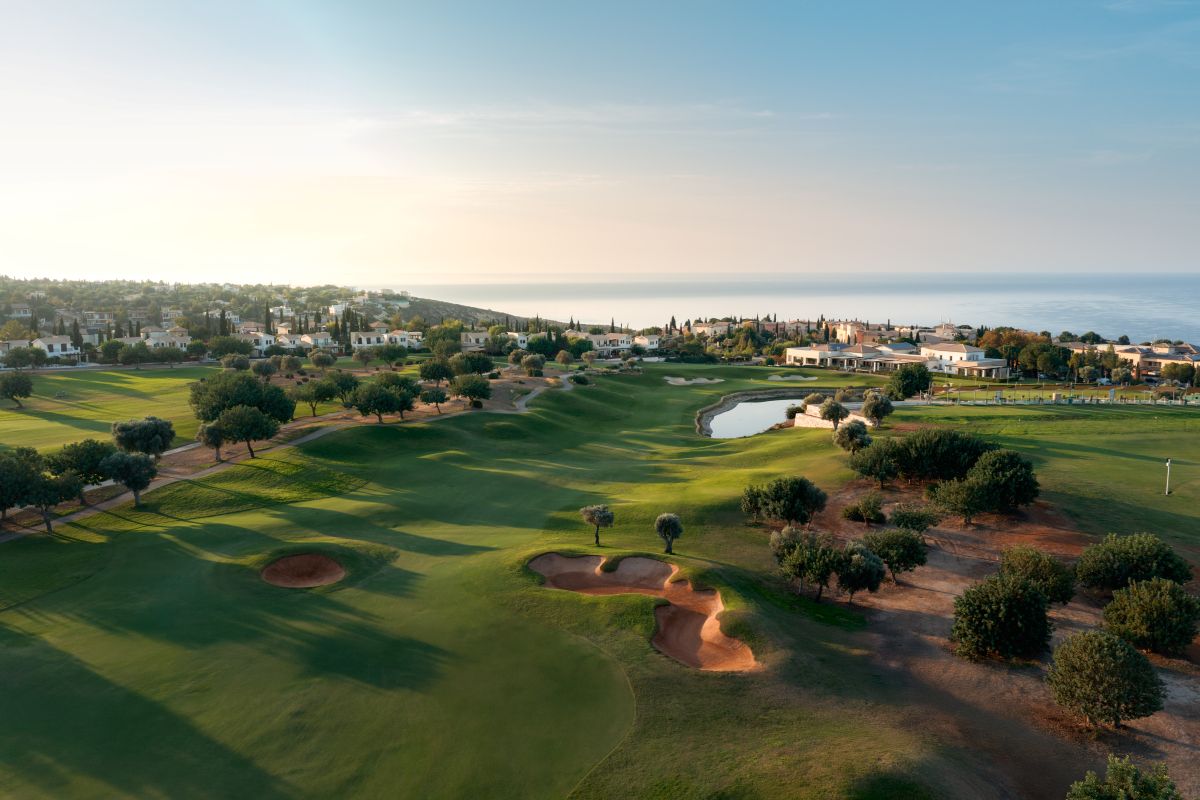
It's a big resort with serious ambition. The course is split over two plateaus with a huge ravine through the middle, so it's dramatic and visually strong. There is also major investment across the resort. Agronomically, it suited me. I prefer warm-season grasses. We have cool-season greens on the main course but built a new short-game facility and 6-hole academy with Bermuda greens – the first in Cyprus. That's been fascinating to monitor. We're also in the middle of a full bunker reconstruction programme across the property, so there's plenty happening.
What are the key agronomic challenges in Cyprus?
Heat and water, without question. Summer temperatures can exceed 40 degrees, and this year we've had significant drought. We're open all year, but summer is when we do our aggressive renovations. With warm-season turf we can really go at it – scarify fairways, tees and rough down hard and know it will recover. That level of aggression would surprise a lot of UK greenkeepers. Irrigation is critical. We use reclaimed water from our on-site sewage treatment plant, which gives us about 25 per cent of annual demand, with the rest from a reservoir that's currently very low. Long term, we're moving towards our own desalination plant.
How does the scale of the resort affect your operation?
We're a team of 22, with two mechanics, a spray technician and an assistant superintendent. The property is spread out, so logistics are a factor. It's a resort course, doing more than 40,000 rounds a year and up to 200 golfers a day in peak periods from September to December and February to early summer. Even in the height of summer we'll see 30 to 50 golfers daily. Our standard hours are 6am to 2.45pm, but in extreme heat we adapt, sometimes starting earlier or sending the team home if government restrictions apply.
Do the fundamentals you learned in the UK still apply?
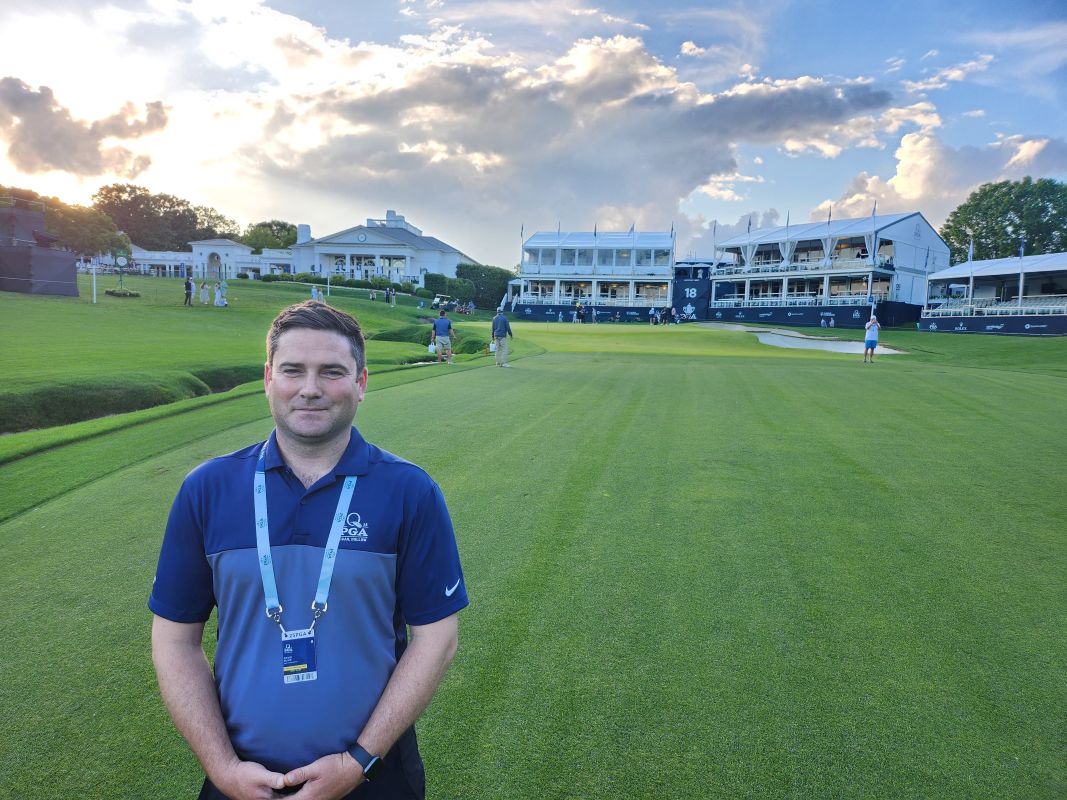
Yes, the fundamentals are the same. You still rely on sound cultural practices – aeration, topdressing, managing plant health. What changes is the intensity and timing. Every site is different, and you adjust to suit the grass type and climate. There's more technology and more data available now, but the core principles you learn early in your career still underpin everything.
What would surprise a UK-based greenkeeper working a summer with you?
The renovation intensity. We'll strip areas right back, be very aggressive with scarification and recovery, because Bermuda will bounce back. The scale of irrigation and the heat would also be an eye-opener. Keeping a team motivated and safe in 40-degree temperatures is very different to managing through a wet British winter. GI
Nurturing talent
"A big part of my job is people. I love seeing others succeed. In Saudi I focused heavily on training and education, and we're doing the same here. Cyprus only has a handful of golf courses, so there isn't a big pool of experienced greenkeepers. Our assistant superintendent, Bogdan, started here 10 years ago not knowing what a golf course was. He worked through the ranks, gained his spray qualifications and has just completed his Level 3. Seeing that progression and being part of it is hugely rewarding."
David's globe-trotting career path