
The wildflower waiting game
Successful wildflower areas are usually decided before the seed reaches the ground, through the choice of site, mix, timing and maintenance that follows. The colour may be what catches the eye, and the pollinators may be what members notice once an area comes into bloom, but the real work comes in understanding what the ground can support and how a young meadow is likely to develop over time. That was the topic of a session delivered at BTME titled Wildflower Power Hour, where Klaas Broersma and Ian Barnett of DLF explored how wildflower and ecological areas can be used to support biodiversity, improve habitat and add visual interest to out-of-play areas.
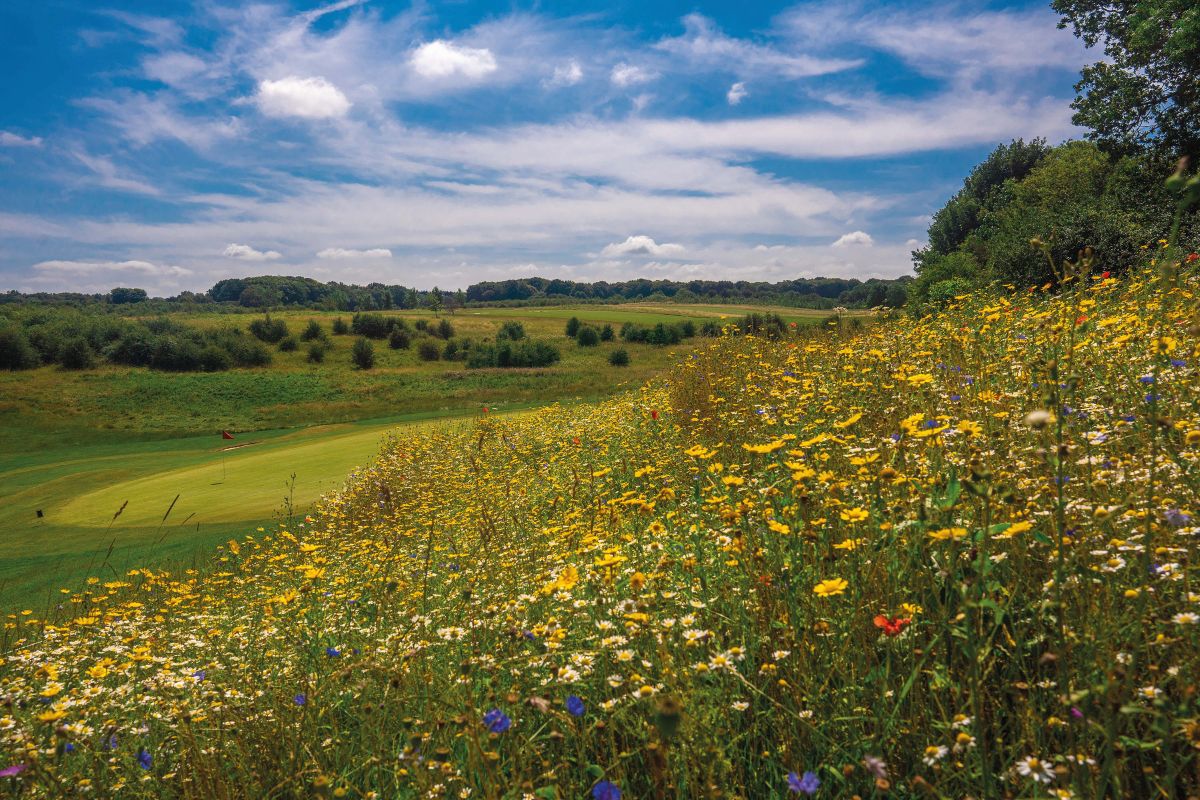
Wildflower areas can provide food sources, shelter and movement corridors for pollinators and other species, while giving greenkeeping teams a visible way to improve ecological value across the course. However, they are not achieved overnight and can be unforgiving when the basic decisions are rushed.
“What soil type do I have? What are you doing it for? What are your goals? What budget do you have?” said Klaas. “Because they’re so expensive, you’re not just going to plant anything. It needs to fit with what you have.”
That thinking applies across a wide range of decisions, from whether the area should provide a quick burst of colour or a longer-term ecological habitat, to whether the chosen species will tolerate the soil, aspect and management regime. A wildflower area in full sun on a free-draining bank will have different demands from one sitting in heavier ground, partial shade or a visible position where members expect a cleaner presentation.
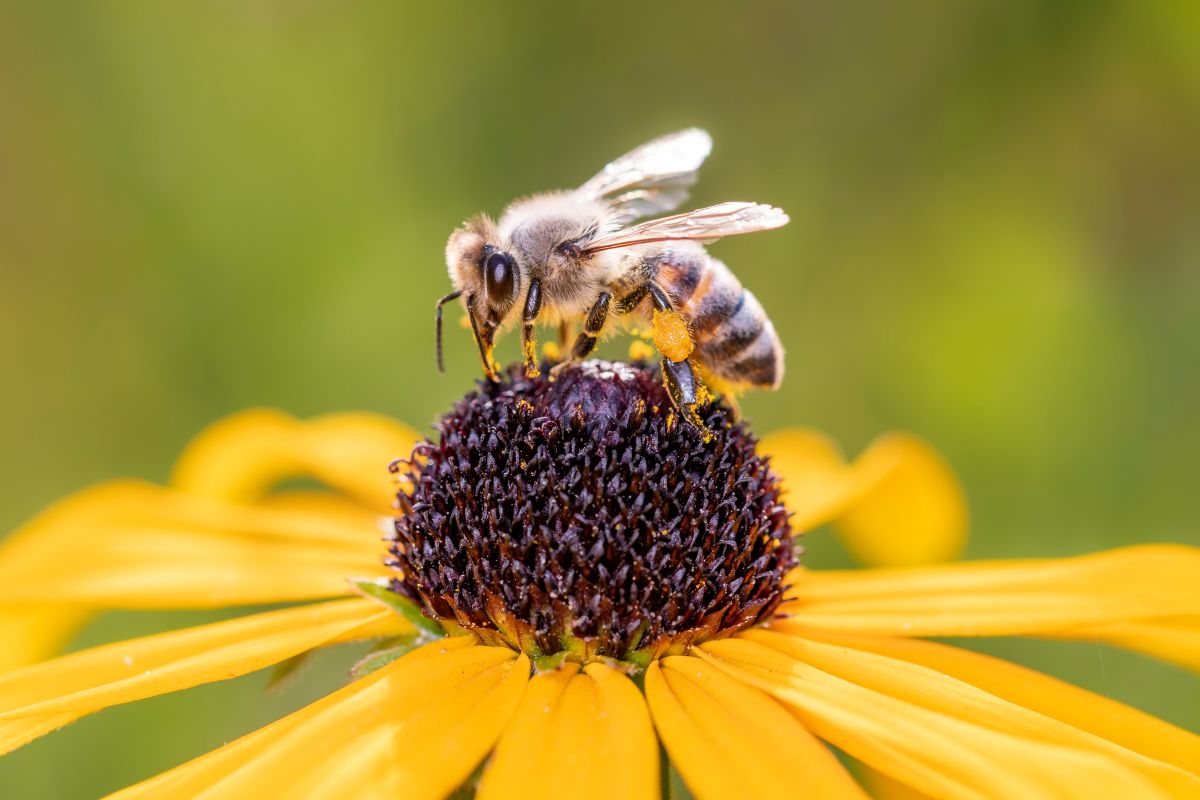
One of the first choices is between annual and perennial mixes. Annual mixes can deliver a faster visual impact and may be useful where a strong display is needed in a prominent position. They are generally simpler to establish, but they normally require re-sowing and careful management if the same effect is to be repeated.
Perennial mixes usually ask for more patience. They can take longer to show their full character, particularly in the first year, but they are often better aligned with longer-term habitat creation. They also tend to reward careful establishment because the aim is to build a more stable, resilient sward that changes with the seasons and develops over successive years. Many perennial wildflower mixtures are blended with grasses, often around 90:10 or 85:15 grass to wildflower. That balance helps create a naturalistic sward, but it also means needing to consider the role of companion grasses and the risk of grass dominance if the soil is too fertile or the cutting regime allows competition to build.
In practical terms, the choice of mix should always be tied to the aim of the area. A high-impact annual display beside a clubhouse approach serves a different purpose from a native perennial meadow designed to increase ecological value along a boundary, carry, bank or low-play rough.
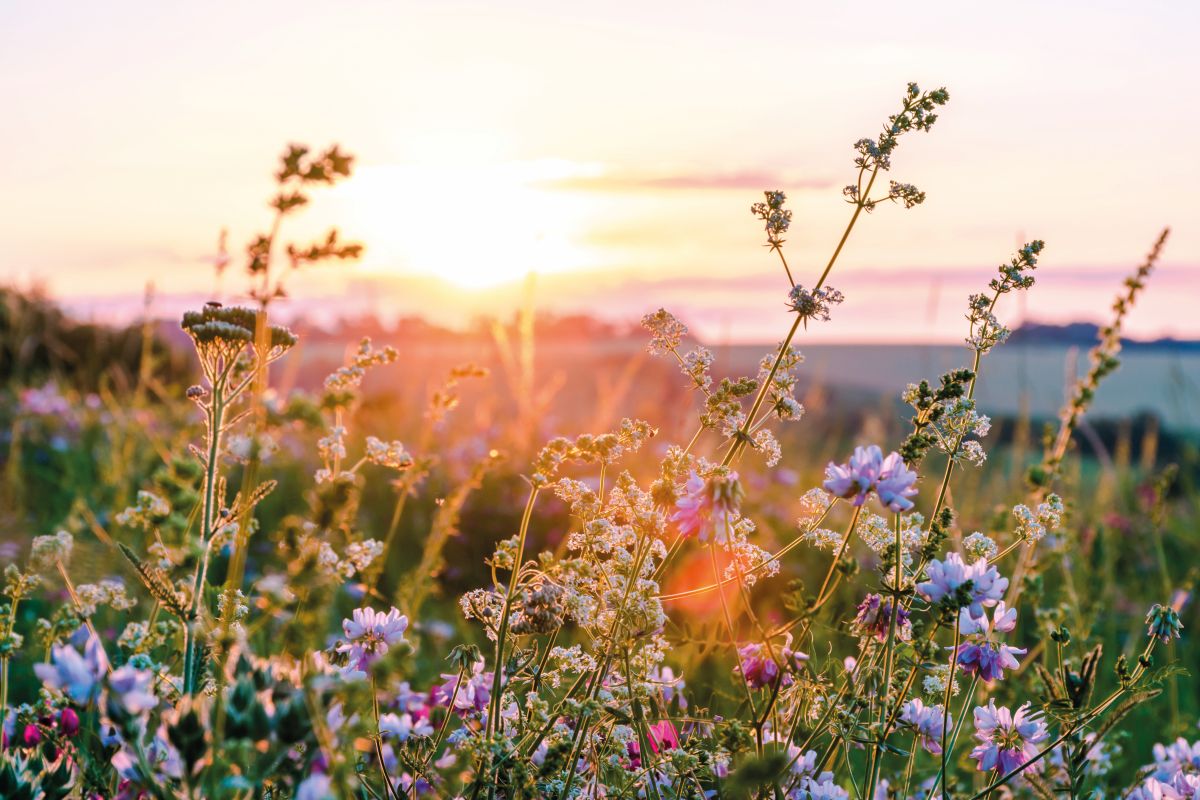
Species choice is only part of the equation. Greenkeeping teams also need to think carefully about where seed comes from, how fresh it is and whether the mix is suited to the ecological outcome being sought.
Seed provenance becomes especially important when aiming for species richness rather than a short-lived colour display. There needs to be a willingness to ask where seed has come from and whether it still carries the character of the wild populations it is intended to represent. “We’re really trying to get down to known-origin seed, so not seed imported from somewhere and multiplied and multiplied until it’s a garden variety,” said Klaas. “We’re really trying to keep that origin and keep it wild.”
Different species behave in different ways, and some will be more sensitive to freshness, storage, timing and establishment conditions than others. Yellow rattle was one example highlighted. Often used because of its relationship with grasses and its value in meadow establishment, it needs to be handled with particular care. “If you buy a mix and it has yellow rattle in it after January or February, and you haven’t sown it yet, you may as well not have bought yellow rattle at all,” said Klaas. “It needs to be fresh.”
The same principle applies more widely. Suppliers should be able to answer questions about the age, origin and make-up of seed, especially if a particular species has been included for a specific ecological reason. A bag may carry an impressive species list, but the value of that list depends on whether those species are viable, appropriate and capable of establishing on the intended site.
However carefully a mix is chosen, establishment can be compromised if the ground is not prepared well. One of the biggest practical points is weed pressure. Existing weeds, and the hidden seed bank already sitting in the soil, can quickly compete with young wildflower seedlings.
It is worth looking beyond what is visible on the surface. Once an area is opened up, further weed flushes can emerge, particularly where the soil has been disturbed. When time allows, encouraging one or two flushes of weeds and then controlling them before sowing can make a significant difference.
Nutrient levels are another important factor. Wildflowers generally benefit from lower fertility, while higher nutrient levels can encourage vigorous grass and weed growth. Where clippings or cut material are allowed to lie, nutrients are recycled back into the sward, increasing the risk that the area becomes dominated by coarser grasses and unwanted species.
Timing also matters. While spring sowing may feel natural because greenkeeping teams are beginning to think about colour and growth, autumn can be a stronger option for perennial mixes. Some wildflower species benefit from a cold spell to break dormancy, while early establishment can help young plants build strength before spring competition increases. “In my opinion, it’s better to do it already in autumn, especially with your perennials,” said Klaas. “There are so many wildflowers that need that cold spell to break dormancy.”
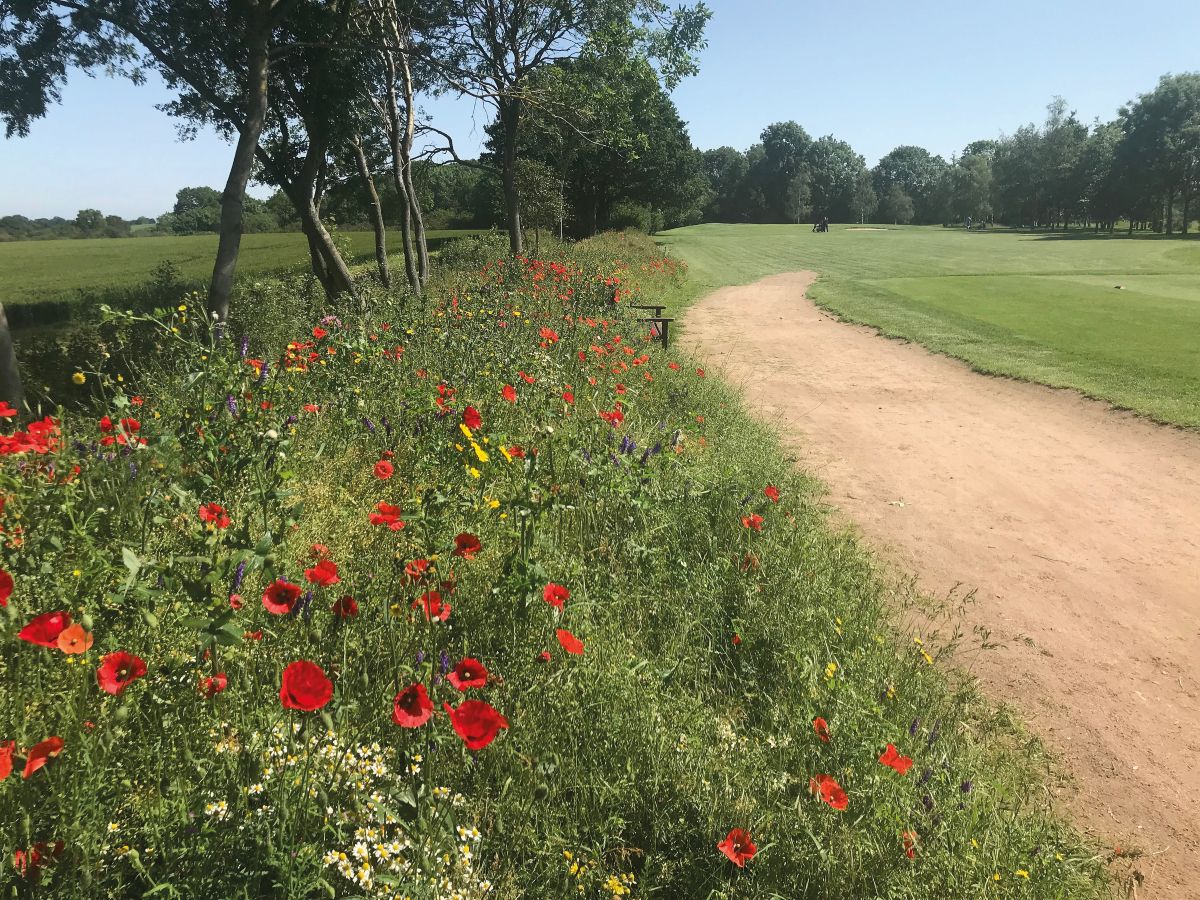
Once seed is sown, seed-to-soil contact is crucial. Wildflower seed can be very small, so even coverage and a firmed seedbed can help improve establishment. Adding a carrier material such as sand can help with distribution, while rolling after sowing can improve contact with the soil. Even with the right timing, distribution and seedbed preparation, establishment still asks for patience, particularly when members are expecting quick visual results. “The other thing is patience, patience, patience,” said Klaas. “Don’t come calling us after three weeks and say nothing’s come up yet.”
Best practice is valuable, but golf courses often present practical constraints. Ian’s case study from Celtic Manor showed how the ideal approach sometimes has to be adapted to fit presentation, member expectations and the specific character of a site. The project began with a site visit in August 2023, looking at several potential areas before narrowing the work down. One of the areas discussed was on the 14th hole of the Roman Road course, where the ground contained saplings, harsh grasses and scrub. The aim was to bring life into the area, improve the visual quality and create a better ecological feature.
In an ideal scenario, the existing vegetation might have been sprayed off and the area reset more completely. That was not suitable in this case because bare ground in a visible position was not an option. “We couldn’t have that,” said Ian. “We had to cut down the existing grasses right down to the soil, but we couldn’t spray everything off. So we had to interseed it. I know it’s not best practice, but you have to adjust accordingly.”
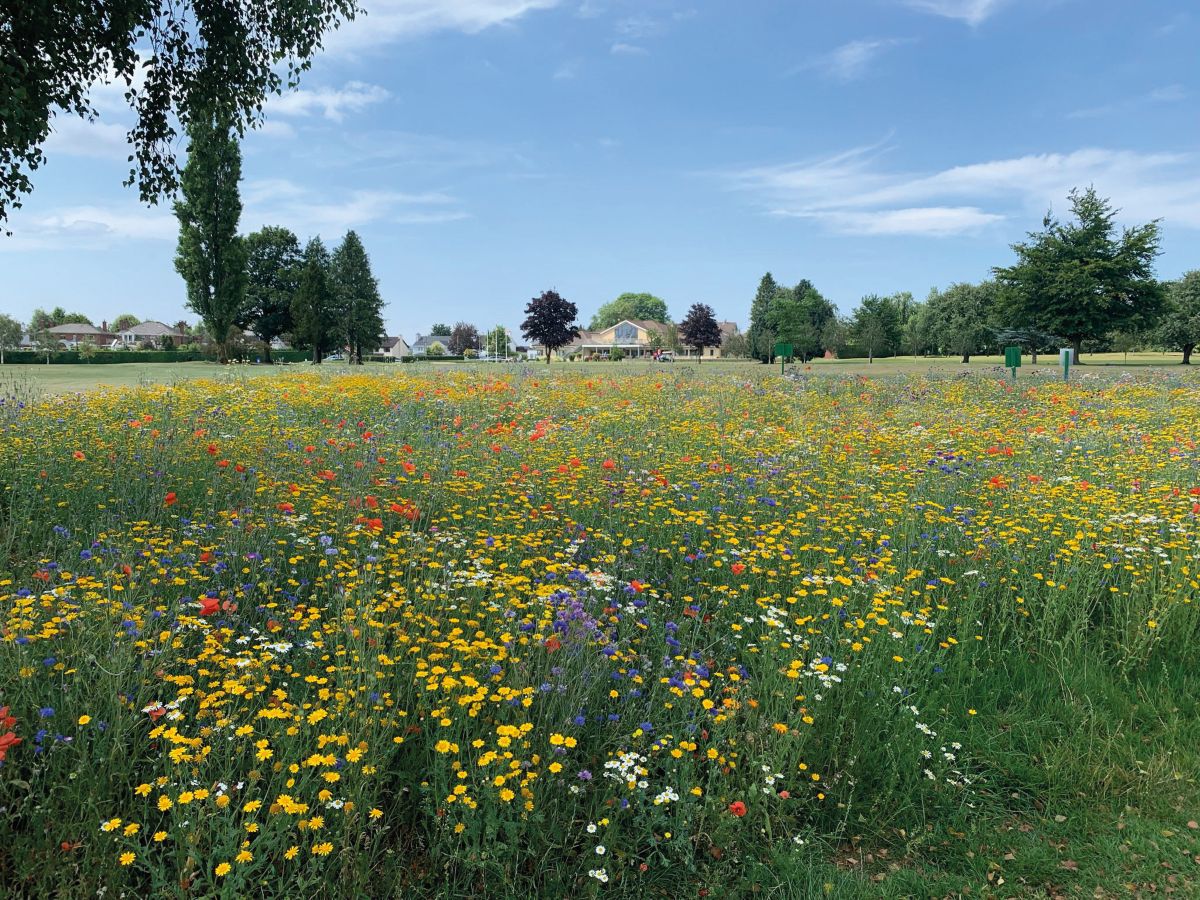
Ecological projects on golf courses have to sit within the realities of play, presentation and member communication. The best technical answer may need to be adapted because a highly visible bank, carry or rough line cannot be left looking raw for a prolonged period.
At Celtic Manor, the first autumn and winter brought another familiar challenge: weather. Heavy rainfall after sowing meant some overseeding was required, but by the following summer the area had developed strongly, with tufted vetch among the species providing a notable display. The case study also reinforced that year one should be treated as the start of the process. Wildflower areas develop over time, and what appears in the first season may only be a glimpse of what the area can become once the right maintenance pattern is in place.
Communication with members is often as important as the agronomy. A new wildflower area may look sparse during establishment, or appear uneven as different species emerge at different times. Without explanation, it may be judged as untidy or unsuccessful before it has had time to develop. “Membership are always the hard ones to please,” said Ian. “You’ve got to keep talking to them and telling them Rome wasn’t built in a day, nor were wildflowers.” Photographs and regular updates can help members understand why an area looks different from conventional maintained rough, and why cutting, collecting and patience are part of the programme. Those records can also help demonstrate the ecological value of the work, particularly when pollinators begin to appear and species diversity increases.
End-of-season maintenance is vital. Cutting and collecting removes material from the site, helps reduce nutrient build-up and prevents the area being smothered by coarse vegetation. Leaving arisings in place can allow unwanted grasses and weeds to regain dominance, undoing much of the establishment work. As Ian put it, the last thing a greenkeeping team wants is for the area to be overtaken again after the effort that has gone into creating it.
Ongoing maintenance also provides opportunities. If gaps appear, teams can consider overseeding or introducing plug plants. If certain species dominate, the cutting regime may need adjusting. If there is access to a successful established meadow elsewhere on site, there may be chances to move green hay or use that area as a source of local seed. Wildflower areas are at their strongest when they are treated as part of the course’s ecology rather than a one-off sowing job.
Recording what appears, adjusting the maintenance and explaining the changes to members gives the greenkeeping team a clearer view of how the sward is developing, while also setting expectations for a feature that will keep changing.
“Enjoy what you produce, because it changes each year,” said Ian. “What you’ll see in year one will be different to year two.”
Annual or perennial?
Annual mixes
Annual mixes can provide a quicker display and strong visual impact, especially where colour is the main aim. They generally need re-sowing and careful timing if clubs want to repeat the effect across future seasons.
Perennial mixes
Perennial mixes take longer to show their full value, but they can support longer-term ecological goals. They require careful establishment, patience in the early stages and a maintenance programme built around cutting and collecting.
Before choosing a mix
Ask what the area is expected to achieve before deciding which species to sow. A mix intended primarily for colour will lead to different choices from one designed for long-term habitat value. Key considerations include soil type, shade, moisture, fertility, visibility, maintenance access and budget. The percentage of wildflower seed in the mix should also be understood, along with the balance of annuals, perennials, native species, non-native species and companion grasses. Questions about provenance and freshness are worth asking early. Where has the seed come from? How old is it? Is the mix designed for the site, or simply available off the shelf?
Establishment checklist
- Choose a mix that suits the site and the aim of the area
- Assess weeds before disturbing the ground
- Allow time for weed flushes where the programme permits
- Reduce competition from coarse grasses and aggressive weeds
- Consider autumn sowing for perennial mixes
- Use fresh seed, especially where sensitive species are included
- Create good seed-to-soil contact after sowing
- Cut and collect during establishment to reduce competition and remove nutrients
About the speakers

Klaas Broersma
Klaas Broersma has been involved in turf breeding for more than 15 years and leads wildflower seed production in the UK for DLF. His work includes native wildflower production, seed provenance and the practical challenges of growing, harvesting, cleaning and storing a wide range of species.

Ian Barnett
Ian Barnett is Regional Technical Sales Manager at DLF, working with golf clubs and turf managers across the south west on practical seed and establishment projects. Drawing on more than 30 years’ industry experience, including a decade in greenkeeping, he advises on mixture selection, site preparation and long term sward management.