
The road to recovery: the impact of a record-breaking summer
Graeme Roberts faced a decision this summer that many greenkeepers across the country will be able to identify with – when to leave the fairways to fend for themselves.
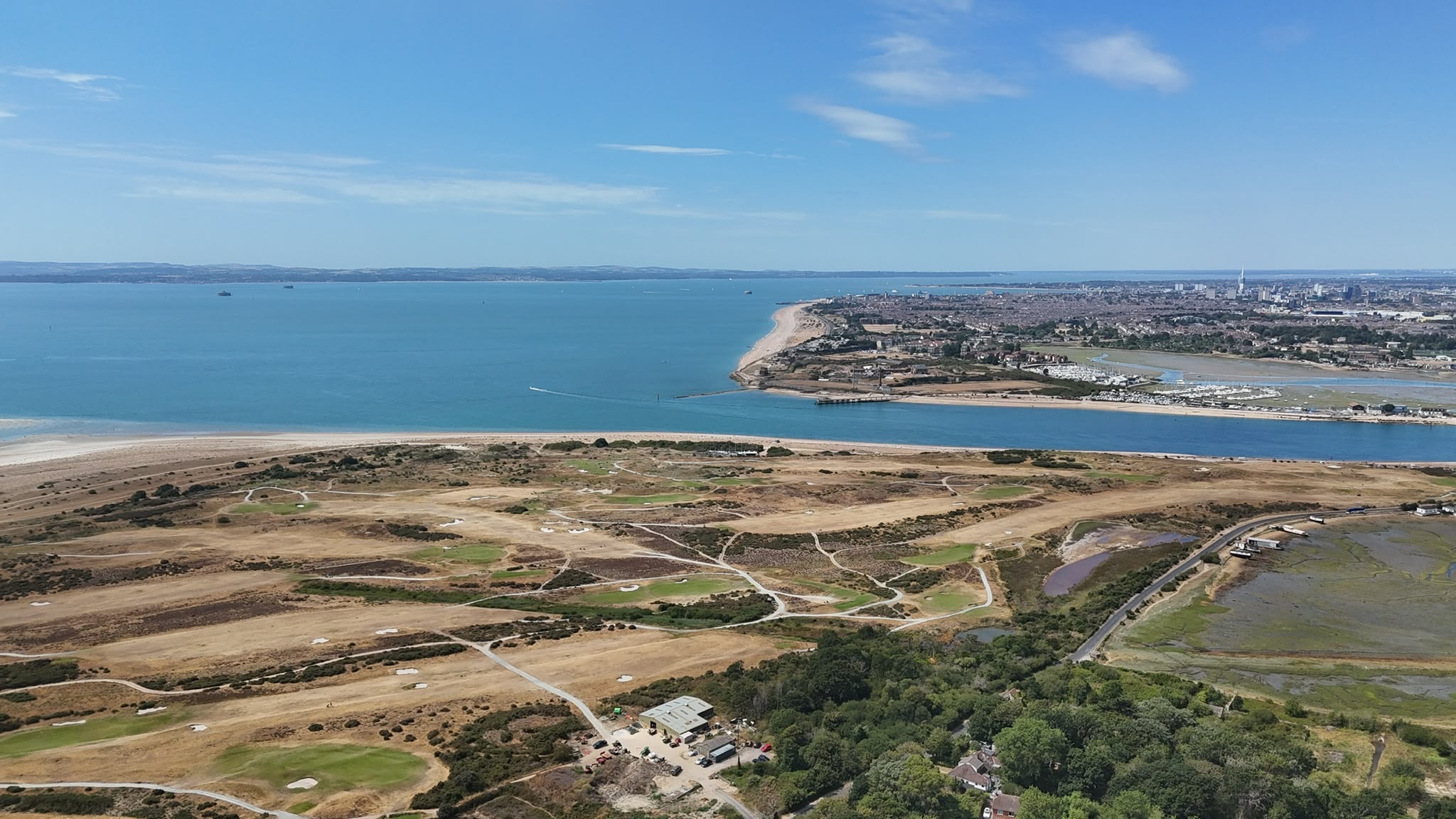
Prolonged heat, scarce rainfall and water losses that irrigation could not replace forced Hayling's course manager to pick his battles. Keeping greens, tees and approaches alive meant accepting that the fairways would suffer, while planning how to restore them when conditions allowed.
Graeme, who has been at Hayling on the Hampshire coast since November 2021, was experiencing pressures familiar to his brother Scott at Hindhead, an inland heathland course in Surrey.
Their courses – a little over 30 miles apart – presented different challenges, but both faced the uncertainty of rationing water without knowing when meaningful rain would arrive.
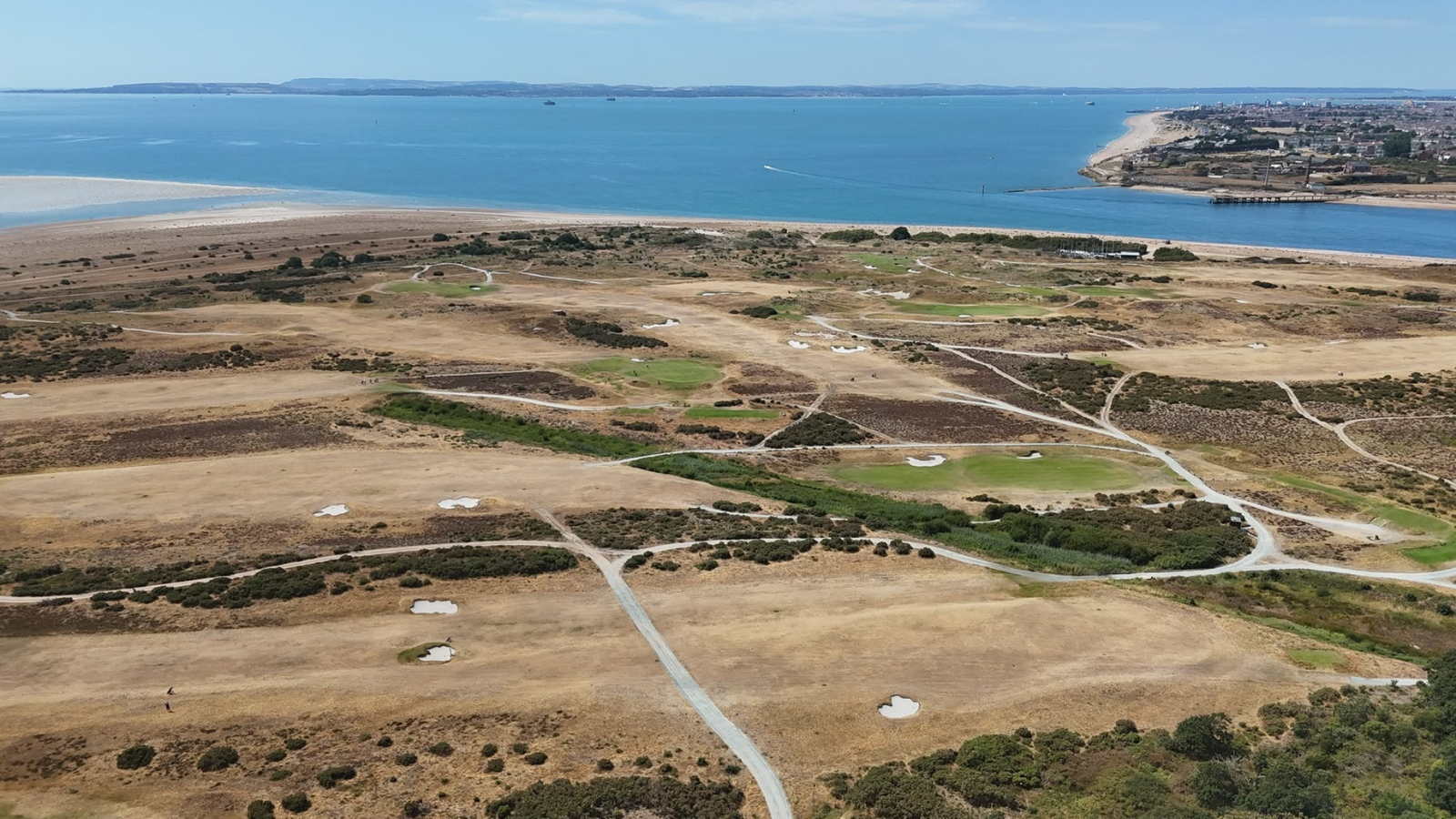
Hayling
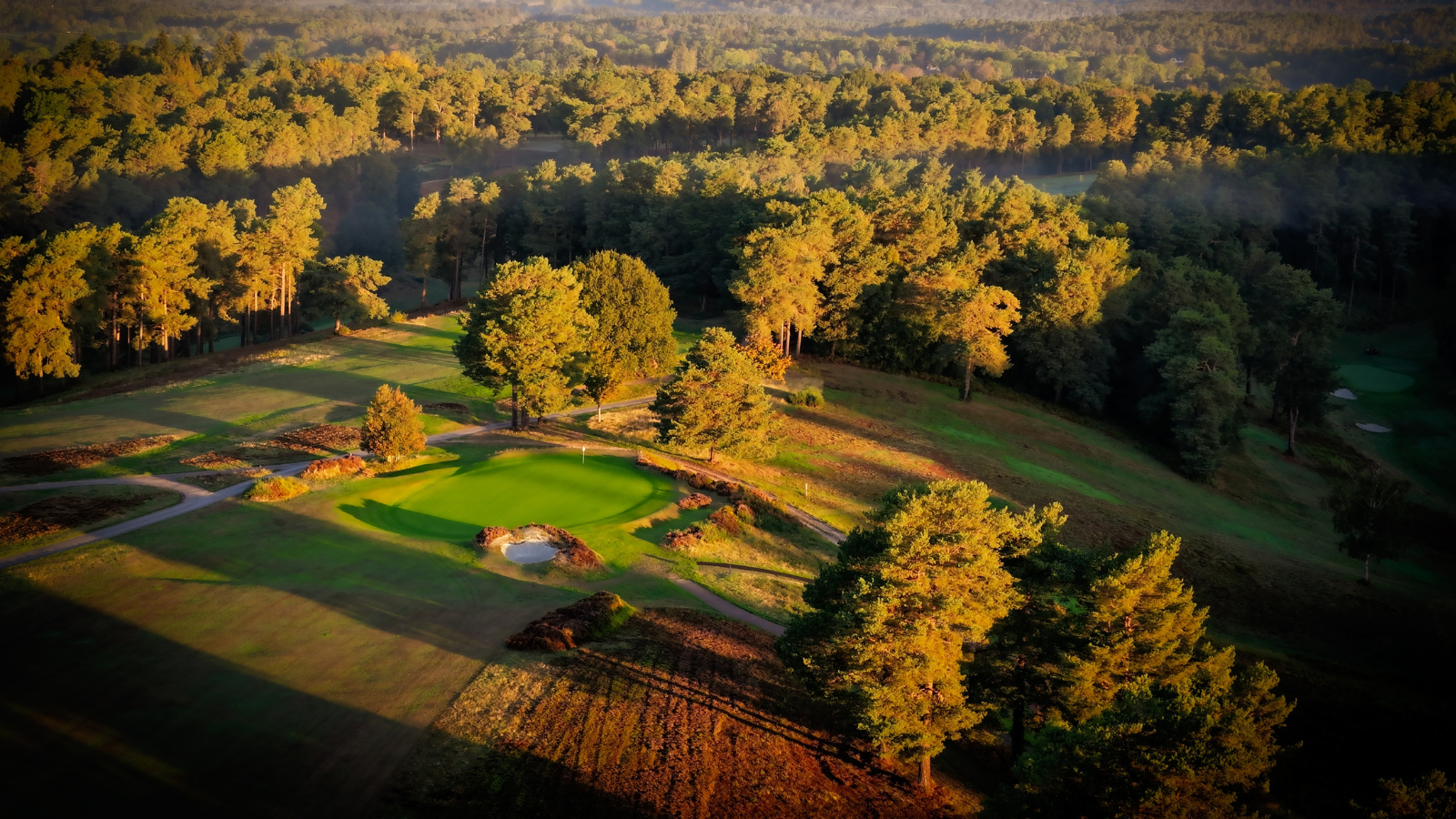
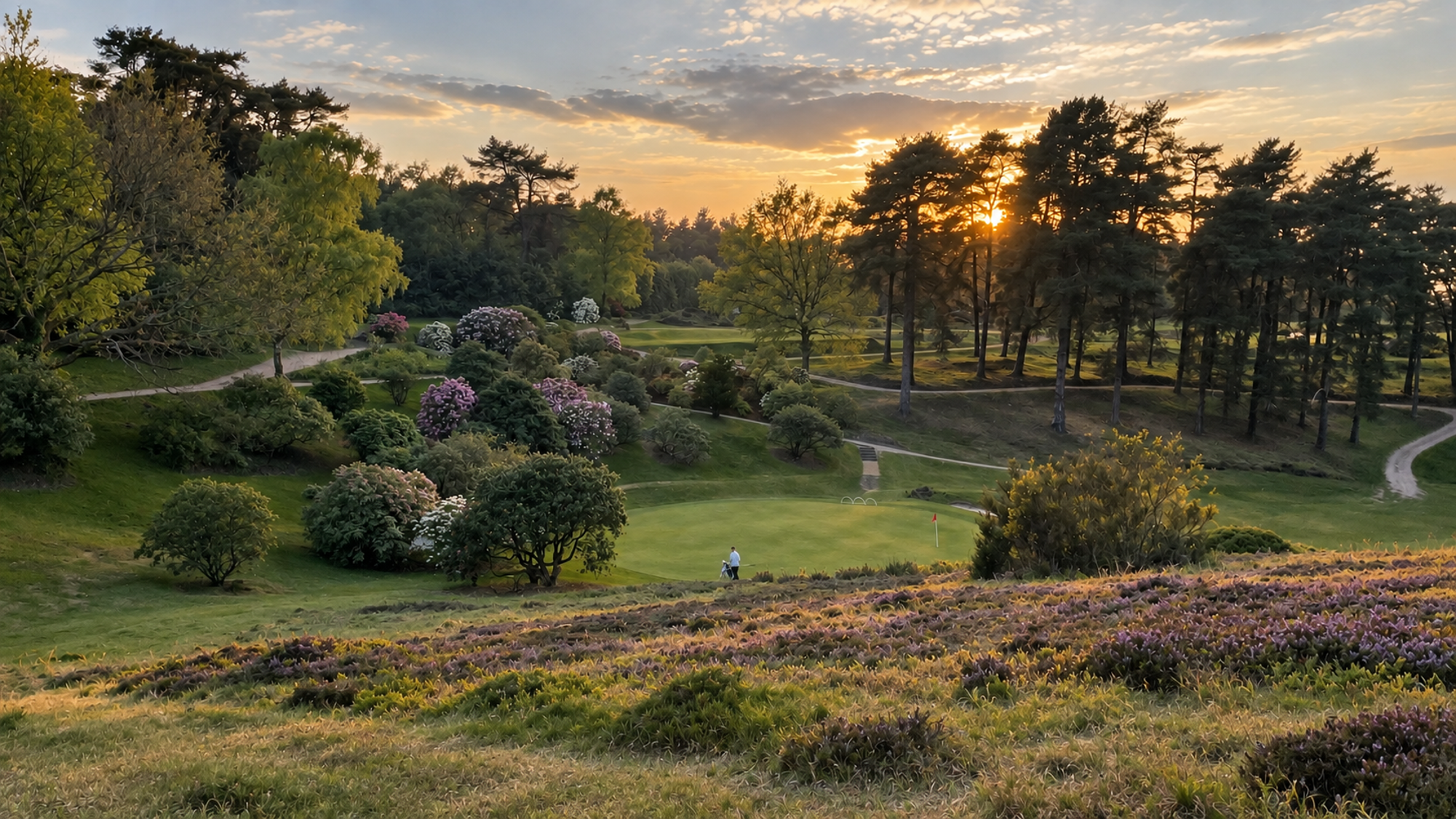
Hindhead
At Hayling, a links course accustomed to drying out, the summer intensified an existing issue: limited water resources serving turf that loses moisture quickly.
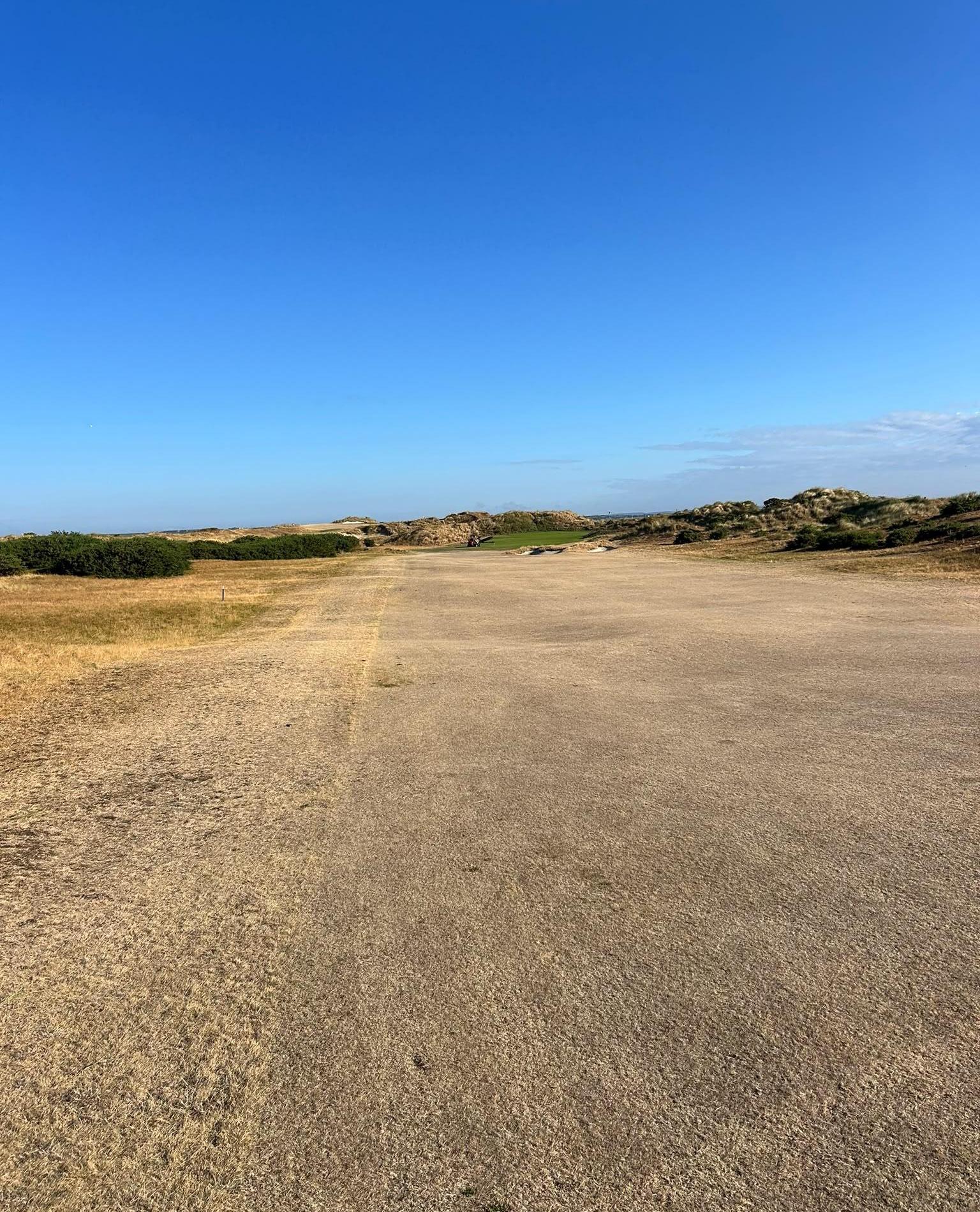
"Based on the amount of evapotranspiration we were having versus what water we had available, we weren't even coming remotely close to covering that deficit," Graeme said. "We were basically putting a token amount of water on our fairways. Our greens, tees and approaches got water as needed."
A wetting agent programme across the playing surfaces, moisture monitoring on greens and approaches, and targeted hand watering helped the team make the most of its supply. Monitoring the lake became an increasingly frequent and anxious task as the summer progressed.
"We monitor the levels weekly, and then when it's peak summer we're looking probably two or three times a week to see how much that level's dropping. Essentially, we can take 20,900 cubic metres out of it, or until our measuring board goes to zero. It's whichever of those two we hit first."
The lake's large, shallow form complicated those decisions. In July, Graeme recorded average daily evapotranspiration exceeding 5mm, with estimated losses from the lake of around 300m³ a day, equivalent to two irrigation tanks.
"Do you use it all quickly and hope that the weather's going to break, or do you try and preserve it throughout the whole summer? The risk is obviously that you're losing an extreme amount to evaporation as well, and you could end up short regardless."
Mechanical problems added to the pressure. A power cut in June, followed by damage to the lake transfer pump and an irrigation pump, left the team relying on mains water for five days around the club championship.
A spare transfer pump restored access to the lake, but the irrigation pump remained out of action for the summer, leaving the system operating at approximately half its output.
"It forced us to ration our water further because we couldn't physically get more water out on the course," Graeme said. "It stopped us trying anything knee-jerk, because you could panic and put more water out and risk running out sooner."
By August, with no clear break in the weather, fairway irrigation stopped to preserve supplies for priority surfaces. Mains water offered a fallback, although its daily availability was considerably below the course's requirements.
"We were basically looking to get moisture in when we could, so that if we eventually got some respectable rain, we'd get that bounce back."
Managing the pressure
Hayling's members were familiar with browned-off fairways, and the club supported the team. Those advantages helped, but they could not remove the strain of watching turf deteriorate. Graeme described the previous difficult summer as preparation for this one. Choosing how to use the remaining water still carried a heavy responsibility.
"In some ways it could be seen as a gamble because you just don't know what's going to happen next week, month, two months. So it took its toll. We take a lot of pride in what we do. We want to provide the best surfaces and course we can for anyone that plays it, and it is hard to stand there and look at everything seriously deteriorate and suffer."
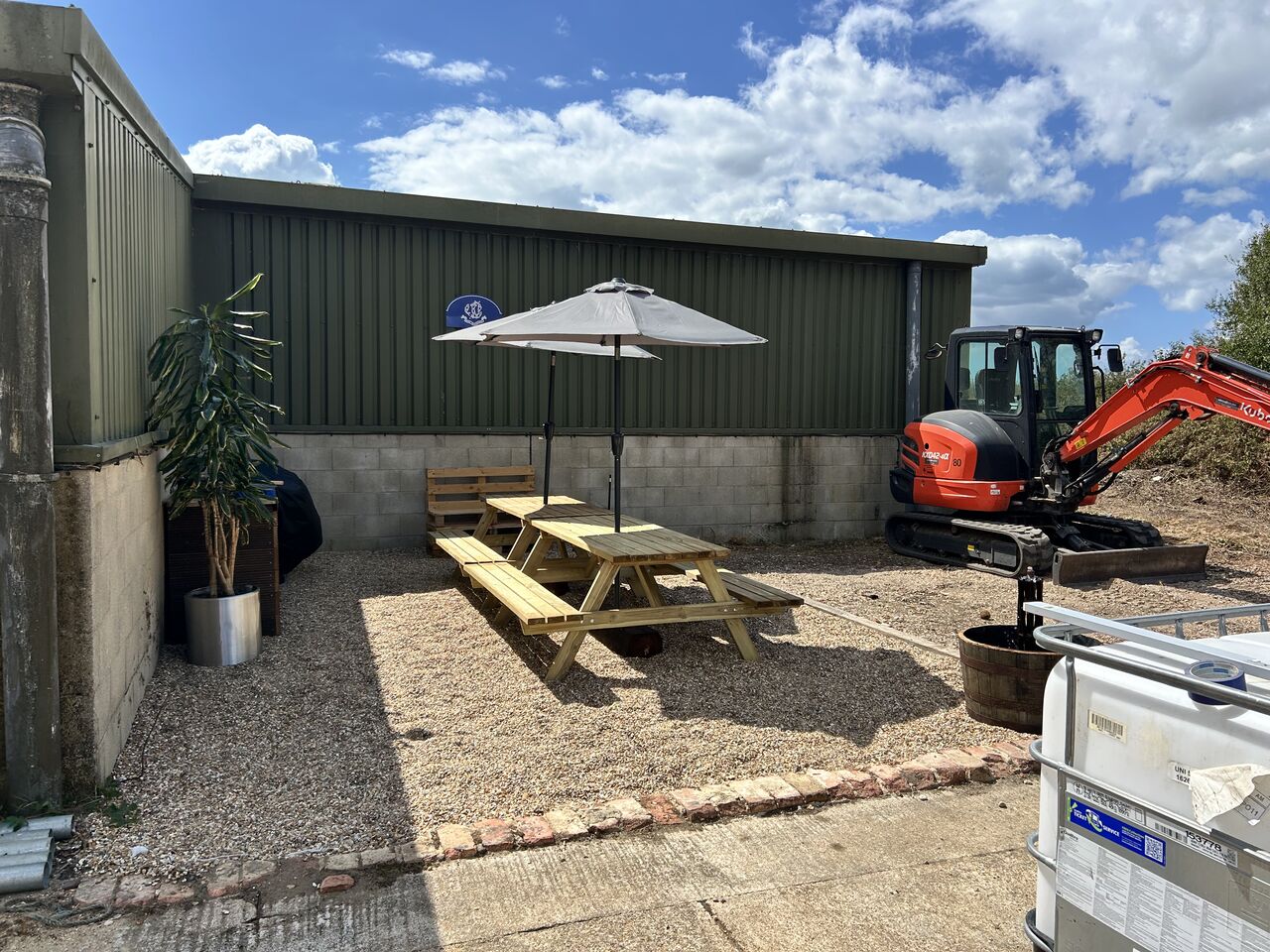
During a brief easing of temperatures, Graeme gave his team a week-long project improving their own working environment and welfare space. Busy playing schedules already restricted what could be achieved on the course later in the day.
"It was a good distraction for a week. The guys enjoyed doing it. We had a bit of a laugh with the ideas and what we could do with it, and I felt like it brought everyone together."
During September's maintenance week, the improved space provided somewhere to share a barbecue and reflect on the work.
"I think that helped as well because it just felt like it was never-ending at one point out there."
Preparing for recovery
Planning for recovery was well under way by June. Fairway overseeding was already budgeted for, while monthly wetting agent applications were intended to help rainfall reach the areas that needed it when conditions changed. Alongside replacing lost coverage, Graeme wanted to improve the growing environment. Limited topsoil on the fairways restricts their ability to retain moisture and sustain root growth.
Working with the club's agronomic consultant, he developed a programme of overseeding and topdressing with a heavier blend. September's dry conditions forced the dressing work to be postponed, with a revised programme implemented for October. Trial fairways dressed in November 2025 had offered encouragement.
"We've noticed the recovery on those is a fair amount better," Graeme said. "We're not saying that one dressing was enough, but just that one dressing has helped a little bit. Even if it's not going to necessarily keep us green for longer, it means that we'll be recovering better and faster, which helps us maintain the surfaces for future seasons."
Water exploration is another longer-term undertaking. Twelve test boreholes and work with a hydrogeologist form part of a project running for three years, and any abstraction would require Environment Agency approval. Improvements to the existing irrigation system are also being considered ahead of eventual replacement of the 26-year-old installation.
Member understanding remains essential, including support for winter fairway mats to protect recovering turf.
"We've got to be looking at everything from species selection, irrigation, water resources, member expectation as well," Graeme said. "There's not necessarily quick fixes to these challenges, and it takes everyone to be on board."
Building a more resilient fairway profile
Graeme's October recovery programme combined fescue overseeding with topdressing intended to improve the fairways' moisture retention and rooting environment. Cultivar selection included hard and sheep's fescues for drought and heat tolerance, with a small proportion of ultrafine ryegrass to provide quicker establishment while retaining a predominantly fescue sward.
"We're conscious of the fact that once we start seeding, we need to be getting the dressing out before the seed starts to emerge. Otherwise, we're at risk of damaging it," Graeme said.
Trials used a 60:40 topdressing blend. The intention is to repeat dressing each autumn, building the profile gradually rather than expecting a single application to solve the problem. Winter fairway mats support the programme by reducing damage while recovery continues.
A demanding first year at Hindhead

Scott Roberts had little time to settle into his new role at Hindhead before an exceptionally wet spell gave way to a cold, dry spring, followed by a summer that included 69 consecutive days without recorded rainfall.
Having joined in December 2025, Graeme's brother was getting to know the course through conditions far removed from an average year. Its dramatic changes in elevation added another complication: the first fairway sits 30 metres above the second, with sheltered valleys and higher, exposed ground presenting very different demands.
"We've got almost two different courses we're trying to manage because you've got the low, shady areas that get quite wet in the winter, and then we've got the higher, open ones which can get very dry, very quickly," Scott said. "We started the year off with exceptional rain, going straight into a cold, dry spring, so we got little growth or recovery from the winter, and then it went on from there."
While the dry weather was bad for the turf, it was great for golfers, who turned out in record numbers during July and August, adding to the wear on the course.
Relying primarily on a borehole supplying an annual allowance of 24,000m³, usable between March and October, Scott made the call to stop fairway irrigation in mid-July to protect supplies for the remaining summer.
"You need a crystal ball. Is it going to rain in a month? Can I keep watering now and rely on that weather to come? It feels like a guessing game."
Reliability was another concern. The irrigation system is 25 years old, with replacement estimated at £1.5 million.
"You go to bed every night, and I'm not even sure if the irrigation is going to do what I need it to do," Scott said. "With the greens, when you're maintaining grass at just three millimetres, one or two days without water starts taking a huge detrimental effect."
Significant turf loss on higher fairways compounded earlier leatherjacket damage. Recovery work began in September, with scarifying, feeding and reseeding. Winter protection includes mats on fairway landing areas and par-3 tees, alongside encouraging reduced trolley use. Regular member course walks have helped explain those decisions.
"There is no agenda. We talk openly about what they like, and don't like, what their ideas are, what my ideas are, and we just educate them on what goes on behind the scenes. They want to know what's going on. They care about it."
Hindhead's valleys carry substantial winter runoff, offering a potential harvesting opportunity. Scott is optimistic about improving infrastructure, while recognising that comparisons with other clubs often overlook differences in water supply.
"Every golf club is different, whether it's a borehole, reservoir or mains. It's very hard to compare them to one another, which is something that members will do. Within what we can do, I'm confident over the next few years we can put in infrastructure which is going to secure the sustainability of the club."
Author
