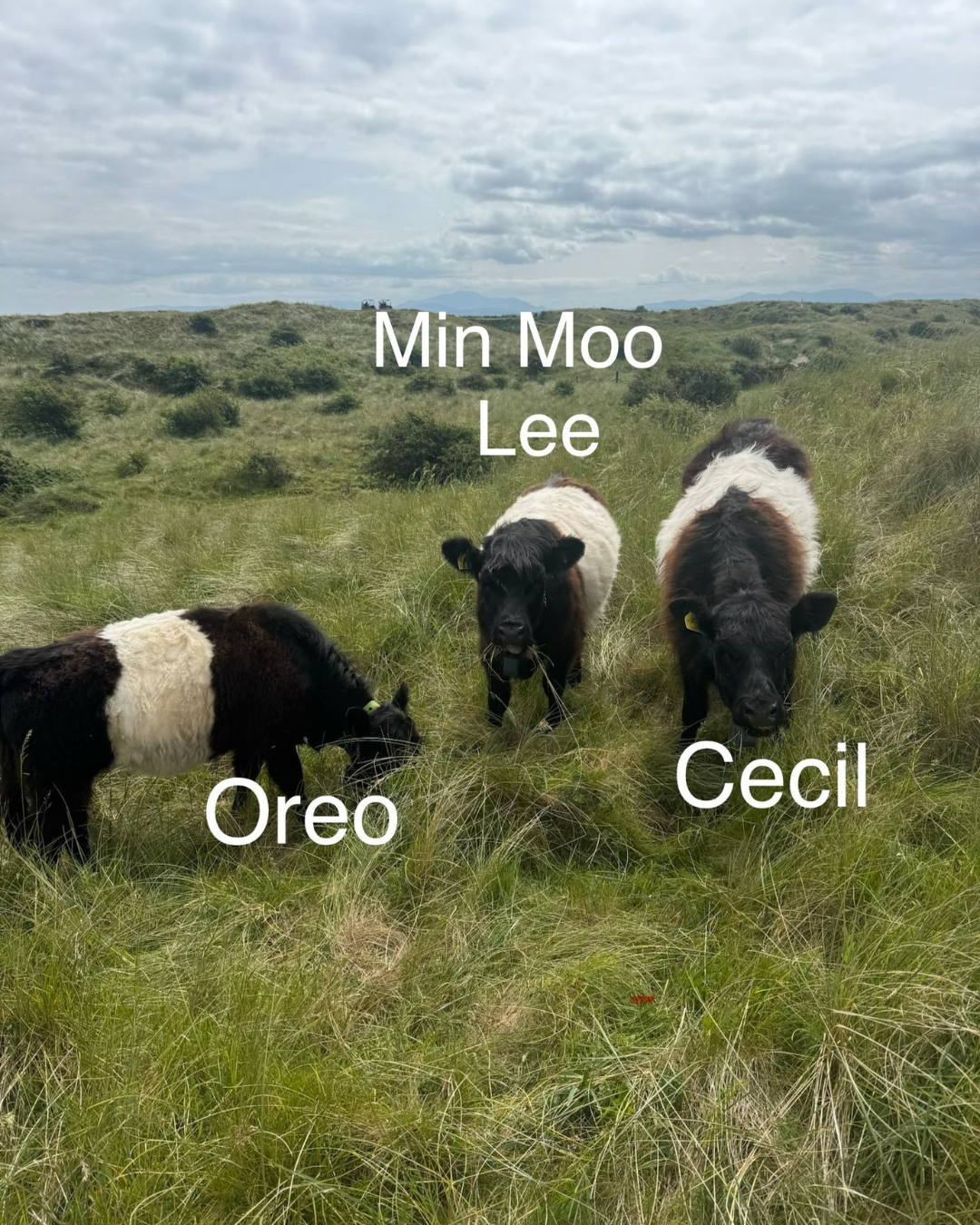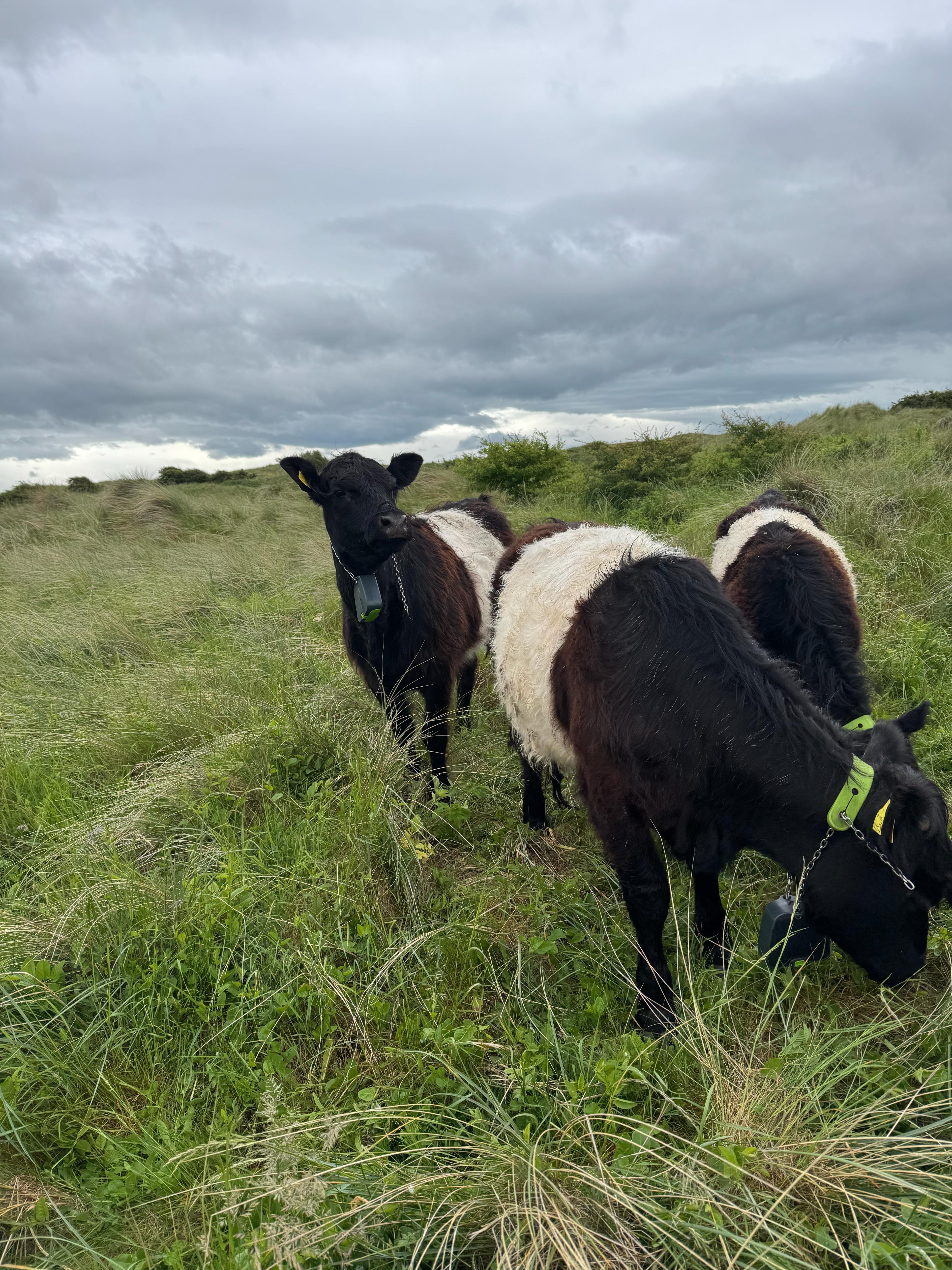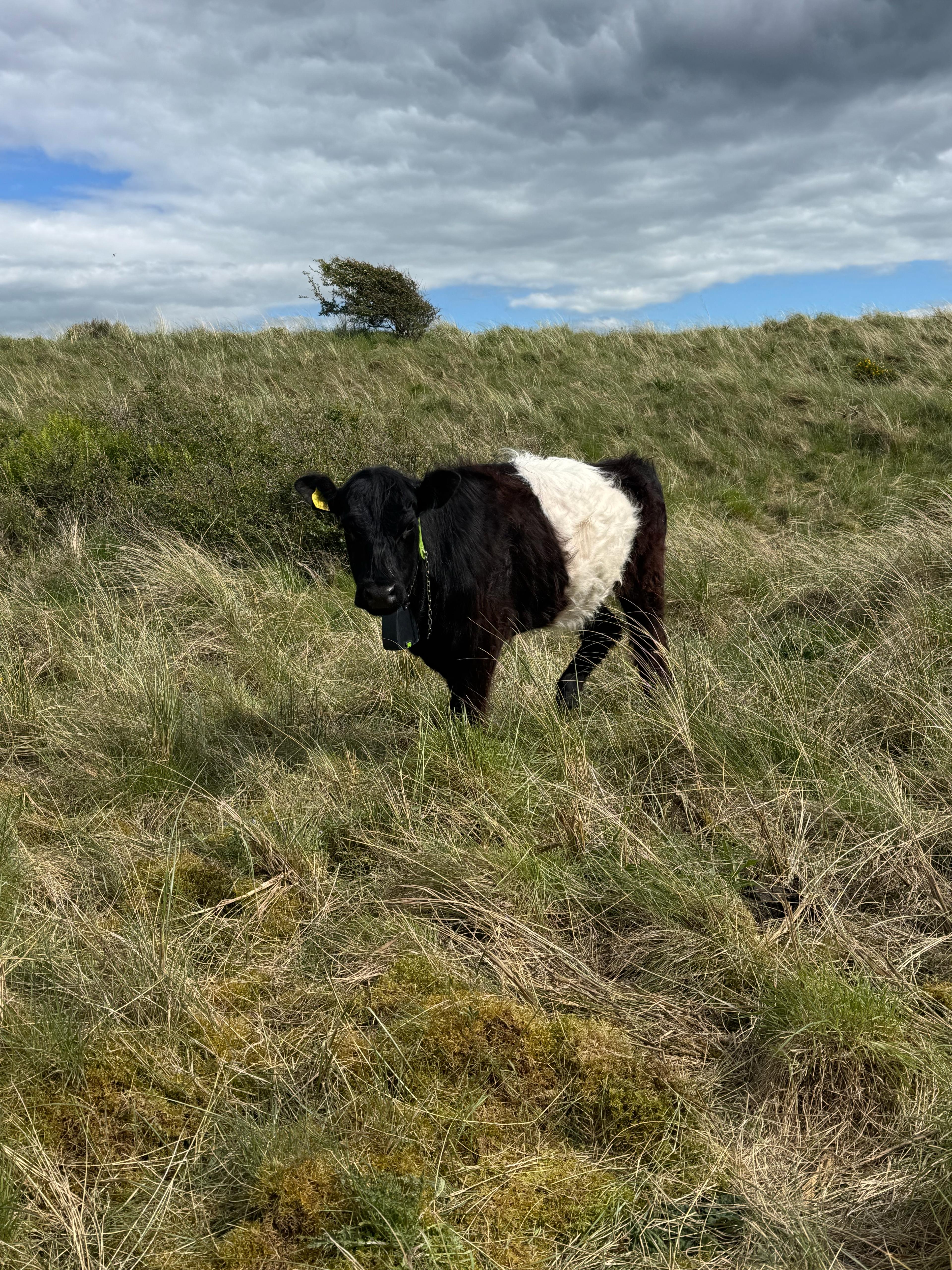
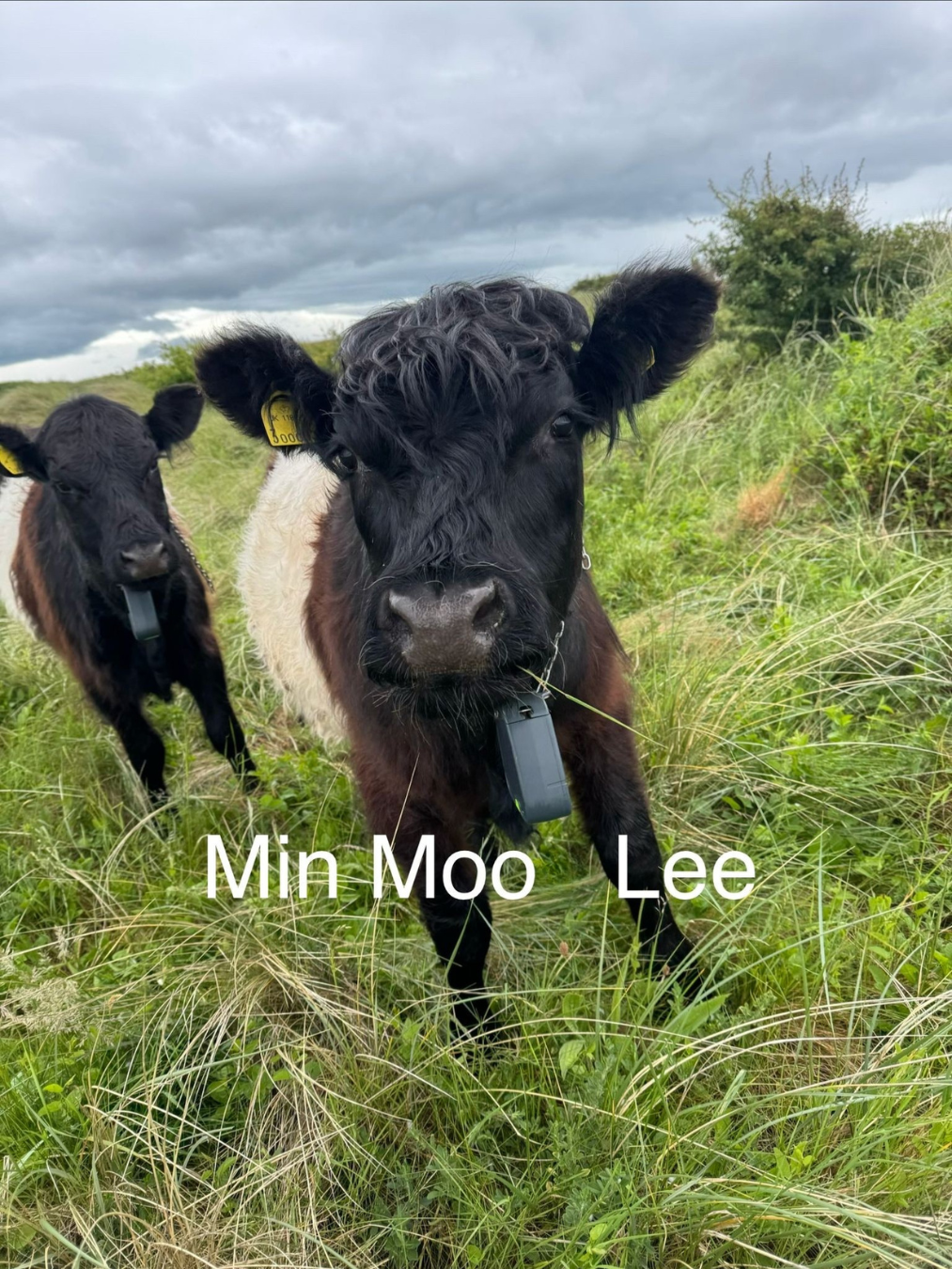
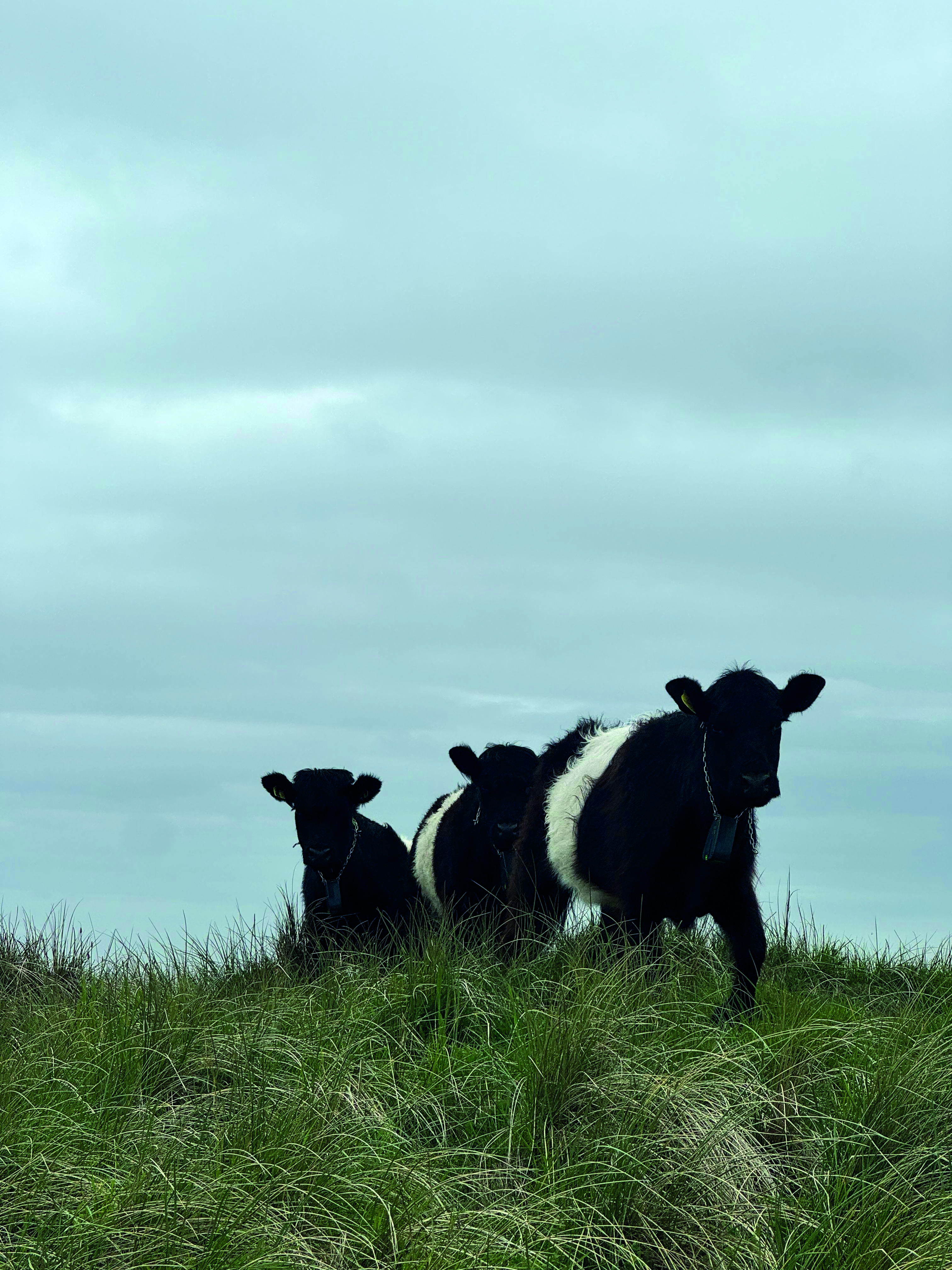
Silloth on Solway has introduced three Belted Galloway cattle to its dune system as part of a carefully managed conservation grazing project.
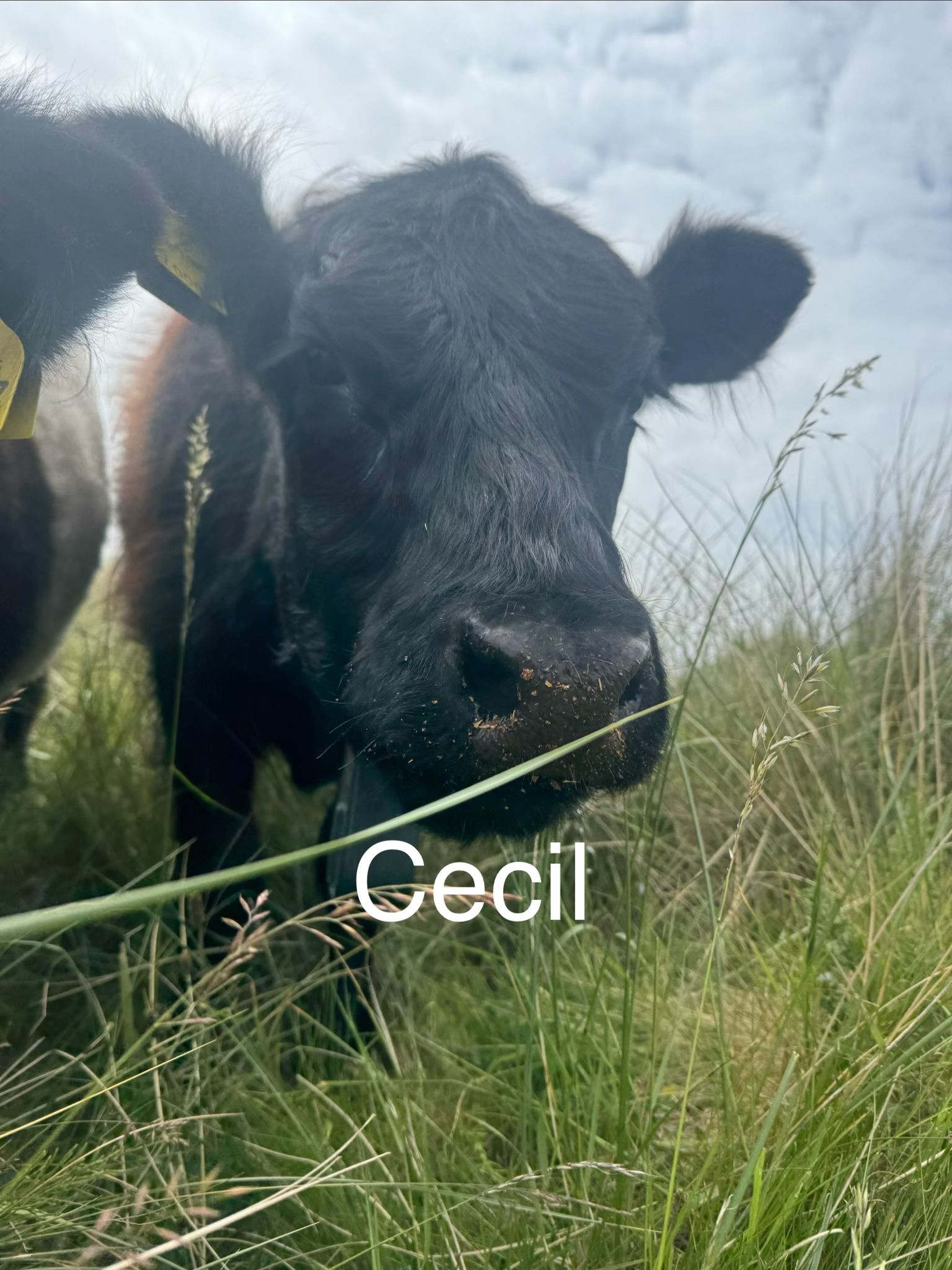
Oreo, Cecil and Min Moo Lee are grazing land between the golf course and the coast on the SSSI (Site of Specific Scientific Interest) site, helping the team restore habitat, support rare wildlife and explore whether grazing could eventually be used in out-of-play areas on the course itself.
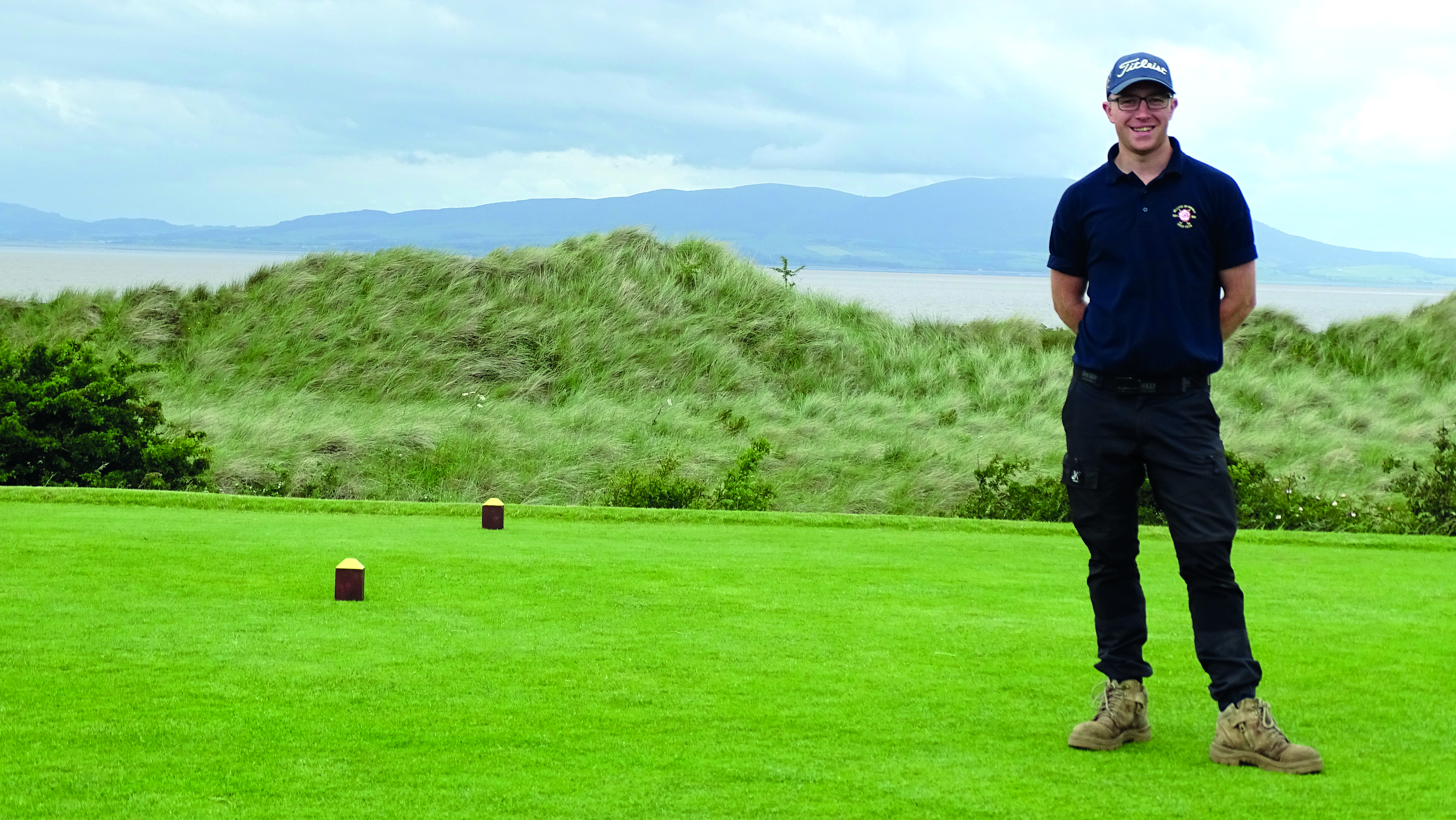
For Environmental Sustainability Manager Matthew Grainger, the project brings together the strands of his working life. Before becoming a greenkeeper, Matthew studied countryside management at Newton Rigg College and initially considered a career in gamekeeping. His route eventually led to golf, where his knowledge of conservation has become central to the work being carried out across one of the most ecologically important sites in the country. Silloth has earned a reputation for combining first-class course presentation with careful ecological management.
Ecologist James Hutchinson previously described the course as one of his favourite sites, where scenery, maintenance, flora, fauna and ecology all come together. Matthew has become a key figure in that work, with his role increasingly shaped by the environmental value of the land surrounding the playing surfaces. The arrival of cattle takes that work in a new direction.
"Around 65 per cent of the site is considered 'out of play'," Matthew explained. "That leaves a huge area that's purely managed on a conservation and ecology basis, and we can't do that on manpower alone. Working with Jess Jones (protected sites advisor) of Natural England and the legendary golf course ecologist Bob Taylor, we have introduced grazing onto the golf course to improve the flora and fauna of the dune system."
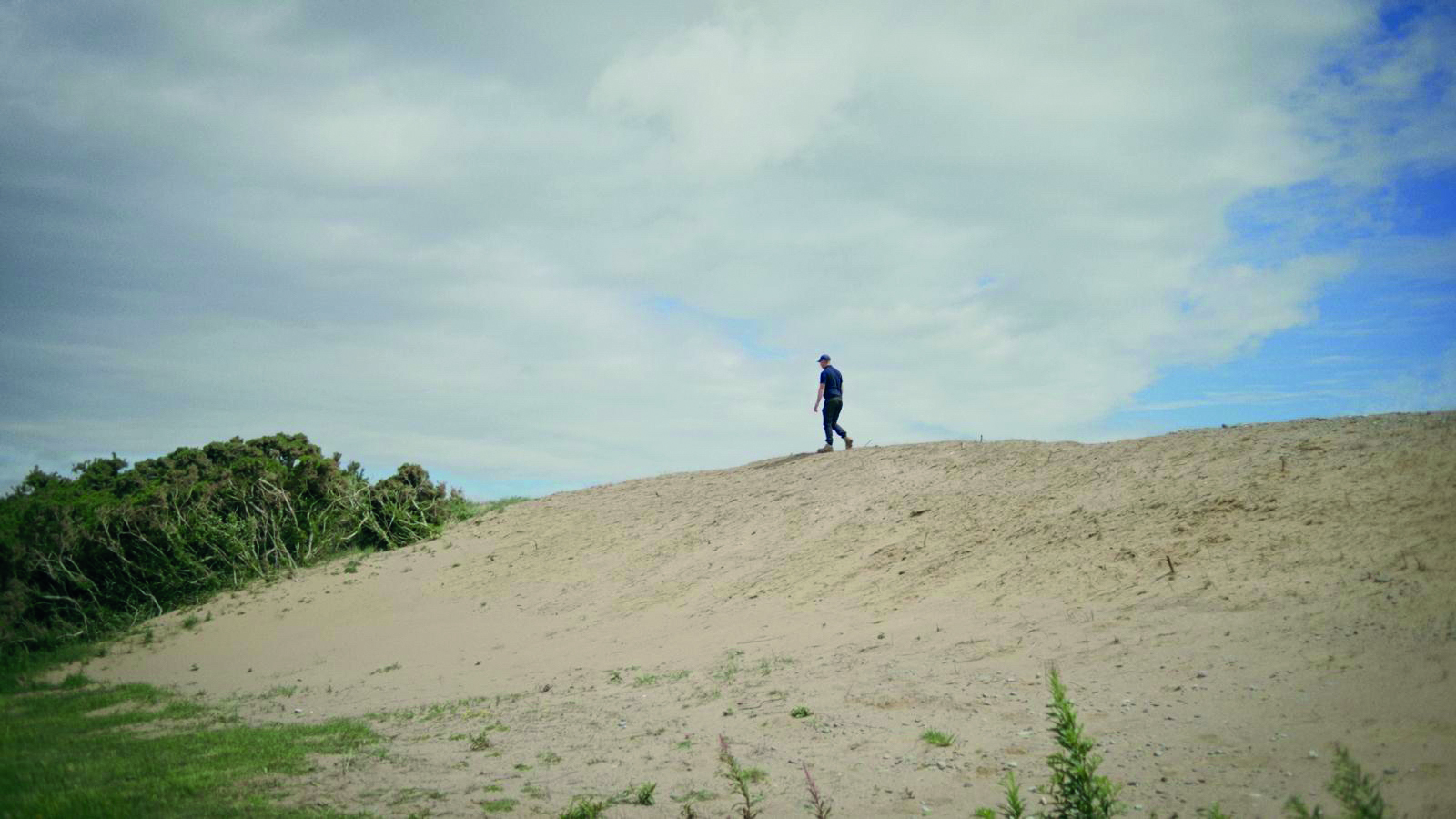
The cattle eat coarse vegetation and their movement through the dunes helps disturb the surface, creating small areas of bare sand. On a protected dune system, that disturbance can be beneficial. Those pockets are central to what Silloth is trying to achieve. As part of its SSSI management, the club has ecological targets linked to open sand and gorse cover. Matthew explained that the two main aims are to increase open sand to 15 per cent and reduce gorse to 15 per cent.
While some coastal courses are battling to hold back the sea, Silloth's dune system presents a different management challenge. Left unchecked, natural succession can rapidly alter the balance of habitat that is so important to protect. "Left alone, it becomes more and more fixed," Matthew said. "A fixed dune system isn't very diverse."
The site supports natterjack toads, one of the rare and protected species around which Silloth's ecological work is focused. "The open sand is where they do the hunting," Matthew said. "They need quite a thin sward of grass to be able to get through it and move about. They also breed in what you call dune slacks, which is essentially a shallow pond with water levels going up and down with the water table and the water at risk of drying out."The cattle are expected to help create the right conditions before further habitat work follows. "The trampling will help open the sand up, the grazing will help thin the sward out, and then over time, once we've got that dune system looking really good, we can put in some more slacks for them to breed," Matthew said. "The aim really is to get the natterjack toad heavily breeding on site, like we saw in the late 70s and early 80s."
Belted Galloways were chosen because the grazing animals needed to be a native breed and because cattle were better suited than sheep to the structure of the vegetation. "The reason that we went for cattle over sheep was the marram grass and the length of it," Matthew said. "Sheep won't be able to eat it, won't be able to get their face down to the bottom to eat it from the bottom, so that's why we went with cattle."
Finding the right animals also meant finding the right person to manage them. Matthew said the club needed someone with a proper understanding of conservation grazing and cattle welfare. "You're really looking for somebody that is a grazier that focuses on conservation grazing," he said. "You’ve also got to have someone full time that has to be looking after the cows, essentially, who knows a lot more about cows than your typical greenkeeper."
The solution came from another nearby golf course. While visiting Silecroft Golf Club, Matthew spoke to the greenkeeper there and discovered he also works in conservation grazing away from the course. Silecroft operates on a much smaller scale, with limited manpower and resources, and the two clubs have found a practical way to support one another.
"The deal we've managed to make was that we would share some equipment with him when he needs it, and he would provide the grazing for the dune," Matthew said. "That's what greenkeeping is about, isn't it? Scratching each other's backs. Turns out that we found a really good way of scratching each other's backs."
Introducing cattle to a golf course required careful handling with members and the committee. Natural England had been keen on grazing for some time, but the club had to address understandable concerns about the risk of cattle straying into playing areas. "It's something that's been in the conversations a longtime," Matthew said. "Natural England have been really, really keen for it for a long time, but obviously the pushback has come from the membership and the committee, because if a cow gets out and gets across your course, it's disastrous, and if we've put it there it's not a good look."
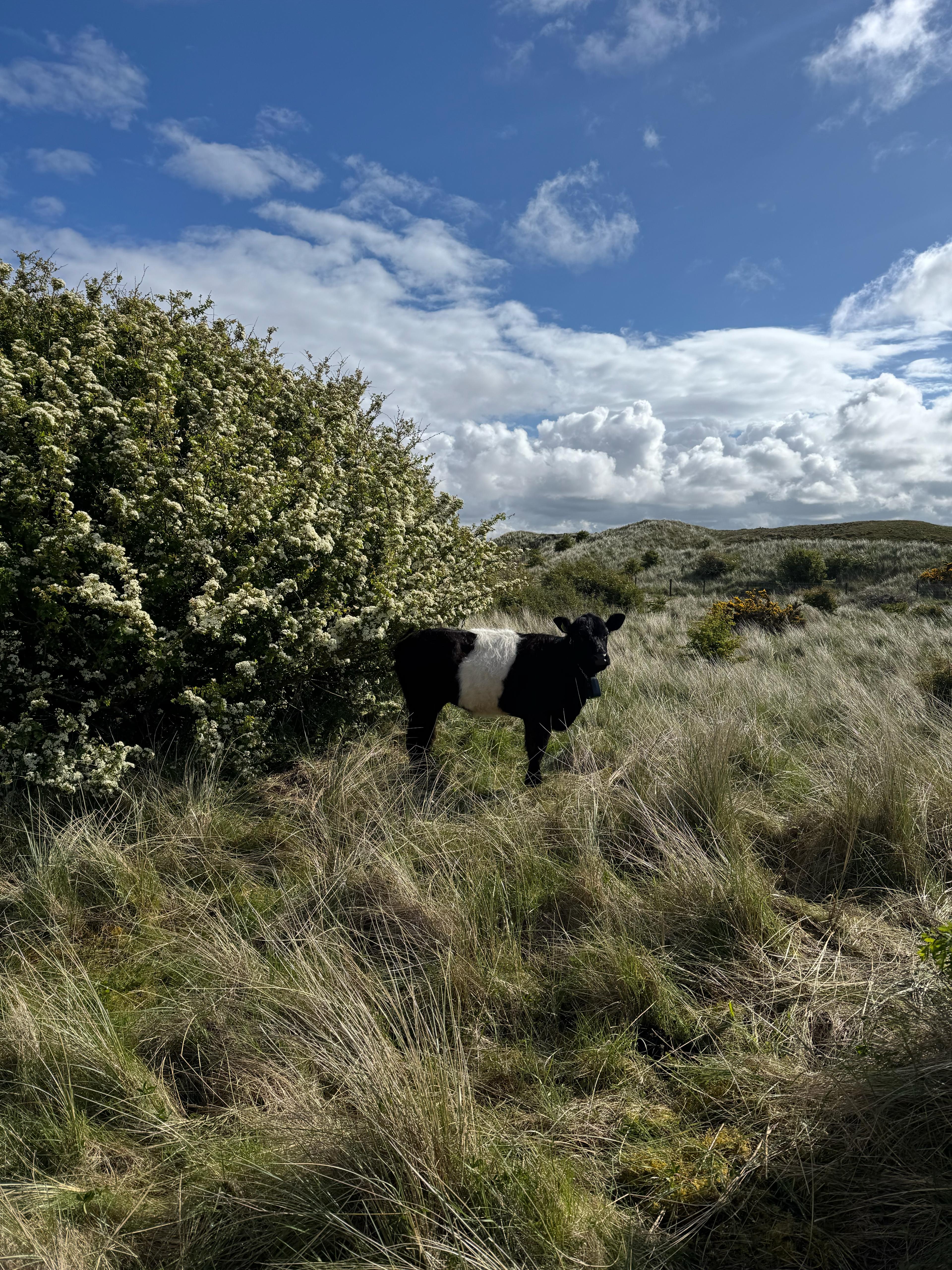
The project has therefore started cautiously. The cattle are currently in a fenced section of the dune system between the golf course and the coast, visible from only two locations on the course. They are being trained to GPS collars, which will eventually allow grazing areas to be set more precisely and give the team greater confidence as the project develops.
For now, the focus is on making sure the system works safely and that the grazing is delivering the desired impact on the dunes. Only then will the club consider moving the cattle closer to the playing areas. "Once we've got them trained to the collar and we're really comfortable and we've managed to achieve what we're trying to achieve down there, we then might bring them further into the golf course and graze some of the areas that are out of play," Matthew said.
That next step is likely to take years rather than months, with the current phase designed to build confidence among the team, the club and its members. "There are places directly in the centre of the golf course that we can utilise them as well, but it's getting to that point first," Matthew said. "We're talking a few years before we're directly on the centre of the golf course, but for all intents and purposes, they are on golf course property and they are visible in a couple of places from the course."
The project sits within a wider push to explain Silloth's environmental work to members, golfers and people beyond the game. The club has been sharing its conservation activity through local and environmental publications, and in July a film produced at Silloth was shown on a loop in the sustainability tent at The Open.
That kind of exposure is important as golf still faces scepticism from some outside the game. Matthew believes communicating well is essential, particularly when trying to reach those who may not already understand what modern greenkeeping involves. "We are trying to target the people that might have a negative outlook of us and try and change it," Matthew said.
Although the sight of Belted Galloway cattle on the dunes will naturally attract attention, Matthew does not see the idea as a one-off curiosity. He believes conservation grazing could be relevant to many clubs, though the animal, scale and method would vary from site to site. "This is totally realistic for other golf clubs," he said. "Now, I'm not saying that cows are realistic for everyone, but I definitely think grazing is an option for every golf course. It's just the scale and how it's implemented will change depending on the site."
At Silloth, the cattle are helping with a highly specific dune restoration project, but the wider principle is about how greenkeepers use the land in their care, and how they amplify that message.
"This is the kind of thing that we need to be doing in order to have a sustainable future for golf," he said. "The ecology needs to be at the forefront of the press when it comes to golf, in order to keep going."

Meet Oreo, Cecil and Min Moo Lee
As part of the club's broader community engagement work, Silloth on Solway invited name suggestions for its trio of four-legged friends.
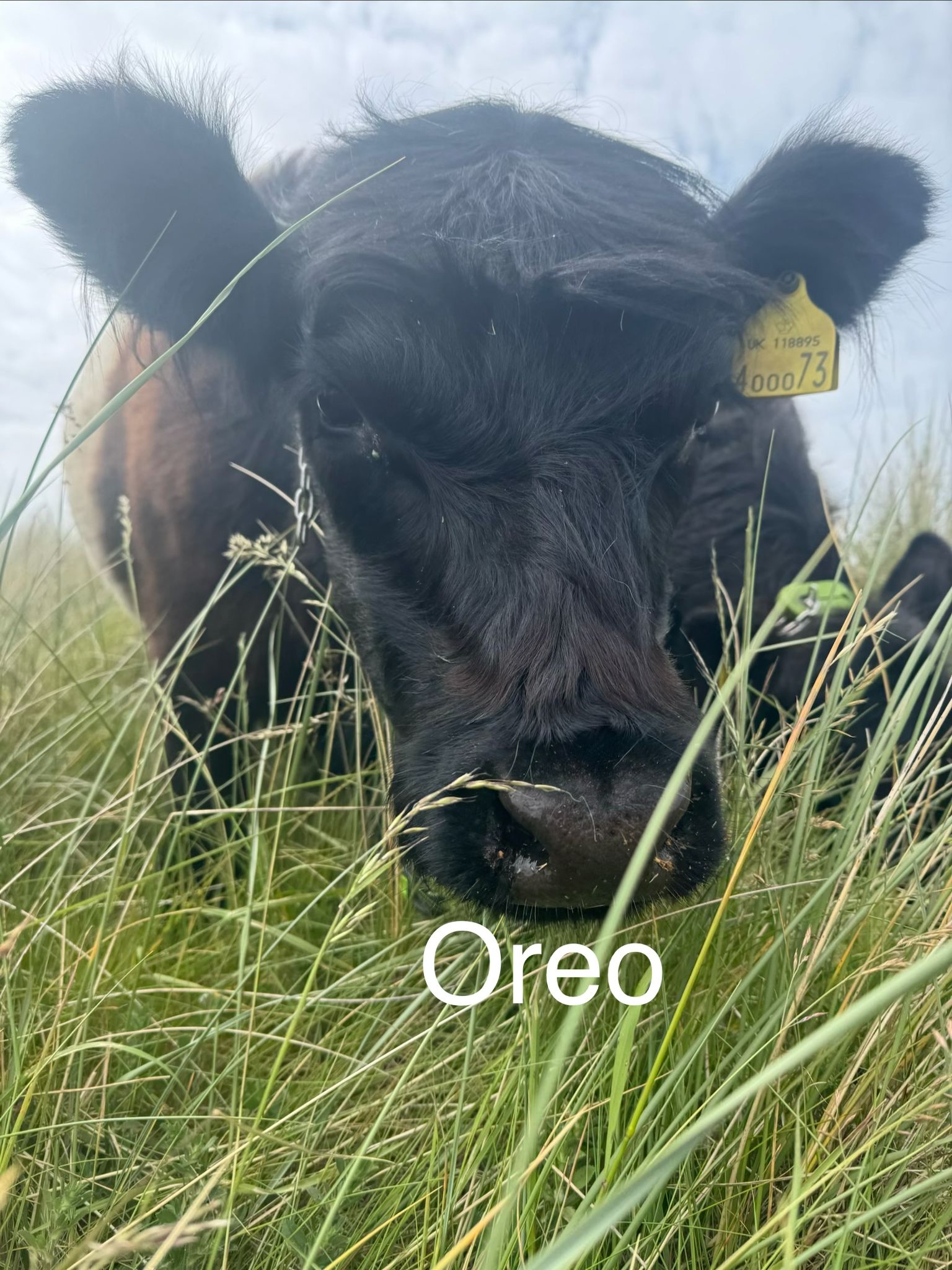
The club opened the process up locally, using Facebook groups and a QR code so people could submit their ideas. The final choices were Oreo, Cecil and Min Moo Lee, each selected for a different reason. Oreo was chosen because the cattle's distinctive black-and-white markings resemble the biscuits. Cecil was named after Cecil Leitch, the most famous golfer associated with Silloth on Solway, while Min Moo Lee added a lighter touch.
Matthew believes the naming process was a useful way of inviting people into the story of the project, rather than simply telling them what the club was doing. "It's proven to be quite a good point of community engagement," he said. "We put signs up and encouraged kids to get involved, and we had some really great suggestions. It's given people a sense of involvement in the project."