
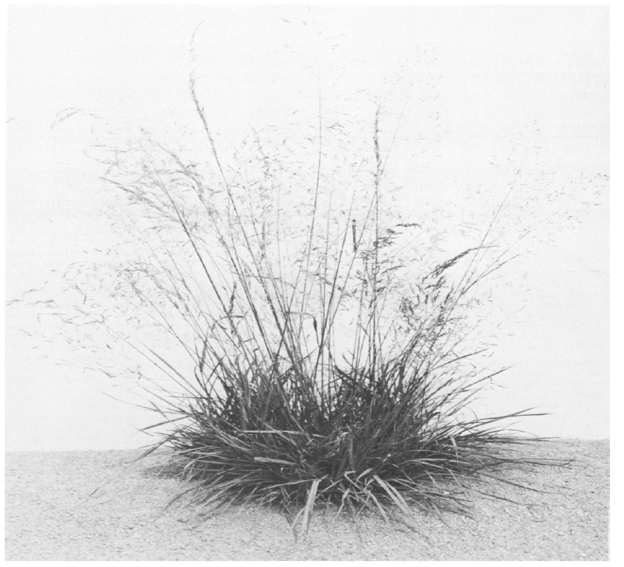
The appeal of Browntop Bentgrass
Will Bowden, Turf Agronomist / Product Development Manager, PGGWTurf/DLF New Zealand, explains why, in the right climate and with appropriate management, browntop provides greenkeepers worldwide with a flexible, resilient and high-performing turf option.
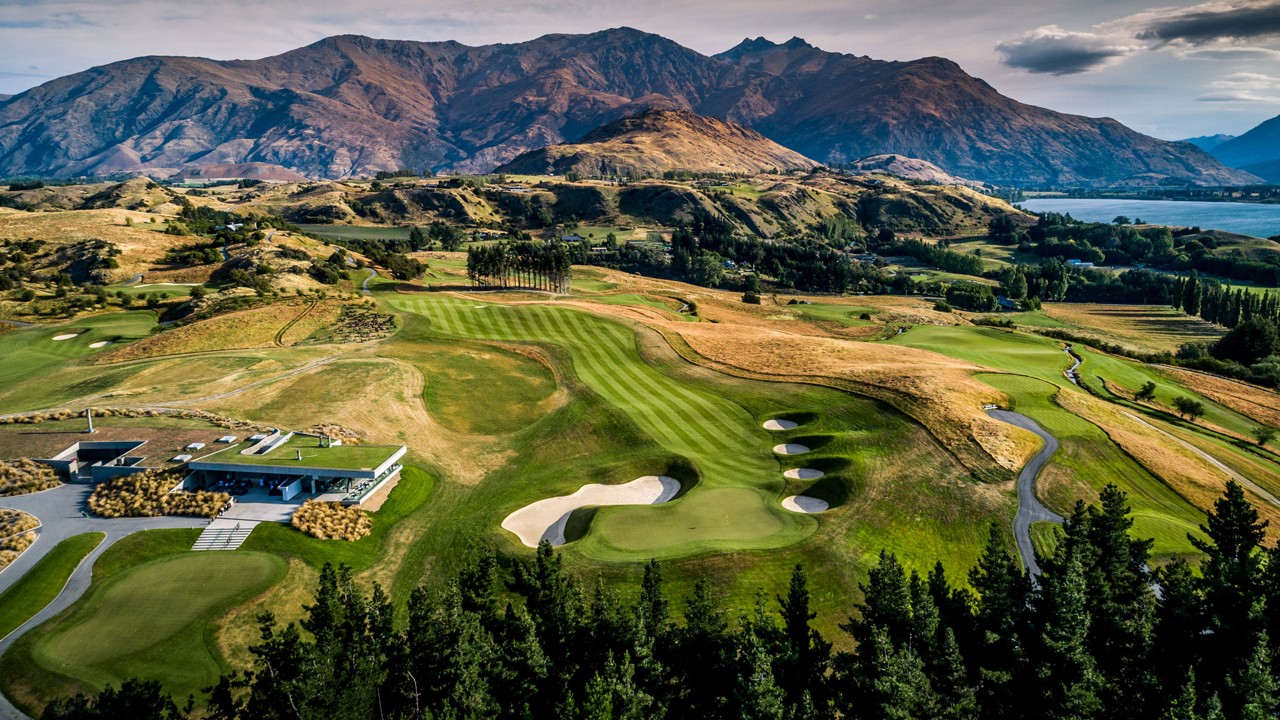
The Hills GC, New Zealand. Everything here is browntop.
Nearly a century after its first use on golf greens, New Zealand-bred browntop cultivars continue to lead international performance rankings.
Understanding this success requires a look back at browntop’s unusual history. In an era of rising operational costs and increasing environmental scrutiny, browntop’s strengths as a sustainable cool-season grass are no longer historical curiosities – they offer real, practical advantages.
Adaptation to New Zealand
In New Zealand, browntop bentgrass (Agrostis Capillaris) has travelled a remarkable path from an uninvited pasture grass to a globally significant fine turf species. It is believed to have first naturalised in New Zealand during the mid-1800s, when it was introduced inadvertently by a group of Scottish Presbyterians (from Nova Scotia), led by Minister Norman McLeod, who settled in Waipu, north of Auckland. Bedding material from their voyage is believed to have introduced browntop seed to the land, where it thrived in our immature and low-fertility soils. By 1867, it had been described botanically, and by the early 1900s, it was established nationwide. Later confirmation by British botanist Sir Bruce Levy described how the New Zealand ‘Waipu browntop’ was botanically identical to the US ‘Rhode Island’ variety, further validating this account of naturalisation.
Despite its persistence, browntop became somewhat unwelcome among pasture improvers; Levy described “manuring out” browntop as being central to pasture improvement, associating it with poor fertility and low productivity. For greenkeepers, however, those traits of stress tolerance, low nutrient requirements, and density under close mowing hinted at its potential as a high-performance turfgrass.
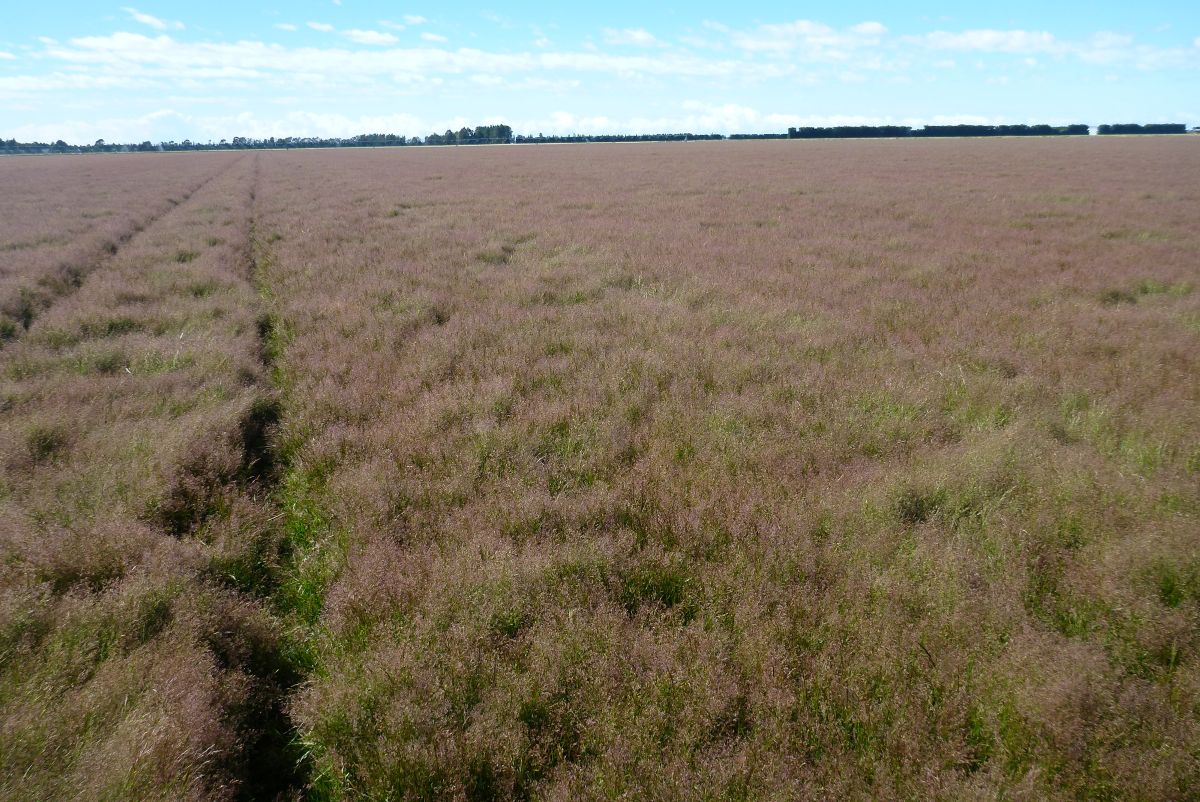
Browntop bentgrass
Pre-commercial use and a global stage
During the 1920s and 1930s, browntop was specified on some of the world’s most prestigious golf greens, championed by designers such as Dr Alister MacKenzie for its relatively fine texture and resilience, which suited the low-input maintenance practices of the era.
A pivotal moment came during the MacKenzie-Russell redevelopment of Royal Melbourne, when the greens were resurfaced using the ‘Suttons Seed Mix,’ which included a component of New Zealand browntop seed. Around the same time, MacKenzie reportedly used a similar mix at Cypress Point, combining browntop, velvet bent and creeping bent types. For the next decade, New Zealand browntop was imported to the US to supplement the local production of Rhode Island bentgrass, peaking at around 130 tonnes in the early 1930s, a ‘boom’ that was the result of the post–Great War trade gap between the US and Germany, who had previously been importing the ‘South German Mix’ to supplement local US production. The export market was short-lived, however, as US tariffs on imported browntop served to shift demand back to domestic Rhode Island bent. After this time, the established export of New Zealand browntop to northern Europe and the UK took priority.
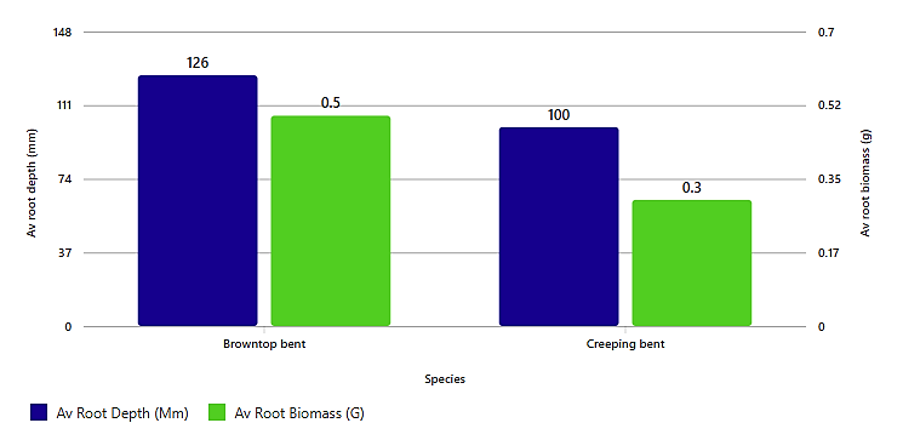
Quantifying key sustainability traits forms the backbone for our ongoing R&D work
Breeding for modern turf realities
Modern browntop breeding in New Zealand reflects the practical constraints faced by greenkeepers globally, where turf quality can no longer be defined solely by aesthetic criteria. Instead, traits such as disease resistance, particularly to Clarireedia spp. (Dollar Spot), drought tolerance, and reliable performance under low-input management regimes have become increasingly critical.
Research at the Kimihia facility is focused on validating our agronomist and end-user observations through quantitative assessment. Root architecture screening and drought tolerance are being embedded as important selection criteria within the browntop breeding programme, reflecting the growing need for cultivars suited to low-input management systems.
In parallel, laboratory and off-site field trials are evaluating whether older ‘heritage’ browntop cultivars, including ‘Egmont’, ‘Sefton’ and ‘Manor’, exhibit enhanced disease resistance relative to the finer-textured, drought-selected cultivars released over the past decade. Collectively, this work seeks to balance performance, resilience and sustainability in contemporary turfgrass breeding.
An important outcome of the current evaluation programme is that several of the oldest browntop cultivars remain among the most drought-tolerant, underscoring that genetic progress does not necessarily require replacement. Instead, historical germplasm continues to offer valuable traits for contemporary breeding. Moreover, turf quality does not consistently align with disease resistance ratings, reinforcing the need for breeders to balance visual performance with resilience, adaptability and long-term sustainability.
Still leading after 95 years
Nearly 95 years after its introduction to elite golf greens, New Zealand remains a leader in browntop performance. Courses across the country demonstrate the species’ adaptability, while its success reflects long-term selection, collaboration between breeders and growers and an understanding of turf performance under sustainable management.
Looking ahead
As the turf industry faces growing pressure to reduce inputs and enhance environmental performance, browntop’s inherent strengths remain highly relevant. With an increased focus on screening new material for key sustainability traits such as disease and drought resistance, New Zealand browntop is poised to remain central to fine turf management for decades. From a reluctant pasture resident to a global turf mainstay, browntop bentgrass stands as a defining New Zealand success story. GI
New Zealand steps into breeding
Browntop breeding in New Zealand accelerated in the mid-20th century when grasslands scientists Dr Phil Rolston and Dr Bill Rumball, supported by modest government funding, began selecting varieties for commercial use in the residential turf market.
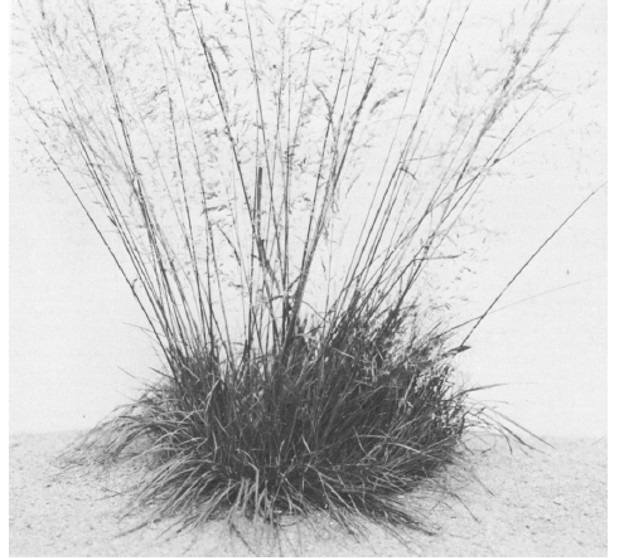
Sefton
Over 4,000 plants from New Zealand and Australia were collected, leading to the release of two cultivars in the late 1970s: ‘Grasslands Dark’ (now ‘Egmont’) and ‘Grasslands Sefton’. ‘Egmont’, coarser and less dense, was suited to home lawns, while ‘Sefton’ was preferred for high-quality surfaces such as golf greens.
These early cultivars demonstrated that browntop could be bred for both survival and performance.
The international significance of this work was recognised when ‘Grasslands Egmont’ was granted Plant Variety Protection (PVR) in the United States, representing a significant milestone for New Zealand turf breeding.
The New Zealand, Royal Melbourne connection
In the early 1990s, PGG Wrightson turf breeder Keith Saulsbury, after whom the current browntop cultivar ‘Saulsbury’ is named, was commissioned by Royal Melbourne’s then superintendent, Jim Porter, to identify the key constituents of the original ‘Suttons Seed Mix’ used on the greens.
This initiative reflected the club’s intent to preserve the agronomic and cultural heritage of the seed blend that had been originally selected by Dr Alister MacKenzie when the course was redesigned, and which had become synonymous with the greens' playing characteristics and identity.
Keith surveyed the greens alongside Jim and collected approximately 250 turf cores for analysis at the Kimihia Research Facility in Canterbury, New Zealand.
These samples were grown out to identify the constituent species present. The investigation confirmed the dominance of browntop within the historic ‘Suttons Seed Mix’ and provided rare insight into the agronomic factors underpinning the greens’ long-term performance consistency.
As a result, PGG Wrightson Turf was commissioned to replicate the original blend, leading to an exclusive agreement under which the ‘Suttons Seed Mix’ (v.1) continues to be produced solely for Royal Melbourne’s greens.
This seminal work reinforced the enduring influence of New Zealand-adapted bentgrass genetics on world-class turf performance.
The grower behind the grass
No discussion of browntop breeding is complete without recognising the contribution of seed growers. Early browntop seed yields in New Zealand averaged just over 100kg per hectare. Through improved agronomy, cultivar selection and grower expertise, yields steadily increased.
Today, browntop seed yields commonly sit between 350 and 450kg per hectare. Around 350 hectares are grown in Canterbury under structured, long-term grower contracts. These contracts allow for stability of supply and enable our breeders and agronomists to focus on quality and consistency, while growers refine production techniques.
The result is a seed supply system that underpins New Zealand’s global competitiveness.
Author

About the author - Will Bowden

Will Bowden is the Turf Agronomist at PGGWTurf/DLF Oceania.
Based at the Kimihia Research Centre in Canterbury, Will works closely with the turfgrass breeding team to evaluate and develop turfgrass products for the local and global turf sector.