
Succession planning – why you might need one and how it’s done
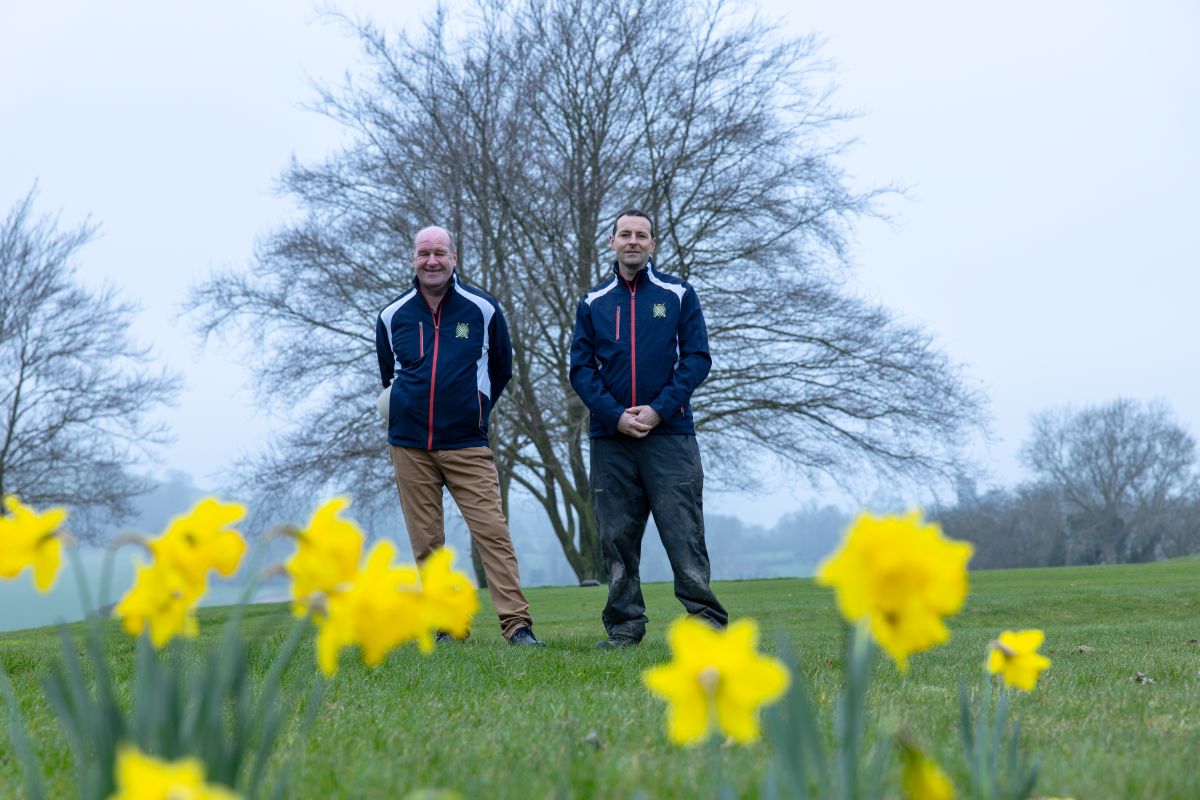
When David Goodchild retired in August 2025 after 45 years at Ellesborough Golf Club, he was determined his departure would not leave a vacuum.
A one-club man who rose from apprentice to head greenkeeper, he had seen enough examples across the industry of abrupt change and lost continuity to know that succession needed careful thought.
His successor, Matt Mackenzie, first arrived as an apprentice in 1997, worked elsewhere to broaden his experience, and returned in 2015. For nine years as deputy, he was steadily given greater responsibility before earning his shot at the head greenkeeper’s role last September.
The story at Ellesborough is one of shared trust and a shared vision, with buy-in across the club and proper structures in place to ensure success. It’s a lesson to others who may want to implement a succession plan of their own.
We spoke to David and Matt about the dos and don’ts of such plans, and how they navigated the process from their own perspectives.
When did succession first become a conscious process rather than just a possibility?
DG: It was certainly something I had in my mind for a while. What I tried to do was let Matt run the course day-to-day and take a step back myself. A lot of head greenkeepers won’t give their deputy that freedom. I was always given freedom when I was younger, and I think that’s important. Let them put their own stamp on it while you concentrate on short- and long-term planning, suppliers, materials, budgeting and the bigger picture.
MM: When I came back in 2015, I started as an assistant and then stepped up to deputy when Sean Borrett left. I spoke to the general manager at the time and said I wanted to do a foundation degree. I wanted to give myself the best chance of taking over from Dave at some point, or going elsewhere as a head man if that opportunity didn’t come here. The club supported me with that, and from my point of view that was probably when it really started.
How important was it to get that buy-in from the club?
DG: Crucial. Matt went through due process. The job was advertised and other people applied. Everything has to be done right and we did that. He had an interview with the general manager and also gave a formal PowerPoint presentation to the GM, the board chairman, greens chairman and myself, setting out his thoughts and ideas. Then he had a final interview with the GM, board chairman and greens chairman. It wasn’t just a case of handing it over.
MM: Committees and managers can change quickly at golf clubs. You might have a plan, but if the greens chairman changes, direction can change overnight. Having a plan in place is better, but it needs backing from the club, which we’ve certainly had.
What responsibilities were shared before the transition?
DG: We’re a busy club with around 650 members and a two-tee start at 7.45am. Course set-up is key. We probably do 70 per cent of our work before tea break and then fit the rest around play. I let Matt organise the day-to-day – who’s setting up, what jobs are being done – especially the course set-up side. That’s what the members see.
He also attended all greens meetings. We don’t have monthly meetings, more seasonal ones, four or five a year. We take our own minutes, which means we fully understand what’s agreed and what’s coming. The deputy being in those meetings is important. I also introduced a formal course policy document when I became head greenkeeper. It’s reviewed periodically and sets the framework for how the course is managed. Matt continues to work to that document, which provides continuity.
MM: There were extended periods where Dave stepped back completely. A month, six weeks, one winter for three or four months. He was still there, but I was running it. That exposure is one of the key things. Start as early as you can and let the deputy experience the realities of the role.
What was the biggest adjustment stepping up from deputy?
MM: I’d already been heavily involved in most areas – the 10-year strategic plan, greens meetings, supplier discussions. The biggest shift has been managing a larger team as the sole responsible person. That brings different processes and things into play that I hadn’t experienced before, but it’s all stuff you can learn as you go.
How much does course knowledge matter when you’re handing over to someone new?
DG: Ellesborough is a chalk downland course, exposed and free-draining. It can dry out very quickly. You can be struggling for growth one week and asking irrigation contractors to start the system early in March the next. If you don’t stay on top of watering here, you’re in trouble. Local knowledge is key, and Matt has built that up over years, which puts him at a big advantage over someone who doesn’t have that experience here.
How much does course knowledge matter when you’re handing over to someone new?
DG: Ellesborough is a chalk downland course, exposed and free-draining. It can dry out very quickly. You can be struggling for growth one week and asking irrigation contractors to start the system early in March the next. If you don’t stay on top of watering here, you’re in trouble. Local knowledge is key, and Matt has built that up over years, which puts him at a big advantage over someone who doesn’t have that experience here.
How do you balance continuity with any changes the incoming head might want to make?
DG: There should be a honeymoon period where the new head greenkeeper can make tweaks – minor or major – rather than ripping everything up. Fresh eyes can be good. I’m probably a bit old school. The technology that’s available now – apps, irrigation software, weather data – Matt is more comfortable with that than I am.
MM: It’s about modernising certain areas. We use our weather station data more closely now, especially for fungicide timing. Application timing is critical. But fundamentally, what we’ve got here is at a very good standard and has been for a long time with Dave in charge. It’s minor adjustments rather than big changes.
How difficult is it for a departing head to let go emotionally?
DG: I thought it would be tougher than it’s been. I’ve been retired several months. I still live on site for now, I’m playing golf and seeing the team. I don’t necessarily miss the 5am starts! I’m immensely proud of the 45 years and especially the last 27 as head greenkeeper. I threw my body and soul into the job, but I’m happy with how it’s been left and that Matt is now taking it on.
MM: Dave has been very good. He hasn’t tried to interfere. If I need anything, I know he’s there and I’ll ask, but generally I’m fine to get on with it.
What key bits of advice would you give other clubs considering succession planning?
DG: Start early and give real responsibility. Extend those holiday periods where the deputy runs it. Build it up. Some head greenkeepers might be afraid their deputy will do a better job. That shouldn’t matter. The members want standards maintained.
MM: Bring people into the realities of the role as soon as possible. And think ahead. I’m already involving my own deputy in everything. You never know when you might be off sick or move on.
Is succession planning suitable for all clubs?
DG: It depends on trust. If there’s conflict between head greenkeeper and deputy, it won’t work. And sometimes a club genuinely needs a new direction.
MM: Recruitment is becoming a real issue. We’re seeing fewer qualified applicants for roles than we did five or 10 years ago. Developing from within is a genuine solution to that.
Preparing a deputy for the top job
Succession only works if the individual stepping up is genuinely prepared. At Ellesborough, Matt’s progression was gradual, structured and tested over time. So what does ‘ready’ actually look like?
Formal education and development
Matt completed a foundation degree with the club’s support, strengthening both his technical knowledge and leadership credentials. Ongoing CPD signals ambition and commitment.
Exposure beyond the mower shed
Attendance at greens committee meetings ensured he understood member expectations, governance structures and decision-making processes — not just day-to-day operations.
Strategic involvement
He was heavily involved in the club’s 10-year strategic plan and major projects, including long-term course development and irrigation discussions. Readiness means seeing beyond tomorrow’s set-up.
Budgeting and supplier engagement
Working alongside the head greenkeeper on materials, contractors and forward planning builds commercial awareness — a crucial shift from operational to managerial thinking.
Extended periods in charge
Large blocks of time running the course — sometimes for months — allowed him to experience real accountability while still having support in the background.
Formal presentation to the board
Before appointment, Matt delivered a structured presentation to the director of golf, chairman and outgoing head greenkeeper, outlining his vision. Being able to articulate a plan is as important as delivering one.
Leadership of the team
Stepping up means managing people — including former peers. Exposure to staffing decisions, HR processes and difficult conversations is essential preparation.
Handling the stress of the top job
Even as someone who stayed in the good graces of his club for more than four decades, David understands the pressures that come with a leadership role.
“I once did a stress awareness workshop at Harrogate,” he said. “There were only five of us on it, but it was one of the best I attended. There’s a lot of pressure on greenkeepers now – expectations shaped by televised tour golf, committees, budgets.
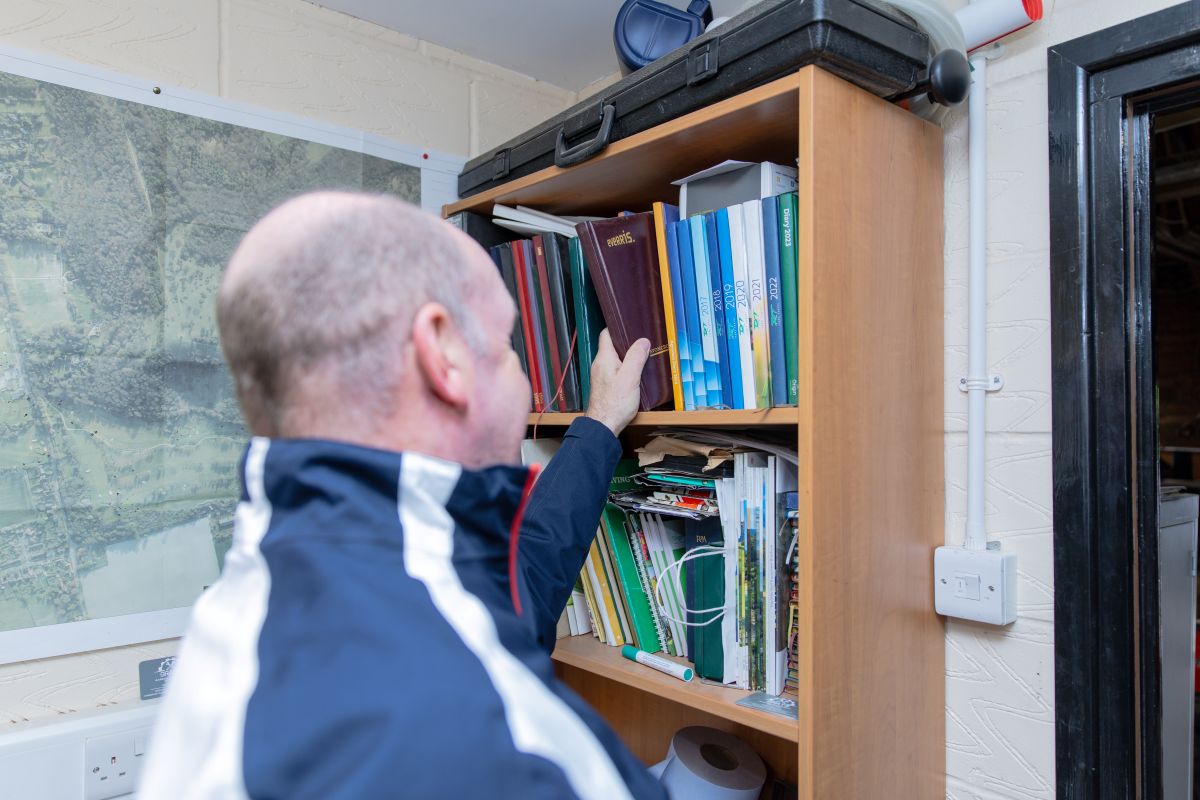
“You need the three Ms – money, manpower and machinery – but the most important is support. Without support, the other three go out the window. “Communication is key. Talk to your deputy, your general manager, even your pro. We had a long-standing pro here who was always supportive. That helps.”
Five tips for successful succession planning:
1. Start early – and test it properly
Don’t wait until retirement is imminent. Give your deputy extended periods running the course – not just covering holidays, but full responsibility for weeks or months at a time. Real experience exposes gaps and builds confidence.
2. Secure club buy-in and follow due process
Succession must be transparent. Advertise the role, follow HR procedures and ensure committee and management support. A clear, formal process protects both the individual and the club.
3. Share the bigger picture, not just the daily jobs
Include your deputy in greens meetings, budgeting, supplier discussions and long-term strategy. Exposure to planning, not just course set-up, is what prepares them for the top job.
4. Document standards and strategy
A written course policy document, reviewed regularly, provides continuity. Combine this with accurate record-keeping so knowledge isn’t lost when individuals move on.
5. Build a culture of trust and communication
Succession only works where there is openness. Encourage questions, allow new ideas and accept that the incoming head greenkeeper will modernise certain areas. Without trust and support, even the best-laid plan will falter.
Author

About Matt
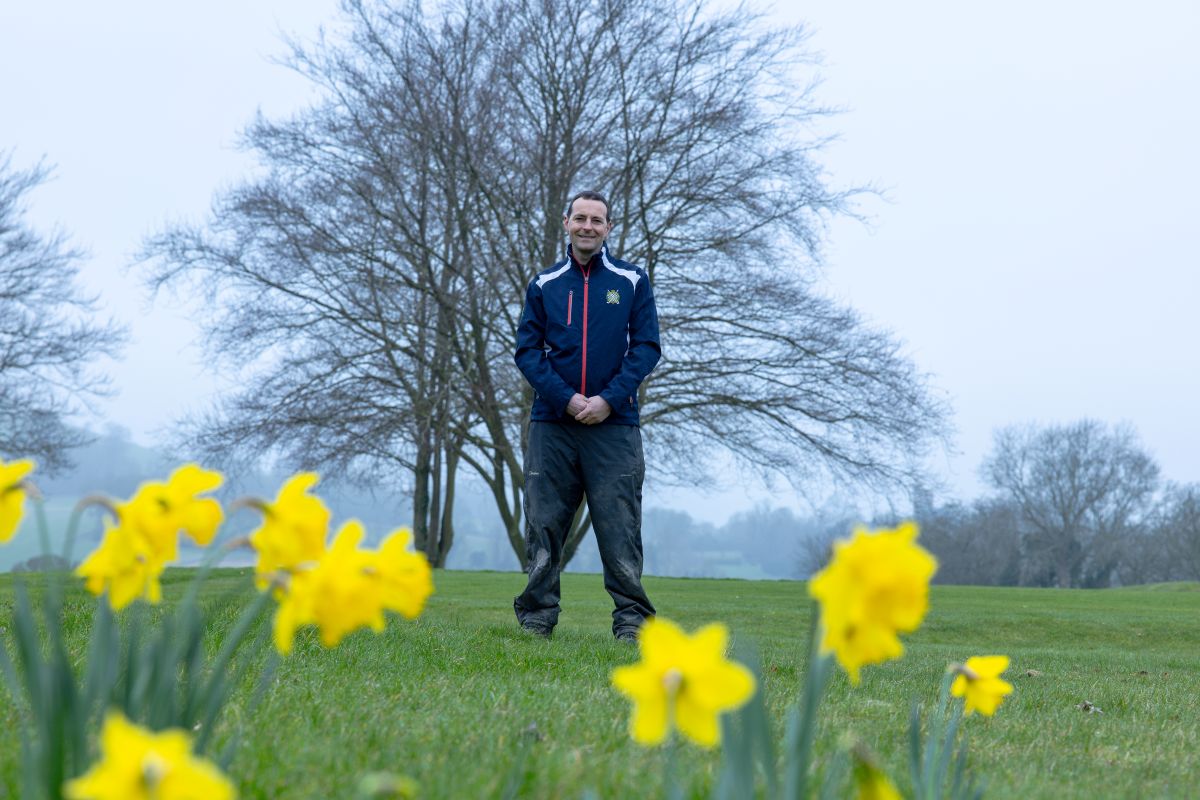
Matt Mackenzie began his career as an apprentice at Ellesborough in 1997, working alongside then deputy David Goodchild. After leaving in 2003 to gain experience at several clubs – including a spell as head greenkeeper at a 9-hole course – he returned in 2015. Progressing from assistant to deputy, he completed a foundation degree with the club’s support and became involved in strategic planning. In September 2025, following a formal recruitment process, he succeeded David as head greenkeeper.
About David
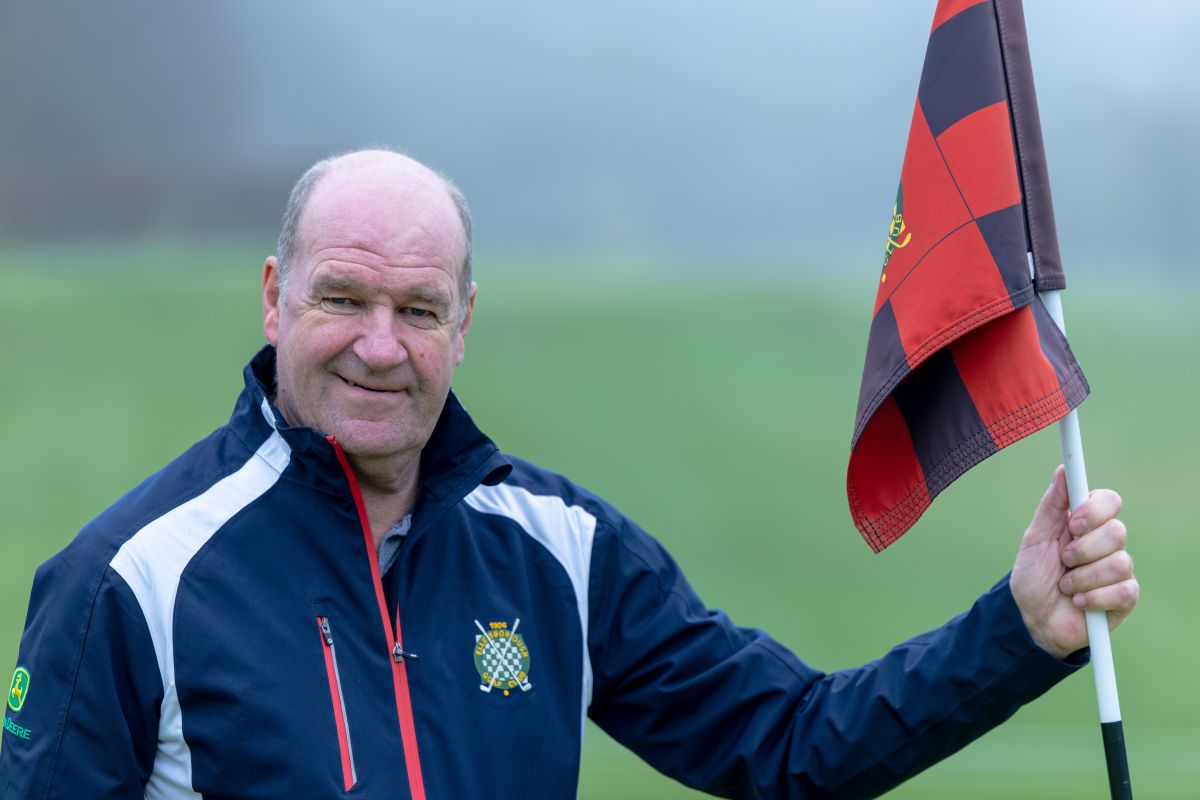
David Goodchild spent 45 years at Ellesborough, joining as an apprentice in 1980 and serving 27 years as head greenkeeper. He initiated a process to restore the course to its chalk downland character through extensive tree and scrub clearance, as well as introducing a formal course policy document to guide standards and planning. Determined to leave the club in safe hands, he oversaw a structured succession before retiring last August.