
Strategy and funding for nature on golf courses
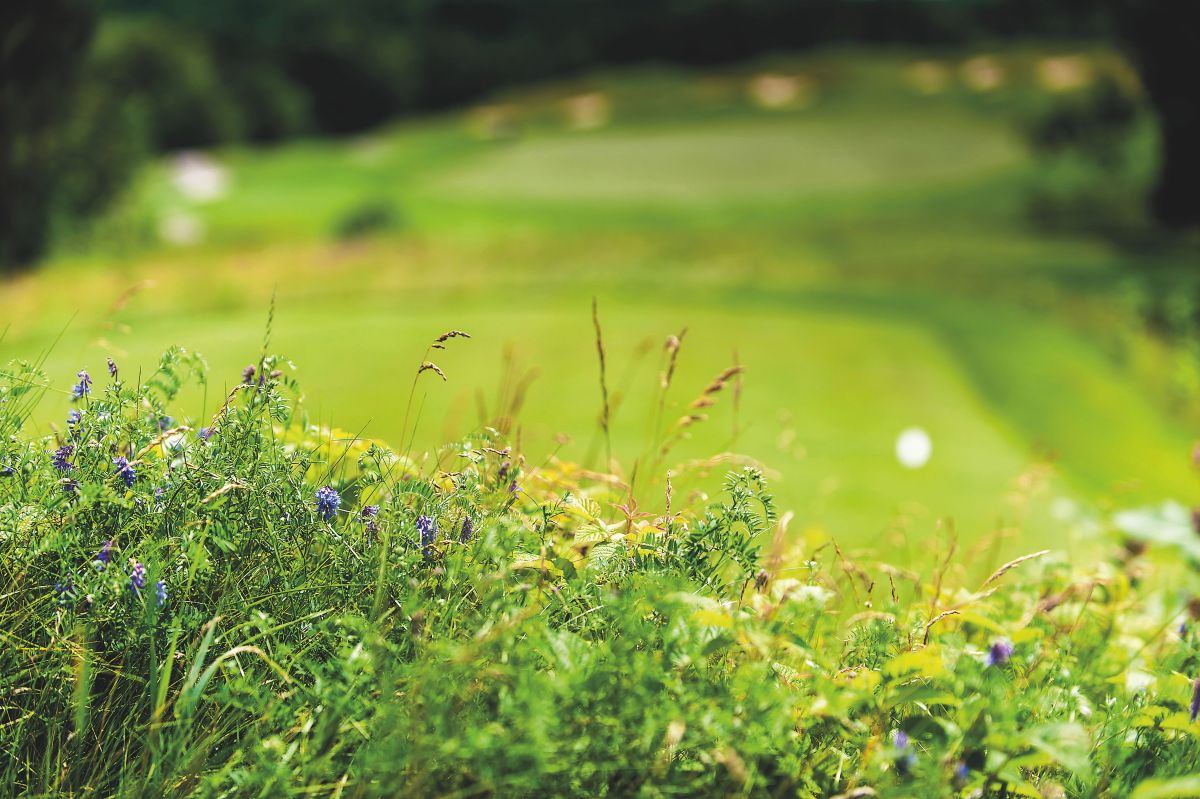
For decades, greenkeepers have quietly delivered environmental benefits alongside the daily demands of presenting quality playing surfaces. But the sustainability conversation is changing. Today, golf clubs are increasingly expected to demonstrate leadership in biodiversity, water management and climate resilience – not as a ‘nice to have’, but as part of being a responsible, future-ready organisation.
The good news is that this shift creates opportunity. Not only to restore nature at scale, but to enhance the look and feel of courses, strengthen relationships with members and communities, and secure long-term funding streams that go beyond green fees and subscriptions. The challenge is moving from good intentions to structured delivery – and finding the resources to make it happen.
Unlocking hidden potential
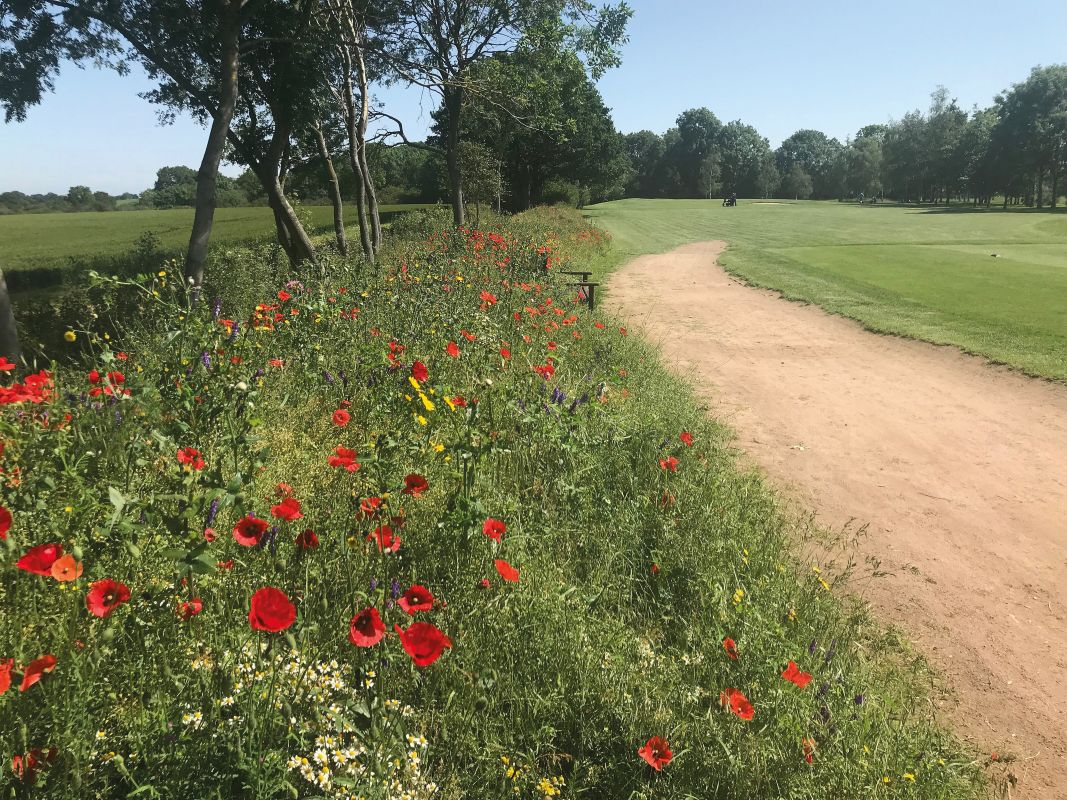
When clubs think about sustainability and biodiversity, the focus can fall within the confines of the course: rough management, bunker ecology, fairway margins and pond edges. These areas matter, but some of the greatest opportunities for meaningful nature restoration sit slightly out of sight – the tucked-away corners of land, boundary strips, woodland edges, wet hollows and transitional spaces that are not core to play.
These areas can become thriving habitats with minimal disruption to the golfing experience. Woodland creation and management, wildflower meadows, hedgerow restoration, watercourse improvements and new ponds all deliver high biodiversity value while enhancing the character of a course. Thoughtfully designed, they also create visual interest, seasonal colour and a stronger sense of place. The result is a course that feels richer, more distinctive and more connected to its surrounding landscape. Importantly, working beyond the playing line also allows clubs to deliver environmental improvement without compromising pace of play or course setup – a key concern for members and management teams alike.
Sustainability as strategy
Sustainability works best when it is woven into long-term course management strategy, not treated as a series of one-off projects. Meaningful progress comes from taking a holistic view: aligning environmental ambition with day-to-day operational realities, financial planning and long-term resilience.
For greenkeepers, this means asking bigger strategic questions:
- What role do we want our course to play in supporting local wildlife and nature recovery?
- How can our landscape help with water management, drainage and flood resilience?
- How do we communicate our environmental story to members and the wider public?
- How do we ensure improvements are financially sustainable over the long term?
When sustainability is embedded into the course management plan, nature restoration stops being an add-on and becomes part of how the course evolves. This also positions clubs on the front foot when speaking about sustainability to planning authorities, sponsors, visitors and local communities. In an era of increasing scrutiny on land use and environmental performance, this matters.
The funding barrier
One of the biggest barriers to action is funding. Greenkeeping teams are already under pressure to deliver high-quality playing surfaces within tight budgets. Expecting major biodiversity enhancements to be funded solely from operating budgets is unrealistic. The good news is that clubs do not have to fund this alone. There is now a growing ecosystem of funding and finance mechanisms designed to support nature restoration on private land, including golf courses. These range from small, targeted grant schemes for specific interventions through to longer-term funding models linked to habitat creation and enhancement. The key is understanding what is appropriate for your site, your club’s appetite for change, and your long-term objectives.
Smaller grants can support practical interventions such as wildflower meadow creation, pond restoration, hedgerow planting or woodland management. These are often relatively quick wins, delivering visible improvements within a season or two. At the other end of the spectrum, more strategic funding mechanisms can underpin long-term habitat creation and management, creating sustained income streams that support ongoing stewardship. This is where taking a strategic approach pays dividends. Rather than chasing ad hoc funding opportunities, clubs benefit from stepping back and developing a clear nature and sustainability plan, then aligning funding mechanisms to that plan.
Bringing people with you
Nature restoration is not just about habitats; it is about people. Members want to feel proud of their club. Local communities increasingly care about how land is managed. Clubs that can articulate a clear, positive sustainability story are better placed to build goodwill, attract new members and demonstrate leadership. This means communicating not just what you are doing, but why. Linking nature improvements to wellbeing, community access (where appropriate), flood resilience and local wildlife creates a narrative that resonates beyond the clubhouse. It also helps clubs move from a defensive position (‘we are being asked to do this’) to a proactive one (‘this is who we are and what we stand for’).
Getting the right support
The complexity of funding mechanisms, ecological assessment and long-term management planning means that clubs should not feel they have to navigate this landscape alone. Independent, specialist support can help:
- Develop a clear, long-term nature and sustainability strategy
- Identify appropriate funding mechanisms
- Coordinate surveys and stakeholder engagement
- Build robust financial models
- Ensure projects are credible, deliverable and high integrity
For greenkeepers, this support can be transformative. It allows you to focus on what you do best – managing and enhancing the course – while ensuring that funding, strategy and delivery are aligned.
A call to action
Golf courses have an extraordinary opportunity to be leaders in nature restoration. By looking beyond the course, embedding sustainability into long-term strategy and unlocking new funding streams, clubs can enhance their landscapes, strengthen their reputation and secure lasting benefits for wildlife and people alike. If your club is committed to improving biodiversity and sustainability but unsure how to fund or structure the journey, expert support can help turn ambition into action.
I support golf clubs with sustainability strategy, funding pathways and coordination of nature restoration programmes. Get in touch to start the conversation and put your club on the front foot for nature, community and the future of the game. GI
What is Biodiversity Net Gain?
Biodiversity Net Gain (BNG) is a policy mechanism that requires new developments in England to leave biodiversity in a measurably better state than before. Where developers cannot deliver this uplift on their own sites, they can purchase biodiversity units from landowners who create or enhance habitats elsewhere. This creates a potential new income stream for land managers – including golf clubs – who are able to deliver high-quality, long-term habitat improvements.
For clubs, BNG is not a quick win or a simple transaction. It is a structured process that requires careful planning and professional input. In broad terms, the journey looks like this:
- Baseline assessment – An ecological survey establishes the current biodiversity value of the land.
- Feasibility and design – Potential habitat creation or enhancement areas are identified, often focusing on land away from the playing line.
- Stakeholder engagement – Committees, members and relevant authorities are engaged to ensure buy-in and understanding.
- Financial modelling – The costs of habitat creation and long-term management are balanced against potential income from BNG units.
- Delivery and management – Habitats are created or enhanced, with long-term management commitments typically secured for 30 years.
- Monitoring and reporting – Ongoing monitoring ensures the habitats deliver the promised biodiversity outcomes.
BNG can unlock meaningful funding for woodland creation, meadow restoration, hedgerow enhancement and wetland creation. However, it is not suitable for every club or every site. Some locations will have limited ecological uplift potential; others may face constraints around access, hydrology or member expectations. Clubs that rush in without understanding these factors risk investing time and money in schemes that ultimately do not stack up.
Handled well, however, BNG can underpin long-term nature restoration while providing income that supports wider sustainability goals. The key is independent, expert advice and a clear-eyed assessment of risks and opportunities.
*Similar schemes are in place or being developed in Scotland, Wales and Northern Ireland.
Examples of fundable nature improvements
Across the UK, golf courses are already delivering impactful nature projects, often supported by external funding. Examples include:
- Woodland creation and management – Planting new native woodland or bringing existing woodland into active management improves biodiversity, carbon storage, flood management and landscape character.
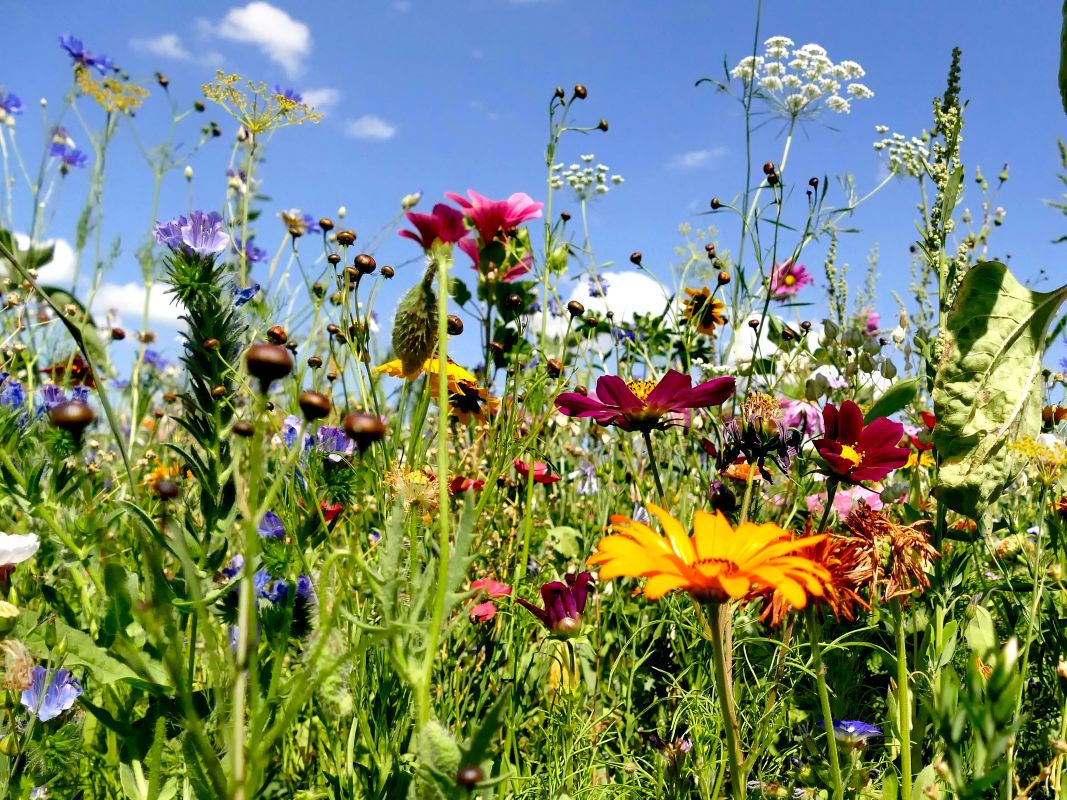
- Wildflower meadows – Converting low-value grassland into species-rich meadow supports pollinators and creates striking visual impact.
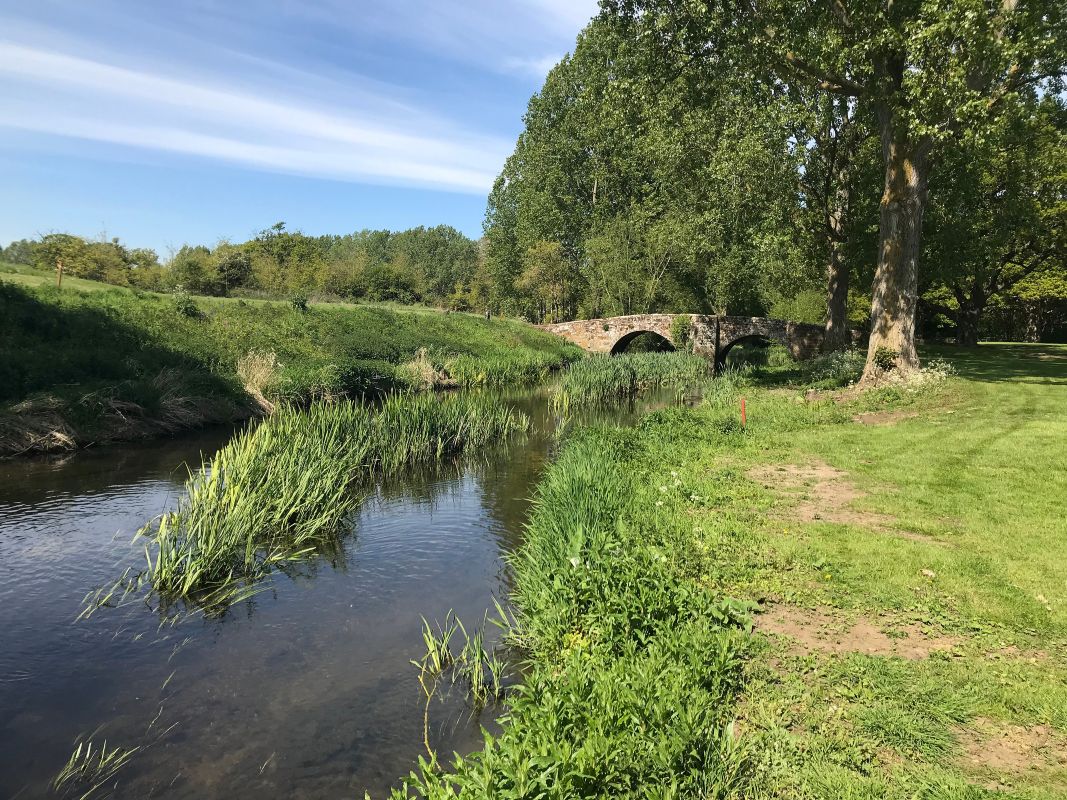
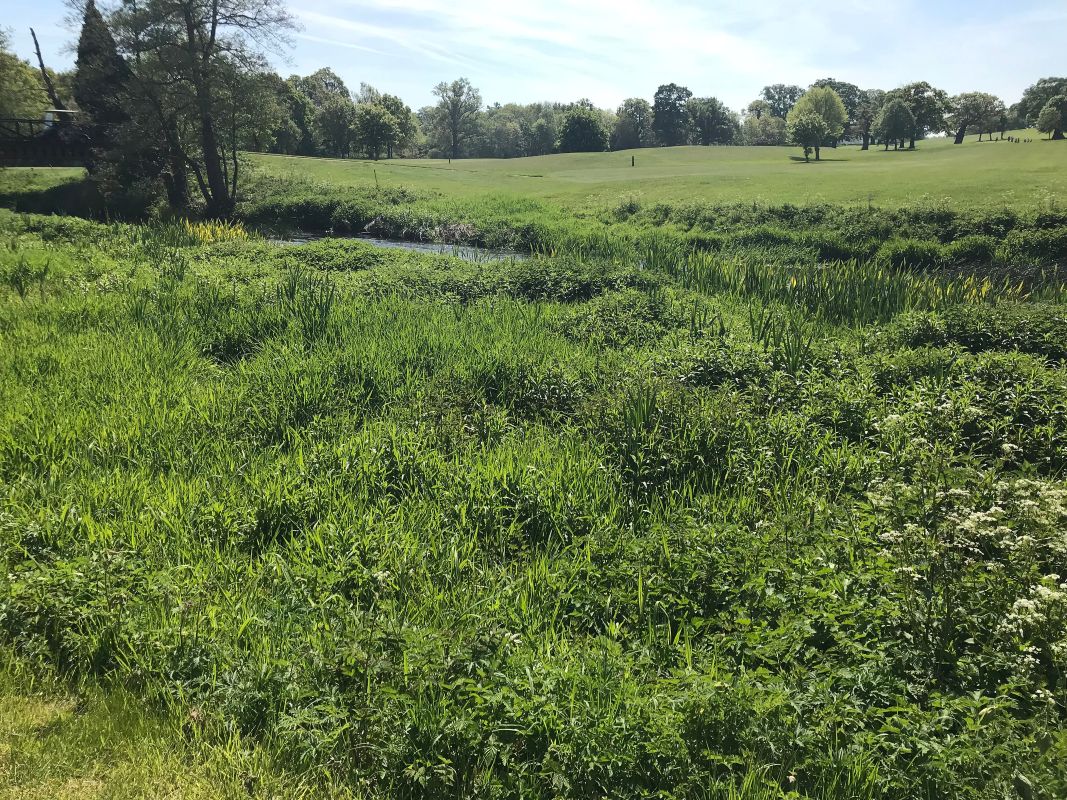
- Watercourse restoration – Re-naturalising ditches and streams improves water quality, flood resilience and habitat diversity.
- Pond creation and restoration – New or restored ponds support amphibians, insects and birds while adding interest to the course landscape and being part of your irrigation infrastructure.
- Hedgerow enhancement – Restoring gappy hedges and planting new native hedgerows improves connectivity for wildlife, course security and strengthens landscape structure.
These interventions can be phased over time, aligned with course management plans and funded through a mix of grants, partnerships and longer-term funding mechanisms. Importantly, many of these improvements can be delivered away from core playing areas, ensuring minimal disruption to golf while delivering maximum ecological benefit.
Author



About Roger Pearson
Roger Pearson works with landowners and golf clubs to develop practical strategies for nature restoration and sustainable funding, helping unlock grants and private finance for biodiversity improvements. He has over 20 years’ experience in organisational sustainability, renewable energy and carbon reduction, and more recently has worked with national and regional Community Forest organisations to support funding of woodland creation and nature recovery programmes. Roger supports clubs to turn sustainability ambition into well-funded, long-term action.
Contact: [email protected] or 07834869612