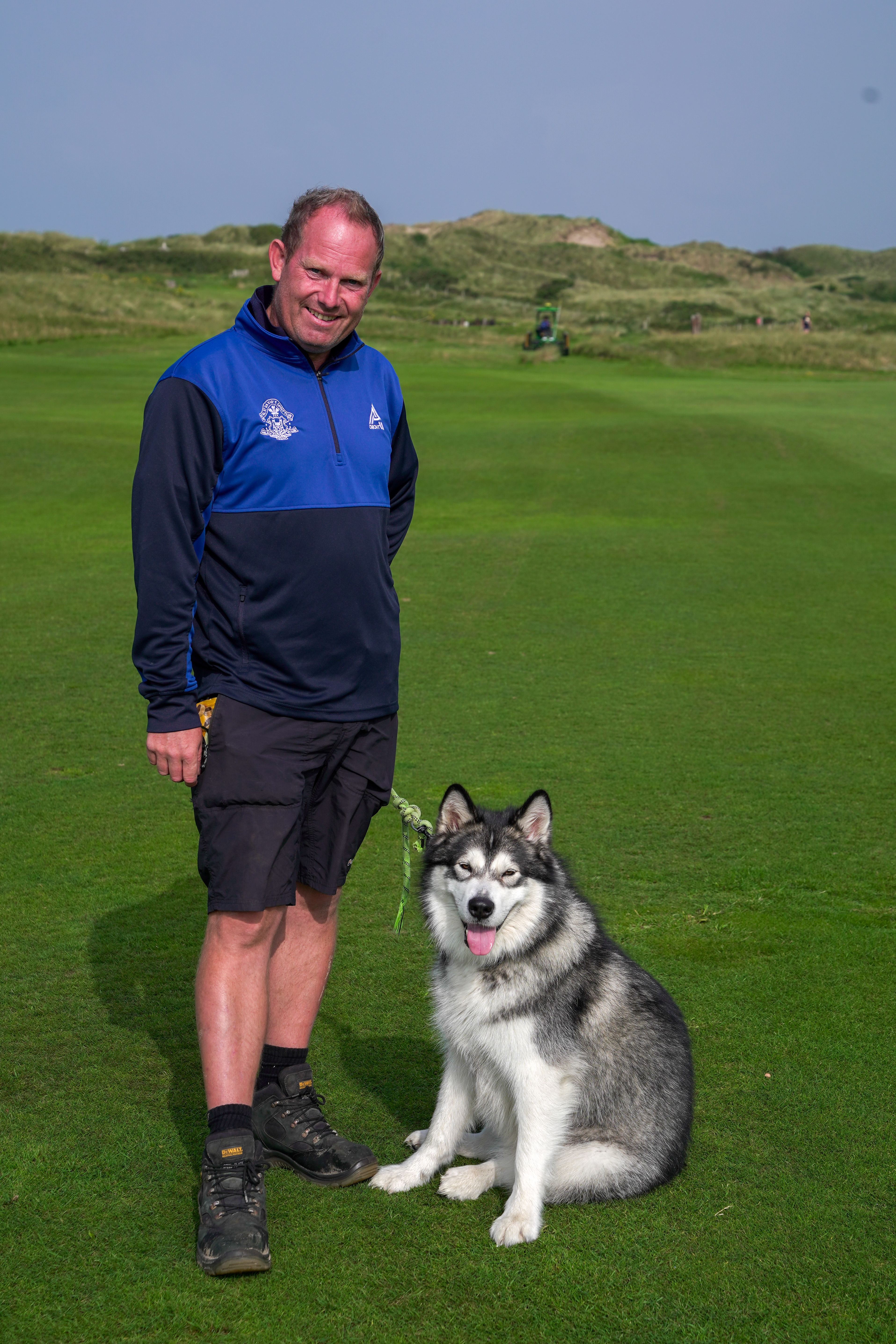
Solving a decades-old water table and drainage issue at Royal St David’s
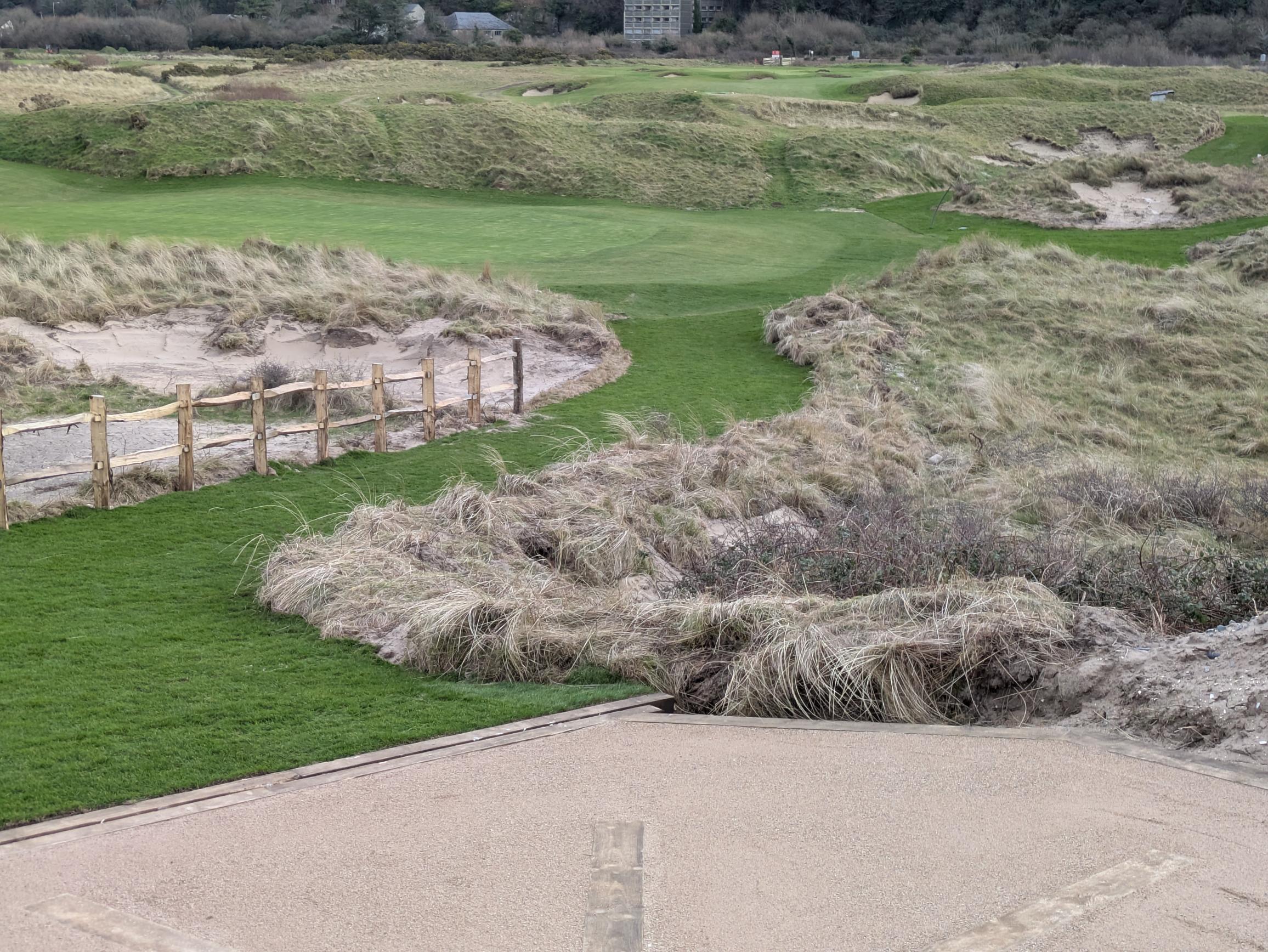
On 1 March, Royal St David’s reopened the 15th hole following a six-month project to address long-standing waterlogging issues.
For several years, the second part of the fairway and the green on the 423-yard par 4 had regularly flooded. To maintain the character of a true links course and produce drier, firmer conditions, the area needed to be raised by a metre to move it away from the water table – the boundary between water-saturated ground and unsaturated ground.
“I think it's been a problem for a long time, probably decades before my time, but then they just used to play it as a shortened hole in the wetter winters, miss the green out and then go on to the next hole, so it has never really been properly addressed because of the scale of the operation,” said Links Manager Rhys Butler. “We’ve had to carry 3000 cubic metres of sand to raise the area out of the water table. Agronomically, we were doing the same to that green as we were to all the other greens, which were improving botanically very well, with fescue flourishing, producing firmer and faster putting surfaces. But just because of the environment and the water table, I think the rest of the course progressed after putting the irrigation system in, and it was kind of highlighting the 15th more and more.”
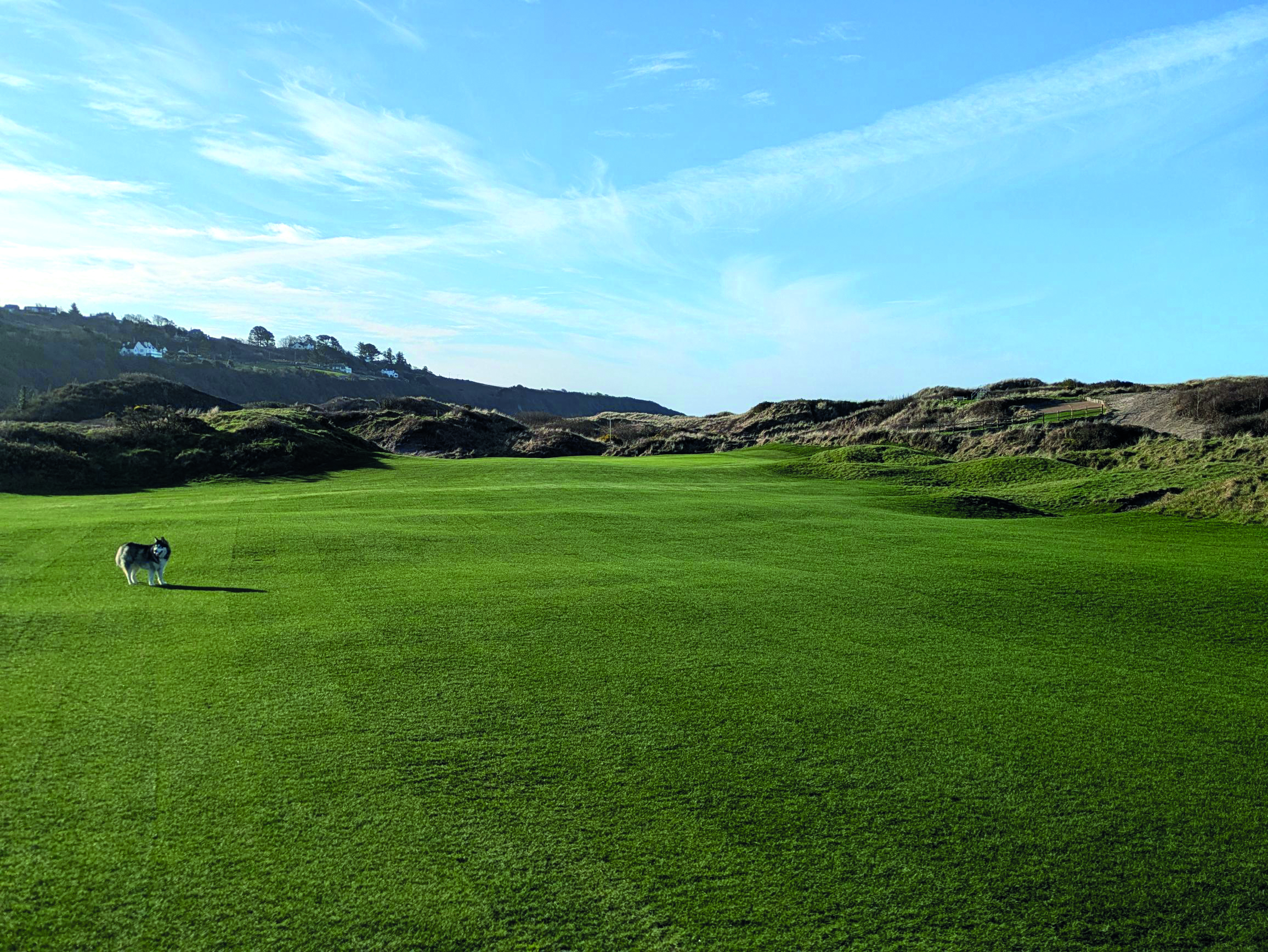
The contrast with the rest of the course became increasingly obvious as other greens improved, while the 15th continued to demand a different maintenance approach because of its position.
“The 15th has always had to be treated very differently because it's been so low lying,” he added. “It's never required much feed or irrigation or anything because it's always been quite wet, but now it's the flip side, it's a totally different animal, with more fertiliser required to keep it strong, especially in the growing period. We're managing it a lot more like the other greens now, which is good, and the performance has started to pick up. It's getting a bit more pace compared to the old green as well. It’s higher and drier now.”
The green had been particularly affected, with water sitting only a matter of inches below the surface.
“In the water table, you put a spade in the ground and there'd be water six inches underneath the surface, so all the roots were constantly wet,” Rhys said. “There were no real fine grasses able to establish and stay there. You might get a bit of take from seed, but because the environment was so wet, it just wouldn't stay. It would’ve been more poa annua-dominated, whereas we are really more bent-fescue dominated – a firmer, faster playing surface,” he added. “The 15th was a lot softer. You'd hardly make a pitchmark on the other greens, but you could make a big pitchmark on the 15th, so the playability of it was different as well. Through the winter, you'd struggle because it just didn't drain as well, because it couldn't drain, the water had nowhere to go. Until we had the volume of sand and the project available, it wasn't really possible before that.”
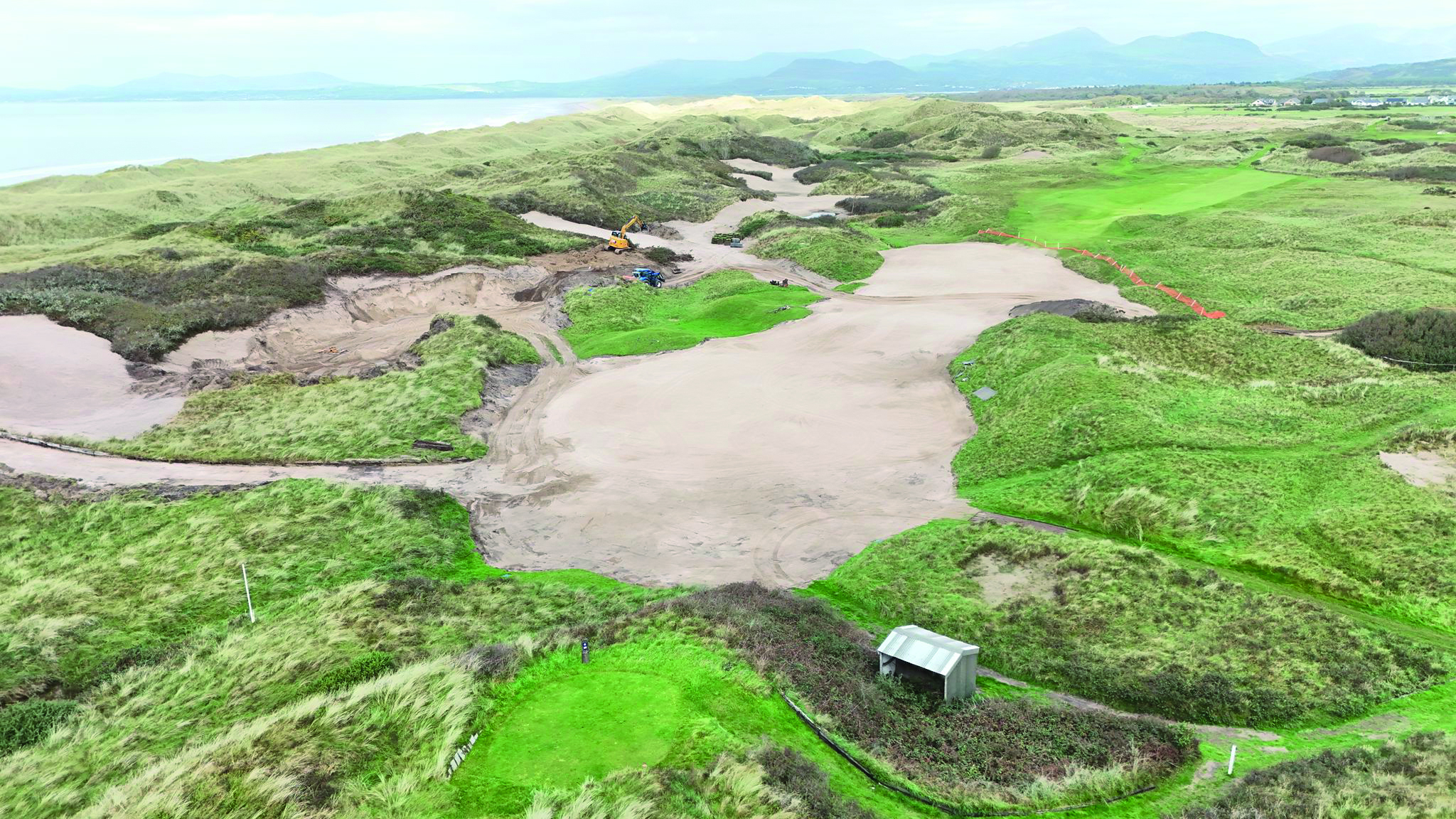
As with any substantial project, consultation was needed with environmental groups, including Natural Resources Wales and Amphibian and Reptile Conservation, to ensure the work could be carried out while also restoring natural habitats within the dunes at Harlech.
A wetland area has been dug below the water table, while the hole now features a picturesque sand scape alongside a green and surrounds that can play more consistently with the rest of the course.
Part of the project involved removing scrub from the hole, with that work contributing to the creation of the wetland area.
“Luckily, we had a lot of scrub in the dunes which needed removing, which then gave us the opportunity to gain the sand and create wetlands, so both things had to go hand in hand,” Rhys continued. “A lot of the scrub would be buried then and sandcapped with another metre of sand on top of it. And then where we gained the sand from was the creation of the wetlands, which enabled us to go down into the water table and gain that sand to use as fill. The one thing we had to get right was the soil mixture. We thought initially that we would be going at possibly two parts sand and one part soil for the mix, just to thin the soil out, because over the years, the soil had become quite rich. We had to do a lot of testing with this with The R&A, and we eventually then settled on a one-and-a-half sand to one part soil mix. That’s worked really well.”
As well as the club consulting with Natural Resources Wales and Amphibian and Reptile Conservation, irrigation technician Jason Baker has installed additional irrigation to the fairway and new walkways around the hole.
“Before there was no irrigation there because the hole was so wet, the soil profile was so much wetter," said Rhys. "Whereas now, we’re a metre higher. It's a lot drier and it drains a lot quicker, so the irrigation will be required just to keep the turf because we're now dealing with proper links turf, which is dry.”
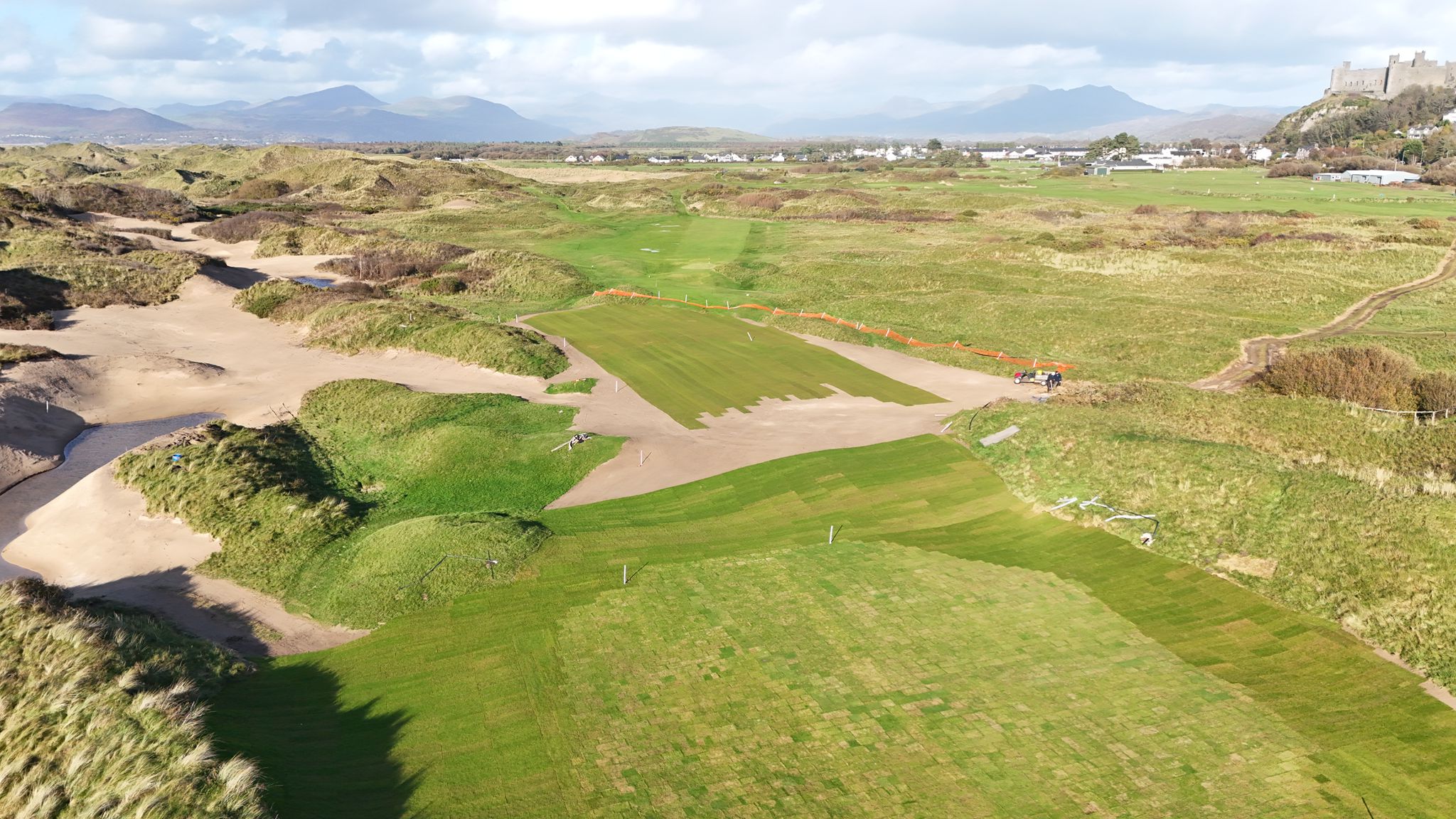
Rhys and his team started the work in October, allowing the most significant parts of the project to be completed before harsher winter weather arrived.
“We started the project early before possible bad weather, and we got it finished literally just as the bad weather in December came in. It was good planning to get it done early because otherwise it would have been a struggle. If you're bringing sand in, then you don't want to be working with wet soils. The soil underneath the turf has to be dry to be mixed, so bad weather could have huge consequences, really. It could delay you by months.”
Royal St David’s also called upon the services of Tom Mackenzie and Martin Ebert, the renowned architectural pair who have worked on golf courses across the globe. Their recent projects include planning and construction work on new holes at Royal Birkdale ahead of the 2026 Open. The pair, who have worked on other projects at Royal St David’s before, helped to naturalise and improve the visibility of bunkering, while adding sandy waste areas. The fairway now has a more undulating appearance, too.
Author

Project summary
- Part of the fairway and the green historically suffered from water table issues which caused constant waterlogging and poor playability
- Work began in October 2025 to address the issue
- The hole was raised by a metre to move away from the water table, using 3000 cubic metres of sand to make the area higher and drier
- County Turf supplied bent-fescue mix for the fairway and green surrounds
- Working with Natural Resources Wales, the club created a sandscape and wetland area, digging below the water table for the wetland area to be permanently flooded
- Additional irrigation was installed to the fairway and walkways to provide extra safeguarding against waterlogging
- Hole 15 was reopened on 1 March 2026