
Reed all about it: a natural solution for washdown water
Having written around 100 features and blogs for Greenkeeper International, you may have noticed my usual approach: start full of beans, get serious in the middle, and finish on a high with everyone feeling like a winner. This one is no different.
This time we’re looking at a sustainable and holistic way of dealing with washdown water – reed beds. But before we get too carried away with the environmental positives, it’s worth noting that there are potential pitfalls when removing water from your site.
I actually spent several months researching reeds, their wildlife benefits and their cleansing abilities while studying for my BSc (Hons). My original plan was to build a small working reed bed as part of my dissertation. In the end, I couldn’t afford the materials and didn’t have enough time to construct a fully functioning system before my finals. Even so, the research proved invaluable and much of what I learned then still applies today.
Let’s start with the slightly dull but important bit. If you discharge washdown water from your machinery into a ditch, drain or watercourse, you could be breaking the law. Regulations vary from site to site, so the safest option is always to check with the Environment Agency or your local regulator. Now that the legalities are out of the way (I promise there’s only a little more of that later), the rest of this feature focuses on a fascinating and practical method of managing wastewater – one that also brings real ecological benefits.
Bone of contention
Wastewater has long been a contentious issue on golf courses. Some clubs still wash machinery without knowing exactly where the water ends up. I’ve seen run-off flowing down tracks used by golfers, greenkeepers and the public, and I’ve seen ‘soakaways’ that simply collect stagnant, polluted water where pathogens, disease and mosquitoes thrive. Thankfully, those practices are becoming rarer. Many proactive clubs now install washdown filtration or recycling systems, and there are excellent solutions available through companies you’ll likely see advertised in Greenkeeper International, on BIGGA’s website or at BTME.
There is also a more basic approach that may satisfy regulations in certain situations. If you remove the bulk of the organic material – grass clippings, thatch and debris – before washing down machinery, the remaining water can often safely filter through the soil profile. The majority of pollutants sit within the organic matter itself, so removing that material first significantly reduces contamination risk. Again, always check this with your local regulator. But if you want a system that works with nature rather than against it, then a reed bed may be worth considering.
How reed beds work
The process behind reed beds is known as phytoremediation. The word comes from Greek: phyto meaning plant, and remediation meaning environmental repair. In simple terms, plants and the microorganisms around their roots break down contaminants within the water.
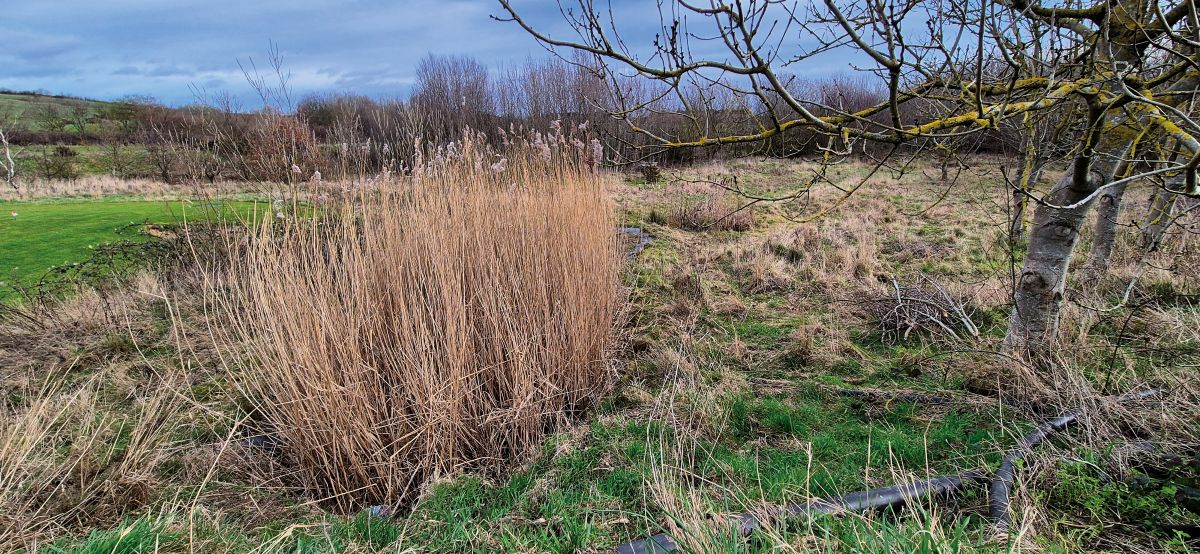
A properly designed reed bed filters contaminated water through the roots and stems of vegetation – typically common reed (Phragmites australis). Oxygen transported through the plant roots encourages beneficial bacteria and fungi in the surrounding soil, which then digest organic pollutants. Water moves slowly through the system, often across several beds in sequence, allowing repeated filtration before eventually reaching a soakaway or discharge point. You can drink the water from a well-designed reed bed but I wouldn’t if I were you, so take that as a disclaimer from me!
It’s worth noting that heavy metals cannot be broken down by this process. Reed beds are most effective against organic pollutants such as grass clippings, thatch and other plant material – exactly the type of waste typically produced during machinery washdown.
Designing a system
In the systems I design, the first stage is always an organic catcher positioned before the reed bed itself. Think of it as a sealed pit with a fine mesh grass trap inserted into it. This trap captures the majority of organic debris before it reaches the reeds. The collected material can be removed weekly and added to a compost pile, keeping the nutrient cycle on site. By the time the water reaches the first reed bed, it contains only small amounts of organic material, which the plants and microorganisms can easily process.
For an 18-hole course, a reed bed washdown system might require around 20m² of space, with roughly one metre of fall across the area to allow gravity-fed movement of water between beds before it finally enters a soakaway.
Of course, there are other practical considerations:
- Reed beds require good sunlight as reeds are full-sun plants
- Nearby protected habitats must be considered
- A reliable water source is needed for washing machinery
As with most course projects, these factors can usually be worked through during planning.
Get in touch
For clubs seeking a low-cost, sustainable and wildlife-friendly way to manage washdown water, reed beds can offer an elegant solution. If you’re considering installing one, feel free to get in touch ([email protected]). I’m always happy to discuss ideas and help clubs explore what might work best for their site. GI
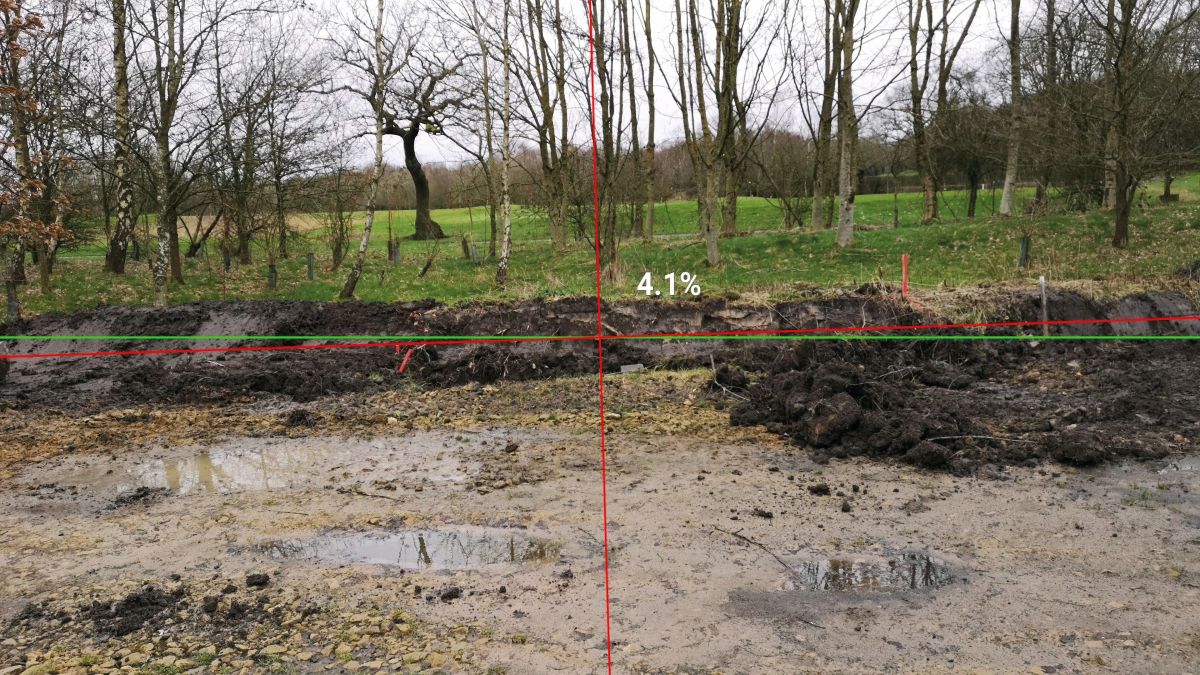
Reed beds: quick facts
- Treat washdown water using natural biological processes
- Most effective at breaking down organic pollutants such as grass clippings and thatch
- Require sunlight, gravity flow and careful design
- Typical system for an 18-hole course: around 20m²
- Construction can be relatively low cost
- Provide valuable wildlife habitat as well as water treatment
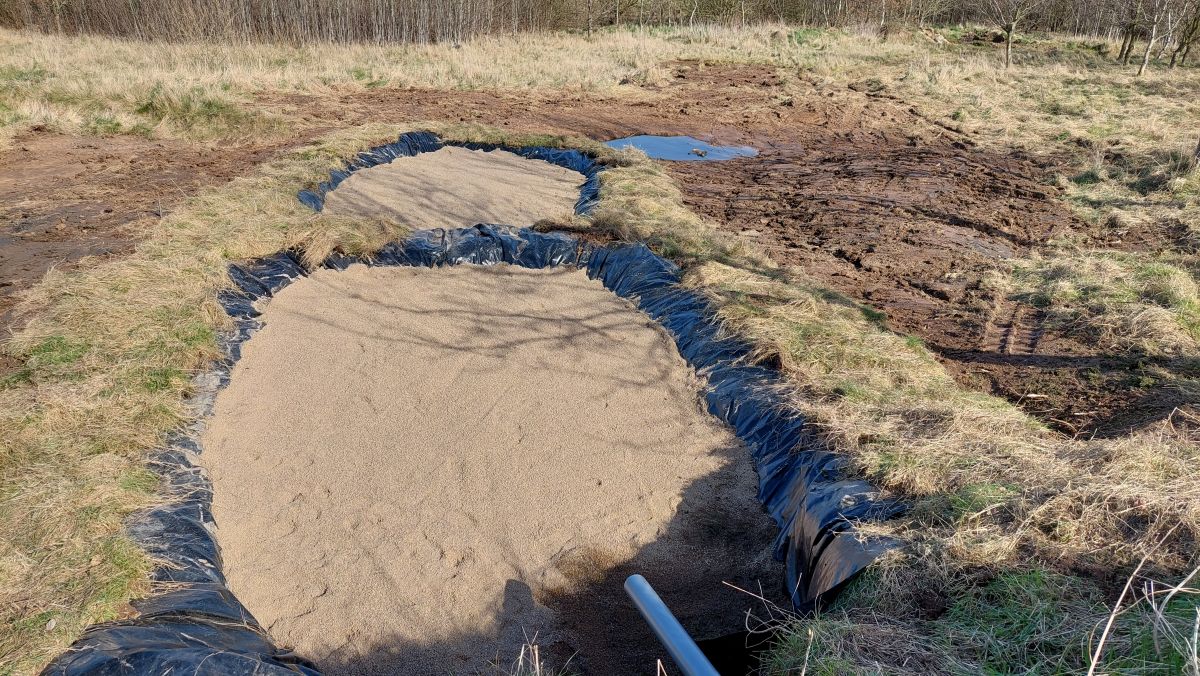
A working example
To see how this works in practice, here’s some insight from Greg Fitzmaurice, general and course manager at Hunley Golf Club in Saltburn-by-the-Sea.
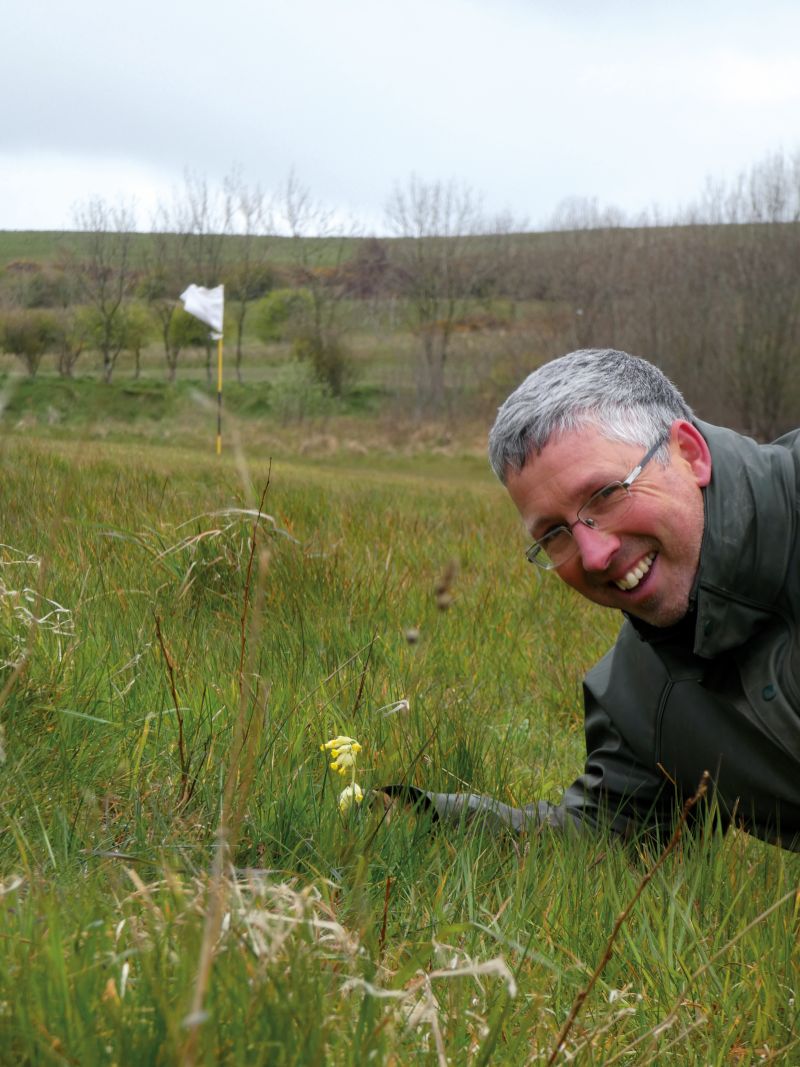
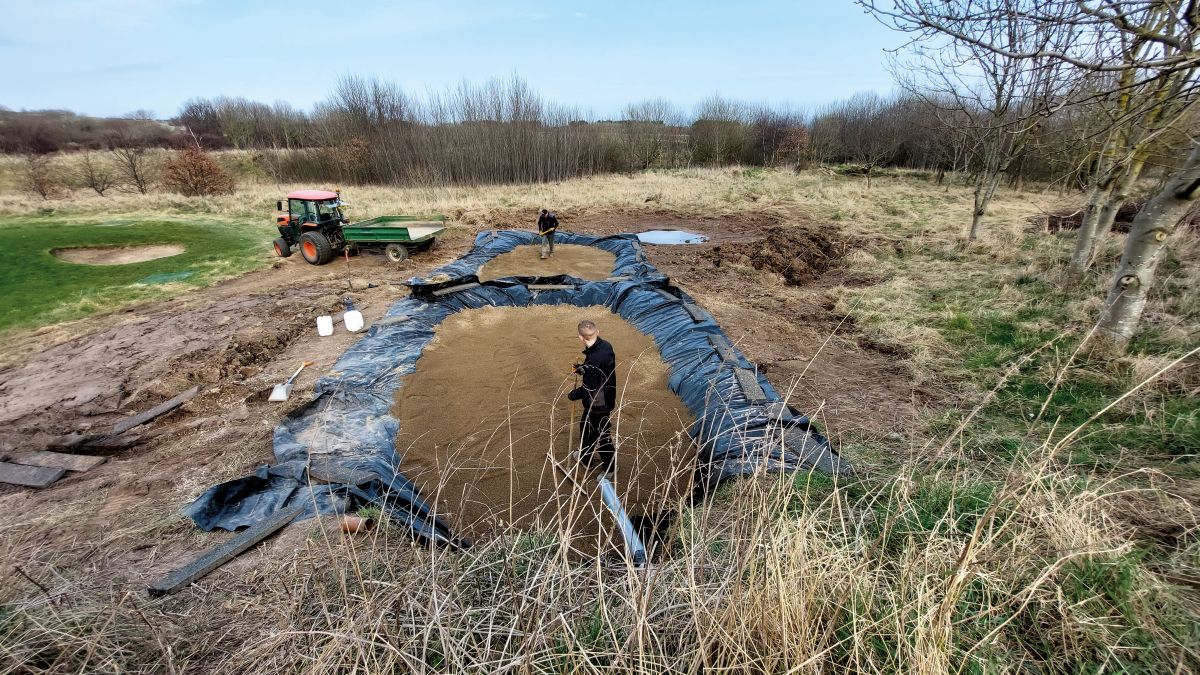
“Completed in early 2022, Hunley Golf Club's reed bed water filtration system stands as a smart and environmentally responsible solution to a common greenkeeping challenge: the contaminated water produced when machinery is washed down after use. Designed by James Hutchinson of BIGGA, the system was built at the club's maintenance facility and uses the natural filtering power of reeds to clean washdown water before it returns safely to the environment. Reed beds work by utilising the reed plant's ability to transport oxygen into the surrounding soil, creating conditions in which bacteria, fungi and microorganisms can break down and digest contaminants naturally.
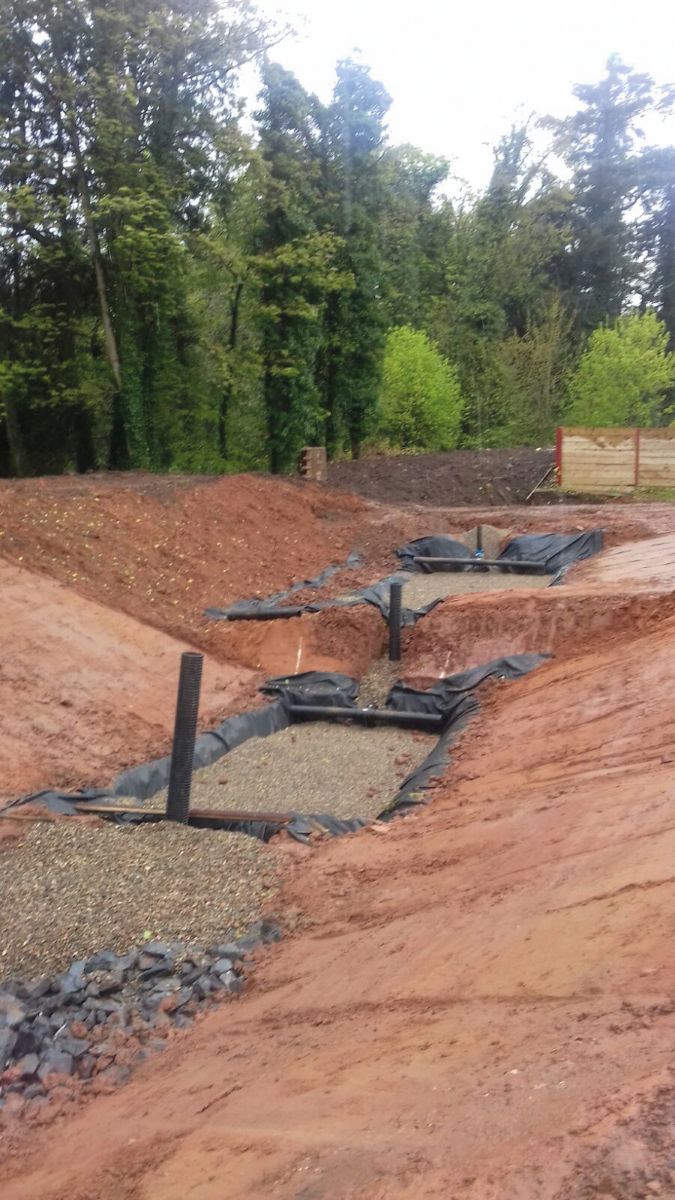
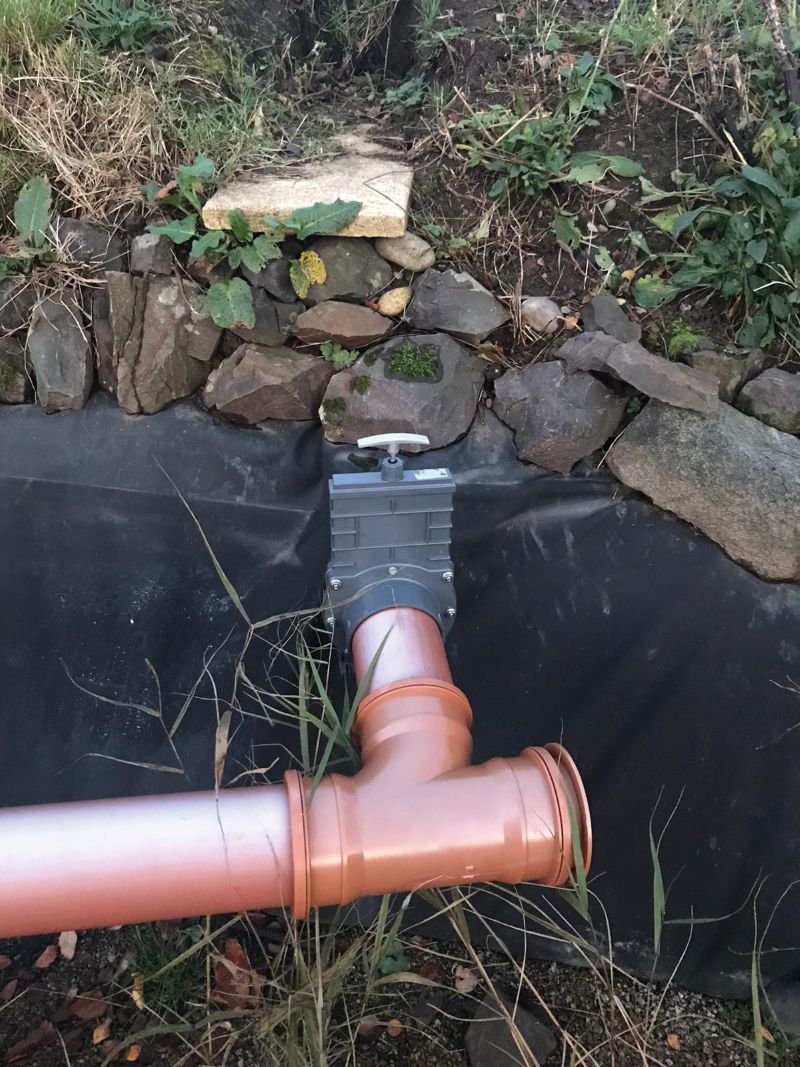
“The system at Hunley is built across three tiers. Water first passes through two physical filters that remove large debris, before flowing into the first reed bed. It is then held back at each level and released in a controlled manner through a pipe and sluice gate system, slowly filtering down through each successive bed until it finally reaches a soakaway – clean and safe to discharge. Maintenance requirements are low and the cost of construction came in under the project budget of £1,500. As an added benefit, the reed beds have created a new and valuable wildlife habitat on site. Reed beds are a nationally scarce habitat, and the new system is already expected to attract species that depend on them.
“This complements the club's existing network of ponds, which already host the great crested newt (a fully protected species) as well as a wide range of birds, insects, plants and mammals. A practical solution with genuine environmental benefit, Hunley's reed bed system is a fine example of how golf clubs can work with nature rather than against it.”

Author


About James Hutchinson
James Hutchinson has spent more than 25 years immersed in the world of golf and ecology. With seven years as BIGGA's resident ecologist, over 480 golf courses visited on behalf of the Association, and previous roles including Environmental Officer at St Andrews, James continues to advise clubs across the UK and beyond in a freelance capacity. An R&A Gold Badge Scholar with FdSc and BSc (Hons) credentials, few are better placed to comment on the state of golf course sustainability and the people driving it forward.