
Rebuilding Bearsden
When Balmore Golf Club in Glasgow was struggling through a drought in 1977 and called for help, they weren’t expecting their saviour to come in the form of 15-year-old David McBride.
The course had no irrigation system, leaving the head greenkeeper in urgent need of someone who could drive a tractor and newly acquired water bowser around the parched site. David lived nearby and hailed from farming stock, giving him the required practical grounding, even if he was a little more fresh-faced than Balmore might have been anticipating.
“I don’t think they were expecting a wee 15-year-old boy to come along, but there I was sitting on the tractor bowsing the golf course,” he recalled. “That was how I spent most of my summer holidays that year. After that, the golf club said they would like to keep me on, and I said to my dad I could still do farming at night. I ended up becoming an apprentice at the golf course and that’s where I got started in greenkeeping.”
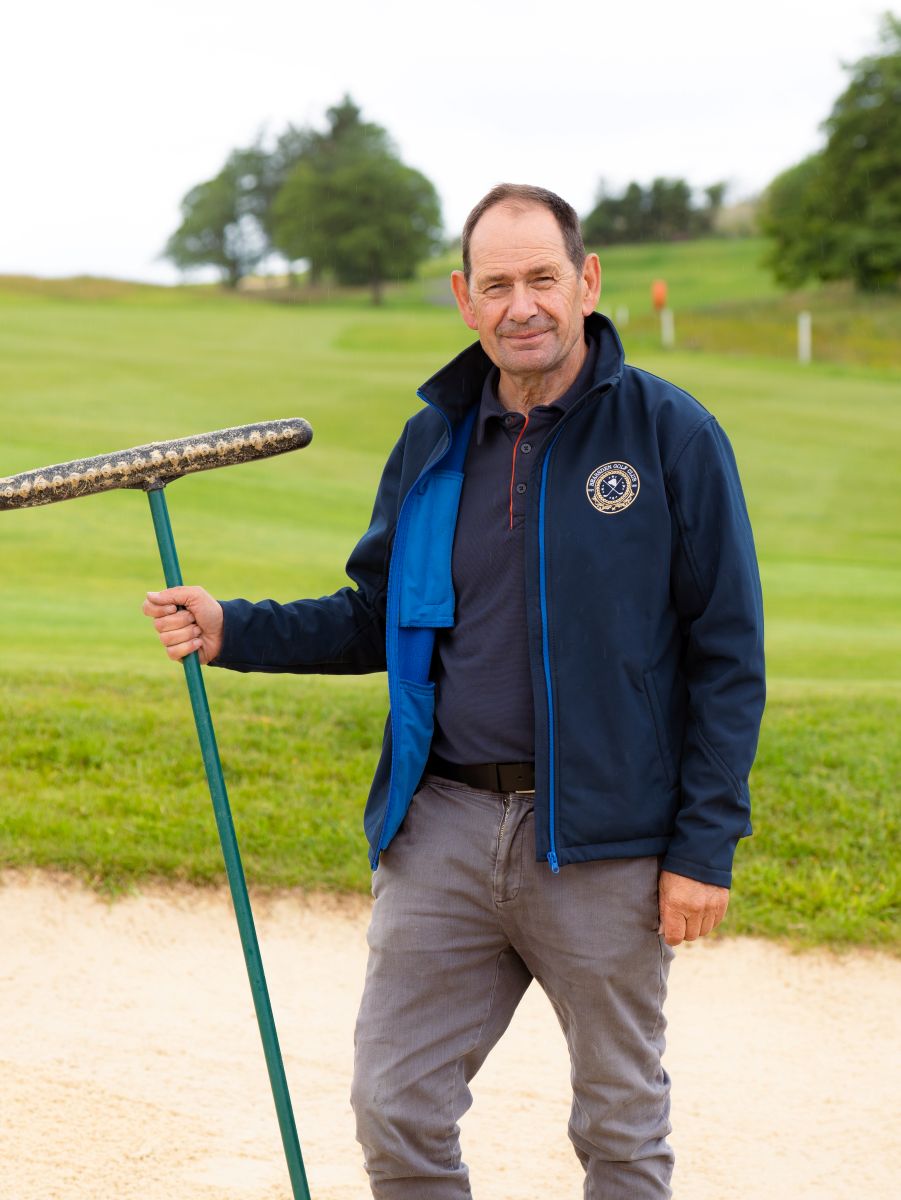
Nearly 50 years later, that instinct for solving the problem in front of him remains central to David’s working life. It has taken him from Balmore to more than three decades at Vale of Leven, into consultancy and land restoration and, ultimately, to Bearsden Golf Club, where the reconstruction of the historic 9-hole course became one of the defining projects of his career.
Founded in 1891, Bearsden had long recognised the need to modernise. Ageing push-up greens were restricting progress and the sale of land for housing provided the funding for a full rebuild, reshaping the remaining site into a modern layout designed for the future.
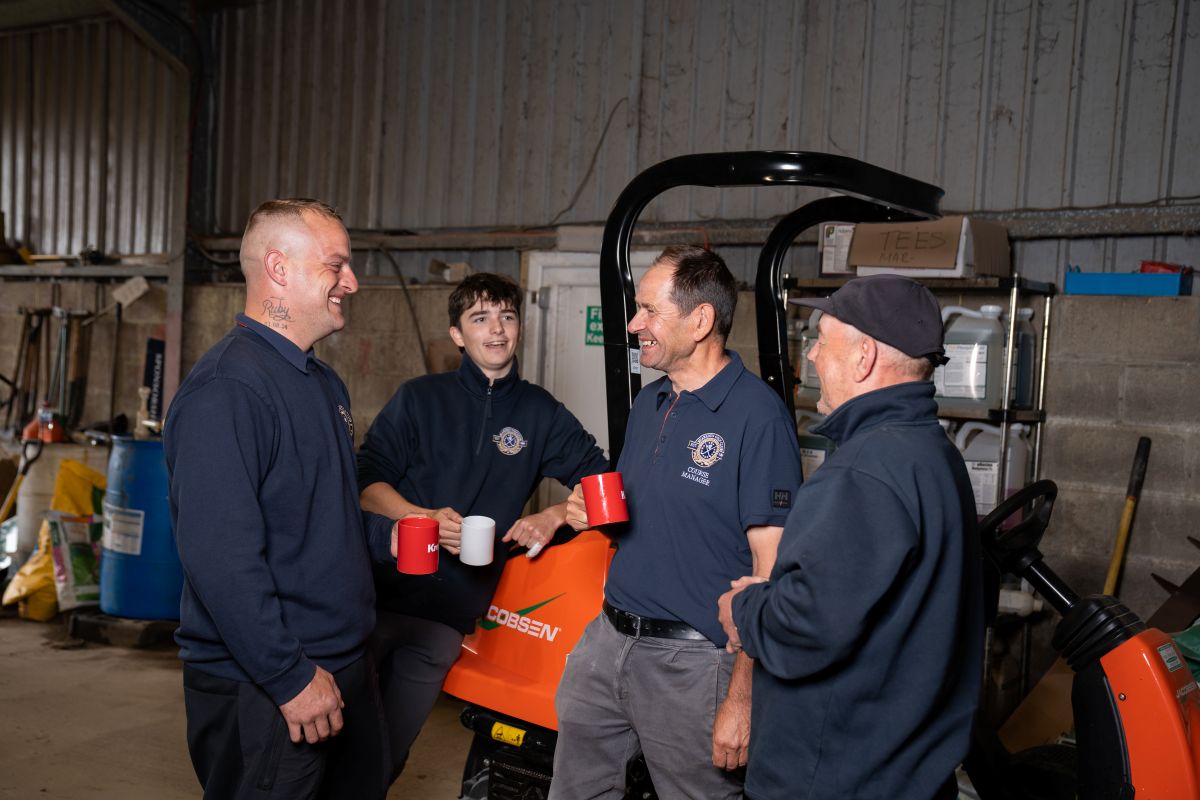
The work earned Bearsden a place among the finalists for the BIGGA Greenkeeping Project of the Year Award, recognition of an endeavour that has consumed much of the past three years of David’s life.
Working alongside colleague John Brown, David delivered on a brief shaped by the site’s proximity to a UNESCO World Heritage Site, public rights of way and flood-management obligations. An additional challenge was presented by the requirement to keep nine holes in play throughout the reconstruction.
Having completed in April, David reflects on an undertaking that called on everything he had learned from a career spent solving problems for which there are no quick fixes.
How did construction become such a big part of your career?
Construction was always what interested me most. Some people are more drawn to presentation, but I liked building things and improving things. At Balmore we started replacing greens with USGA-spec greens, which wasn’t common in that area at the time.
When I later moved to Vale of Leven as course manager, we gradually rebuilt the whole course piece by piece, including greens, tees and access roads. It was a long process, but it gave me a lot of experience. You are constantly learning in this industry, and a lot of what I learned over the years came from getting involved, solving problems and working out how to make things better.
How did consultancy become part of your working life?
It started through a BP pipeline that went through Vale of Leven. Contractors were having trouble growing grass back in and dealing with drainage issues, so they asked if I could help. That led to more work troubleshooting land restoration and eventually to a part-time consultancy alongside my golf club role.
One of the biggest projects was Pumpherston, on land linked to former industrial use. There were contaminated soils, old detergent works and a lot of technical challenges. We worked on keeping material on site, using bacteria to break down contaminants and cleaning water through reed beds. That project won awards and gave me experience in environmental enhancement, land restoration and working with other specialists.
What was your relationship with Bearsden before this project began?
Bearsden was my golf club. I played there and was greens convener for more than 20 years, so I had a long attachment to the place before I became involved in the rebuild in a professional capacity.
A steering committee was set up a long time ago to look at the future of the course and I was involved in that. The committee changed over the years as people moved on, but a few of us stayed with it. There were years of discussions before anything happened on the ground.
Why did reconstruction become necessary?
The original course was an old 1891 layout and the infrastructure was holding the club back. The push-up greens had limitations and the club had already looked at modernising the facilities. Around 20 years earlier, Bearsden had sold a piece of land and rebuilt the clubhouse, as well as carrying out some drainage work, but the course itself still needed a bigger answer. The major opportunity came through the sale of 10 acres for housing. That gave the club the funding to rebuild and also meant we had to think very carefully about what the remaining land could become. There had been discussions about different options, including whether the club could develop towards 18 holes, but the final direction became creating a strong modern 9-hole course on the existing and adjoining land.
How did the Antonine Wall affect those plans?
The Antonine Wall runs through the area and has UNESCO World Heritage status. It is not as famous as Hadrian’s Wall, but it is historically important and it brought significant restrictions. Once you have that status, there are controls on development around it and that changed what could be done with the land.
We had to deal with Historic Scotland, the local authority and the restrictions around the site. There were archaeological digs and investigations, including on the original course. The wall effectively stopped some of the earlier ideas. But what we haven’t done is compromise on the overall vision of rebuilding a high-quality 9-hole course.
What was the vision for the new course?
The aim was to create a modern 9-hole course that would be sustainable, playable and better suited to the future of the club. We wanted high-quality greens, better surfaces, improved drainage and a course that made better use of the land.
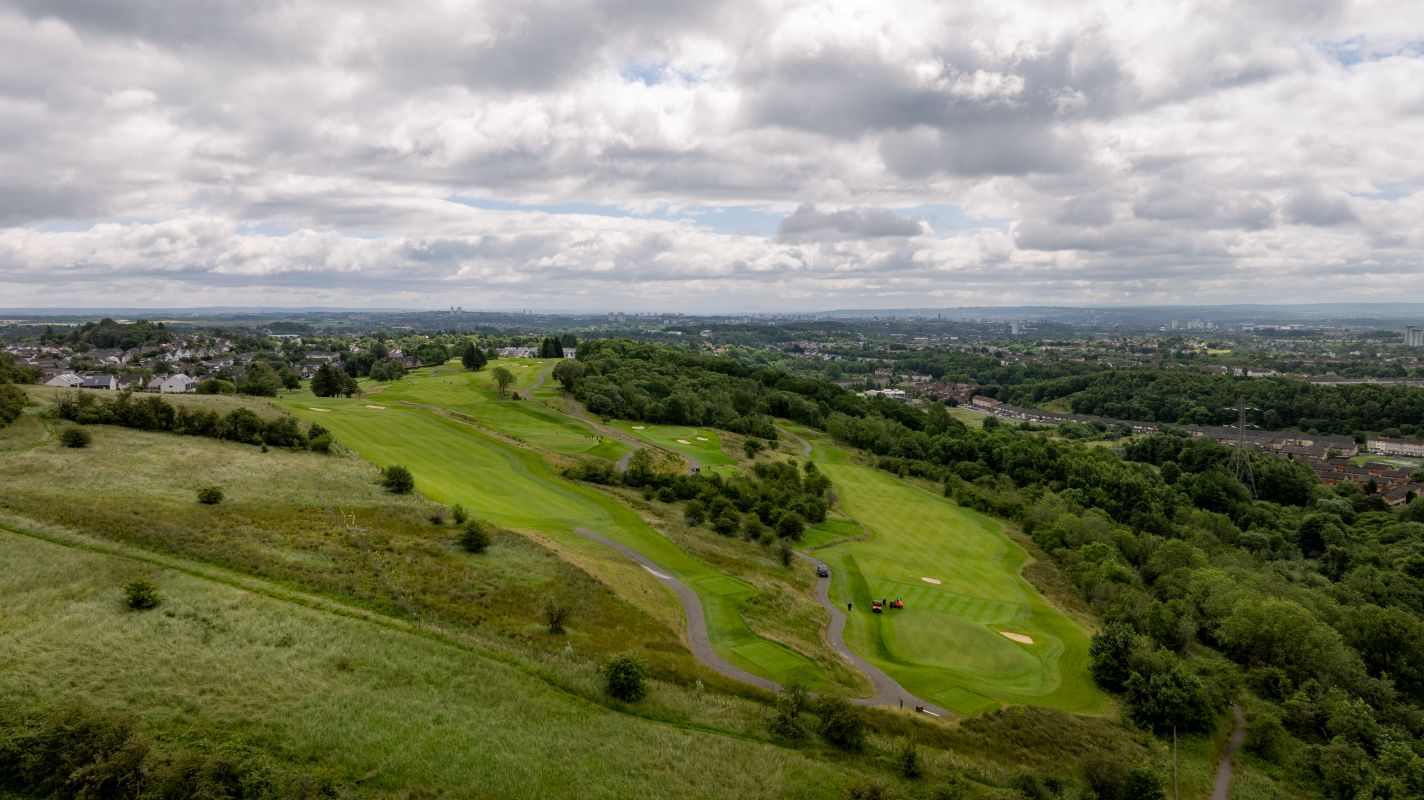
We bought additional acreage and used that to enhance the layout, while three-and-a-half holes were built on new land before being linked back into the old course. The 1st and 9th holes are roughly in areas members would recognise, but most of the course is a complete rebuild.
We kept a lot of woodland and tidied areas up rather than stripping away everything that gave the place character. Members were not demanding that particular old holes had to stay, but there was still a responsibility to make the new course feel like Bearsden.
How did you manage to keep nine holes in play throughout?
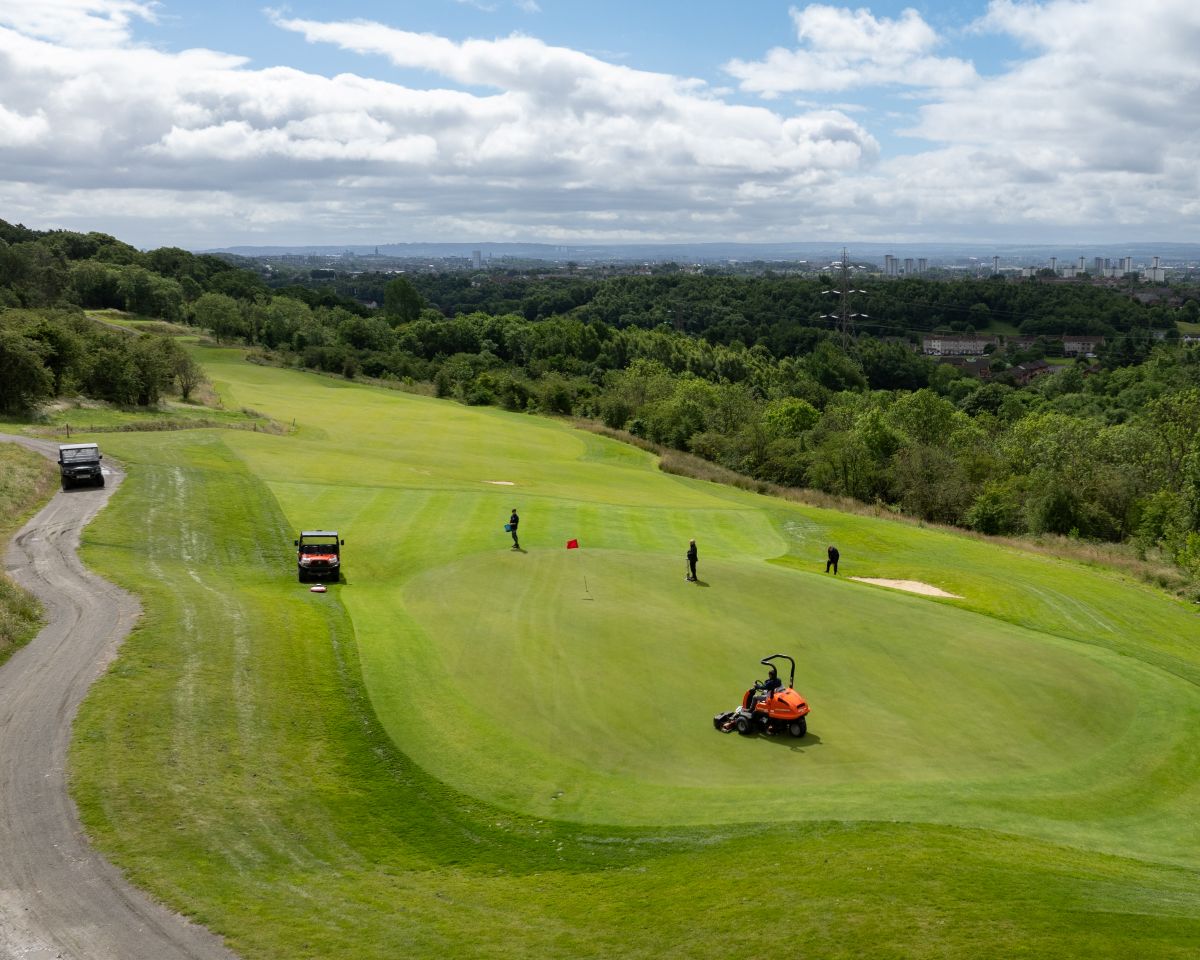
I had done something similar before, but this was much more difficult because the site was so constrained. We were building greens, bringing them in quickly, creating temporary holes and constantly linking one part of the course to another.
At one stage we built a temporary hole, turfed it, brought it into play within six weeks, then over the following year cut it out and carried out extensive renovation of the green, including heavy coring, topdressing and overseeding.
You had construction happening, golf still being played, surfaces at different stages of maturity and members having to adapt as the layout changed around them. Their support and patience mattered because the disruption was unavoidable.
How badly did the weather affect the project?
In 2023, we had seeded several greens and everything was looking good. Then we had the biggest rainfall in a short period since records began. It was something like 76mm in around 28 hours, and it caused about £130,000 worth of damage on the golf course.
Three newly seeded greens were badly damaged. Sand moved, silt and finer material collected in low spots and problems were created that could show up later. Those greens had to be repaired while we were constantly dealing with the impact of water. On the west coast of Scotland, you have to expect rain, but this was beyond normal.
What were the main grow-in challenges?
The greens were built to USGA specification and we chose a rootzone with 96% sand and 4% organic matter because we are in a wet part of the UK. In the long term, that makes sense, but it was difficult to grow in because the mix drained so quickly.
We then had hot, dry periods and were running irrigation hard just to keep enough moisture in the surface for germination. Different greens, tees, approaches and fairways were all at different stages, needing different cutting heights, fertiliser, topdressing or disease management.
Take-all patch became one of the more frustrating problems on those young sand-based greens, and it taught us that the surface only tells part of the story.
How did you manage the workload?
I was first in and last out of the door, but a lot of the work carried on at home because there were phone calls, paperwork and committee meetings. I only had a handful of days off.
John Brown also played a huge part in it all and I’m thankful to him for that. You certainly need that support when you’re dealing with a project of this scale.
We had a small team so training people was essential. Once someone became good at a particular task, I often kept them on it because the work was delicate. With newly seeded greens, for example, we were hand cutting and working off boards so we didn’t damage the surface. I tended to do the first few weeks on newly established greens, tees or approaches, then hand them over once they were through the most vulnerable stage. The team became more versatile as the project went on.
How has the course played since opening?
The course became fully operational in April this year, but opening is not the end of a project like this. You learn how it plays, where people struggle and what needs refining.
The feedback has been very positive, particularly from visiting teams, but the course is playing harder than expected. The greens are big and undulating, poor shots are punished and some have found it particularly difficult.
We are already looking at changes. That might mean adjusting semi-rough, filling in part of a ditch on one hole and using different tees. It is not about making the course weak; it is about making it fairer and improving playability for the membership we have.
What has kept you motivated through such a demanding project?
I still have the hunger to make things better. Greenkeepers are a unique breed and I think farming has a similar mindset. You take pride in what you do and you want to keep improving it.
Some people might treat it as a job, but for me it has always been more than that. It is my profession and my life. I still get a lot out of talking to colleagues, learning from other people and getting feedback.
The industry has changed massively since I started. Even growing in fairways has changed. We used a robot during part of the Bearsden grow-in because it was lightweight and suited the ground when conditions allowed. You are always learning.
What did the BIGGA Awards recognition mean to you?
Recognition from your peers is important. I have been involved with BIGGA over the years, particularly in education in Scotland, and I think it is a very important organisation for the industry because it keeps people together, supports training and helps everyone stay informed.
Education has always mattered to me. If you look at America and Canada, education is a massive part of their industry, and it is important that our greenkeepers are educated and supported as well. BIGGA gives the industry a platform for that.
To be recognised for the Bearsden project meant a lot because the work was difficult and there were so many people involved. It was nice for the club, the team and everyone who supported it to have that acknowledgement.
What comes next for you and for Bearsden?
Bearsden is trying to keep me involved until 2029, but I will probably phase things down. I may work towards 2028 and then start reducing my days, with the aim of bringing in a new greenkeeper and handing things over properly.
That matters because the course is still young. There is refinement to do and whoever takes it on next will need to build their own team and move it forward.
Greenkeepers often find it hard to walk away because you put so much of yourself into a course. It is similar to farming; you do not really stop caring. You keep looking at what could be better. GI
Managing water, protecting habitat
Flood management became one of the defining elements of the Bearsden rebuild. Wider flooding issues in the town meant the club had to incorporate measures that would slow and manage water moving through the site before it reached existing culverts.
The Natural Flood Management scheme was more substantial than first expected. Specialist modelling was used to establish what was required, with the system designed to cope with more demanding storm events than originally anticipated.
At the heart of the scheme is a winding burn with 27 loose dams. Water is held in a sequence of small ponds or flood cells, each filling before water moves slowly through the next dam. The purpose is to avoid a sudden surge into the culvert system and reduce pressure further downstream.
Environmental enhancement also shaped the project. Native tree planting was included, existing woodland was retained and tidied where appropriate, and a protected ancient hedge was successfully relocated. Deer fencing and new access roads were added during the works, improving both protection and long-term management of the site.

Troublesome take-all patch
Take-all patch has been one of the most frustrating parts of establishing the new USGA-specification greens at Bearsden, writes David.
The surfaces are built on a very sandy profile, which gives us excellent drainage and firm year-round playing conditions, but it also means nutrients and moisture move through the rootzone quickly.
That became clear during the last two summers. The greens often came out of spring looking healthy, with good rooting and strong presentation, but once temperatures moved into the mid-20s the first signs started to appear. At first it could look like simple nutritional stress: a faint bronze or purple colour, slower growth and reduced clipping yield. Within a few weeks, those areas could develop into recognisable take-all patch.
The biggest lesson for me has been to look below the surface. The putting surface only tells part of the story. We now regularly remove plugs to check root depth, root colour and overall plant health. Healthy areas will show strong white roots, while affected areas often have brown, brittle roots and far less active growth. Once roots are weakened, recovery is slow, however the surface looks.
Our management has therefore moved towards strengthening the plant rather than simply reacting to symptoms. On these sand-based greens, consistent nutrition is vital, so we apply lighter, more regular nitrogen inputs rather than heavier feeds further apart. Magnesium has also helped maintain colour and support chlorophyll production during stress periods.
Moisture management is just as important. We monitor VMC daily and aim to keep levels consistent, avoiding sudden drops during dry, windy weather. Hand watering, wetting agents and regular aeration all play their part.
There is no single cure for take-all patch. For us, progress has come from understanding the conditions that favour it and building healthier, more resilient turf capable of recovering more quickly.
Author
