How Pyecombe's environmental work earned national recognition
Pyecombe Golf Club's longstanding commitment to sustainability was recognised when it won the Syngenta Operation Pollinator Award in January.
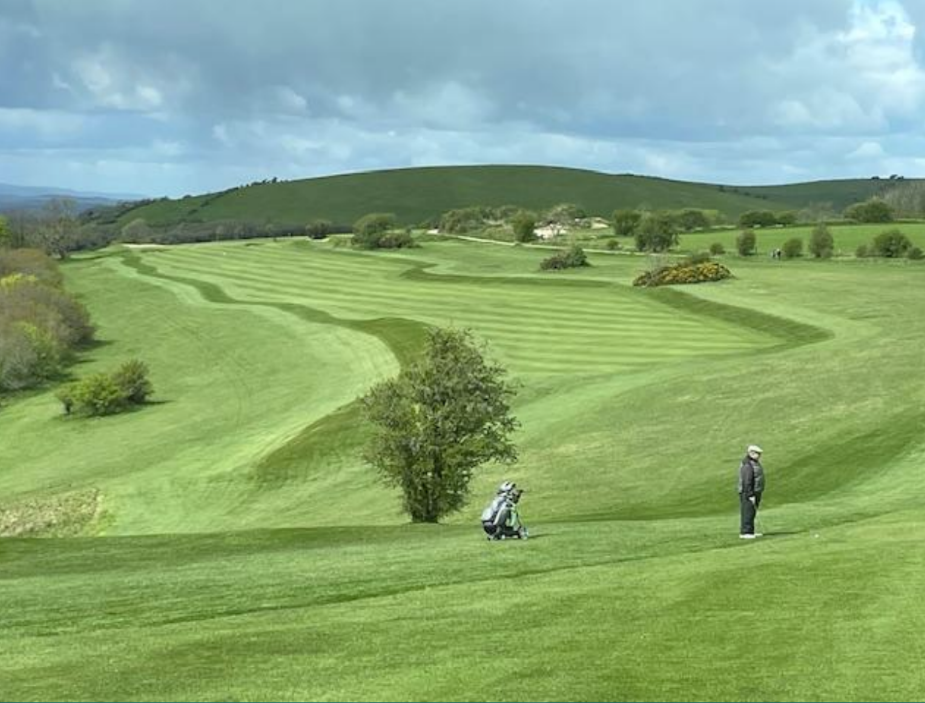
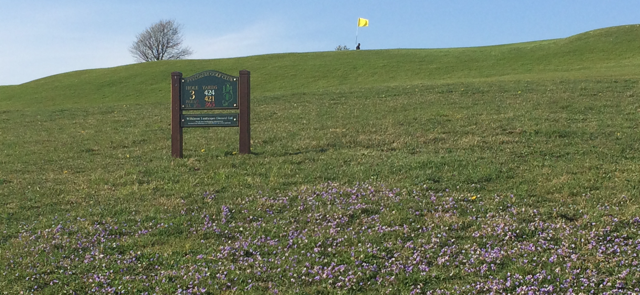
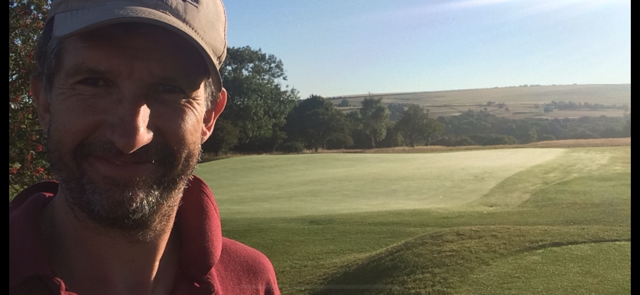
Situated within the South Downs National Park, the East Sussex venue is a downland course rich in wildflowers and wildlife. Course Manager Simon Wells has spent decades embedding an environmental ethos at the club while continuing to produce high-quality playing surfaces.
Simon joined Pyecombe in 1991, having previously worked at Walton Heath, and immediately saw opportunities to improve the course.
"I'd come from Walton Heath. I'd travelled for a year before coming here, and I looked at the golf course and thought it could be better," Simon said. "One of the ways was to give some more definition – I had plans to introduce the roughs, as it were. I had to get the management on board and one of the ways I sold it to them was to say it would make the course more defined, so the holes and playability would be better by defining that. Rather than cutting semi four or five days a week, because it's a big golf course, we could use that labour to do better things on the course; attention to detail, save on diesel, and save on wear and tear on the machines."
That change laid the foundations for environmental work that has continued to evolve throughout Simon's time at Pyecombe.
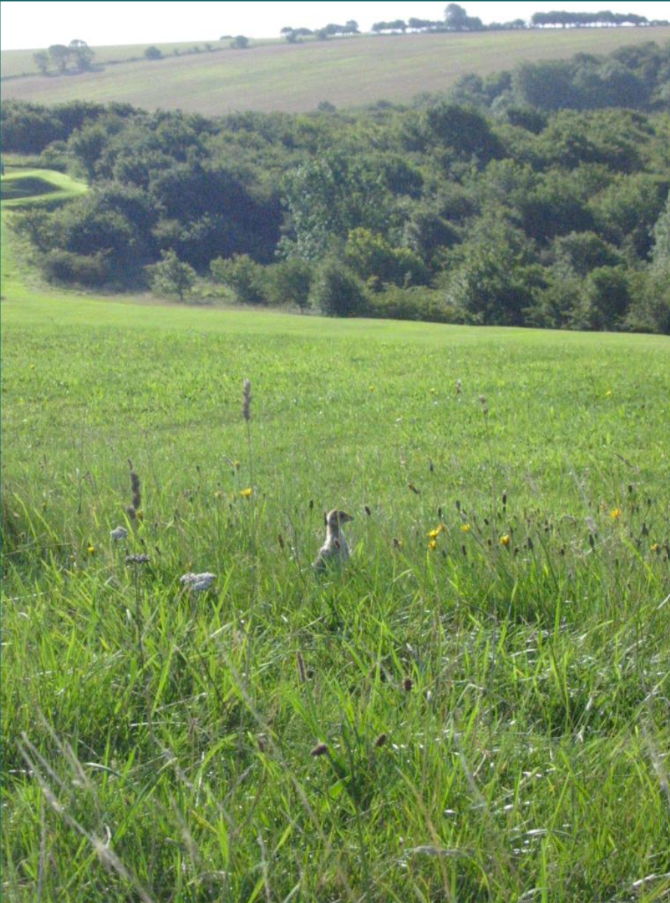
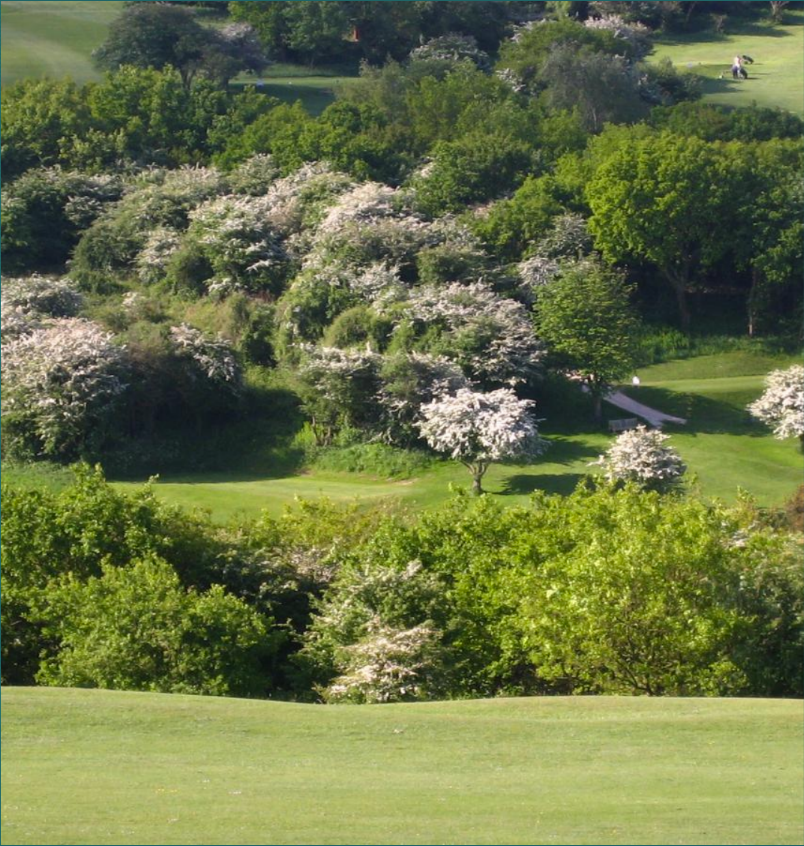
"We've done various things," he said. "We've built ponds over the years. We've cut trees back, so that we don't get a wall of trees. We're trying to create biodiversity, so you're not just going straight from rough grasses into a tree line. You'll have some scrub. You'll have more dense, thicker rough. We've been doing it for a long time. The roughs themselves, we've been doing for 30 years, but of course, you need a long time in certain places to get the benefit of the work. We don't fertilise a lot. We don't stripe everything. If the weather is conducive, we do. But we try to reduce our pesticide inputs. We use compost teas. We use organic fertilisers as much as we can. But it's the roughs that everybody is really impressed with, they are wildflower-rich. Any experts or agents that come here, they're just amazed by what we've got - the amount of flowers that we have and how thin the roughs are compared to other golf courses."
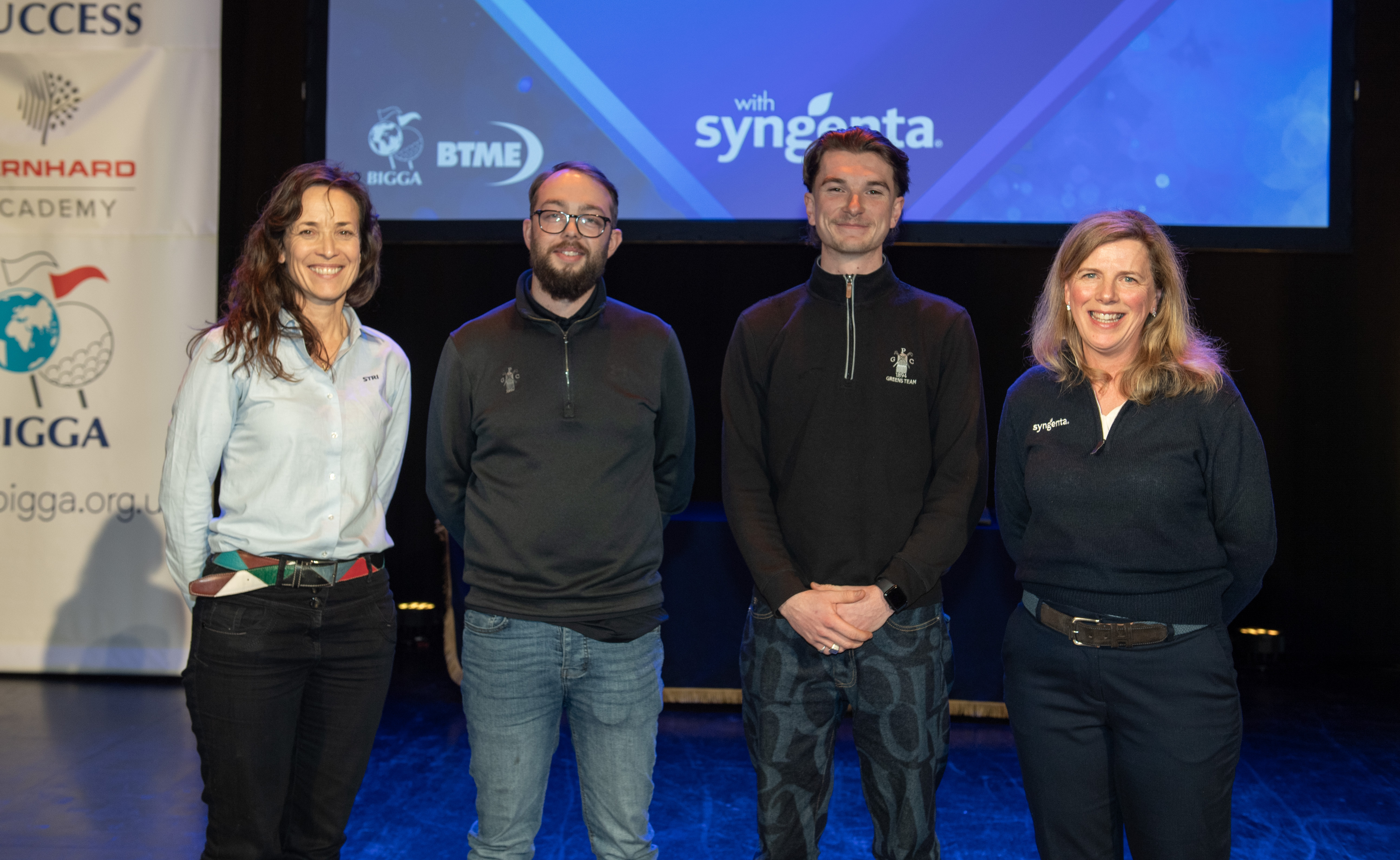
Pyecombe was selected from finalists including Carnoustie Golf Links, Lewes Golf Club and North Hants Golf Club. Simon and his team of four impressed the judges by protecting the natural environment while presenting the course to a high standard. Assistant Fynley Wells and Toby Martin were on hand to collect the award.
Course walks and club publications have helped Simon explain the approach, while members have supported projects including bird boxes, bug hotels, stag beetle hides and the removal of ragwort.
"The members are happy to receive any award, because it's their club and they're proud of it," he said. "And I'm lucky at Pyecombe that the management committee have bought into the way that we manage the course, and the members do volunteer. It's their course, and quite a lot of them will get involved. We had one member build bird boxes and put the bird boxes out for us. We've made bug hotels and stag beetle hides."
Simon has also sought guidance from ecologists and other specialists to help Pyecombe develop its work.
"I seek other experts out in their field, and they're always so willing to give up their time, experience and their knowledge to me, so that we can better things."
The club works closely with the South Downs National Park and has become involved with Weald to Waves, an initiative seeking to establish a 100-mile nature corridor across Sussex.
"The Weald to Waves scheme is about getting other golf clubs together, land managers, farmers, the public as well, to try and create wildlife corridors from the Weald to the sea, because especially down here in the southeast, the wildlife is so fragmented, and wildlife needs to move around. It needs corridors to move from A to B."
Pyecombe has restored 50 acres to native chalk downland and wildflower meadows through scrub management, growing yellow rattle and cutting and collecting grassland.
Its wider approach encompasses recycling, renewable energy and efficient water use. The clubhouse has ground source heat pumps and solar panels, while the club uses its own borehole and monitors moisture levels and evapotranspiration data.
"On that front, there are four things you need: recycling, energy, water, and then amongst all of that, you've got to create a really good golf course, because there's no point in being environmentally friendly and sound, and then everybody says the course is terrible."
Author

Why applying is part of the process
Pyecombe's success did not come at the first attempt. Simon had previously entered the club's environmental work for recognition and found the feedback helped him identify further improvements.
"Many years ago, when I first started doing environmental work, I applied. I didn't get anywhere, but I got some feedback," he explained. "They got back in touch with me and said, 'Great on what you're doing, but these are the things you could try', and then suddenly you're like, 'I've got an idea on how I can improve things', and that's why I think it'd be good for anybody to apply if they can get some feedback. It's great to win it, but if I'd have come second or third, I would have had the opportunity to talk and learn."
Nominations for Syngenta Operation Pollinator at the 2027 Golf Environment Awards are open now!