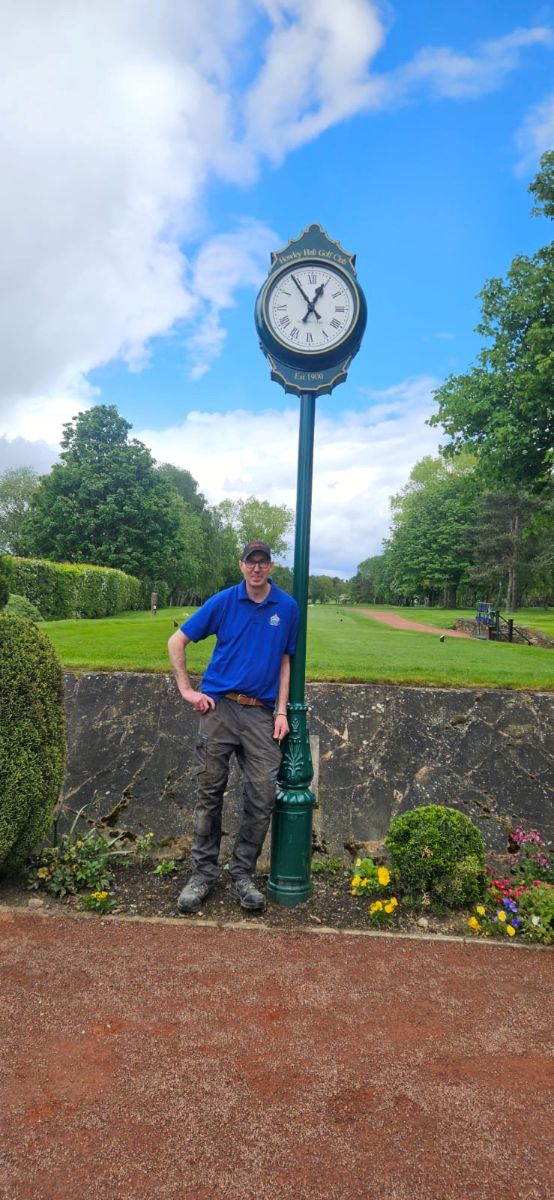
My New Job: James Breeze
Howley Hall were looking for a greenkeeper and got more than they bargained for when James Breeze applied for the role. With qualifications spanning turf management and mechanics, James offered a skillset the club could not ignore. The result was a role reshaped around his expertise and something Howley Hall had never previously had: a dedicated equipment technician.
James began at Midgley in Wakefield before spending almost 13 years at Huddersfield. A spell working in the United States at Oakmont for the US Open as part of the workshop crew helped confirm his mechanical ambition, and he assumed a full-time position at Howley Hall earlier this year, with the support of a course manager and club who understand his value.
How did the Howley Hall opportunity come about?
I saw the advert through BIGGA, but the role I ended up taking wasn’t really the role as advertised. They were looking for a greenkeeper, but once we got talking and they saw what I could offer, the conversation changed and I think it was an opportunity too good to miss for the club and for me. Not a lot of golf clubs have mechanics now. I’ve got the best of both worlds because I’ve got the greenkeeping background, but I’ve also got the mechanical qualifications and I’ve proved I can do that side of the job.
Do you contribute on the greenkeeping side at all?
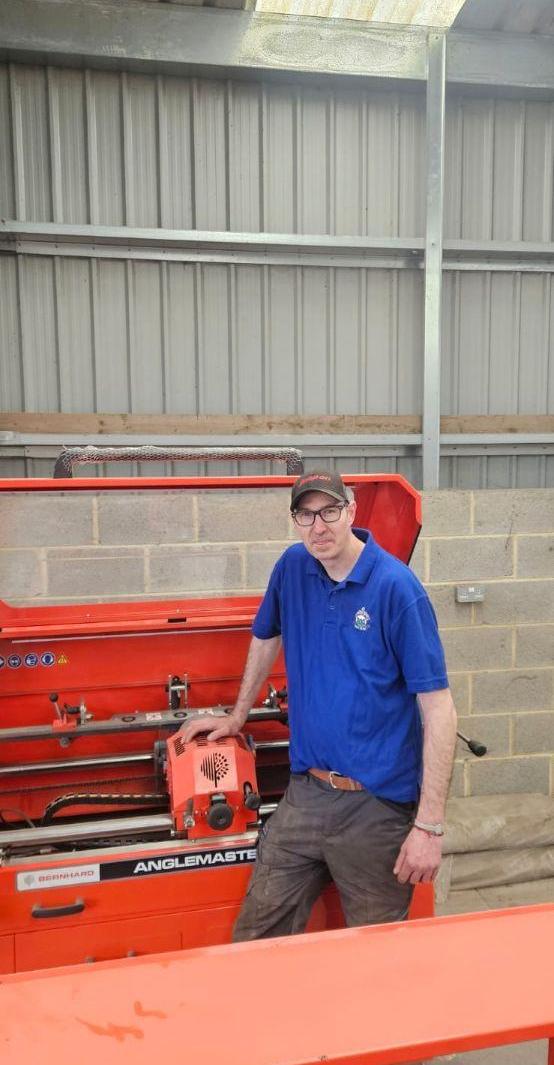
I’m primarily mechanical based. I might do half an hour or a couple of hours on a Friday morning to help with setup for the weekend, but apart from that I’m in the workshop. I came into a situation where they had never had a mechanic before, so I’ve set out my goals for what I want to achieve. There’s a lot to do and there’s a lot of machinery to maintain and repair.
What are you responsible for?
Everything in that facility is under my watch. I look after the facility and everything in it, from greens mowers to tractors and every mower through to the two-stroke equipment. Before I came in, they were using outsourced mechanics and trying to do little bits themselves, but that can only go so far because you need a clear understanding of what needs to be done. I’ve now come in and put a plan together. I can say this machine needs this work, this is the cost and these are the quotes. It’s about building a process for every machine.
I knew what I was coming into because I saw the sheds before I took the job. I wanted to see the club as a whole and understand what I was taking on. There’s nothing in there that scares me. The important thing now is structure and making things more efficient so there’s a consistent work flow.
How do you make the case for investment in equipment?
That’s a big reason why they brought somebody like me in. The outgoings from outsourcing work and getting quick repairs done elsewhere can be significant. With me on board, I can put a process together and explain what needs doing, what it will cost and why. The long-term aim is that every machine is maintained properly.
How closely do you work with the course manager?
The relationship with Kevin (O’Neill) is unbelievable. I’ve come into a club that really respects what somebody like me is offering. He has basically said that I should take control, let him know if there’s anything that needs sorting and, if there’s a price tag attached, we’ll discuss it and move forward. The day-to-day routine is superb and the relationship is really strong.
Does your greenkeeping background help win respect and trust from colleagues?
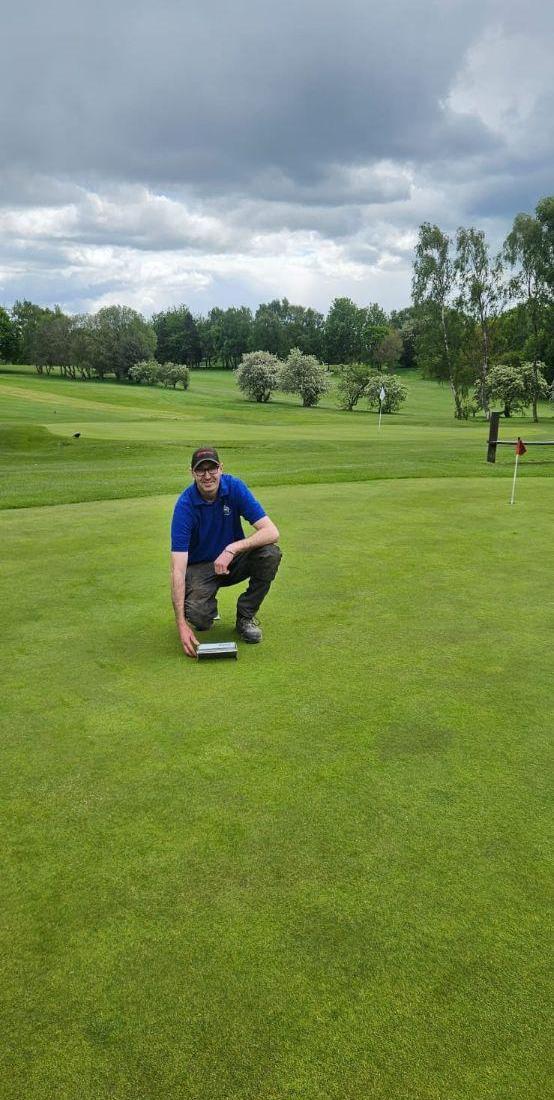
It’s a massive asset because I understand what the greenkeepers are trying to achieve. It all starts in the workshop and filters out onto the course. If you haven’t got a healthy working workshop, it’s going to affect what happens on the surfaces day to day. I understand how to set units up for different conditions and I can speak to the course manager for example and discuss prism gauge readings, then suggest adjustments before the next cut. It’s about understanding what you have to work with and getting the best out of it.
What does success look like in your first year?
The first target is to sort the facility out. That means organisation, repositioning and structuring a proper workshop area. On top of that, I want to turn around machines that have been neglected and major repairs. I also want to put a structure in place that helps me and Kevin explain to the club where we are financially, what needs spending and what routine maintenance is being done. The target for this year is to make the workshop more efficient day to day. The more efficient the workshop is, the more effective and efficient the whole golf course process becomes.
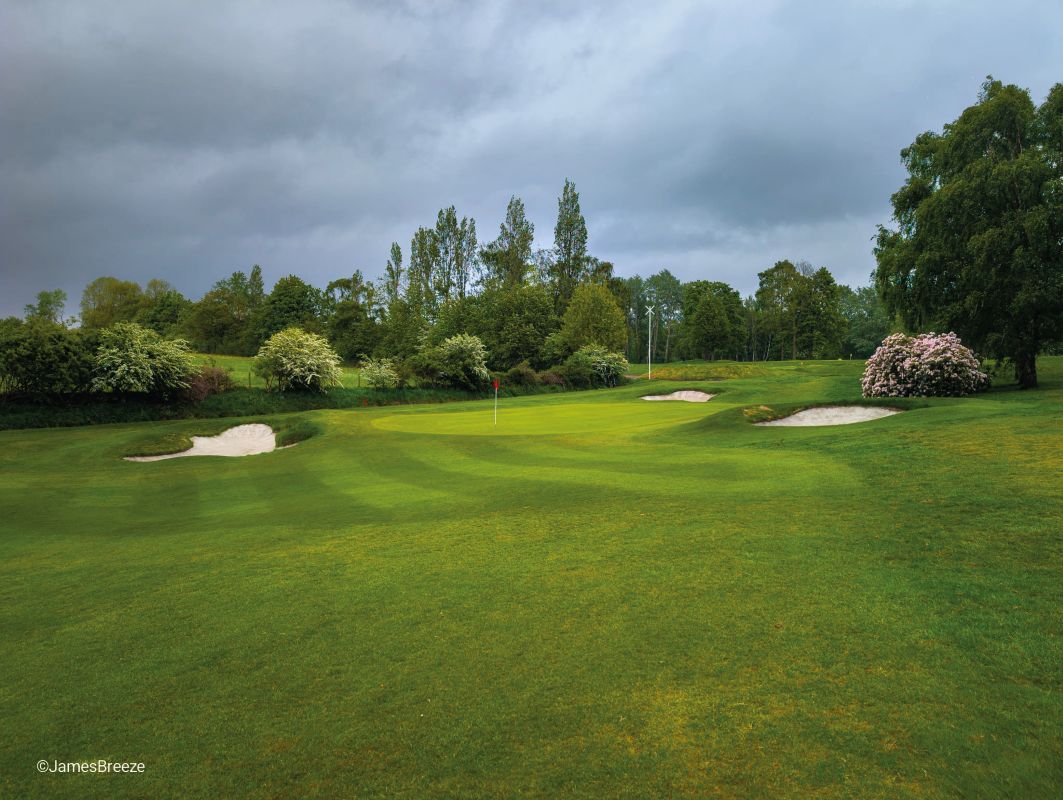
Author

Why workshops matter
For James, a healthy workshop leads to better surfaces. If machines are properly maintained, set up correctly and repaired quickly, the greenkeeping team has the best chance of presenting the course consistently. "We are fundamental to what goes on out on the course," he said. "We need that highlighting in the industry because there aren't many of us right now. We need to get the message out that there needs to be more of us."