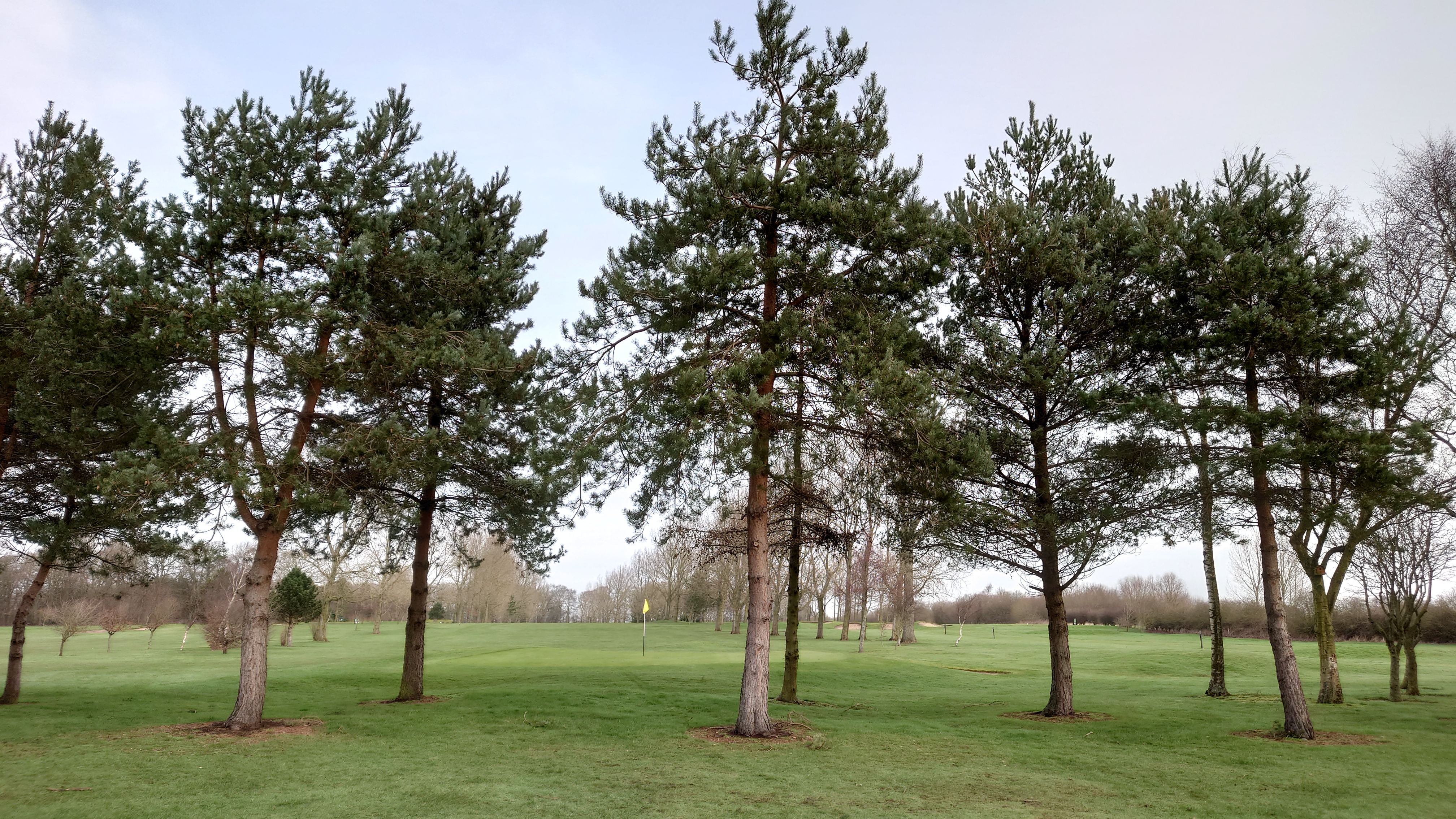
Managing trees: Know when you need a felling licence
If you’re planning to cut a tree down, you may need a licence. There you go, feature over, I’ve got nothing more to write about. Actually, there is a tad more to it than that, such as the size and type of tree, whether there are any nests present and a whole bunch of other potential minefields to navigate.
Fear not, because those nice people at the Forestry Commission have given their time and considerable knowledge to help us out. I actually learned some new information while gathering material for this article, and I hope it goes some way towards helping you avoid hefty fines, or worse.
Roger Butler, BIGGA’s membership services manager for Northern England, and I spent some time with a wonderful person from the Forestry Commission, Tabitha Robinson, a regulations and incentives support officer, who was more than helpful in pointing us in the right direction.
As you may be aware, I tend to ‘tell it like it is’ and don’t waste time coating sensitive subjects with icing. Tabitha is much the same and has very kindly shared her knowledge with us here.
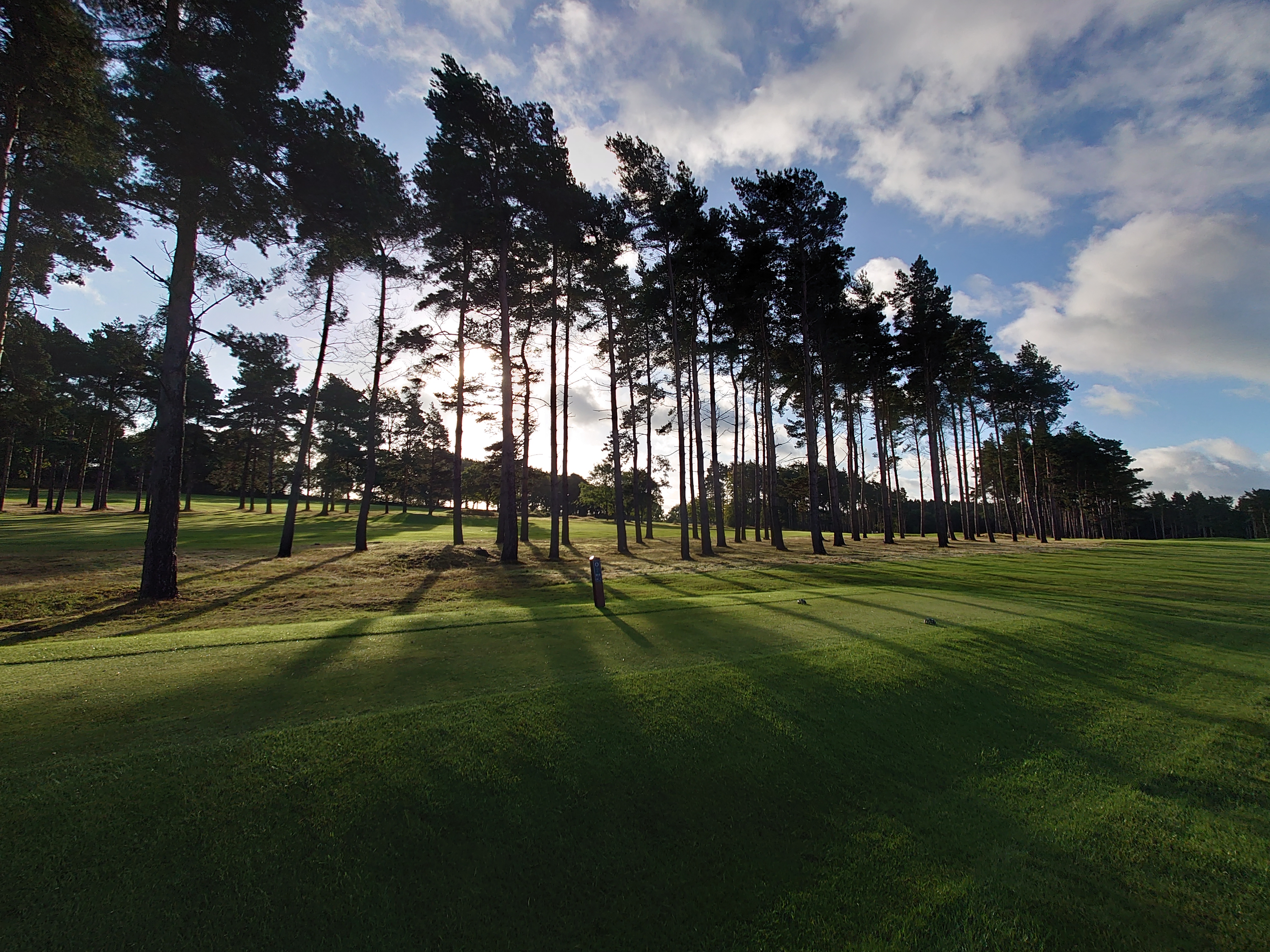
Managing woodland and trees on the golf course
Trees on golf courses can provide a range of benefits, from offering shade to golfers and adding challenge and structure to your course, to increasing biodiversity. Large and veteran trees can also help create a unique look and feel.
However, trees grow, decline and eventually die, making tree management, including felling, an essential part of greenkeeping. It is also crucial to keep an eye on your trees for the safety of people using or working on your golf course, and to promote healthy greens by reducing excessive shade.
In England, the Forestry Act 1967 requires a felling licence if you are planning to fell trees, unless an exception applies. When planning your tree management work, you will need to consider whether you need to apply for a licence. This requirement applies regardless of whether a Tree Preservation Order (TPO) is in place. It is an offence to fell trees without a licence where one is required.
How to apply for a felling licence
Applying for a licence is free and you can apply online. Licences typically last five years.
When applying, you will need to provide details of the species and estimated volume you wish to fell, as well as the felling type, such as thinning, regeneration felling or clear felling, and how you propose to restock the site afterwards.
You can learn more by speaking to your local Forestry Commission woodland officer. Woodland officers can provide technical guidance and may visit your course if required to offer the most appropriate advice. Guidance is also available online.
If a felling licence is required, it must be in place before work starts. All parties involved in unlicensed tree felling, including landowners, tenants, agents acting on behalf of owners, timber merchants and contractors, can be prosecuted. Conviction can result in an unlimited fine.
Exceptions to felling licences
Some types of felling and tree works do not require a licence, but it is your responsibility to prove that an exception applies.
Key exceptions relate to the volume of timber you plan to fell, the diameter of the trees, work such as lopping, topping or pollarding, certain species such as fruit trees, and felling necessary to prevent danger or address a legally actionable nuisance. An exception can also apply where a statutory plant health notice requires felling to prevent the spread of a pest or disease.
The danger exception generally applies where there is an immediate risk of serious harm and urgent work is needed. A nuisance must meet the legal definition, rather than simply being an inconvenience.
Old or diseased trees are not automatically considered dangerous. You will need evidence to demonstrate that an exception applies, retaining photographs and any arboriculturist’s reports. In certain circumstances, you may still need permission from other organisations before you begin felling trees, even where a felling licence is not required.
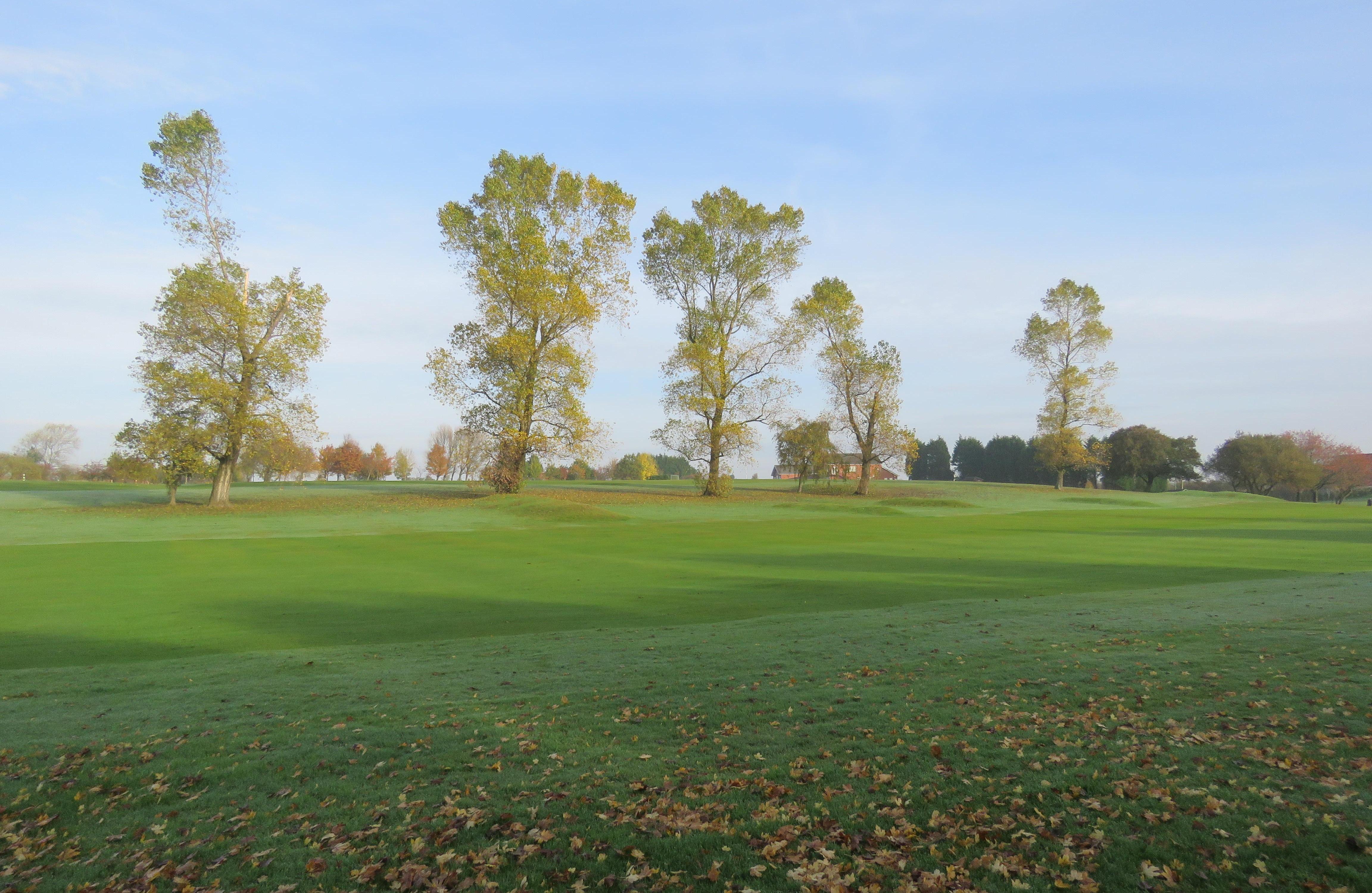
Managing woodland on your golf course
If your golf course includes areas of woodland, a woodland management plan can provide a more structured way to plan your tree works.
You can apply for a grant to help fund the production of a woodland management plan for woodland greater than 0.5 hectares. A woodland management plan covers a 10-year period and, once approved by the Forestry Commission, can support a 10-year felling licence, giving you more opportunity to plan your tree works with a longer-term vision.
Other considerations
Thanks, Tab. It really is much appreciated by all in the greenkeeping industry.
Following our discussion, Tab mentioned there is no woodland management template specifically for the golf industry, and this is something we are working hard to change. Clearly, these things take time, but I will have more information by the time BTME 2027 rolls around. Let’s hope we can all play nicely together and get things done without the heavies being sent out to give you a hard time.
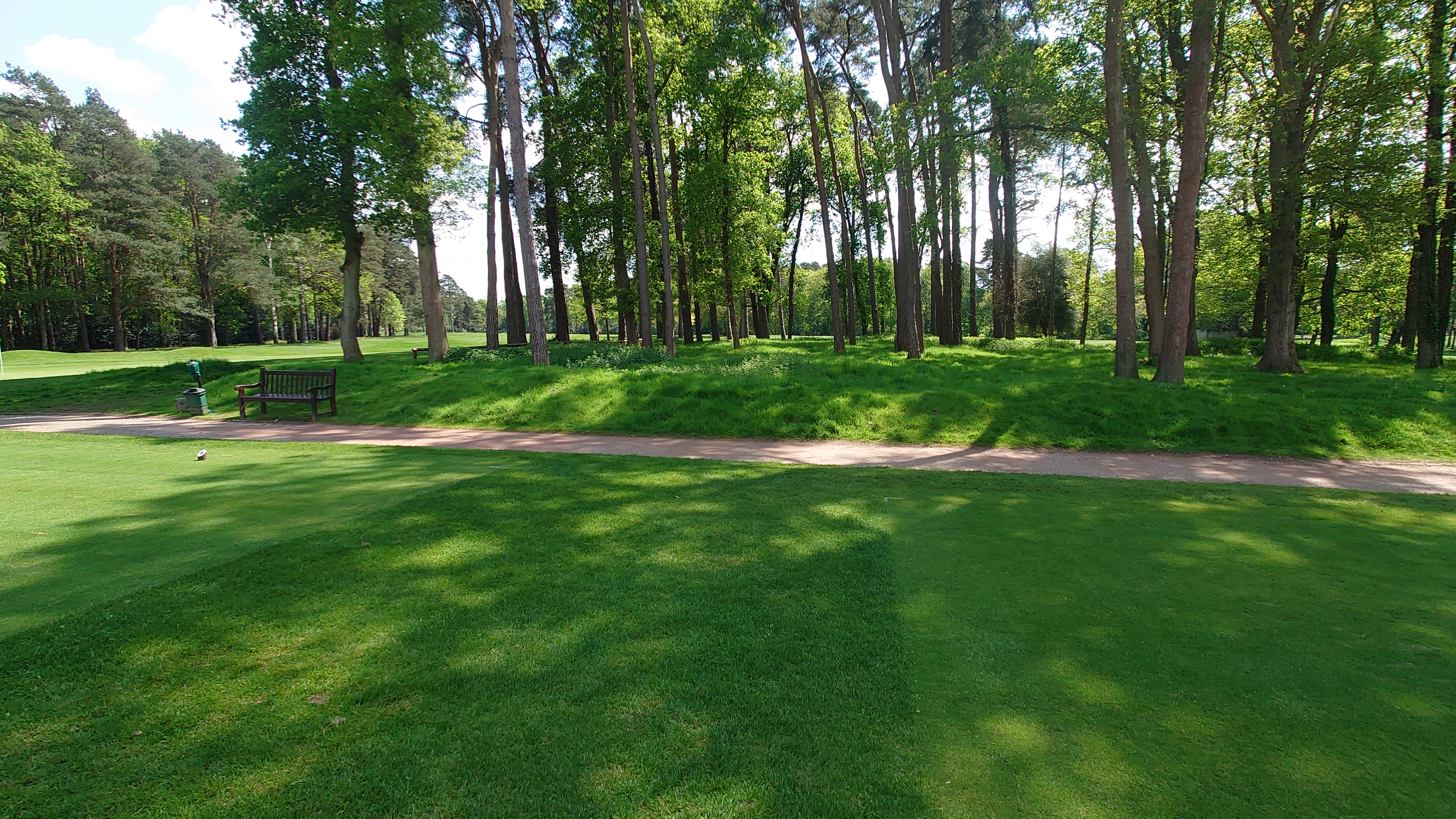
Of course, there are many other considerations in woodland management, including:
- Are nesting birds present?
- Are the target trees native or non-native?
- Are the trees rare, such as female black poplars?
- When were the trees planted?
- Are there veteran or ancient trees within the woodland to be managed?
- Do the trees pose a safety risk, perhaps because of Dutch elm disease or ash dieback?
- Is the woodland within a Site of Special Scientific Interest (SSSI), Special Area of Conservation (SAC) or another protected or sensitive area?
- Are bats present?
The list really does go on. If you’re concerned about whether you’re doing the right thing, talk to a professional. But you knew that anyway.
Disclaimer:
This article has been written for BIGGA for general information and guidance only. While reasonable efforts have been made to ensure the information is accurate at the time of publication, it may not reflect the most current legal, regulatory or environmental requirements and may be subject to change.
Author

Claiming an exception? Keep the evidence
If you intend to fell trees covered by one or more of the exceptions within the legislation, it is recommended that you:
- Gather evidence showing that a felling licence was not required before you start any work
- Ensure the evidence is specific to each felling site and exception claimed
- Retain the evidence so you can demonstrate the exception to the Forestry Commission if needed in future
- Keep photographic records showing the tree’s setting and condition before and after felling
- Retain evidence such as maps, site surveys or reports, contractor quotes or invoices, inspection checklists and a record confirming when tree felling took place