
How volunteering can transform your career
For many greenkeepers, volunteering at a tournament begins with curiosity. It might be a chance to experience a major championship from inside the ropes, to see how another course operates under pressure, or simply to put yourself in a new environment and find out what you can learn.
What often follows can be far more valuable than a few days away from the home course. Tournament volunteering exposes greenkeepers to different standards, bigger teams, unfamiliar conditions and new ways of thinking. It can build confidence, widen horizons and create friendships that last long after the final putt has dropped.
It can also remind greenkeepers why they came into the industry in the first place.

Anthony Kirwan, Romford course manager and BIGGA board member, believes volunteering speaks directly to that connection between greenkeeping and the game itself.
"Many of us got into greenkeeping because we love golf and wanted to stay close to it," he said. "The many volunteering and career opportunities that can take you far and wide remind us that, while not everyone can make a living as a pro, greenkeeping offers the next best thing – a job that keeps you connected to the sport you love."
That sense of connection is especially powerful at major events. For the public, the championship experience is often framed around the players, crowds and scoreboard. For a volunteer greenkeeper, the perspective is different. You see the preparation, precision and teamwork that allow the event to happen at all.
Daniel Taylor, course supervisor at North Berwick, volunteered at the 152nd Open at Royal Troon and believes BIGGA members should put themselves forward whenever opportunities arise.
He said: "Anybody who is a member of BIGGA needs to be getting their name in for these kind of events because you're inside the ropes, you're seeing all these guys who are absolutely fantastic gentlemen, the peak of the golfing world, and BIGGA are working alongside these guys – what more do you want?"

That excitement is part of the appeal, but volunteering is not simply about proximity to elite golf. It is professional development in its most practical form. Greenkeepers step into a live event environment where standards are high, timings are tight and every task matters.
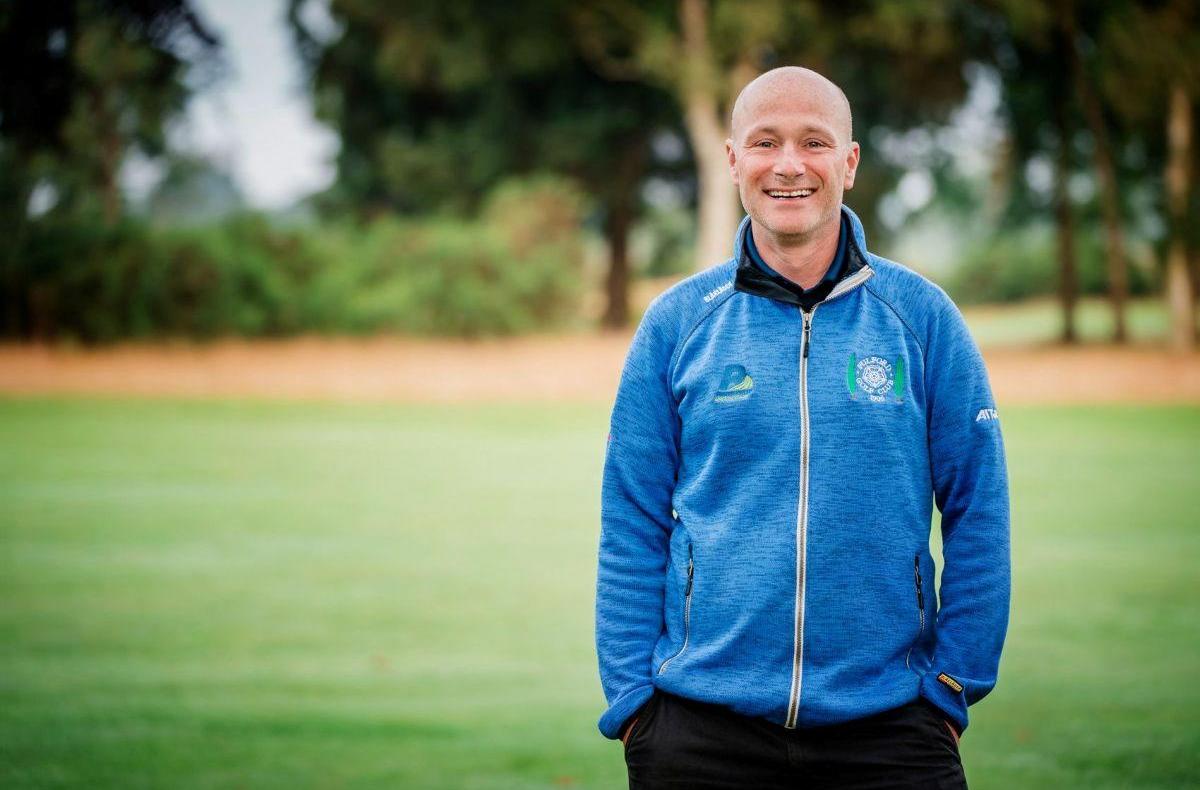
For Dominic Wright, assistant greenkeeper at Fulford Golf Club, volunteering at the BMW PGA Championship provided a first-hand view of the planning and discipline required to deliver a major tournament.
"Volunteering at the BMW PGA Championship was an unforgettable eight days, and I absolutely loved it," he said. "It was my first experience volunteering at this prestigious championship and it didn't disappoint. It was amazing to be involved in such a large-scale event and see how everyone works tirelessly, how meticulous the planning and the execution of every detail was. Being part of this was a great professional experience."
That word, experience, comes up again and again. Tournament volunteering puts greenkeepers in situations that are difficult to recreate at their own clubs. Some may come from small teams where everyone is used to turning their hand to everything. Others may work at courses with fewer resources, less machinery or fewer opportunities to host high-profile competitions.
Large tournament support teams bring together greenkeepers from clubs across the country and, in some cases, across the world. That creates an environment where people quickly compare notes, ask questions and exchange ideas. A shift may be focused on bunker preparation, presentation work or mowing, but the learning often continues during conversations at the end of a long day.
Calum Forsyth, head greenkeeper at Elgin, volunteered at the AT&T Pebble Beach Pro-Am and says those informal conversations are one of the most valuable parts of the experience.
"Often when you're away volunteering at events, you'll be sat around a table where it's all greenkeepers and you're trying to weigh up different methods of doing things, applying differing knowledge, and you'll go back to your course with something you can incorporate into your daily routine," he said. "You're learning while you're there and adding to your skills."
That is one of the clearest benefits of volunteering. The real value is often measured when the volunteer returns home with a new idea, a different way of organising a task, a fresh approach to communication or renewed confidence. A greenkeeper may see a method of bunker preparation that can be adapted to suit their own course. They may observe how the host team manages volunteers, structures shifts or communicates expectations. Not every idea will transfer directly, but almost every experience offers something useful.
Speaking at BTME in 2019, Stefan Carter reflected on how tournament support gave him early exposure to larger teams, bigger operations and different environments. It also helped him understand the value of networks. The contacts he made opened doors, provided introductions and shaped opportunities that followed.
As someone who has since gone on to secure a role with The R&A Championship agronomy team, Stefan's experience is a reminder that volunteering can carry a career impact beyond the week itself. A good impression made during a tournament may lead to another event, a recommendation or a conversation about a future role. It also demonstrates initiative. Giving up time to travel, learn and contribute tells employers something about a greenkeeper's attitude.
For those who have not volunteered before, the first step can feel the hardest. It is easy to assume places are already taken, that you need more experience or that major venues only want people who already know the system. But greenkeeping remains a profession built on shared support, and asking the question is often the simplest way to begin.
Adam Lindsay, course manager at Banchory, volunteered at Leopard Creek for the 2025 Alfred Dunhill Championship and says greenkeepers should not hesitate to put themselves forward.
"There are plenty of opportunities out there to experience new things and get involved at different courses and events," he said. "You just have to ask the question – the worst anyone can say is, 'No, we're full – maybe next year'. Greenkeeping is a profession where we're all in the same boat and we look out for each other. If you're in the industry, you'll never have another greenkeeper as an enemy. If you ask the question and someone can help, they will welcome you with open arms."

That spirit of welcome matters. Volunteering can be daunting, particularly for younger greenkeepers or those who have not worked away from their own club before. But those who have done it often say the same thing: once you arrive, the shared language of greenkeeping quickly takes over. Everyone understands early starts, weather, pressure, presentation standards and the satisfaction of a job done well. That common ground makes it easier to settle in, ask questions and contribute.
The expectations are straightforward. Be punctual. Be professional. Be willing to do the task you are given. Pay attention. Respect the host team and its routines. A volunteer may not always be doing the most glamorous job, but every job contributes to the final presentation of the course.
Volunteering can also sharpen a greenkeeper’s understanding of detail. Tournament golf magnifies the small things: rake lines, mowing patterns, traffic routes, dew removal, hole changing and communication between teams. Seeing how those elements are controlled under pressure can change how a greenkeeper thinks about presentation at home.
Employers also have a role to play. Supporting a team member to volunteer may mean adjusting rotas or allowing time away, but the return can be significant. Volunteers often come back motivated, better connected and full of ideas. They may also gain confidence that benefits the wider team.
For BIGGA, tournament volunteering reflects several core strengths of the association: education, community, recognition and reputation. It provides learning outside the classroom, builds friendships, recognises ambition and places greenkeepers at the heart of the game’s biggest stages.
The message from those who have volunteered is clear. You do not need to know everything before you apply. You do not need to have worked at a major venue. You need enthusiasm, humility and a willingness to work hard.
The rewards may be immediate: a memorable week, new friends and a close-up view of tournament golf. They may also emerge later: a new idea, a stronger CV, a future contact or a clearer sense of where you want your career to go. GI

Author
