
How nature can shape a better golf course
Golf courses are among the largest managed green spaces in many communities, with value extending well beyond the boundaries of play. They are places to compete, socialise and enjoy the game, while also offering huge potential to support wildlife, manage water, build resilience into the landscape and give each course a stronger sense of character.
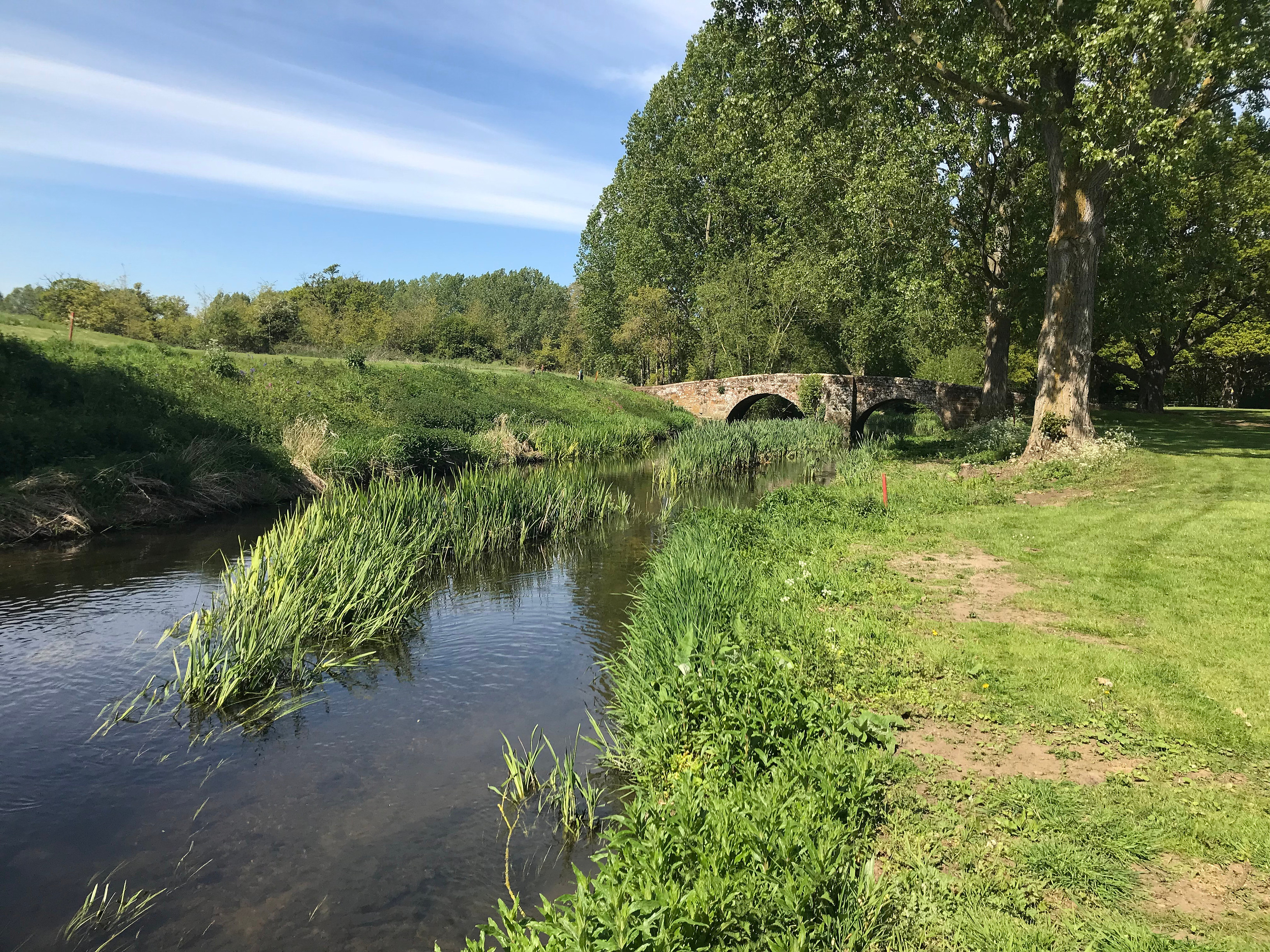
Most golfers appreciate a course that feels alive. Woodland edges, ponds, rough grass, wildflowers, heather, gorse, hedgerows and wetlands all help shape the experience of a round. They frame holes, influence strategy, create seasonal interest and help a course feel rooted in its setting.
Behind much of that work are greenkeepers, whose role is often judged by the surfaces golfers play from: the pace of the greens, the definition of the fairways, the consistency of the bunkers and the presentation of tees. Those standards remain central, but modern course management asks greenkeeping teams to think far beyond the playing surface.
They are managing water, protecting habitats, improving soils, reducing inputs, supporting biodiversity and planning for more extreme weather. Much of this work happens in places golfers may barely notice, including boundary strips, woodland margins, wet corners and out-of-play rough. Used well, these can become some of the most valuable areas on the property.
That value is increasingly being recognised beyond golf. In England, Biodiversity Net Gain (BNG) is creating potential opportunities for suitable landowners, including some golf clubs, to create or improve habitats that help balance the biodiversity impact of development elsewhere. In simple terms, if a developer cannot deliver all the required nature improvements on its own site, it may be able to support habitat creation on another piece of land.
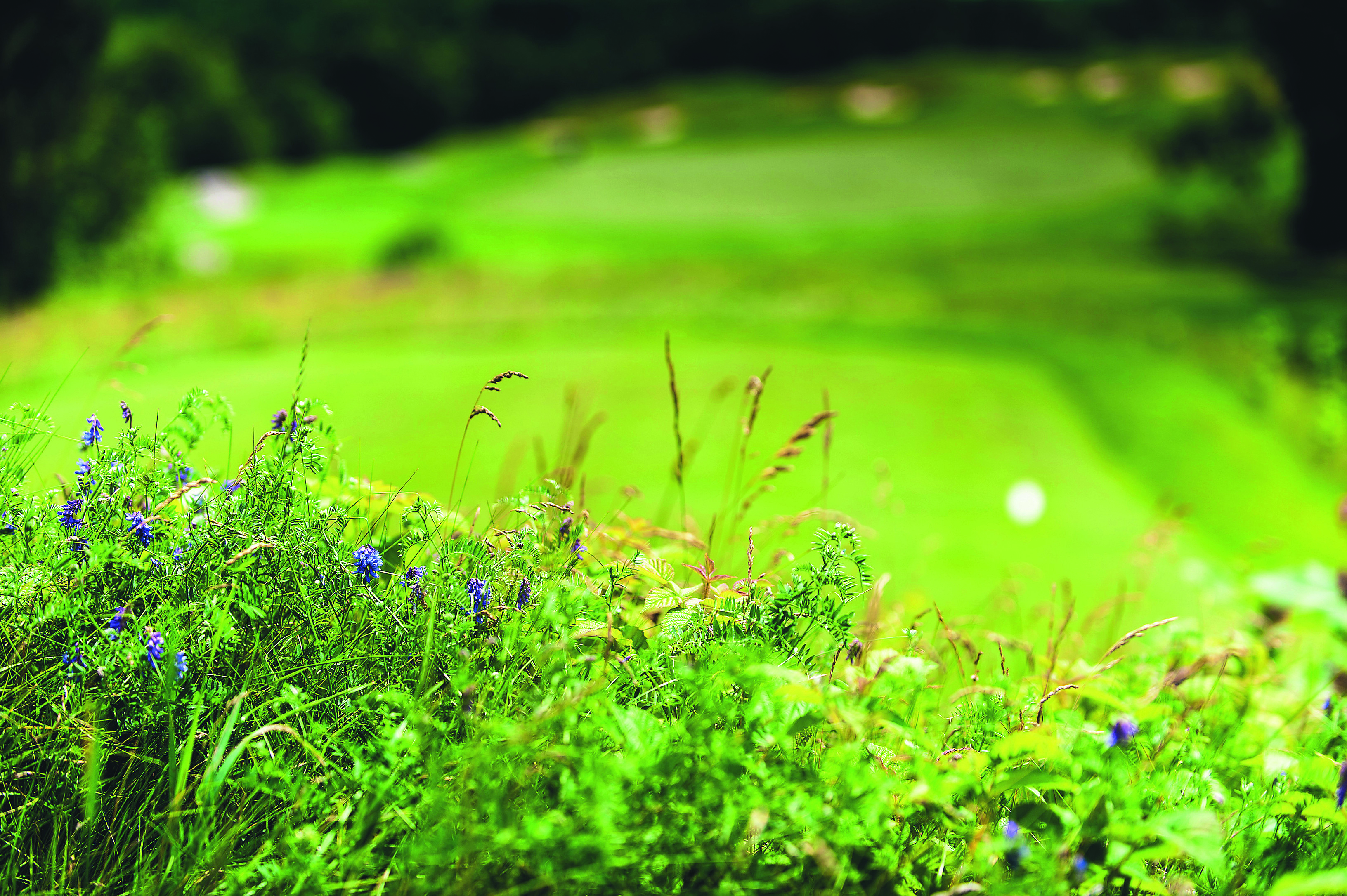
For a golf club, that could mean funding for work such as meadow creation, woodland management, hedgerow planting or wetland restoration. It will not suit every course, and it involves surveys, professional advice, member engagement and long-term commitments. But it does show how golf course land can have environmental value that sits alongside its sporting value.
A restored pond can support wildlife and water management. A wildflower meadow can help pollinators while adding colour and texture. Woodland management can open up views, improve tree health and make areas safer. Hedgerow planting can strengthen wildlife corridors while giving the course a clearer shape.
Playability still comes first. The best environmental work is planned around golf and shaped by the people who understand the course most closely. Greenkeepers know where the game is played, where balls are likely to finish and where change can be made without slowing play or frustrating members.
That balance is becoming more important as weather patterns become less predictable. Hotter, drier spells put pressure on turf health and irrigation, while sudden heavy rain can expose weaknesses in drainage and increase the risk of flooding. Longer playing seasons bring more wear, more traffic and less recovery time, so every decision about mowing, water, habitat and maintenance has to work harder.
Nature-based improvements can help courses adapt. Wetlands, ponds and watercourses can support drainage and water storage. Longer rough and habitat areas can reduce unnecessary mowing in places that do not need fairway-level maintenance. Healthy trees and hedgerows provide shelter, structure and ecological value, while helping greenkeeping teams use their time, machinery and resources more effectively.
Funding is another important part of the picture. Course budgets are already under pressure, and major environmental improvements cannot always be paid for through subscriptions or green fees alone. Alongside BNG, clubs may be able to explore grants, partnerships and other funding routes that support habitat creation and land management.
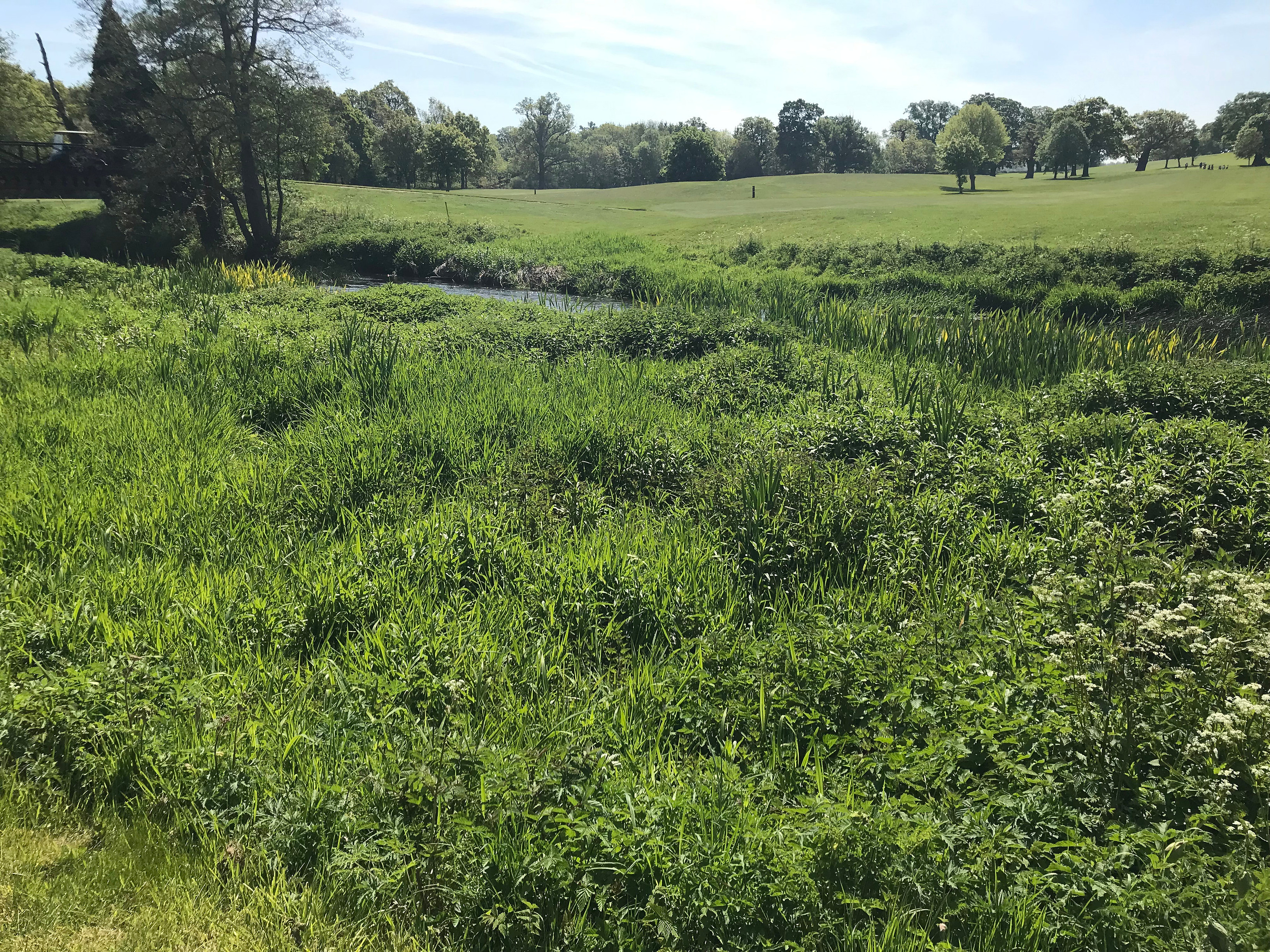
The strongest results will come from clubs that build a plan around their course, members, greenkeeping team and landscape, rather than chasing every available opportunity. A project has to make sense on the ground: where it sits, how it will be maintained, what it will add to the course and how it will be explained to golfers.
A newly created meadow, restored wetland or area of managed long rough can look very different when members understand it is helping wildlife, improving resilience or reducing unnecessary maintenance. The more golfers understand the thinking behind these decisions, the more likely they are to value the work.
Greenkeepers are managing complex outdoor environments under growing pressure from weather, regulation, costs and golfer expectations. A course that invests in nature strengthens the foundations that good golf depends on: healthy turf, intelligent water management, visual character, sustainable maintenance and a landscape members are proud to call their own.
What does the BNG journey look like?
Baseline assessment – An ecological survey establishes the current biodiversity value of the land.
Feasibility and design – Potential habitat creation or enhancement areas are identified, often focusing on land away from the playing line.
Stakeholder engagement – Committees, members and relevant authorities are engaged to ensure buy-in and understanding.
Financial modelling – The costs of habitat creation and long-term management are balanced against potential income from BNG units.
Delivery and management – Habitats are created or enhanced, with long-term management commitments typically secured for 30 years.
Monitoring and reporting – Ongoing monitoring ensures the habitats deliver the promised biodiversity outcomes.
Author

About Roger Pearson
With over 20-years’ experience, Roger Pearson helps landowners and golf clubs secure funding and develop strategies for nature restoration