
Getting a grip on dollar spot
Dollar spot has become an increasingly important disease for golf courses across the UK and Ireland, with greenkeepers facing the challenge of understanding how integrated turf management can help reduce pressure without overpromising what it can deliver.
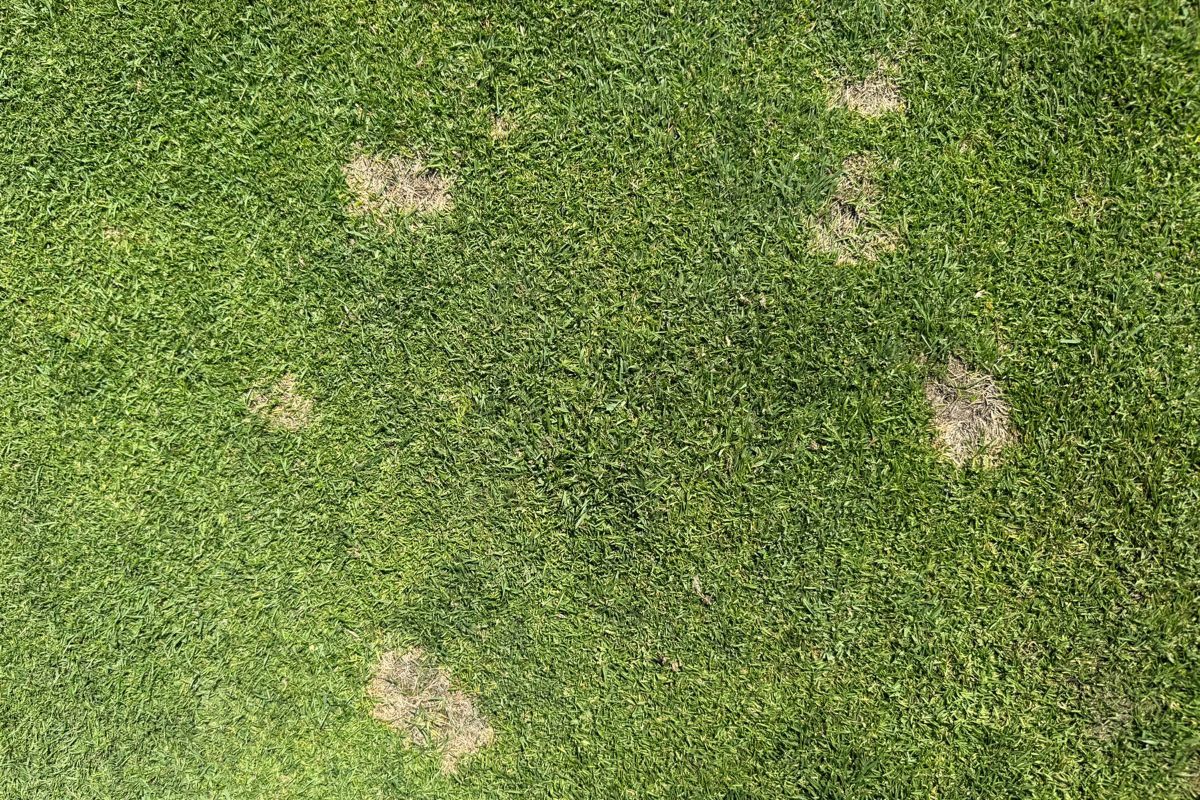
That was the focus of a BTME session presented by experts Dr Andy Owen and Henry Bechelet of ICL. Drawing on published literature, trial work and practical observations from research sites in the UK, France, Italy and Australia, the session explored how dollar spot behaves, where integrated approaches are showing value and why site-specific understanding is essential.
For Henry, the value of the work lies in helping greenkeepers approach the disease with clearer thinking. “What we want to achieve here is that you know how to think about dollar spot better and maybe approach the management of dollar spot, if it’s a problem for you, in a practical and realistic way,” he said.
ICL’s research has been built through integrated turf management trials, looking at how nutrition, wetting agents, biostimulants and other inputs can be layered to support turf quality and reduce disease pressure. That approach is already well established in the management of some other turf diseases, particularly microdochium patch and anthracnose.
With microdochium patch, programmes can draw on nutrition, leaf moisture management and carefully timed iron applications to slow disease development. With anthracnose, published research has created a clearer understanding of the levers that can help, including nutrition during stress periods, relaxing height of cut where possible and using topdressing to protect the crown of the plant. “With microdochium patch and anthracnose in particular, we can exert strong beneficial levels of, not control, but we can certainly reduce their impact,” said Henry.
Dollar spot has proved more difficult to pin down. “We’ve been running trials on dollar spot for a number of years now and at the moment my summary would be; it’s a little bit tricky to manage,” said Andy. “It’s not quite the same as anthracnose or microdochium, but we’re working on it.”
The growing importance of the disease is clear. Andy referenced Practical Greenkeeping by Jim Arthur, published in 1997, in which dollar spot was described as rare enough in the UK to be “of academic interest only”. That assessment no longer reflects the reality many courses are experiencing.
“That clearly shows the way disease progresses over the years, because it certainly is not the case now,” said Andy. Henry added: “The game has changed.”
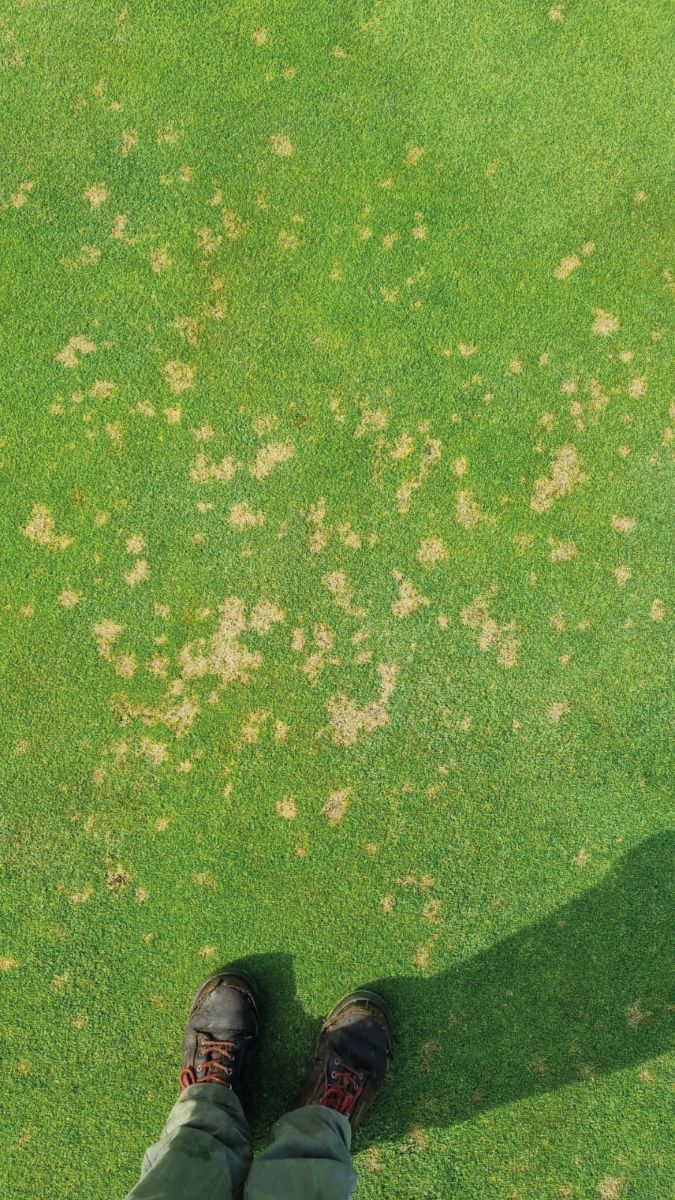
The reasons are complex, but environmental conditions are central to the discussion. Dollar spot is associated with humidity and temperatures in the low 20s, while the pathogen itself can be present in the thatch layer and waiting for conditions to become conducive. “There is this whole thing that once it’s in, it’s in, and that’s one of the factors that makes it such a difficult disease,” said Henry.
Fungicides remain an important part of dollar spot management, particularly during periods of higher disease pressure. However, the disease’s adaptability and the risk of resistance mean they need to be used as part of a careful, responsible programme. “Dollar spot is a disease that we can manage effectively with a fungicide programme, that is clear, but it is a disease that is adaptable,” said Andy. “We see growing, developing resistance to many fungicide groups. So, when you’re putting a programme together, you’ve got to follow best practice, clearly rotate actives where possible, utilise disease modelling if you can and combine integrated practices.”
One of the central themes from the research is that dollar spot behaves differently depending on pressure. Under low to moderate pressure, integrated approaches can make meaningful differences. Once the disease moves into a more aggressive phase, the picture changes quickly. “The big problem that we have with dollar spot really is that it can explode,” said Henry. “That might be due to the nature of the pathogen itself, but also due to the time of year when the conditions are so ideal for its development.”
Predictive modelling can help greenkeepers anticipate those periods. The Smith-Kerns dollar spot model uses mean relative humidity and mean daily air temperatures to generate a risk factor, with around 20% commonly cited as the point where practices should begin to be implemented. The model should be seen as a practical aid rather than a universal answer. It gives greenkeepers a way to assess risk and forecast pressure, particularly when used alongside site knowledge and observation.
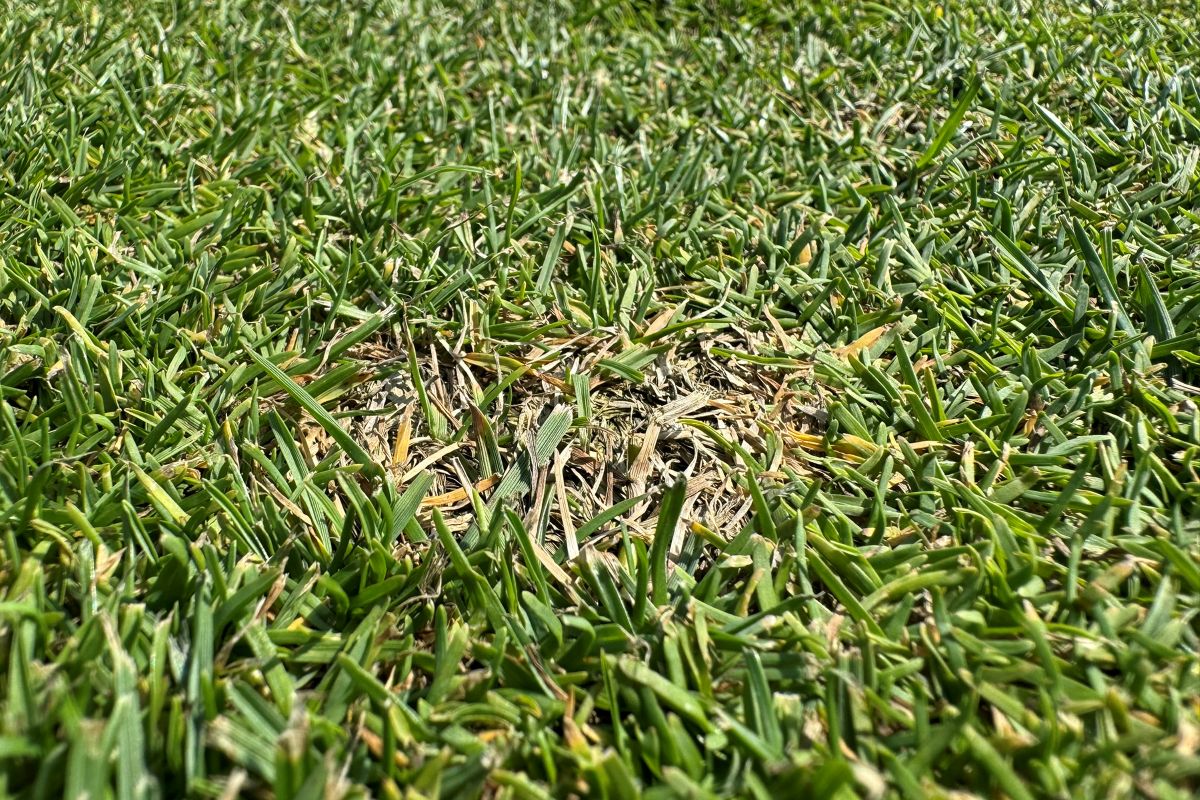
“It was quite surprising the number of people who were suffering from dollar spot and weren’t using the predictive model to help with the understanding of the level of disease pressure,” said Henry. “Something like Turf Advisor gives you a forecast. You can look ahead into the next seven days and see how your pressure might be building.”
Published research points to a number of cultural practices that can reduce dollar spot pressure, including increased rolling, higher nitrogen inputs, thatch removal, dew management and iron sulphate. However, reducing disease pressure and achieving acceptable control are different things.
“One sentence really stood out for me,” said Andy. “It said effectively that while integrated cultural practices are effective in reducing dollar spot pressure, they rarely provide acceptable control.” “That’s important, because acceptable control is vital,” said Henry. “We’re not after statistical differences, we’re after meaningful differences.”
Increased nitrogen is one of the more consistent findings in the research, with some work showing value in moving from around 100kg of nitrogen to 140kg through the risk period. That finding is useful, though it may be difficult to apply directly at courses with a low-input management philosophy. Iron sulphate also appears in the research, though Andy urged caution around summer applications and the rates used in some trial work.
“In a lot of the research trials, when they look at iron sulphate, they apply quite high levels and make regular applications,” said Andy. “In my experience and advice, agronomically the levels are a little bit higher than you would like to apply through the summer, and there is a little bit of risk in applying iron sulphate through stress periods.”
“That doesn’t feel like responsible advice to me,” said Henry.
A Golf Course 2030 trial carried out in the UK at the Sports Turf Research Institute, to which ICL contributed, provided a useful example of what can be achieved under low to moderate pressure. In that trial, untreated plots reached around 15% surface affected. Nitrogen produced significant reductions, with further reductions as rates increased from around 90kg to 130kg, though the question of whether the outcome was acceptable remained important. “I don’t know whether they’re acceptable levels,” said Henry.
ICL’s contribution layered stress mitigation onto the nutritional approach, using two biostimulants applied at alternate timings. “We added a programme of two of our biostimulants, Vitalnova Stressbuster and Vitalnova Silk, applied at alternate times through the period, and we very much reduced the outbreak of dollar spot through that trial with no extra nitrogen going on, but making additional applications to slow down the development,” said Andy.
“That feels better, but with low to moderate levels of pressure,” said Henry.
That caveat is important. The finding was positive, but the disease pressure was manageable.
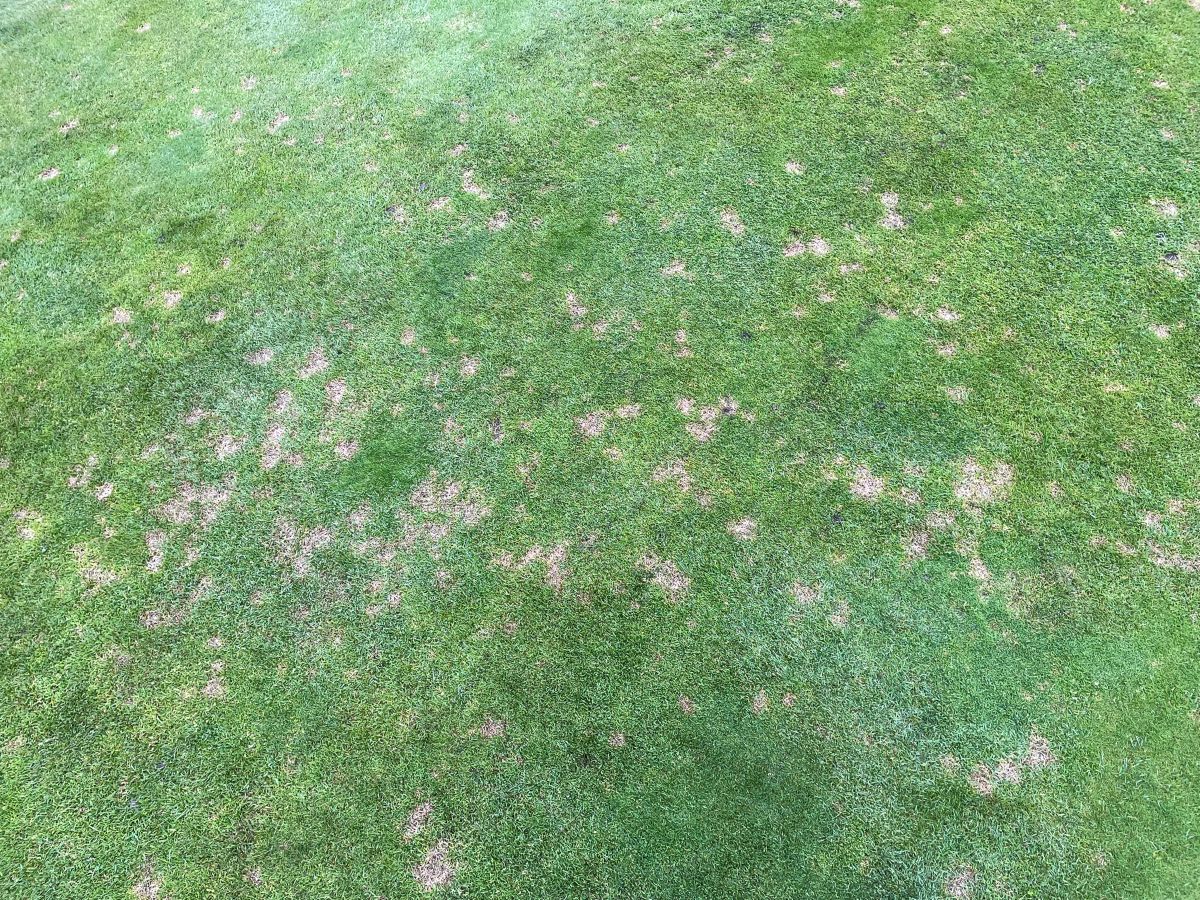
For Andy, that remains the starting point when discussing integrated programmes. “That is one of the key things: success, but with low to moderate rates of pressure,” said Andy. “That’s still my advice when I talk to people about dollar spot and they want to put an integrated programme in place. This is our starting point, but we are wary about saying they will have success because we have experienced different situations.”
A trial in France showed how quickly those different situations can emerge. The work looked at rates of nitrogen, rolling and application type under much higher dollar spot pressure. Treatments included relatively high nitrogen with rolling three times a week, a fungicide programme involving five applications through the period and an integrated programme combining rolling, higher nitrogen and stress mitigation through a wetting agent programme and Vitalnova products. The integrated approach showed promise while pressure remained manageable.
“With low to moderate pressure, we can maybe do something meaningful,” said Henry. “But when pressure is high and we have a disease explosion, that’s when everything becomes way more difficult.”
The pressure became so severe that the trial had to move beyond its original non-fungicidal approach. “Although it was supposed to be a non-fungicidal approach to manage dollar spot, we actually had to make an emergency fungicide application to control that explosion of the disease, otherwise we’d be losing all the turf on that site,” said Andy.
The fungicide programme showed how effective that tool can be when pressure is high. At the same time, the integrated approach still delivered measurable benefits when compared with similar programmes without stress mitigation. “The thing to pick out is how successful a full fungicide programme can be on managing the disease,” said Andy. “Of course, we did make significant differences. Our stress mitigation was significantly less than the programme without it in, so there are successes to draw from them, but we recognise that it is really tricky to manage the disease.”
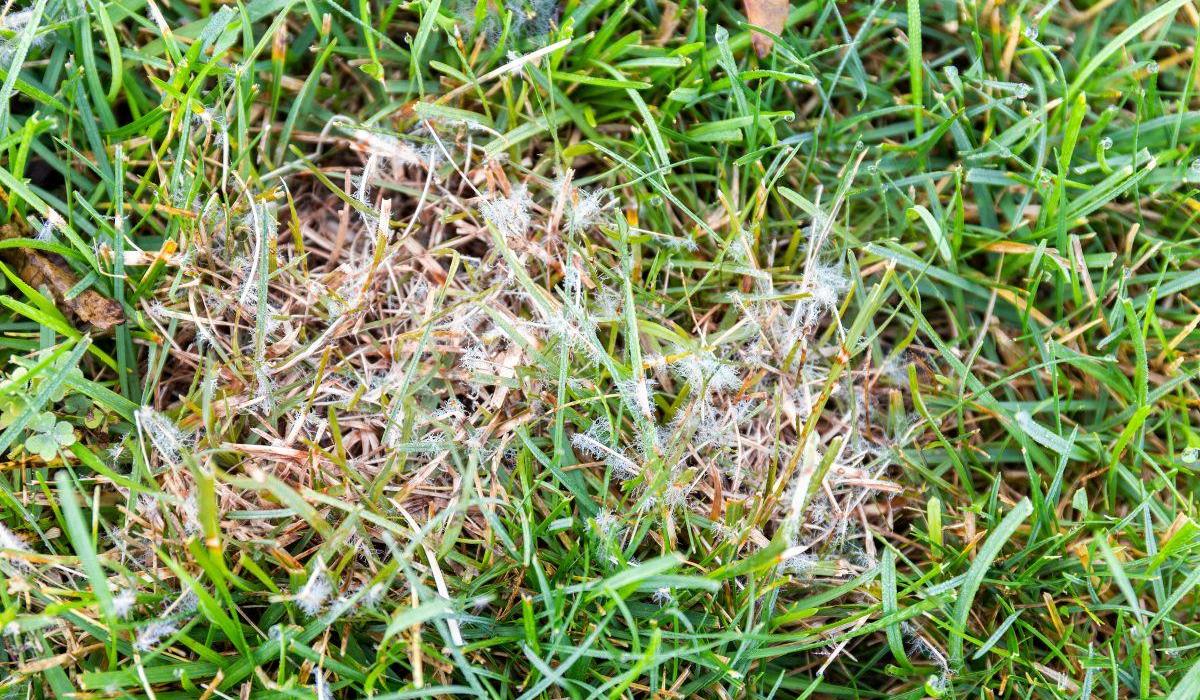
Henry said: “You shouldn’t be dismissive of fungicides. Just imagine if we carried on with this exponential growth curve. Pretty soon, you’re seeing meaningless levels of control, and that’s the difference between low to moderate and high pressure. Everything changes.”
Trial work in Australia explored whether soil microbial solutions could help manage dollar spot in high-pressure conditions. Laboratory tests can show promise, with dollar spot inhibited in a petri dish, but Andy stressed the need for field evidence before drawing conclusions. “We can show some success in a petri dish situation, but does that translate into a field site?” said Andy.
The Australian work tested microbial solutions across a range of sites with different grasses, rootzones and climates. It also looked at nutrition, inoculants and stress mitigation. The field results were clear.
“When we focus on the results, the first thing to say is with or without the inoculant made no difference whatsoever,” said Andy. “We really struggled to even show a single reduction in dollar spot with the inoculant, so when I get asked if the effect we see in the lab translate into the field; no, it doesn’t. If someone is selling products to you saying we’ve got a great effect in the lab, you need to look for the field results, because that will tell you whether something is successful.”
The trial also demonstrated how difficult it can be to make microbial solutions work consistently in practice. “Have we got the correct rate? Have we got the right application type? Have we got the right timing of application? These are unanswered questions,” said Andy. “We can be hopeful that we will find solutions in this area going forward, but I don’t see that we’re quite bringing them to the table.”
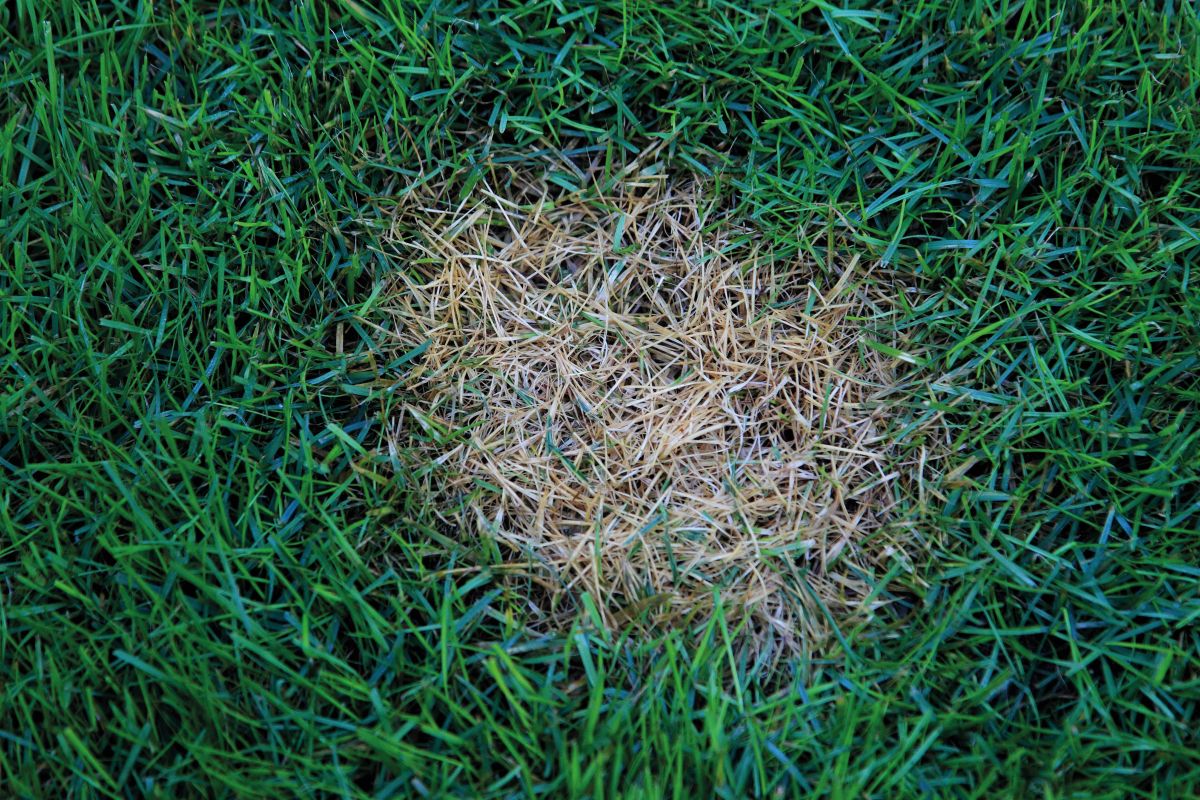
The Australian work did show disease reductions from increased nitrogen, in this case moving from a mainly liquid programme to a granular programme, with further reductions from stress mitigation. Even so, the result had to be judged against the same standard: whether it provided control that would be acceptable on a golf course under rising pressure.
The most recent trial work discussed at BTME took place in northern Italy in 2024, with a focus on timing applications in relation to the Smith-Kerns model. The trial raised important questions about how the model should be interpreted on individual sites.
“You can meet Smith-Kerns pressure and make applications and not see dollar spot developing,” said Andy. “I started to think that the Smith-Kerns model is potentially site specific and your level of risk is going to vary depending on the site you’ve got.”
“That’s an important point,” said Henry. “The 20% thing might be too rigid. You have to continue to use the predictive models, but work it out for yourself.”
At the Italian site, Smith-Kerns risk moved above 20% early in the season and continued rising beyond 30%, eventually approaching 40%. Yet at the 20% point, relatively little dollar spot was present and the small amount seen was controlled with a stress mitigation package involving alternating Vitalnova products and nutrition. As that pressure lifted above 30% we see more dollar spot appearing, and then as it lifted above 30% we see this big explosion in dollar spot coming through towards the late summer,” said Andy.
The trial showed the importance of local interpretation. One site may need to act differently from another, and greenkeepers have to understand what low, moderate and high pressure look like in their own conditions.
“It makes you wonder about what the local factors were that might be suppressing the level of disease,” said Henry. “If we were going to work it out for this particular site, we might be more bothered about 28%, or at this stage when it approaches 40% pressure.”
The practical message from the Italy work was consistent with the wider trial programme. Integrated approaches can create meaningful differences while pressure remains low to moderate. When pressure rises sharply, those differences can be overwhelmed.
“You were achieving meaningful differences with an integrated approach under that low to moderate pressure, but that becomes meaningless when you get explosive, exponential growth,” said Henry.
Andy added: “The control plots shot up exponentially, as Henry said, and our integrated practices effectively followed that. Perhaps we mitigated some of the explosion, but in reality the pressure was there. It really highlights what a tricky disease this is to manage.”
Alongside the formal trial work, there was also a warning about unproven approaches. Andy referenced research that reviewed products recommended on social media for dollar spot control, including phosphite, citric acid, table salt and plant-based components. “It shows effectively that very few of them, if any, give any control whatsoever,” said Andy.
For course managers, the emerging message is a practical one. Dollar spot is increasing, ITM progress has been slower than with some other diseases and the disease can be difficult to control. However, the research is beginning to define where integrated approaches fit.
“It’s challenging because you go from this linear growth in low to moderate conditions into this explosive growth,” said Henry. “If you leave with anything, understand that there are almost two phases that you need to be bothered about.”
Andy said non-fungicidal approaches have shown promise where pressure is manageable. “The non-fungicidal approaches we’ve got can show good success for low to moderate pressure,” he said. “There, we’re suggesting stress mitigation programmes overlying a good nutritional approach, the use of a good quality wetting agent and alternating two biostimulant products can help in that situation to bring the disease pressure down. But then when we move to the higher pressure factors, we need fungicides to manage that risk and that pressure.”
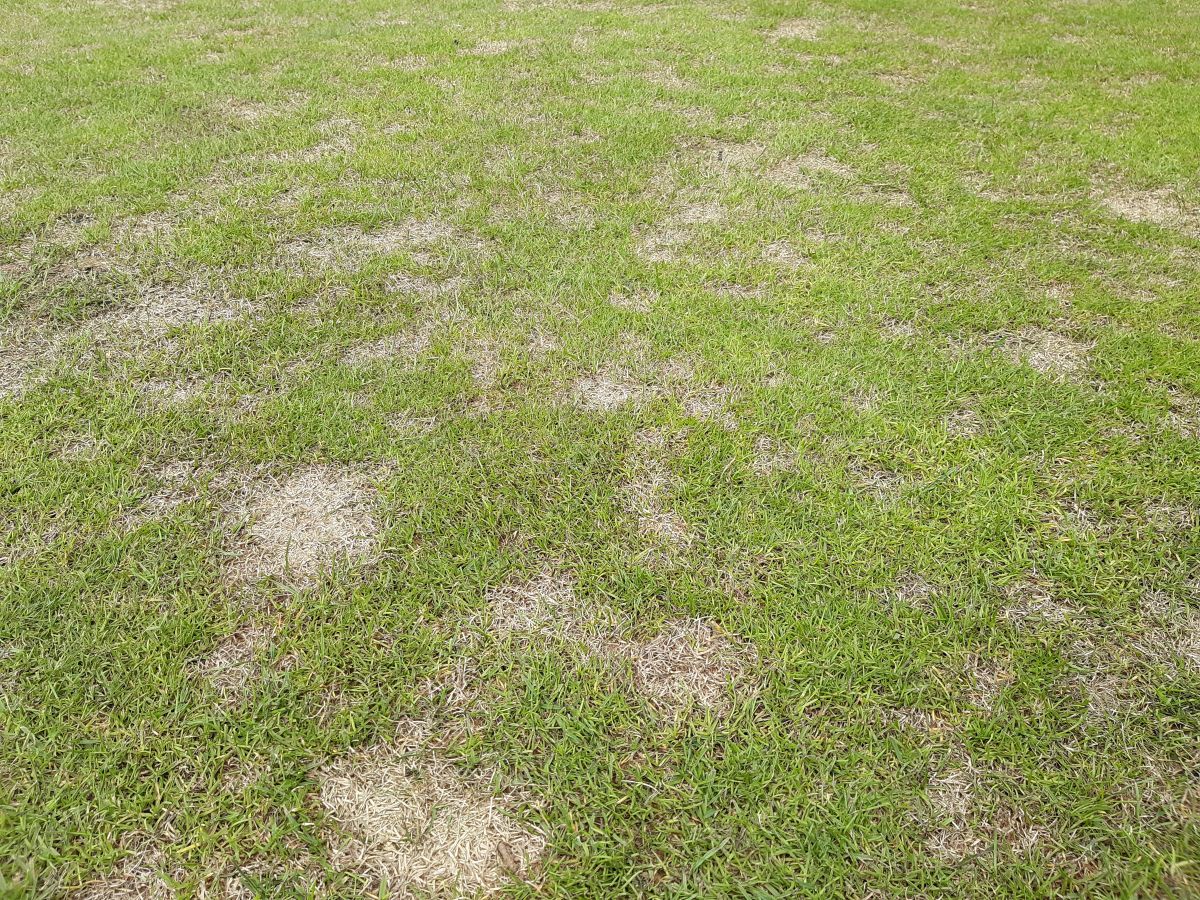
Predictive modelling, observation and local knowledge all have to be brought together. The role of the model is to support decision-making, while the role of the greenkeeper is to understand how disease pressure develops on their own surfaces.
“That’s what understanding your Smith-Kerns percentages is all about,” said Henry. “Find out what is the low to moderate pressure for my site, where my non-fungicide or integrated approaches can be meaningful, but also know when that changes, when it becomes explosive. You have to see that coming and use fungicides if you need to protect certain areas.”
Further research is already under way, including R&A-backed work and continued ICL trials into novel solutions and integrated practices. Andy said the current picture is still developing.
“We’ve invested strongly in dollar spot research over the years,” said Andy. “We expanded our trials last year, looking at novel solutions and integrated practices to control the disease, and we’re gaining understanding. We didn’t really find solutions last year, but already I have notes of things to try this year that I am positive about.”
Henry added: “This is just where we are now. There are a lot of people doing a lot of work on this.”
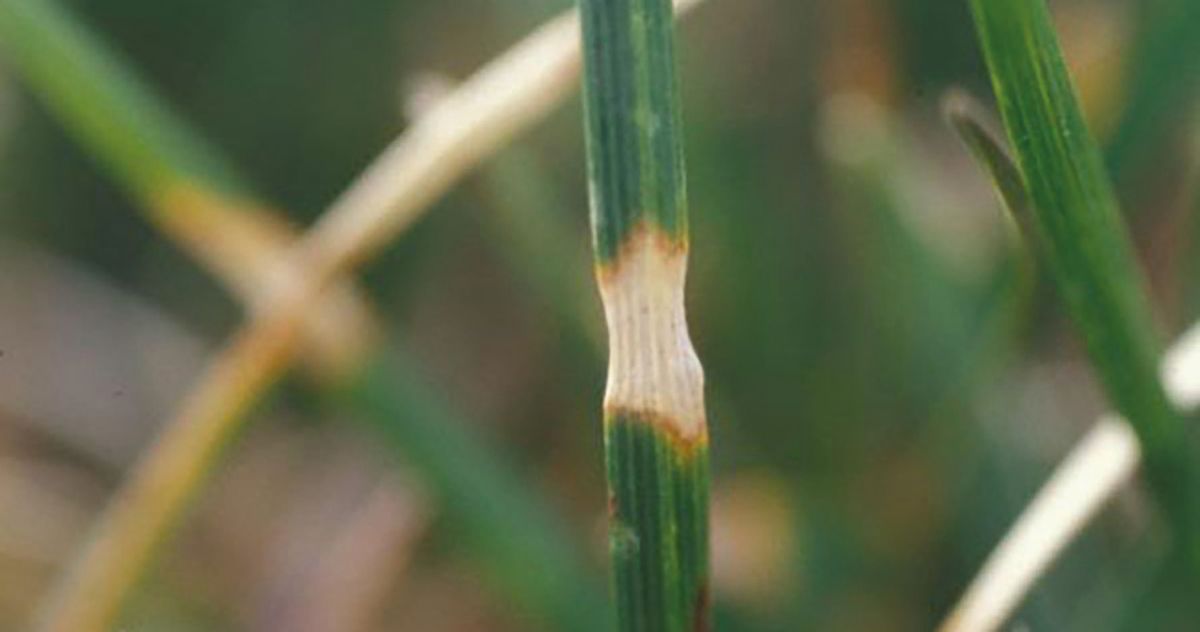
Reading the pressure points
Dollar spot is becoming a more significant disease across Europe. Integrated turf management can reduce dollar spot pressure, particularly when pressure remains low to moderate. Predictive modelling is useful, but the Smith-Kerns threshold should be interpreted through site-specific experience. Higher nitrogen, rolling, dew management, thatch management, wetting agents and stress mitigation can all play a role, but they should be judged by whether they produce acceptable control. Fungicides remain an important part of the toolbox when pressure increases sharply, with active rotation and resistance management essential. Laboratory results should be treated with caution unless they are supported by field-trial performance. The key practical challenge is knowing when pressure on your site has moved from manageable to explosive.
Author

About the speakers

Dr Andy Owen is the International Technical Manager for ICL Growing Solutions, Turf and Landscape Division. He is a sports-turf agronomist and soil scientist who previously worked as a researcher at the Sports Turf Research Institute and as a lecturer at Myerscough College.His current role focuses on research and new product development for the turf and landscape division at ICL. He is passionate about the communication of technical knowledge within the industry and the promotion of good research practice.

Henry Bechelet is Technical Sales Manager for ICL Growing Solutions, Turf and Landscape Division in the UK and Ireland. Henry has been in the turf industry for over 25 years. He originally trained as an agricultural agronomist before joining the turfgrass industry as a trainee agronomist in the early 1990s. Henry has spent roughly half his career engaged in independent consultancy and the other half on the commercial side of the industry.