
Future-proofing the golf course
We asked three course managers how sustainability is influencing the way they manage their courses
Meet the panel:
Name: Rob Sandilands
Club: Formby Ladies, Merseyside
Name: Dave Hutchinson
Club: Heysham, Lancashire
Name: Dan Evans
Club: Llandudno Maesdu, Conwy
How does sustainability influence the way you manage your course?
Dan: It’s about future-proofing the golf course. Llandudno is a big tourism area and there aren’t many green spaces left, so we have a responsibility to manage ours properly. That means using water carefully, encouraging sustainable grasses, reducing stress on the greens and using cultural methods wherever we can rather than relying too heavily on chemicals.
Dave: For me, it’s about using less fungicide, less herbicide and less fertiliser but still giving golfers good playing surfaces. That’s the challenge. You can’t just stop doing things overnight. It takes years of planning, changing practices and getting the course into a position where the grass is healthier and can cope with fewer inputs.
Rob: Sustainability covers such a broad scope. From a greenkeeping point of view, you’re trying to be responsible stewards of the environment in the practices you employ, but there’s a strong planning and financial aspect of sustainability too. It all comes back to structure, governance and having the right people in the right place. If you don’t have that, it becomes very difficult to deliver on the vision of being sustainable.
Why can’t greenkeepers simply chase faster greens and firmer surfaces all the time?
Dave: All golfers want fast greens but if you want that by cutting really low and feeding often, I’m against that. We don’t go much below 4mm now, and we still get good speed. Some clubs are cutting much lower, but I don’t think that’s good for the grass in the future. You might get what you want straight away, but you can create problems further down the line.
Rob: There has to be a balance between what people want now and what is right for the course in years to come. If you’re changing species or improving surfaces, you can’t do everything at once without damaging the golfing experience. People are paying to play a golf course, so you have to improve it in a way that still allows them to enjoy it.
Dan: Green speed is a big expectation but cutting every day at very low heights puts the plant under too much stress, especially in hot or dry weather. That stress can lead to disease, dry patch and weaker surfaces. Sometimes we’ll raise heights, miss a cut or roll instead, because that gives golfers good surfaces without pushing the greens too far.
How do decisions around grass species impact playing conditions?
Rob: The more we can encourage the right grasses and create the right conditions, the more manageable the course becomes with the team and resources we have. It gives the golf course more integrity but it also gives us a better chance of producing surfaces consistently without relying on ever more intensive inputs.
Dan: We’re trying to overseed with bent and fescue because they are more tolerant of disease and drought, especially fescue. They’re fine grasses, so you don’t need to cut as low to get good putting surfaces. If you’ve got healthy, fine grass that can be cut a little higher, the golfer benefits and the greenkeeping team does too.
Dave: When the greens are healthier, you start the season in a much better place. We’ve reduced fungicides over the last few years and the grass is stronger because we’re looking after the soil. That means we’re getting better greens earlier in the year, and the good playing season lasts much longer than it used to. That’s where golfers really benefit, even if they don’t always see the work behind it.
What role does planning play in making a golf course more sustainable?
Dan: Almost all of it is long term. When you’re overseeding with better grasses, that change doesn’t happen overnight. You have to keep at it year after year. The same applies to out-of-play areas. They still need managing and thinning out, so it isn’t just a case of leaving them alone. The benefits come over time.
Rob: You need solid plans and policies, and they have to be workable documents rather than something gathering dust. They keep course managers honest, but they also give committees and clubs continuity. Without that, it becomes too easy for people to kick difficult decisions down the road, especially if they only have a short term of office.
Dave: Planning for the future is the biggest thing in golf and greenkeeping. Local clubs around us are struggling, and some admit they’re years behind because they haven’t kept up or planned ahead. It’s getting harder and harder, and younger greenkeepers don’t need the pressure of members expecting something that isn’t really feasible unless the club has invested properly.
What role does course infrastructure play in sustainability?
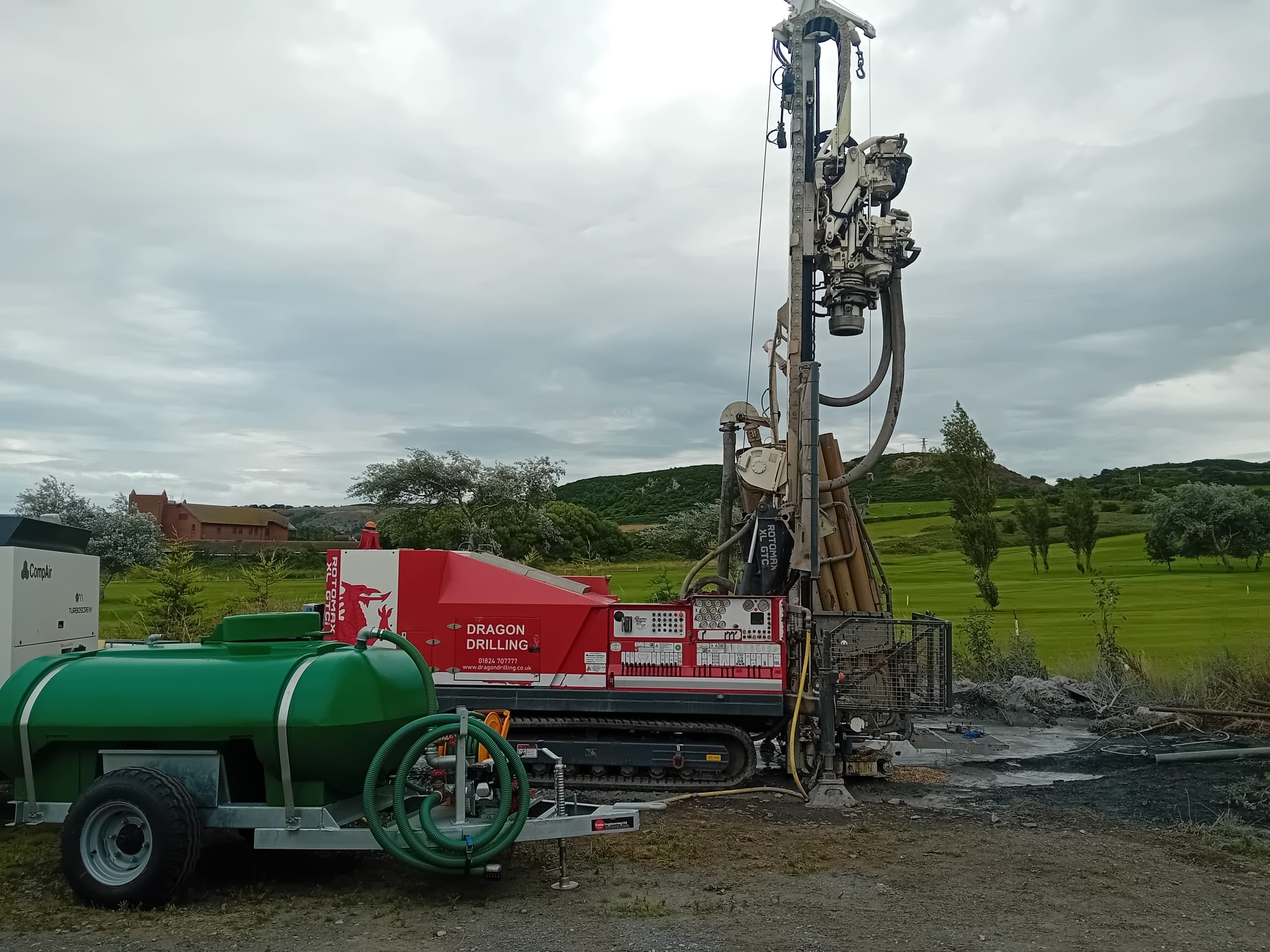
Dave: A lot of irrigation systems were put in during the 1980s, and they’re failing now. The cost of everything is going up, so golfers need to understand why clubs have to invest in these things. To keep greens good during really dry spells, you need a decent irrigation system, and if regulations come in around mains water, you’ll need another way of sourcing water as well.
Rob: Golf clubs have always had big-ticket items they need to plan for. It might be the irrigation system, drainage pipes, greenkeeping buildings or the clubhouse. The timeline for those things and when they’re going to be due has to be understood. Good clubs have always planned for that, but water, drainage and sustainability projects now have to sit in that same long-term thinking.
Dan: It’s very important, especially with the climate we’re seeing now. Hot, dry spells are becoming more common, and golfers don’t always realise how much water is lost through evaporation. Sharing data with members helps because it shows why we make certain decisions and why irrigation has to be managed carefully rather than just used constantly.
How can clubs help golfers understand why course work is being done?
Dan: Education is key. Even a one-to-one conversation on the course can make a difference as golfers often say they didn’t realise why something was being done. Club forums, talks in the clubhouse and course walks with the greenkeeper can all help. If you get people talking and asking questions, the message slowly builds.
Rob: Sometimes, if the only person communicating something is the course manager, the point doesn’t always come across as well. It’s important to have other voices, whether that’s an agronomist, The R&A, STRI or another professional consultant. Reports, data and outside support all help members understand why work is needed and why it may take time.
Dave: It needs drumming into people because it is a hard topic for members to understand. Golfers see the playing surface, but they don’t always see what is going on underneath. They don’t see the soil, the rootzone, the biology or the reasons behind different practices. You have to keep explaining that good conditions now are often the result of work done years before.
How can data help when golfers judge the course by appearance alone?
Rob: We would look at things like smoothness, trueness and firmness, and that helped when people felt the course wasn’t improving. Cosmetically, something might still have a way to go, but the objective measurements could show the playing performance was moving in the right direction. That kind of information helps golfers understand that progress is not always just about how something looks.
Dan: It has to be kept simple so nothing gets lost in translation. We share things like cutting heights, rainfall and general water usage. If golfers see us hand watering, they might ask why the irrigation isn’t working, but it may have been on all night. Hand watering allows us to target the dry spots and high areas without wasting water across the whole green.
Dave: Golfers don’t see a lot of the detail, but they do notice the results. With the irrigation system, we were watering more areas while using less water, and members could see the difference during the dry spell. When something improves the golf course in a way they can feel and play on, that helps them understand why the investment matters.
What should golfers understand about biodiversity work on the course?
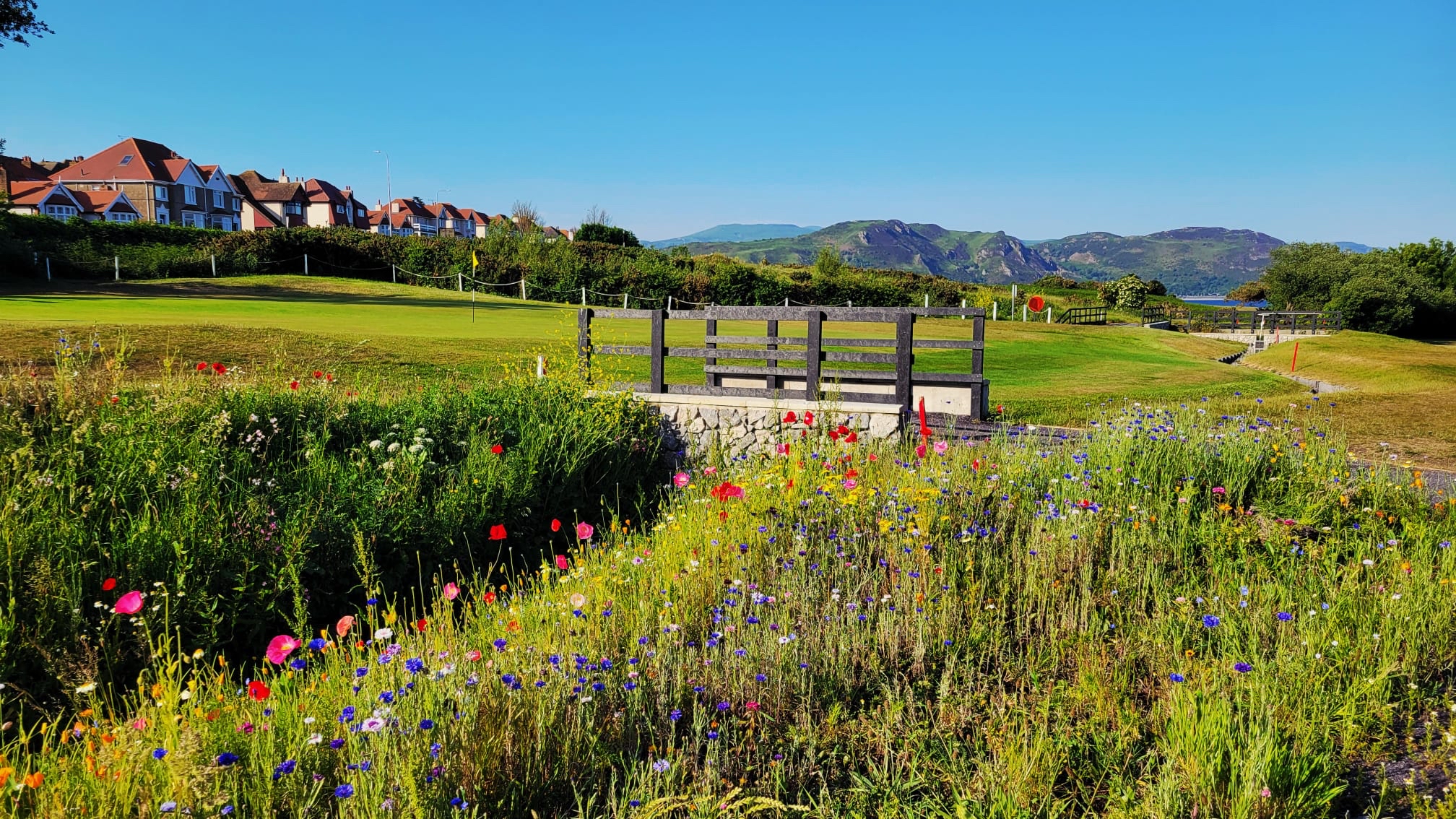
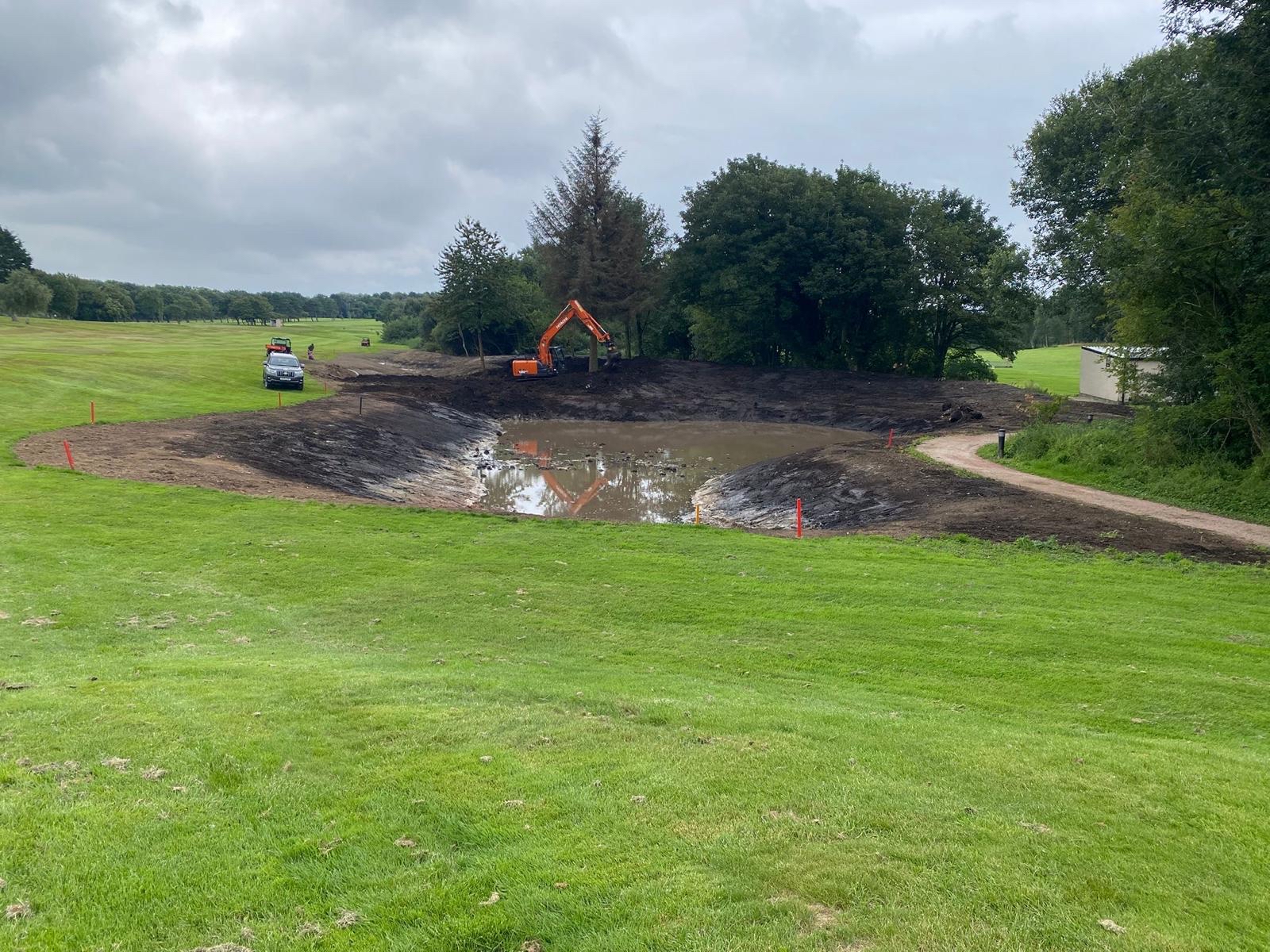
Dave: Wildflowers and insects are hugely important, but golfers don’t always see it. We had to lose trees under the power lines, but we replaced them with lower-growing fruit trees, which will bring insects back for pollination. Around the new lagoon we’ve planted wildflower seeds, so that should encourage more wildlife and make that area better as it develops.
Rob: If you play or work at the same course every day, you might not notice habitat gradually changing. Trees and scrub can slowly take over areas that should be dune grassland or heather. The longer that carries on, the harder it is to restore. Sometimes the environmental work is about stopping that slow decline and getting the site back to the condition it should be in.
Dan: Some golfers really enjoy the wildflower areas, and once people start asking questions it opens up the conversation. The difficulty is that some of those areas used to be cut wall to wall, so golfers may worry about finding balls. It comes back to education, course walks and sharing information so people understand why those areas are being managed differently.
How are new technologies helping clubs become more sustainable?
Dave: Robots will make a massive difference, especially in October, November and December. You’ll still have a golf course that looks like a golf course, but without big machinery going out and compacting wet ground. They should reduce our diesel use significantly and keep definition on the course when grass is still growing but conditions are too wet for heavier machines.
Dan: Irrigation technology is a big help because it gives us data on how much water is going onto each green. Machinery is improving as well. Greens irons are becoming more popular, they allow you to roll instead of cut while still getting good results. That means less stress on the plant, which is better for the surface.
Rob: Technology is part of the wider conversation. Every club has to look at what can be done for its own venue, whether that’s water, machinery, staffing or the way daily operations are structured. The important thing is to understand your own site and your own resources rather than thinking there is one answer that works everywhere.
Are you optimistic about the future of golf courses?
Rob: Well-run clubs will be fine, but some may struggle. Clubs are full of good people who give their time for free and want to do the right thing. Clubs that employ the right people, create good plans and let people see those plans through with the right support will get through it. Adapting is part of what course managers do.
Dave: The clubs that are prepared will move forward, and the clubs that aren’t prepared will either go backwards or fold. We will lose some golf clubs unless they start planning now. I’m retiring next April after 43 years here, and hopefully my son will take over. I want to leave the golf course in a position where he won’t struggle because it’s going to get tougher.
Dan: Clubs need to start making changes in how they manage sustainability, otherwise they will have problems. You have to show that you’re doing something, and you have to be brave enough to make those changes. Communication with members and the board is vital because everyone needs to be on the same page.
Author
