Burnham & Berrow: Liam's leading on the links
When Liam Pigden locks up at Burnham & Berrow at the end of a good day, he takes a look across the Somerset links and allows himself a moment of quiet satisfaction. It is his favourite part of the job.
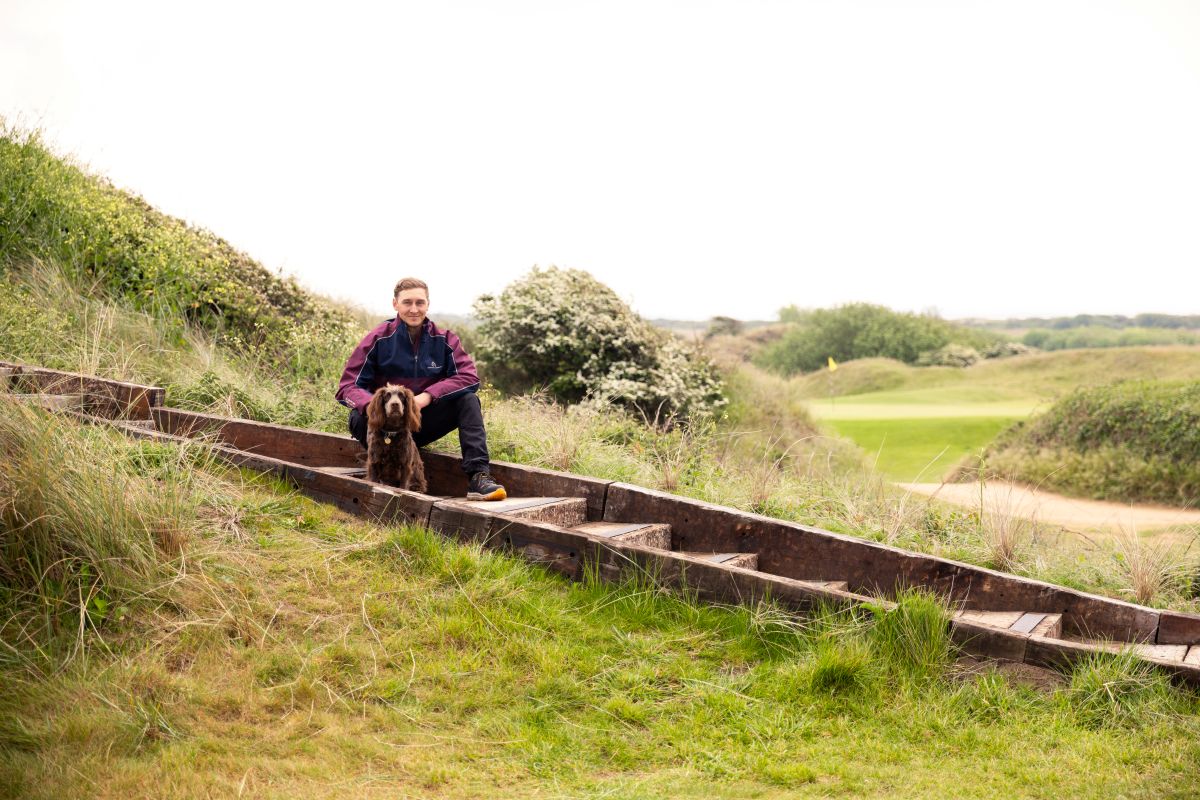
For a course manager, that satisfaction is usually short-lived. Even on the day of this interview, Liam had to delay after a problem arose with the irrigation system. It’s a prime example of the hurdles greenkeepers must negotiate every day in their ongoing pursuit of perfection.
“I don’t really get too hands on anymore, but in my role now the best part is going home at the end of the day knowing we’ve done everything we can to get the course where we want it to be,” he said. “As I’m leaving the sheds and locking up the gates, I look over the 3rd and 15th holes and I’m happy knowing we couldn’t have done a better job.”
Liam joined Burnham & Berrow in March 2018 as a greenkeeper and, seven years later, after progressing to deputy head greenkeeper and playing an increasingly central role in the running of the department, was appointed courses manager at the age of 27, taking over from 2006 BIGGA Chairman and Life Member Richard Whyman. The promotion, which took full effect in August 2025, placed him in charge of a 27-hole operation with a long championship pedigree, significant member and visitor expectations, and Open Final Qualifying on the calendar.
It also came at a time when Burnham & Berrow’s reputation had been moving in the right direction. The club is ranked inside the top 30 in the UK and Ireland, while the Channel Course has developed to the point where it now has full membership and a waiting list of its own.
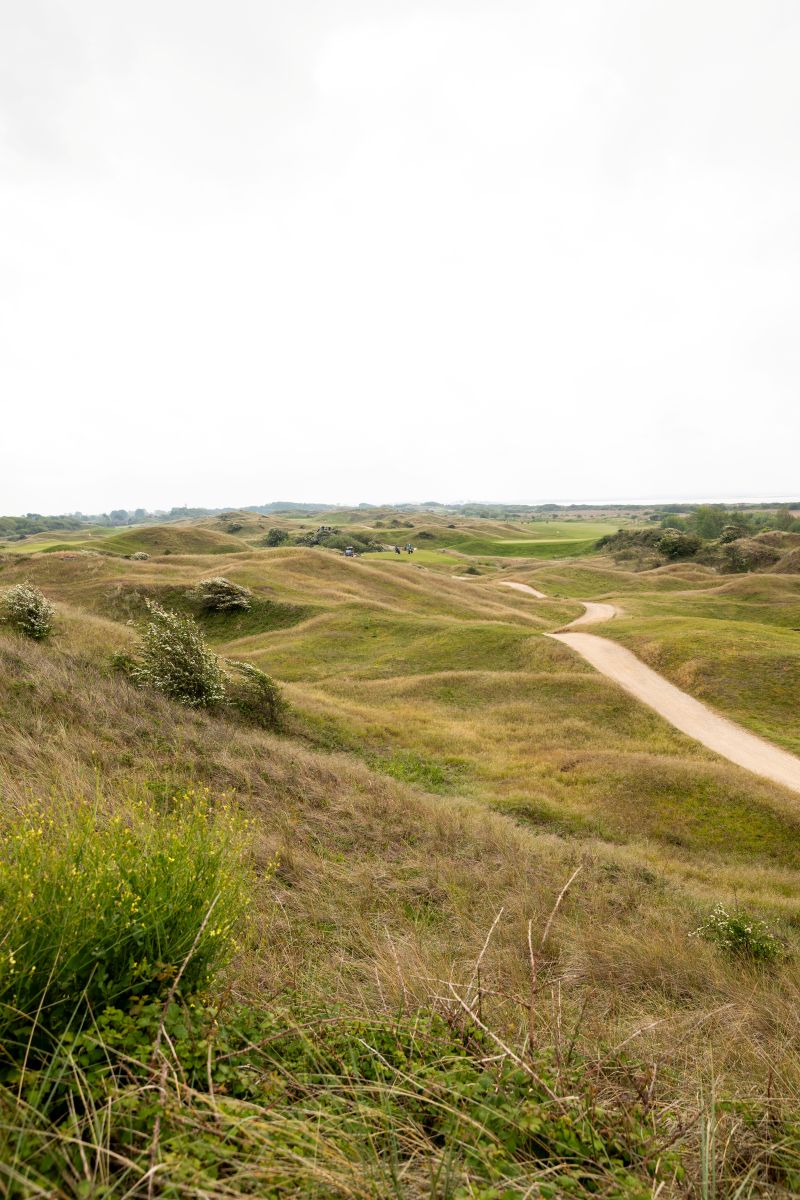
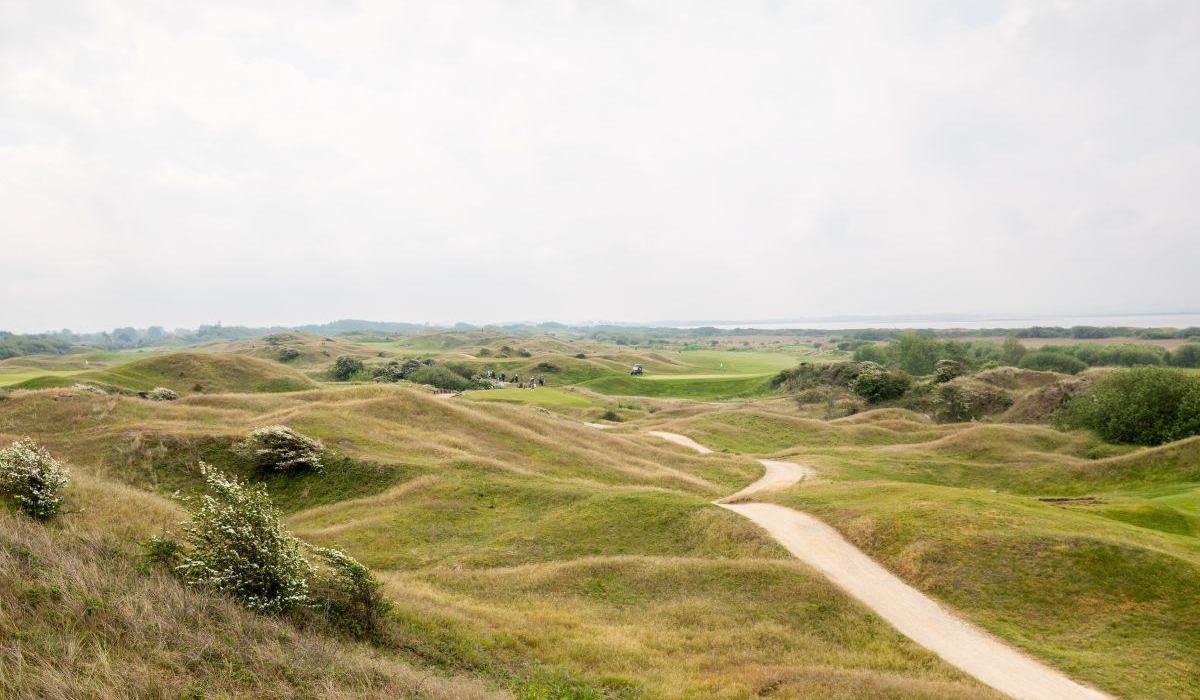
Burnham & Berrow dates back to 1890 and it is a traditional, historic links with a character shaped by the dunes that divide the fairways. It is not the flattest or most exposed of links, and the landform, sandy profile and coastal influence create a distinct challenge for the team.
“It’s a very undulating course,” said Liam. “It’s not too exposed to the sea, because the foredune runs right through, so we’ve got quite a lot of elevated tees where you can get up to actually see the coast.”

Liam’s rise has been quick, but it has also been built on a broad development pathway. He started at Bridgwater College, spent time in Sweden with Huvudstadens Golf, and progressed from assistant greenkeeper to first assistant at The Isle of Wedmore Golf Club. He was runner-up in the 2018 Toro Young Student Greenkeeper of the Year, became an R&A Greenkeeping Scholar, and graduated from the Future Turf Managers Initiative in 2021.
“Before leaving school, I actually started off doing a bit of cricket groundsmanship, and when I was wondering what I wanted to do, I thought cricket groundsmanship would be a good start,” he said. “I applied for loads of jobs through private schools or golf clubs, and eventually fell into a golf club.”
From there, Liam completed his Level 2 and Level 3, spent time working in Sweden and returned to Somerset at Isle of Wedmore before joining Burnham & Berrow. He has also completed a foundation degree at Myerscough and was keen to build his education while still early in his career.
“I tried to gain a lot of my education while still young and still invested in spending time learning,” he said. “Not that I’m not now, but at that time the skill of learning was still fresh in my mind.”
Becoming a course manager had always been his ambition, although he initially imagined that would involve leaving Burnham & Berrow for somewhere smaller. That changed as his deputy role developed and the club gave him more responsibility for daily management, recruitment, and training.
“When I was younger, I didn’t like the idea of having a big team,” he explained. “I thought I’d be happy with a smaller team and a smaller course. But as time went on, I realised that I wanted as much resource as I could possibly get, in terms of budgets and staffing availability, in order to achieve the standard I wanted to work to. Burnham & Berrow is that standard.”
The appointment was still earned rather than assumed. Burnham & Berrow advertised the position, considered other candidates, and put Liam through the full interview process, but the succession had clearly been managed with intent. “There was a succession plan, definitely,” he said. “The job still went out. The club did look at other candidates from within the industry as well, so I did have to earn it. I did have to apply for it and go through the interview process to get the job, but I had already started to gain experience.”
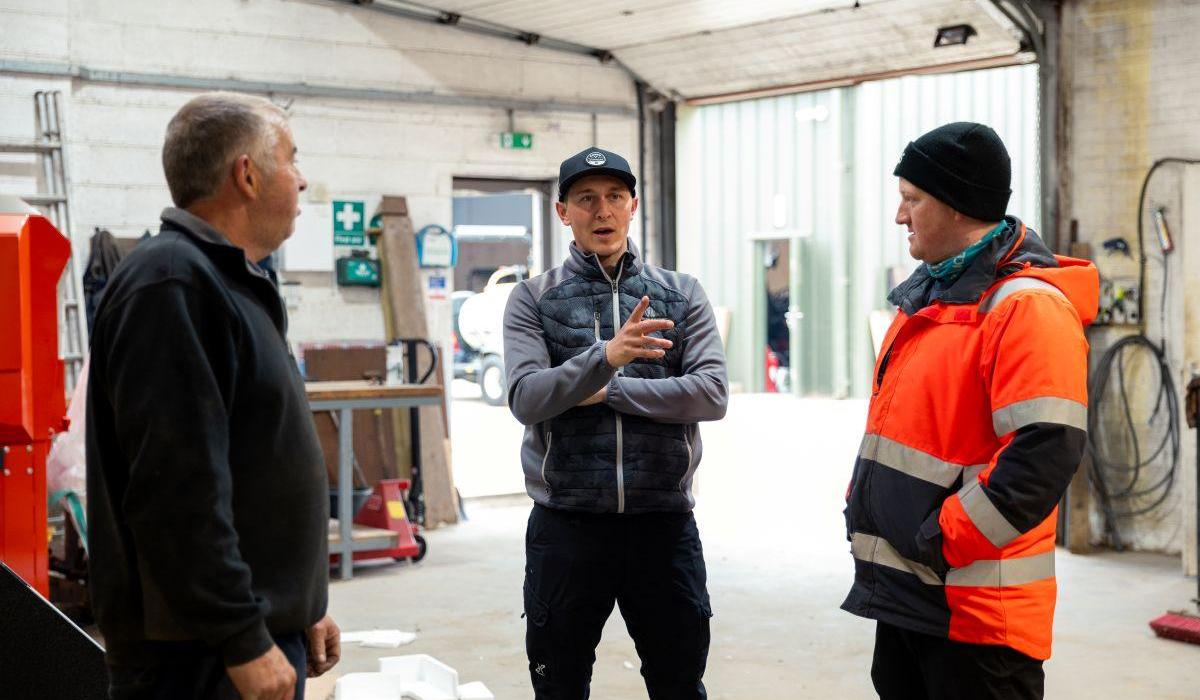
By that stage, many of the responsibilities assumed by his long-serving predecessor were already familiar to Liam. “It hasn’t really felt like a transition at all, only because the transition started probably two years prior,” he said. “When I did take on the job, I felt ready. The only thing that really changed was perhaps attending more meetings, and beforehand I could tuck in and hide behind Rich, whereas now I was at the forefront.”
Leading an established team from an internal promotion can be difficult, particularly when the person stepping up is still young. Liam believes that process was eased by the fact he had been involved in recruiting and shaping much of the department. When he arrived at Burnham & Berrow, the team had seven greenkeepers and a full-time pest controller who helped with other duties. It now operates with 11 full-time employees and two part-timers, including a mechanic. “We’ve had such a big shake-up in our team here, I’ve been involved in the recruitment of pretty much all of our team,” he said. “There are only two members of the team who’ve been here longer than me. We have all got great respect for each other.”
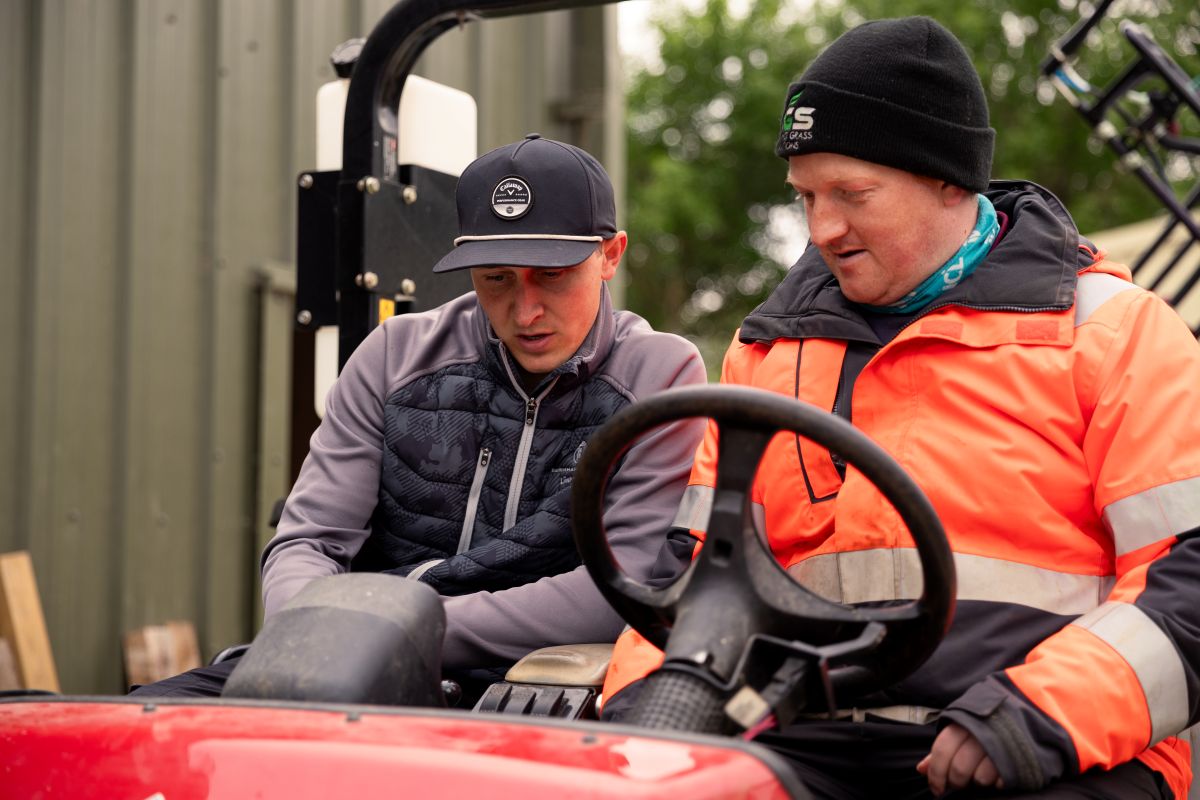
His leadership style has been shaped by sport, both from playing and from captaincy. Rather than treating the department as a hierarchy, he tries to create the feeling of a team working collectively towards shared standards. “I try to lead the team a little bit like a sports team,” he said. “I’ve played a lot of sport growing up and still do now. My experiences have made me try to manage our greenkeeping team like a sports team, to try and have that kind of culture.”
That culture is central to the standards being produced at an upwardly mobile club whose reputation is growing every year. “Everyone in our team is happy,” said Liam. “Because of our team culture, because of the quality of our team, we’re producing what we are setting out to achieve for a top-30 golf club.”
The club’s standing brings clear expectations. Green fees have risen significantly in recent years, and Liam is conscious that the presentation of the golf course must match what golfers are paying for. “Two years ago we were about £155 a round, and we’re now £225,” he said. “Obviously, with that jump in cost, there is an expectation that you have to provide a £225 worth of golf course.”
That expectation has influenced how the team works. More staff means more tasks can be completed before play, rather than trying to carry out routine presentation around golfers. “Back in the day, we’d be cutting fairways and rough in and amongst the golf, and I’d go out and cut rough amongst the golf,” Liam explained. “Whereas nowadays, because we’ve got more staff, we can stay ahead. It almost means we’re not actually bothering the golf at all.”
The club has invested in new sheds, machinery and staff, making it a vibrant and positive place to work, but not without its challenges. The agronomic demands begin with wind, traffic and a sandy profile. Winter play can be intense because nearby inland courses may be closed while Burnham & Berrow remains playable, particularly on the Channel Course. “Whatever the weather, people still want to play their golf, so they end up coming here while other courses are closed,” said Liam. “Sometimes throughout the winter we can be just as busy as the summer, particularly on the 9-hole course, because it is slightly cheaper.”
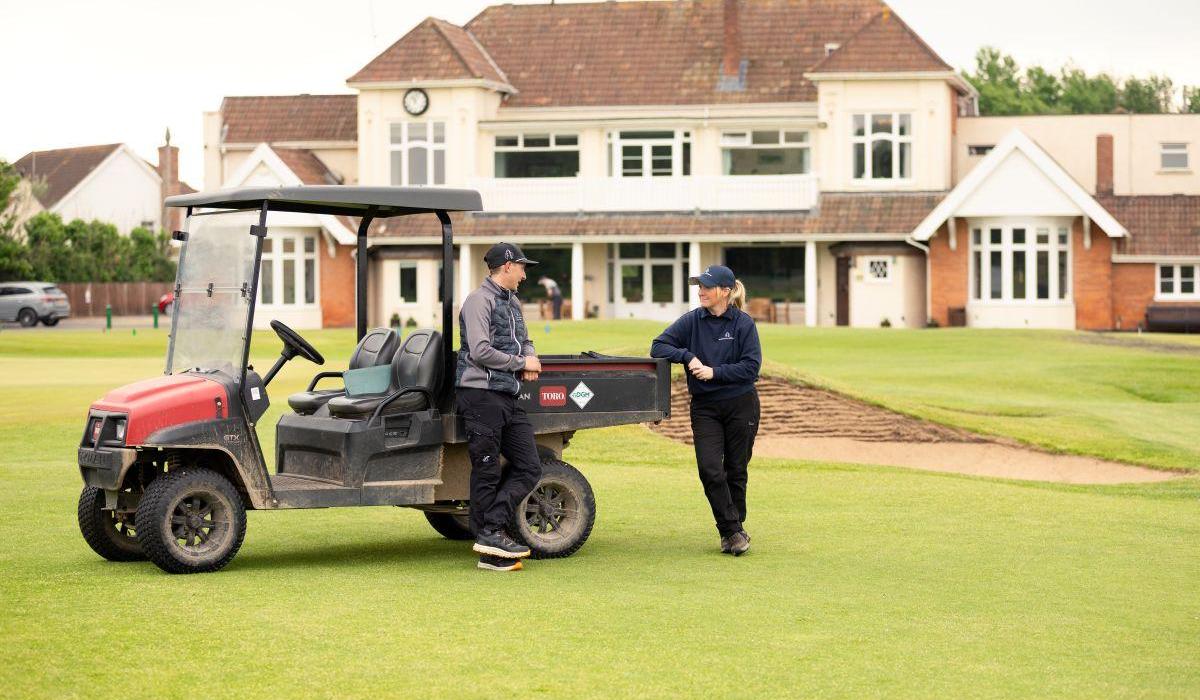
Establishment is one of the biggest practical challenges, particularly on exposed, high-wear areas. “That’s a big thing we have – the difficulty trying to establish turf, establish seed, with it being a very sandy profile and exposed to wind all the time,” said Liam. “It’s just drying the leaf out constantly. Trying to maintain the moisture is very difficult.”
One practical response has been a move towards dwarf ryegrass in the highest-wear areas, particularly grass paths, par-3 tees, and winter tees. Liam is not trying to alter the character of the links, but he believes modern cultivars offer the fineness and resilience required for those areas.
“We are transitioning in our grass paths from hard fescue into dwarf rye, just to try and give them a bit more strength and resilience to the wear they receive,” he said. “We’re doing it on the tees as well, so we’re going away from trying to get fescue in the tees to trying to get dwarf rye in the tees, particularly on the par 3s and winter tees, because the cultivars nowadays of dwarf rye are so fine anyway, so they do fit in with that links environment.”
The early results have been encouraging, particularly where wear had previously opened up bare areas that were difficult to recover. “We’re in the second overseed of the process now and we’re seeing good establishment, really good thickening of the sward in areas,” he said. “I’d like to think with good nutrition over the next couple of years and a couple more overseeds, we’ll start to get the paths where we want them.”
On the greens, the emphasis is more on careful refinement than major change. Liam describes the surfaces as fescue and bent, with some Yorkshire fog still present and being gradually managed. “The surface is a blend, but it seems to work for us,” he said. “I’m sure the greens have probably been the same here for 130 years, and I’d go as far as saying they’re probably the strongest point of the golf club.”
The maintenance programme reflects that strength, with nutrition, grooming and vertical cutting managed carefully to avoid harming the fescues. However, Liam’s first year has also brought a sharp lesson in water management and climatic volatility. “We had our driest summer on record, with a lot of water issues,” he said. “We were buying in water through tankers just to keep our fairways alive, which obviously was a large expense for the club, going into a winter where the course was flooded and we were trying to get rid of water out to sea as quickly as we could, and then going into the driest March-April period that we’ve ever recorded here.”
The timing made recovery work especially difficult, with seed in the ground but wind, cold nights and lack of moisture slowing establishment. “All while you’re trying to get your seed in the ground, coming out the back of a wet winter, when you need to get your establishment and recovery,” said Liam. “We’ve got a lot of seed in the ground, but we’re having a lot of high winds, low temperatures at night, no moisture, no rainfall. It’s been a very, very difficult period.”
The decision to buy in water helped to avoid a repeat of what happened a few years ago, when many fairways did fall victim to the dry conditions. “The club did commit to buying in tankers of water last year, which allowed us to keep our fairways alive enough that when the weather did finally break, they did come back,” Liam said. “We didn’t completely lose them, because in 2022 we lost most of the fairways apart from the lower-lying ones, which then meant we had a pretty serious recovery plan to get them back, overseeding and nutrition.”
Later this month, the club will again host Open Final Qualifying. Such an event inevitably brings scrutiny, but Liam insists the team does not dramatically change its approach for the tournament. “We like to keep our standards high all year round, because of the member and guest expectation, so when it comes round to FQ, we don’t really change a great deal,” he said. “We do get a few volunteers in just to make sure that we can get everything done in one hit.”
Liam also values the learning that comes through engaging with The R&A, as well as the British Links Club, the Irish Links Initiative, and his membership of BIGGA. Seeing other courses and speaking to peers has helped shape his willingness to test ideas at Burnham & Berrow. “It’s always good to hear what other clubs are doing and what works, what isn’t working, because ultimately, if you’re standing still, you’re going backwards,” he said.
Richard had already encouraged that approach by giving Liam room to experiment before the handover, including visible changes such as moving away from circular tees towards square, aligned shapes. “Rich was always good at letting me experiment with new things and try new ideas,” Liam said. “When it came to my interview and I had to talk about some of the changes I would make or do differently, I’d already been doing some of those things anyway.”
Future projects include continued work on the Channel Course, which has full membership and a waiting list, plus ambitions to improve the short-game facility and driving range. The club has had a masterplan produced by Martin Ebert, but any work must be balanced with the environmental sensitivity of the site. “A lot of the work we do here, because we’re SSSI land, is subject to approval from Natural England,” Liam said. “We do have to work with them quite closely to mitigate any changes we make. We’ll always try and have a net gain whenever we do any work.”
The club’s investment in a larger excavator with a 360 rotating hitch has also increased what the team can deliver under their own steam, from dune work to tee projects and course infrastructure. “That’s allowed us to do a lot more projects in-house where we previously may have had shapers or sculptors,” he said. “We now have the equipment and staff. We’ve got guys who are trained on the diggers, and we’ve got the ability to do bigger projects in-house.”
While the next phase for Liam is about delivering his first Open Final Qualifying as courses manager, the bigger goal is around living up to the expectations that come with being a top-30 course.
“It’s exciting to get my first FQ in the role, but beyond that there is so much I want to do,” he said. “Anything from developing relationships with architects, with other members of the industry, agronomists, and addressing weaker areas of the course, like the bunkers, up to the standards we have across the board. From there, it’s just a case of cementing my position as a top-30 course manager.”
Resilience in the face of adversity
Burnham & Berrow’s victory in the Championship Greenkeeping Performance of the Year with Bernhard and Company category at the BIGGA Awards in January recognised the team’s response to deliberate chemical vandalism before Open Final Qualifying in 2025. Liam was not courses manager at the time, with the event falling under Richard Whyman’s tenure, but the award still has significance for the department Liam now leads because it reflects the team’s ability to respond calmly and practically under extreme pressure.
“We were subject to quite a bit of vandalism on 20 of our greens, which then required pretty immediate action for us to actually get Final Qualifying on,” said Liam. “Credit to The R&A. They were willing to support us and help us through it. They gave us a pretty good period of time to try and get the greens back. In some situations, that might have just been taken away there and then, but they gave us a chance.”
The recovery tested the team’s technical skills and its ability to adapt as the damage developed. The eventual solution involved turfing affected areas after other recovery methods had not delivered enough certainty on ball roll. “Through innovation from members within our greenkeeping team here, we came up with a pretty good plan to turf the greens out where we could,” said Liam. “When Stefan Carter from The R&A came in with the GS3 ball to test the turfed areas, they were all rolling within the parameters The R&A look for when it comes to qualifying events.”
For Liam, the episode provided evidence of the strong culture and work ethic within the team, and that’s something he has been keen to continue. “It was one of those situations where you accept that what’s happened has happened and you have to figure out how you move forwards,” he said. “We did send off samples to find out whether it was petrol or whether it was glyphosate. Ultimately, it was a case of having to react in the right way to overcome it, and we did that.”
The recognition that followed was important because it acknowledged the collective effort behind the scenes. “It was a pretty tough few weeks for the club as a whole, and especially for Richard being his last one in the job,” said Liam. “It was a credit to our team and the skills we had within the team here to get that done and pull it off.”
Liam’s career timeline
2013-2015: Greenkeeper, Bridgwater College
2015: Greenkeeper, Huvudstadens Golf, Sweden
2015-2016: Assistant greenkeeper, The Isle of Wedmore
2016-2018: First assistant greenkeeper, The Isle of Wedmore
2016-present: Groundsman, Wembdon Cricket Club
2018: Toro Young Student Greenkeeper of the Year runner-up
2018-2021: Greenkeeper, Burnham & Berrow
2021: Future Turf Managers Initiative graduate
2021-2025: Deputy head greenkeeper, Burnham & Berrow
2025-present: Courses manager, Burnham & Berrow

Author

About Burnham & Berrow
Founded: 1890
Holes: 27
Main course: 18-hole Championship Course
Second course: 9-hole Channel Course
Character: Traditional links, with significant dunes dividing fairways
Team: 11 full-time staff and two part-timers, including a mechanic
Key event: Open Final Qualifying