
8 things people get wrong about golf courses
The image of water-hungry, over-managed, chemical-heavy landscapes still shapes public opinion, but Aaron Bowen, assistant estates manager at The Gog Magog Golf Club in Cambridgeshire, knows the truth is very different. Here, he challenges eight common myths about golf and the environment.
Myth 1: Golf courses are ecological deserts
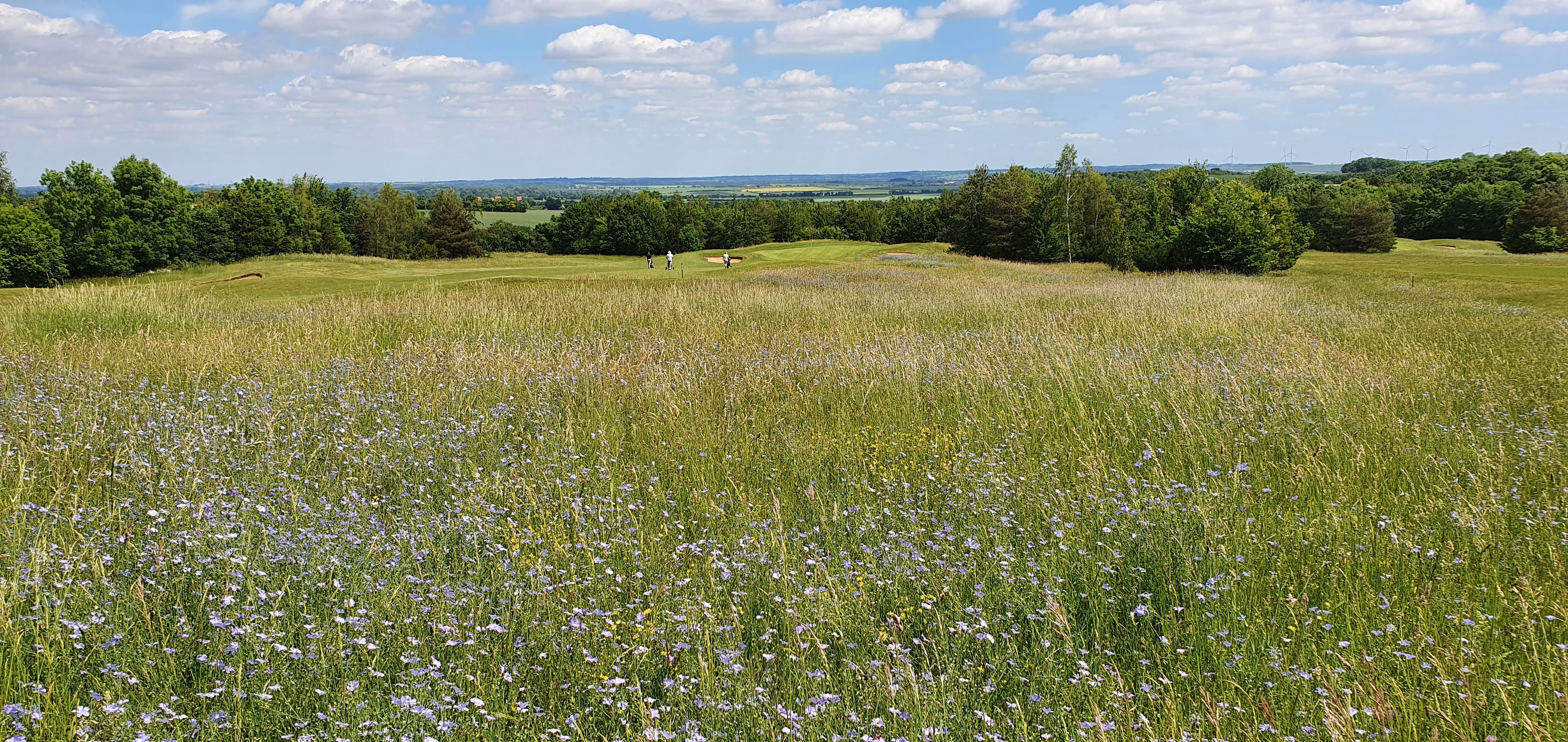
This is probably one of the most common criticisms golf receives because people assume courses are sterile grass environments with little ecological value. The reality is very different. People often picture only the greens and fairways, but the playing surfaces are usually a relatively small percentage of the site. At Gog Magog, we look after around 500 acres and only about 75 are intensively managed. The rest is ecological rough, trees and habitat for insects, birds and bats.
Myth 2: Every part of a golf course is intensively maintained
The reality is that different areas of a course are managed in very different ways. Greens, tees and key playing corridors need close attention because they directly affect the quality of the golf. Other areas may only need occasional cutting, thinning or targeted work at certain times of year, while some parts can be left largely alone because minimal intervention is the best management choice. Good greenkeeping is about knowing which areas need precision, which need light-touch management and which are better left undisturbed.
Myth 3: Golf courses always waste water
Golf has to get access to sustainable water sources, store that water properly and then use it efficiently. The answer is not to flood a course purely for presentation. At Gog Magog, we have invested £2m in a new irrigation system to use less water, which was a hard sell but the education helped get it over the line. Moisture meters, water mapping, surfactants and modern irrigation systems mean we can target the areas that need water and make better use of what is already in the soil.
Myth 4: Golf courses are soaked in chemicals
Some of the misconceptions around golf are still based on what the industry looked like 15 or 20 years ago. Back then, there were some pretty nasty products being used and the aim was often to create sterile environments. That has changed massively. Pesticide legislation has moved things on, and rightly so. We are using safer products at lower rates, more organic-based materials and better greenkeeping practices. We now understand that healthy microbial activity in the soil is something to support, not remove.
Myth 5: Golf courses are worse for the environment than any alternative land use
A poorly managed golf course can absolutely have negative impacts, but so can intensive agriculture, urban expansion and industrial development. A well-managed golf course can provide real environmental benefits, from flood mitigation through ditches and reservoirs to habitat creation, cooler green space and carbon storage. At Gog Magog, we sit on chalk downland, and open grassland can lock carbon into the soil very effectively when it remains undisturbed. You would not get that level of habitat from roads, hardstanding or housing.
Myth 6: Golf courses only help wildlife if they are left wild
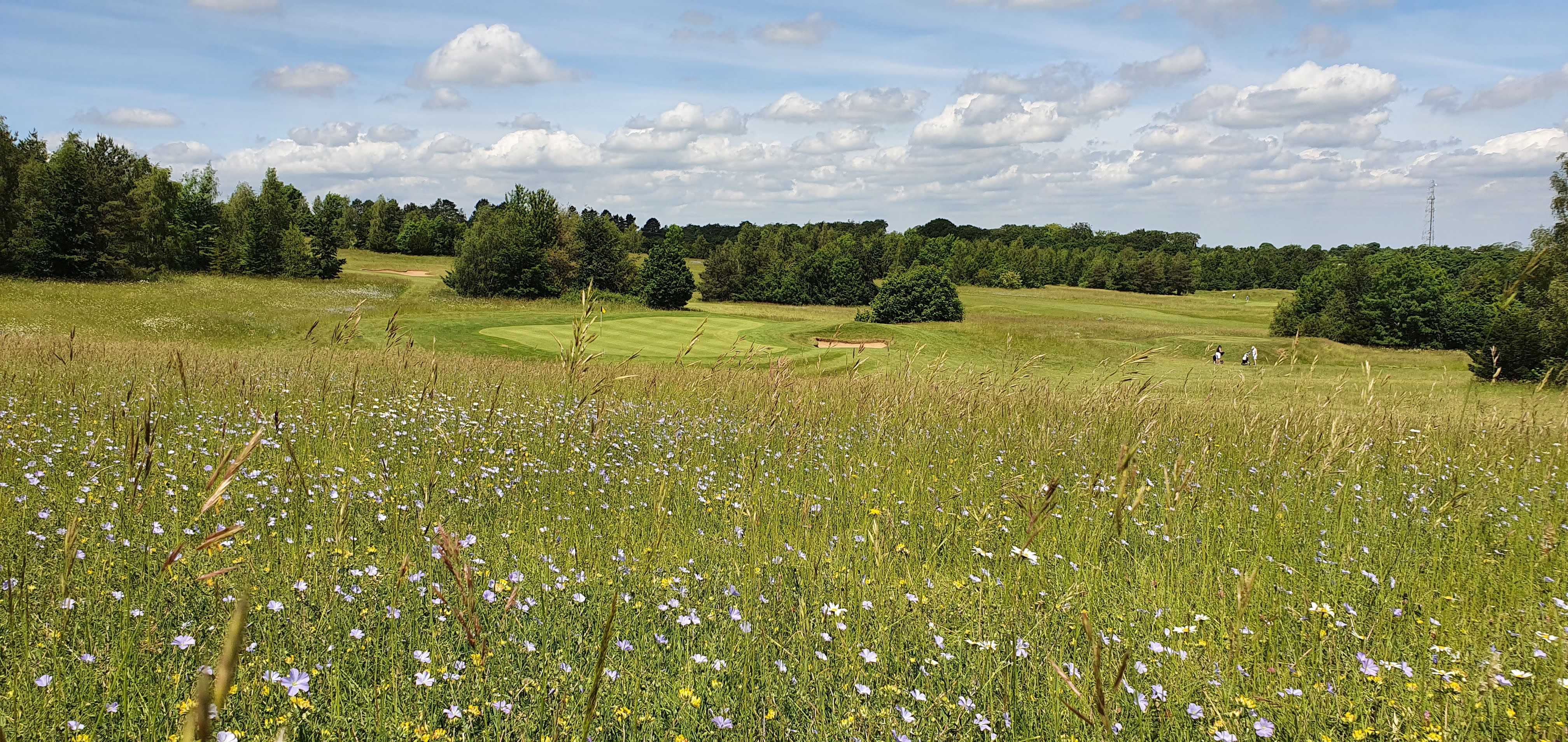
Some of the best ecological outcomes come from active management rather than abandonment. I spent 10 years at a heathland course, and if you left that unmanaged it would eventually turn back into woodland, with seedlings and gorse taking over and heather being lost. The land is always trying to convert into the most successful plant. Wildflower meadows need careful cutting regimes, ponds can silt up and rough grass or woodland needs ongoing management to maintain habitat and species diversity.
Myth 7: Golf and nature are always in conflict
The best golf courses increasingly see environmental management and playing quality as part of the same conversation. Healthy soils, resilient turf and functioning ecosystems all contribute to better long-term playing conditions. Golf depends on nature, especially when we go through periods of drought, heat or heavy rain. Sometimes the problems we face are out of our control, so we have to work with nature and explain those challenges to members. Education is a huge part of helping golfers understand what is happening.
Myth 8: Environmental improvement means worse golf
A lot of sustainable practices can actually improve playing quality. Firmer, drier turf is often more resilient, and better soil management and more efficient water use help the course cope with stress. Expectations do still need to change because golfers watch tournament golf and see soft, green, perfectly presented courses. The R&A has helped by championing a more natural, sustainable approach at major championships. If that look is seen as acceptable at the top of the game, then it becomes much easier to explain at club level.
Author

Name: Aaron Bowen
Position: Assistant Estates Manager
Club: Gog Magog