'Sustainability is essential to the future of golf'

1 February 2026 Feature Article

Working freelance is never easy but once in a while I stumble across a greenkeeper who makes my job that little bit easier. As a trip to North Hants revealed, I found a real belter in Andy Reason. I could write at length about how important Andy is to both his place of work and to the wider world of golf, but who better to tell the story than the man himself, along with North Hants Course Manager Sam Evans.

I had the pleasure of speaking to Andy and Sam about the stunning course and the commendable efforts of the team there in managing a rich and valuable heathland venue.

Can you tell me a bit about the course and its history?

SE: The club was founded in 1904 and has a rich history blending tradition with innovation. It was designed by James Braid and later shaped by architects like Harry Colt, Tom Simpson, Donald Steel and Tom Mackenzie, so the course reflects over a century of golfing evolution.
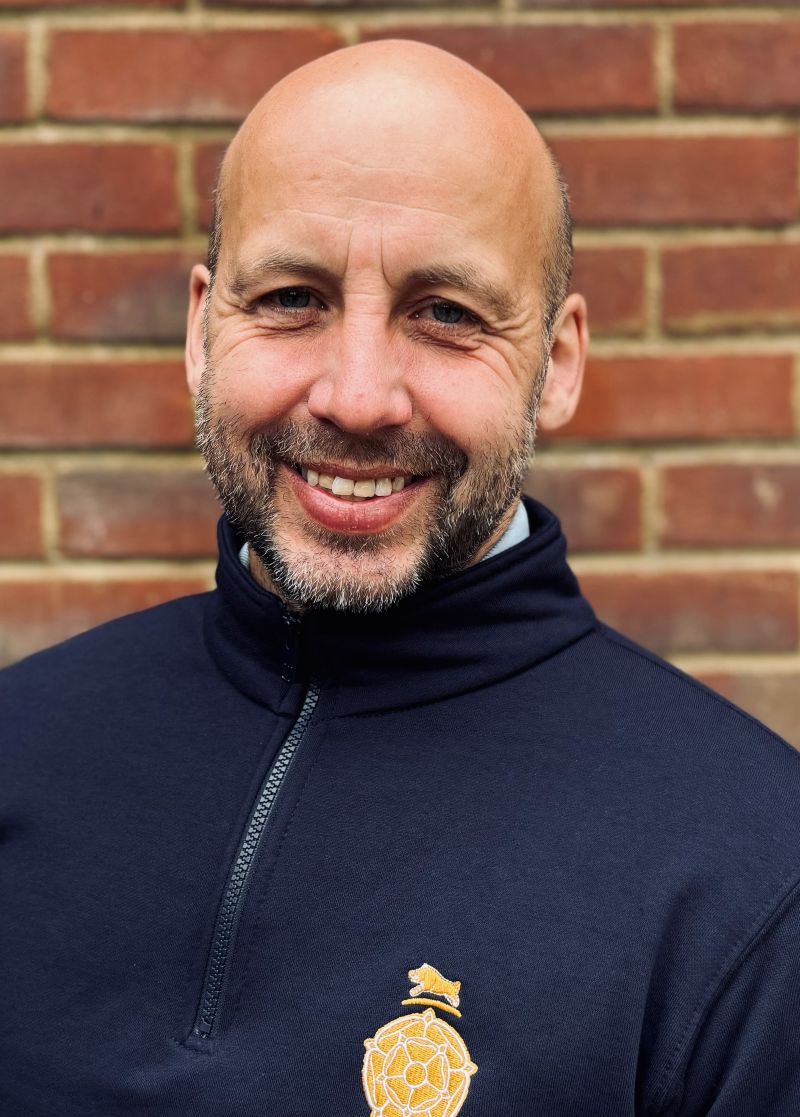
Andy Reason.jpg 1
Andy Reason


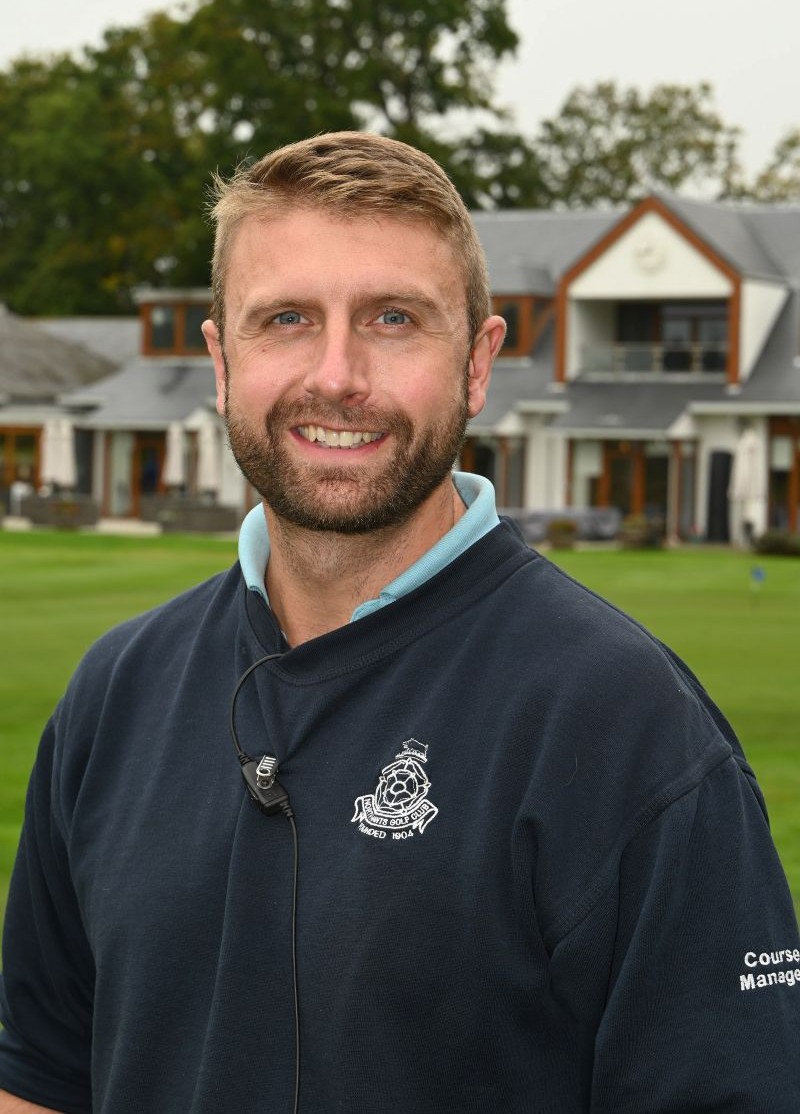
Sam Evans (1).jpg 2
Sam Evans


Once a 'country club' with tennis, croquet and dining, the club has adapted with the times, modernising its facilities while keeping its heritage alive. Over the years, it has hosted notable events and produced talented golfers, including Justin Rose. Recent refurbishments, including a £1.5 million course upgrade and state-of-the-art irrigation, have enhanced both playability and sustainability, showing how North Hants balances top-quality golf with environmental stewardship.

Futureproofing of the highest order going on then, but what about any rarities such as orchids, other wildflowers or maybe a rare bird has been spotted?

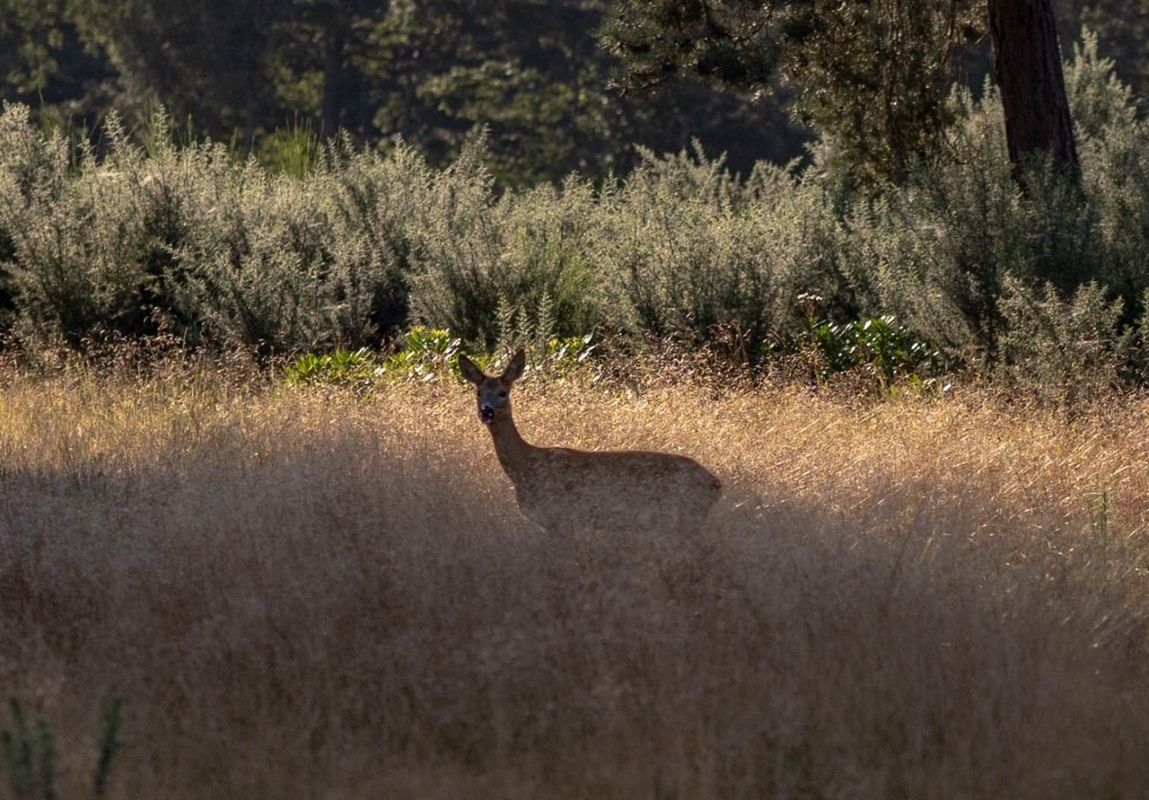
AR: We've recorded a really encouraging range of birdlife on the course, but a few species stand out as particularly significant from a conservation point of view. The highlight has been the woodlark.

It's a Schedule 1 and Red List species and a true heathland specialist. We've also logged several other Red List birds, including lesser redpoll, song thrush, mistle thrush and starling. These species are all in national decline, so their presence shows that the habitat is functioning well for wildlife. Among the Amber List species, green sandpiper, stock dove and red kite were also notable.

On the botanical side, we've been working hard to increase plant diversity across the course. This year, we introduced 45 different species of native wildflower, including yellow rattle, which is especially valuable because it suppresses dominant grasses and allows more delicate heathland species to establish.

It's already helping us create a more open, species-rich sward that supports insects, pollinators and, ultimately, the birds that rely on them. Overall, these records underline just how valuable heathland golf courses can be for biodiversity when they're managed with sensitivity and long-term ecological goals in mind.

Hutch3.JPG


You've obviously had other professionals in to assist you, has this made a difference? If so, how?

SE: We've been fortunate to draw on the knowledge and passion of both seasoned professionals and dedicated hobbyists, and that combination has allowed us to achieve far more than if we'd tried to do everything ourselves. Their involvement has not only elevated what we're able to accomplish on the ground, but it has also helped us build meaningful connections within the local community.

By bringing together such a diverse range of talent, we've been able to channel that collective energy into projects that are genuinely enhancing the golf course and its natural surroundings.

Have the members accepted your eco projects?

SE: The acceptance from our membership has been outstanding. They fully recognise that sustainability is essential to the future of golf, and their support empowers us to push even further with our green initiatives.

What's most inspiring is that our members view these efforts as part of a shared responsibility — a collective commitment to preserving the natural beauty of the course and ensuring that future generations can enjoy the game.

Hutch 2.jpg


Andy, tell me about your breakfast gatherings.

AR: We organised our first Breakfast Networking Meeting in September 2025. The idea was just a way of saying thank you to everyone who has been involved in our projects. We wanted to create an informal setting where people could build connections, support one another beyond the golf club and — just as importantly — give us the chance to put names to faces.

The event exceeded our expectations, and we’re eager to continue these gatherings in the months ahead. This event has helped connect many of our partners to do their own collective projects.

Are there any further sustainability projects planned for the future?

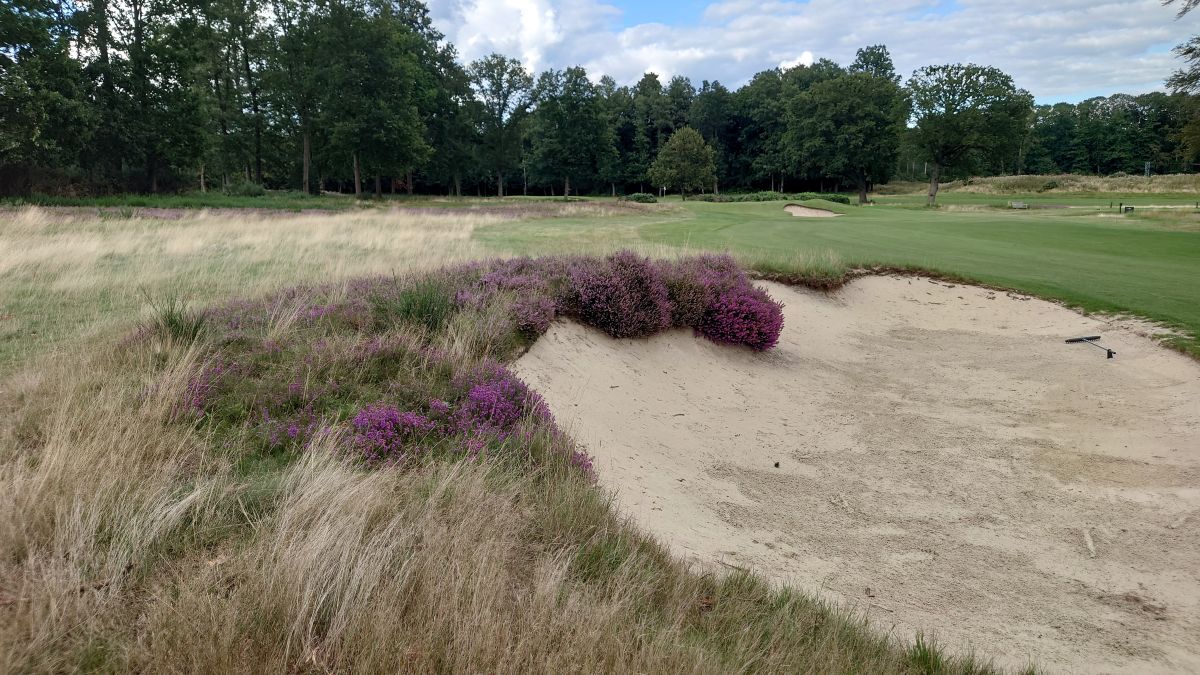
AR: At a heathland golf course, sustainability starts with protecting the landscape that makes it special. Our focus is on restoring classic heathland features, expanding heather and acid grassland, managing gorse, broom and woodland carefully and controlling invasive, non-indigenous species. We're also creating wildlife corridors and small sandy scrapes to support the specialist birds, insects and reptiles that depend on open heath.

Water use is another priority. We're exploring the feasibility of a second reservoir and looking at ways to harvest rainwater from the clubhouse and maintenance buildings, even from the M3, to reduce reliance on mains supply.

Smart irrigation, driven by soil-moisture data, ensures we use water only where it matters — mainly greens, tees and approaches — while allowing fairways to take on their natural, drier heathland character in summer.

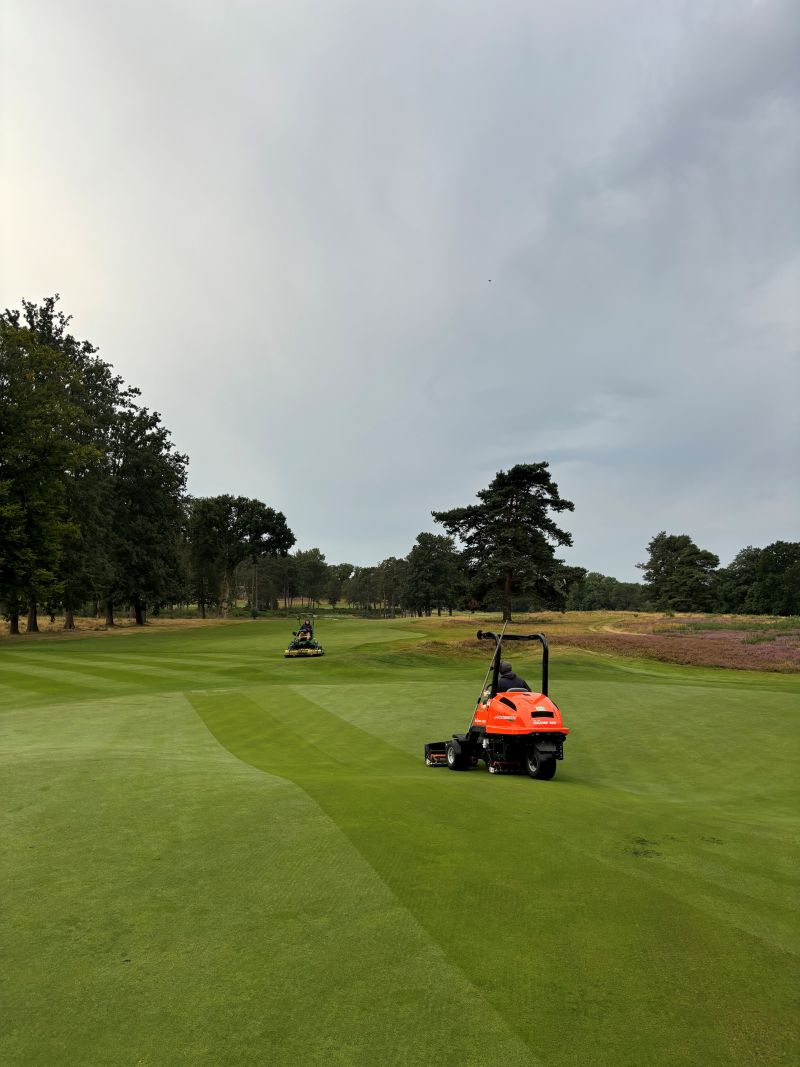
We're also working to reduce our carbon footprint by transitioning to electric machinery and assessing opportunities for solar generation. On the turf side, we follow a low-input philosophy, keeping fertilisers and chemicals to a minimum and relying on integrated pest management.

Expanding our on-site composting also helps close the loop on organic waste.

Sustainability for us goes beyond the course. It's about responsible procurement, better waste handling and engaging with local conservation groups and the community. The overall goal is a course that's environmentally resilient and true to its heathland heritage, while setting a strong example of modern sustainable greenkeeping.

Heather Plot NHants.jpg
Heather plots at North Hants


Is there a role for golf course ecology in the future?

SE/AR: Absolutely. Golf course ecology has a significant role to play in the future. Historically, courses haven't always been viewed as environmentally friendly, which makes it even more important for clubs to take responsibility and show how they can become a genuine force for good. Green spaces are essential, and when managed thoughtfully, golf courses can provide thriving habitats that support a wide range of flora and fauna.

At North Hants, we're surrounded by urban development, so creating and protecting space for wildlife is both beneficial and essential. Many of our ecological initiatives have been simple and low-cost, but by communicating regularly and involving our members, we've been able to build real momentum and expand our conservation work year after year.

What matters most now is helping the wider community understand just how much is possible when we rethink the relationship between golf and the environment. High-quality playing surfaces, strategic course design and long-term ecological stewardship are not competing priorities — they're complementary elements of a truly modern golf facility. As the game evolves, these two aims not only can coexist, they must.

Golf course ecology offers far more than aesthetic value, it provides real opportunities to protect biodiversity, restore habitats and demonstrate responsible land management on a meaningful scale.

It's no longer just a component of the sport's future — it has the potential to play a defining role in shaping a more resilient and sustainable one, both for golfers and for the natural landscapes they enjoy. GI

'The last strongholds for urban wildlife'

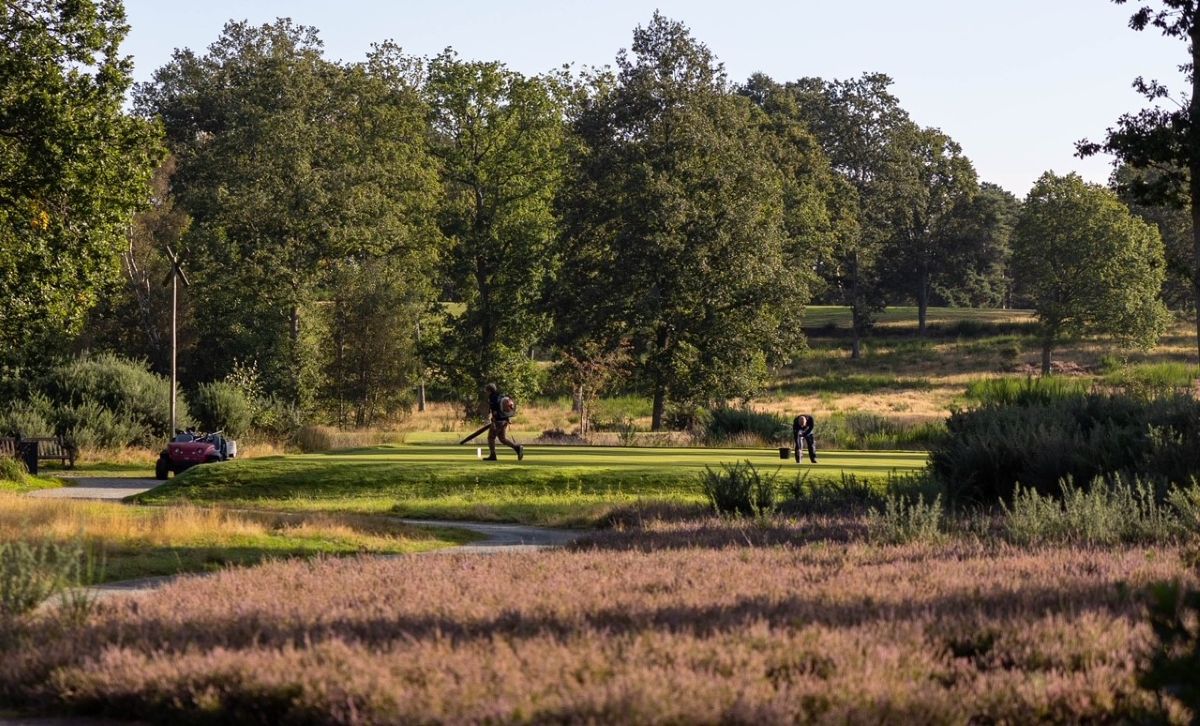
Having seen the course and how the team there work at first hand, I can safely say that the heathland management is in safe hands. I've tried on numerous occasions to bring key stakeholders together around sustainability issues — not always successfully — so I wish Andy all the best with his breakfast networking initiative. Pulling everyone in the same direction is the hard part, as is balancing nature, playability and sustainability.

Everything Andy outlines for the future is vitally important, and I genuinely admire his efforts. Having visited around 480 courses myself, and occasionally encountering negativity, it is hugely pleasing to see the club fully backing these initiatives. I was particularly struck by the statement: "At North Hants, we're surrounded by urban development, so creating and protecting space for wildlife is both beneficial and essential."

Having observed golf courses for many years, I can confidently, honestly say that courses like North Hants are fast becoming one of the last strongholds for urban wildlife. Let that sink in.

North Hants 3.JPG 1


Author

BIGGA Logo140.png
BIGGA

Notification

Please confirm!