
Silloth on Solway – the golf course that has it all?
James Hutchinson revisits one of his favourite sites – Silloth on Solway – where ecological excellence sits alongside first-class maintenance.
If I were to be asked which is my favourite golf course in the whole wide world, I obviously couldn't answer as they're all different in their own ways. If, however, you were to ask me to name my top 10, Silloth on Solway would be nestled comfortably in there, probably near the top end to be honest.
But why, I hear you shriek. Well, I've been to and advised on well over 500 golf courses both here in the UK and places further afield such as Latvia, Portugal and America but it's difficult to find one that has it all in terms of first-class maintenance, scenery and a good balance between flora, fauna and ecology – Silloth may just have all that.
I have my favourite greenkeepers too! Far too many to mention, but one that sticks out a little is a marvellous young chap called Matthew Grainger, who works at Silloth as the first assistant greenkeeper. I've known Matthew for a few years now and his rise up the ranks within not only the greenkeeping world but the eco world too has been impressive to say the least.
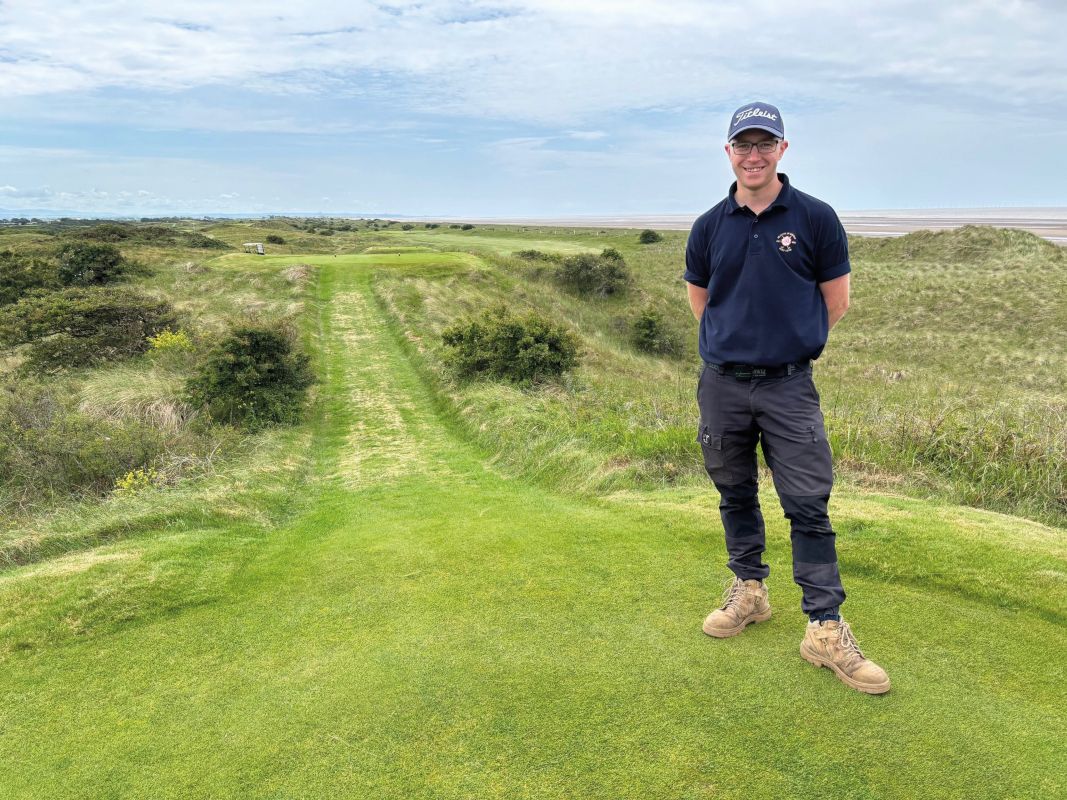
I arranged a visit to see Matthew at his place of work to ask a few questions and to take another look around a site I first visited in 2021 to catch up with Course Manager Brian Story.
I have to mention that the course was in even better condition than it was four years ago. Fabulous work Brian and team!
Tell us about yourself and your greenkeeping history
I've been a greenkeeper for seven years now. Before that, I completed a Level 3 in Countryside Management at Newton Rigg. I've always been a keen golfer, so greenkeeping was the perfect job that brought together my two biggest passions: golf and conservation. I've been involved in golf course conservation since the start of my career and have been honoured to be a finalist for the Golf Environment Awards Conservation Champion two years running.
Can ecology and greenkeeping work alongside each other? If so, any examples?
Ecology and greenkeeping don't just work alongside each other – they complement each other beautifully.
On our links course, we've reverted to a more traditional native habitat by creating sand scrapes, which improve views and playability while supporting wildlife like the natterjack toad.
Interestingly, close-mown turf areas provide important hunting and travelling corridors for species such as natterjacks, and golf is much more enjoyable when you're surrounded by birdsong.
In addition, we've seen the reintroduction of rare wildflowers, including common spotted orchids, which adds to the biodiversity of the course and creates a richer experience for both players and the local ecosystem.
Silloth is, in my opinion, one of the most interesting courses you are likely to find in terms of wildlife, what are you likely to see if you play a round of golf there?
Working and playing at Silloth offers a fantastic chance to experience a variety of wildlife. If you're lucky, you might spot natterjack toads or great crested newts, both protected species we actively support. You'll often hear the sounds of birds all around, including skylarks and curlews, which add to the unique atmosphere of the course.
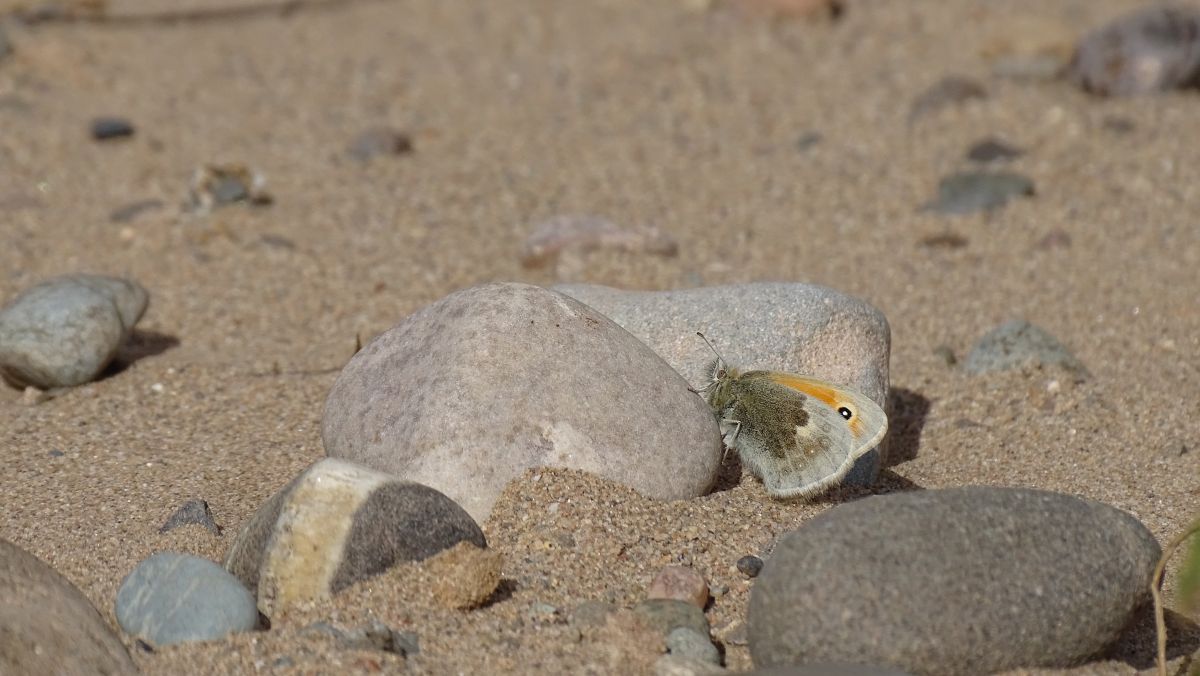
We're also proud to see butterflies and other pollinators thriving in the wildflower areas we've established, showing the positive ecological impact of our work.
This was my second visit to Silloth, and I am happy to suggest the site is still in extraordinarily good condition, if not better than the first visit. What projects are in the pipeline to take it to the next level?
We have an incredible team with a passion for producing a top-class course, and that collective commitment drives everything we do. Looking ahead, we're focussing on expanding our ecological areas, improving habitat connectivity and continuing our work on invasive species control to protect native flora.
Additionally, we're exploring ways to enhance sustainable maintenance practices, making sure the course remains in excellent condition while reducing our environmental impact.

You had some success in the Golf Environment Awards, has it given you a platform to accelerate your career?
The Golf Environment Awards have been really important for me personally, but also for the industry as a whole. They do a fantastic job of highlighting the incredible work greenkeepers are carrying out across the UK, much of which can go unnoticed. For young greenkeepers, especially, it's really inspiring to see that kind of recognition for environmental work – it shows that conservation is valued and that you can build a career around it.
I feel genuinely honoured to have been part of the awards for the last two years. It's given me the chance to learn from others, share ideas and keep pushing our own standards higher. While the recognition is great, for me it's really about celebrating the good work that's happening right across the industry.
Are you liaising with any outside groups such as Natural England? If so, on which projects?
Yes, we work directly with a number of outside groups to make sure our conservation work is as effective and well-informed as possible. Natural England are a key partner, helping us manage the site and improve the overall condition of the SSSI. Their input is invaluable in ensuring our work meets the right standards and delivers real ecological benefit.
We also work closely with the Amphibian and Reptile Conservation Trust, focussing on supporting and monitoring the local natterjack toad population to make sure everything we do helps maintain and grow this important species. On top of that, we've worked with Bob Taylor Ecology to ensure that all of our ecological work ties in well with the demands of the golf course itself, helping us set realistic, long-term plans and goals that benefit both the game and the environment.
Why were you shadowed by a film crew recently?
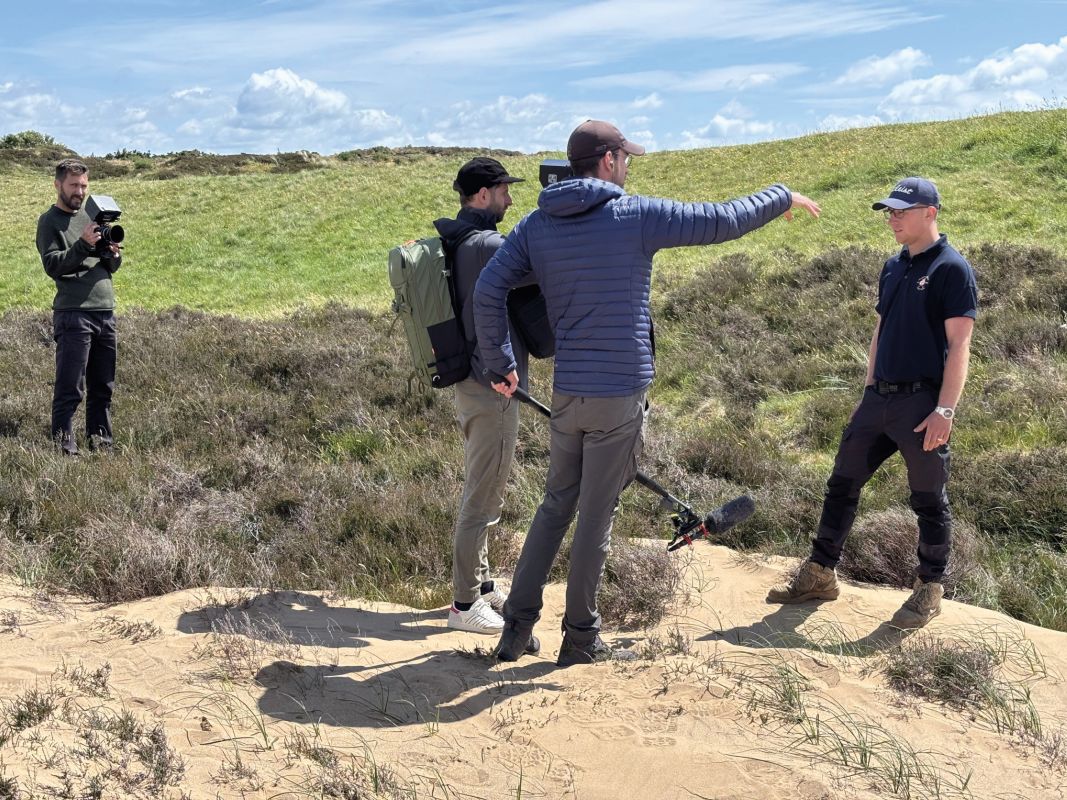
The film crew, who are from Five Kingdom Films and have spent their careers making nature documentaries, approached me with the idea of showcasing conservation and wildlife within golf. I was lucky enough to be chosen to feature in this short film, which aims to highlight the positive impact the golf industry has on local wildlife.
I was very nervous and felt a huge responsibility to ensure the industry is shown in the best possible light because we rarely get the chance to receive good publicity in this way. The hope is that the film will help both golfers and non-golfers understand that golf courses can be vital habitats for wildlife.
I have been carrying out eco reports for golf courses for around 13 years, and I have the feeling golf course ecology and the desire to be flora-and-fauna friendly has taken a backstep recently. Tell me I'm wrong?
I think you're right in that it probably has taken a bit of a step back in some places. Pressures on budgets and staff can mean ecological work slips down the list of priorities. But that's exactly why projects like this film are so important. I'm really hopeful that by showcasing the positive impact golf courses can have on wildlife, we can help propel this topic back into the spotlight where it belongs.
I recently played a course and found orchids growing that nobody even knew were there – that's exactly why we need to bring this conversation front and centre again. There's so much potential on our courses if we take the time to look and manage them properly.
Does sustainability in golf have a future?
I absolutely think sustainability has a future in golf – in fact, I'd say it has to if the game is going to thrive long term.
But it's also a term that's very open to interpretation, and that's actually important to recognise. There isn't one single way to be "sustainable" that fits every course or situation. Finding your own sustainable practices, tailored to your site and your resources, is really the key.
It can be about reducing inputs, restoring habitats, supporting rare species, managing water use carefully or simply being more efficient and thoughtful in the way the course is maintained.
For me, sustainability isn't just about ecology either – it's about making sure the course is viable for the club, playable and enjoyable for golfers and valuable for the wider environment.
Greenkeepers are in the perfect position to balance all of those needs and drive that future forward. GI
Author
