
David Feeney at Portstewart: Blending Tradition with Innovation
David Feeney, Portstewart's course manager, discusses his approach to leadership and the challenges of managing one of Northern Ireland’s premier links venues.
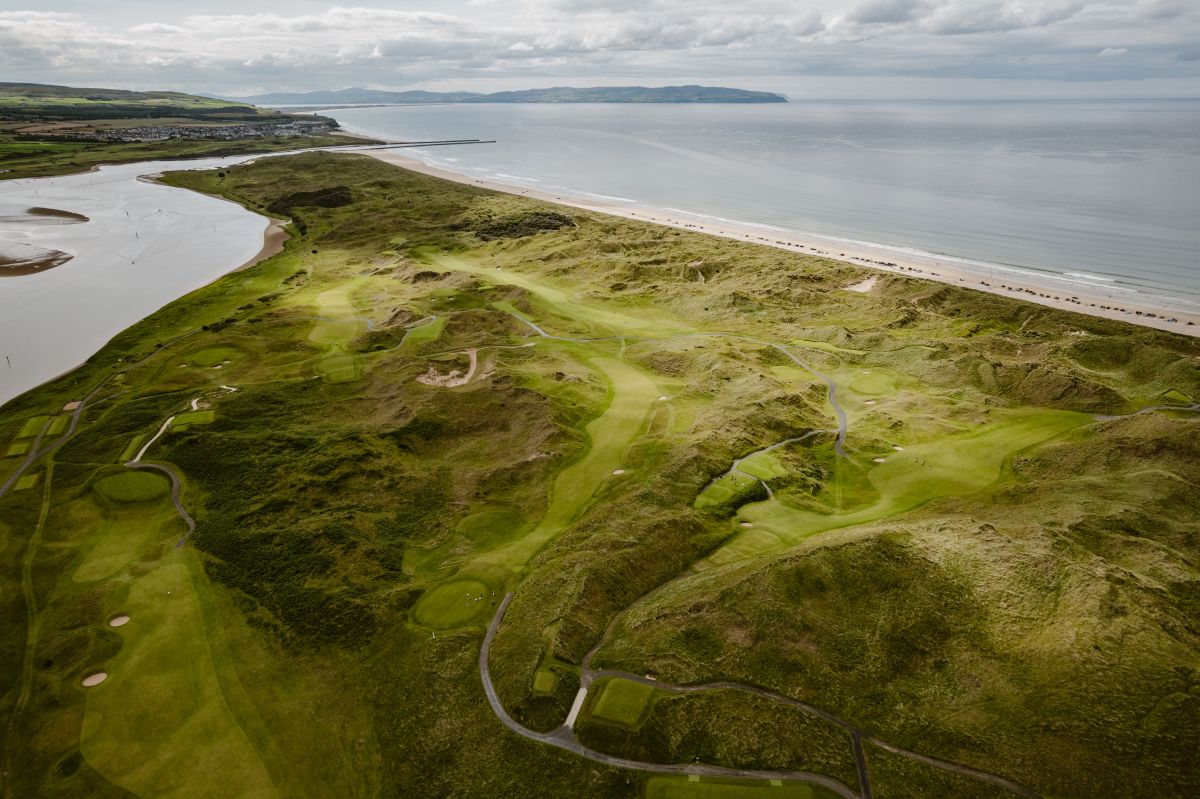
David Feeney’s passion for golf and the outdoors began as a junior golfer in Dundee, where weekends spent on the course with his family sparked a lifelong connection. A formative stint as a seasonal greenkeeper in the sun-soaked surroundings of northern Italy laid the foundations for a career that later took in spells at Dalmahoy, St Andrews and St Annes Old Links.
It was via Prestwick that David made the move to his current role as course manager at Portstewart in 2024. Having stepped into the shoes of the long-serving Bernard Findlay, David is focussed on blending respect for tradition with fresh ideas as he seeks to drive continuous improvements across Portstewart’s three courses. We caught up with David to find out more.
Why was greenkeeping the career for you?
I was a junior golfer at Downfield Golf Club in Dundee, playing with my dad and brother. I kept playing through my teens, but when I finished school, I wasn’t really sure what I wanted to do. I loved being outdoors and spending time on the golf course, and that combination naturally led me into the industry. Once I started learning more about golf courses and greenkeeping, I became more and more interested, and I’ve never looked back since.
Where did you get your first start?
After finishing school, I went to Elmwood College in Cupar and completed a one-year full-time National Certificate in greenkeeping. Rather than taking the conventional route of finding a local job, I decided to go abroad to gain both greenkeeping and life experience. I landed a role at a golf resort in northern Italy called Palazzo Arzaga near Lake Garda in the summer of 2004.
My grandfather was Italian, so I’d always been interested in exploring that side of my heritage. It felt like the perfect opportunity to connect with my roots while gaining hands-on experience in the industry. I enjoyed it so much that I went back the following summer in 2005. It was a stunning 27-hole golf resort designed by Nicklaus and Palmer. The weather was incredible; I was in a t-shirt every day, constantly applying sun cream, and by the time I came back, my hair was sun-bleached yellow. It was an amazing experience, and I really loved my time there.
How did you get your foot in the door back in the UK?
I had been applying for full-time jobs locally near Dundee, but it was quite a struggle to get into a few places. During that period of looking for a greenkeeping job, I worked at the Post Office, delivering mail in the mornings. Then a role came up in Edinburgh at Marriott Dalmahoy Golf Club, and I worked there for the 2006 season. Fortunately, it was also my first opportunity to work at a golf event – they hosted the Scottish Seniors Open that year, which Sam Torrance won. It was a great experience, and I really enjoyed it. It was also a chance to work with a new team and get experience back in Scotland, in a climate I was more used to. Italy was beautiful, but at times it could be too hot, so it felt good to be working in more familiar conditions.
Then in 2007, I got a seasonal role at St Andrews Links Trust, working on the Eden Course through that year. I had a fantastic time and really enjoyed the links environment among the Eden Estuary and sand dunes. Come autumn 2007, an opportunity came up to move onto the Old Course, and I transitioned from a seasonal greenkeeper into a full-time role. I stayed there for three years, right through until 2010. In this time, I gained further tournament experience, including the Dunhill Links Championship and The Open Championship.
Why did you decide to move on from St Andrews?
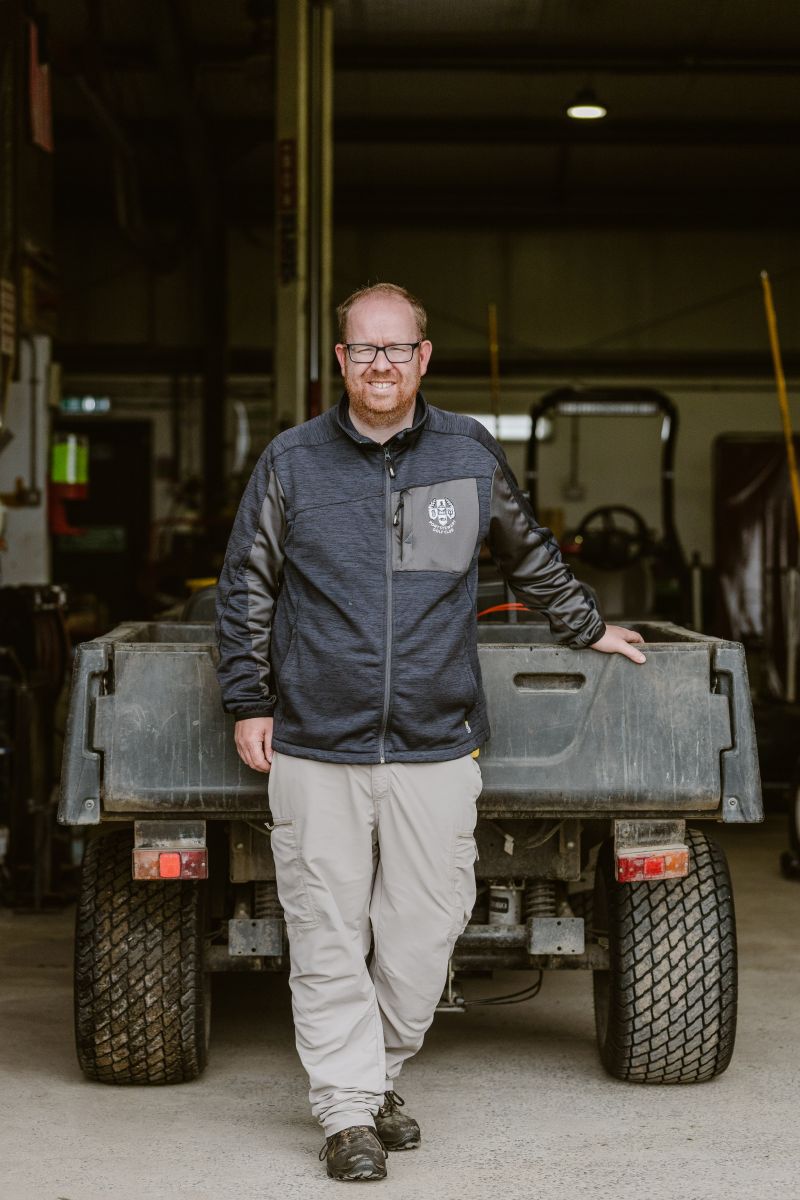
I wanted to progress and move up the ladder, and I thought the opportunity to work at another venue would be quite appealing. A role came up at St Annes Old Links down in Lancashire in 2010, so I moved there for an assistant greenkeeper’s position. I used to go to Blackpool as a kid for family holidays, so there was a part of me that wanted to return and spend some time living there. I stayed for seven years, moving up from assistant to senior and eventually to deputy course manager. It was a wonderful experience. I had the chance to work at Final Open Qualifying in 2012 – it had a great atmosphere, and getting to go along the road to Royal Lytham to see The Open in 2012 was a thrilling experience.
Then, at the end of 2017, an opportunity came up to move back to Scotland. Prestwick Golf Club had advertised for a deputy head greenkeeper, which was the same role I was doing at St Annes, but the chance to return to Scotland was really appealing. I was lucky enough to get the job and moved back in January 2018.
I worked at Prestwick for six years and absolutely loved it. It’s a historic venue with so much tradition. The membership were fantastic – so kind and supportive, especially through the tough times during Covid. They looked after the team, invested in the facility and machinery and made it a brilliant place to work.
Towards the end of my time there, I started to feel ready for the next step – becoming a course manager. When the opportunity came up at Portstewart, after Bernard Findlay moved on, I saw the advert and thought, ‘this is too good not to go for’. I put in my CV and I feel very fortunate to now be here.
What motivated that desire to move up the ladder?
There’s a drive and hunger – a hunger to take on that role and be the person who takes responsibility for what goes on. I want to be someone the team can look up to, someone they turn to when they need guidance and support. I want to help others progress and be the best they can be and help produce a great playing surface.
I’ve learned a lot from the people I’ve worked under over the years. I’ve taken the best parts of what they’ve passed on to me, and I try to use that to help myself and others grow in their roles and careers. Becoming a course manager is something I’ve been striving for over a number of years, and I really enjoy it. It’s incredibly rewarding to help present a golf course to the highest standard and to be part of a team that’s passionate and proud of the site. That’s what drives me.
You were stepping into the shoes of the long-serving Bernard Findlay – how do you make your own mark?
For me, when I go into an interview, like anyone else, I look at particular areas on the golf course that could be changed – a tweak here or there. Bernard has done a fantastic job, and everyone – members and staff alike – have great respect and admiration for him. I feel I can bring in new ideas and help build on the great work that has been done.
I see the opportunity not just to focus on the greens, tees and fairways, but also on the outer areas – pathways, extension zones, runoff areas and irrigation systems. All these combined give me a chance to help take Portstewart further, put my own mark on it and progress as much as possible. The club shares this vision too; they’ve been keen on improving runoff and pathway areas, and that’s something they’re actively working towards.
How do you make sure the team are on side when you’re following someone who has been there nearly 40 years?
When taking over from a guy who’s managed the team for so long, I wanted to take my time in getting to know the guys and to understand the methods and practices that had been done over the years, and so I felt a gradual, steady approach to things and giving the team space and time to have their input was the right way. At the end of the day, it’s a team environment – we all have our own ideas and opinions. I just try to steer the ship in the direction I believe is best. When I came in, I wanted to have an open-door policy where the guys feel they can come and speak to me whenever they need help. It was more about identifying where we could improve and involving the guys in that process as much as possible. Flexibility is key but so is making sure we’re achieving our goals and constantly improving the course. That’s the end game – making sure everything out there looks and performs as well as it possibly can. And if there are things I can do to help the team improve individually, I’ll always do my best.
It can be daunting when you step into a new team, especially one that’s been used to a certain way of working for a long time. In my opinion, you have to take your time and avoid making changes too quickly. Let people adjust to your ways of working. There’s no single right way to do things; as long as the course is presented to the highest standard and the membership and visitors are happy. Everyone has their own style, and the guys have embraced that and adapted well.
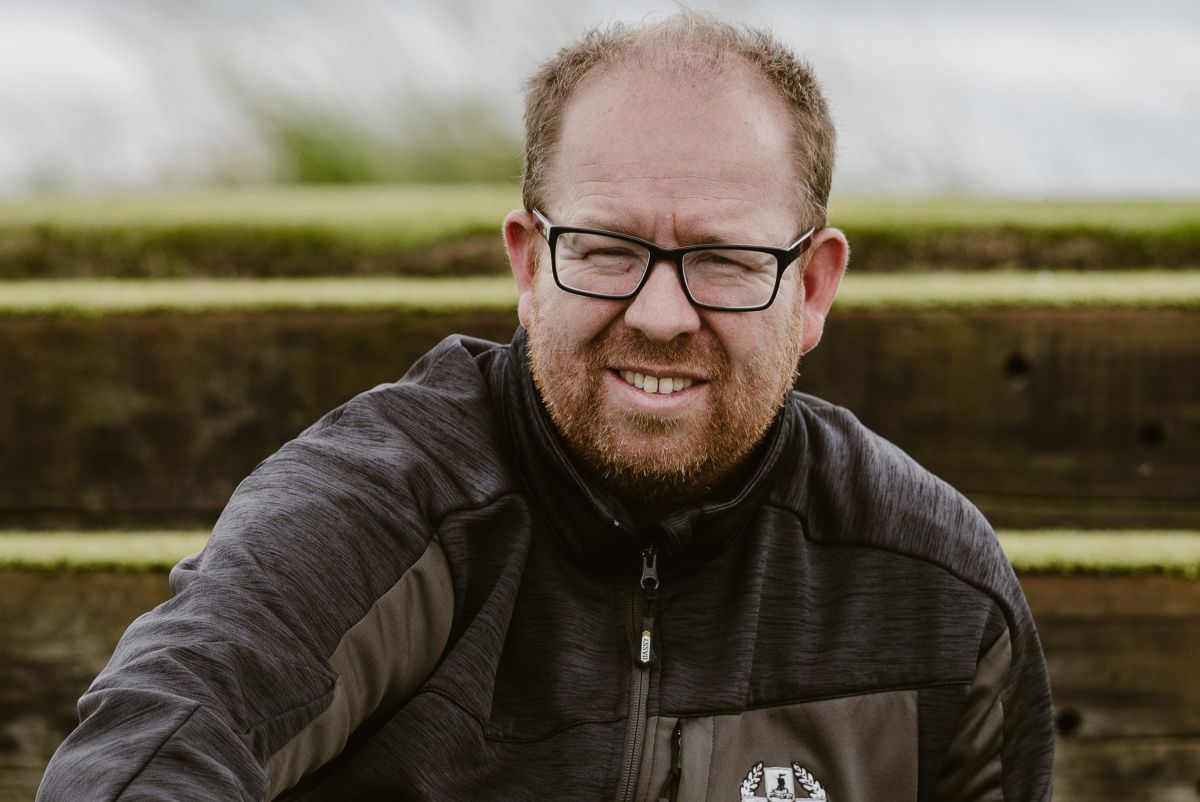
Managing a multi-course site must present some difficulties?
Even though I’ve been here just over a year, I’m still figuring out the best way to cover the whole site and make sure I’m seeing every area of the course once or twice a week. It’s tough with such a large site, especially when you have a team around you that you want to be involved with as much as possible.
The Old Course being on the other side of Portstewart and not on the same site adds its own challenges. That’s where trust and communication comes in with the team, giving them the opportunity to get on with their jobs and trusting they’ll do their best. It’s about making sure they have the support to carry out their work to the highest standard.
And are there varied agronomic challenges between the three courses?
There are. The Strand Course is predominantly built on a sand-based profile with a fescue-dominant sward, which is across all surfaces. Then you move on to the Riverside Course, where it gets more complex. Some areas are sand-based with a fescue-bent mix in the sward, and some are built to USGA spec and contain more annual meadow grass, bent and small amounts of fescue. That variety presents its own challenges from a maintenance perspective – planning and micromanaging different areas based on their specific needs, rather than applying a blanket approach. That’s what makes this site so interesting. I’m constantly balancing different grass species, soil profiles and disease pressures. On the Strand, for example, dollar spot can be an issue during the summer months, so managing that is a top priority.
What has been the impact of The Open coming back to Portrush?
We will be seeing a high number of visitors and societies during Open week, playing not just the Strand Course but also the Riverside Course. The increased footfall continues for several months afterwards and will carry on into next year. It’s fantastic for the golf club and the local community – everyone benefits from the boost in tourism.
From a course management perspective, though, it does make things more challenging. We have to try to get the balance of speed and quality to stay ahead of golf during the busy periods. The wear and tear, especially from traffic and wheel marks, becomes very noticeable.
We do our best to alleviate the pressure on the turf but, inevitably, the much higher footfall leads to increased wear and tear, more divots and more areas that require extra attention. GI
David’s Career Timeline
David’s reflection on leadership
It’s about leaning on the advice and guidance from your peers and reflecting on what you’ve learned from the course managers you’ve worked with. I’ve had the privilege of working under people like Dave Edmondson, Stuart Hogg, Gordon McKie, Greg Wellings and John Wood – you take that knowledge on board from them and then try to put your own stamp on things. When stepping into this role, you have to be prepared and ready for whatever is thrown at you, but also to take a step back and assess things in order to come to the right decision. You have to be prepared to dedicate a lot of time and effort, do your best each day and remember that things won’t always go your way, so it’s important not to get too upset – just take it day by day and be ready for anything.
This job requires a lot of patience. You need to rely on your team to do their best and provide them with as much guidance and support as possible. I often think back to what course managers have taught me and the valuable lessons I’ve learned from them. It’s important to remember where you’ve learned from and reflect on those good influences throughout your career.
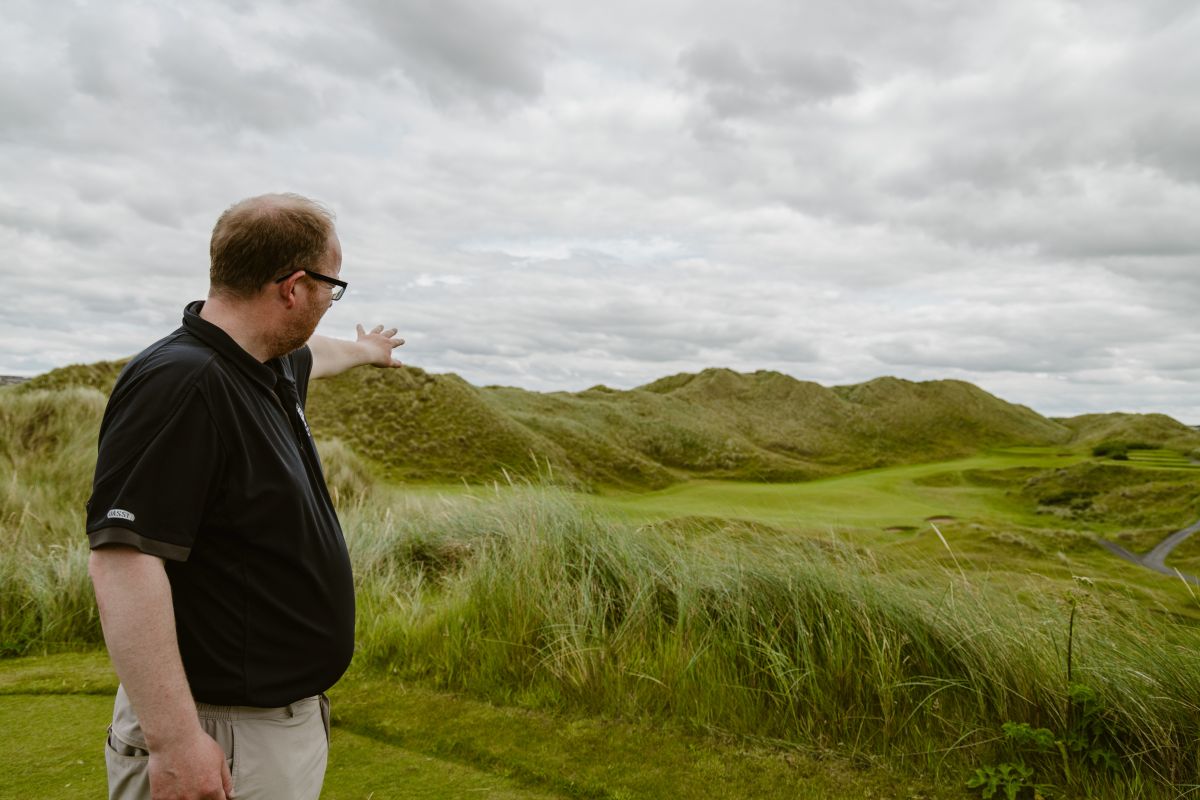
Favourite hole: 2nd on The Strand Course You’re standing on an elevated tee, looking through a narrow channel between the dunes, with only a small area of fairway to aim for. Then, once you’re on the fairway, you’re hitting up to a plateau – an elevated green tucked right into the corner. It feels like you’re in a hole all on its own, completely surrounded by the dunes, with nothing else in sight.
Meet the team

Author

About Portstewart
Portstewart Golf Club, located in Northern Ireland, is renowned for its stunning links courses set against the backdrop of the Atlantic Ocean. The club boasts three exceptional layouts: the Strand Course, the Old Course and the Riverside Course.
The Strand Course is recognised as one of the UK and Ireland’s very best links layouts and, in addition to many national and international amateur championships, in 2017 it hosted the Irish Open, won by Jon Rahm.