
Master Greenkeeper Helmn describes distinctive styles of Negotiation
In an excerpt from his new book, Phil Helmn MG shares his experiences of common communication styles and how best to engage with them
We all accept that everyone has different communication styles. Individuals bring their own set of experiences, skills and tools that affect the way they interact with others, both at home and in the workplace.
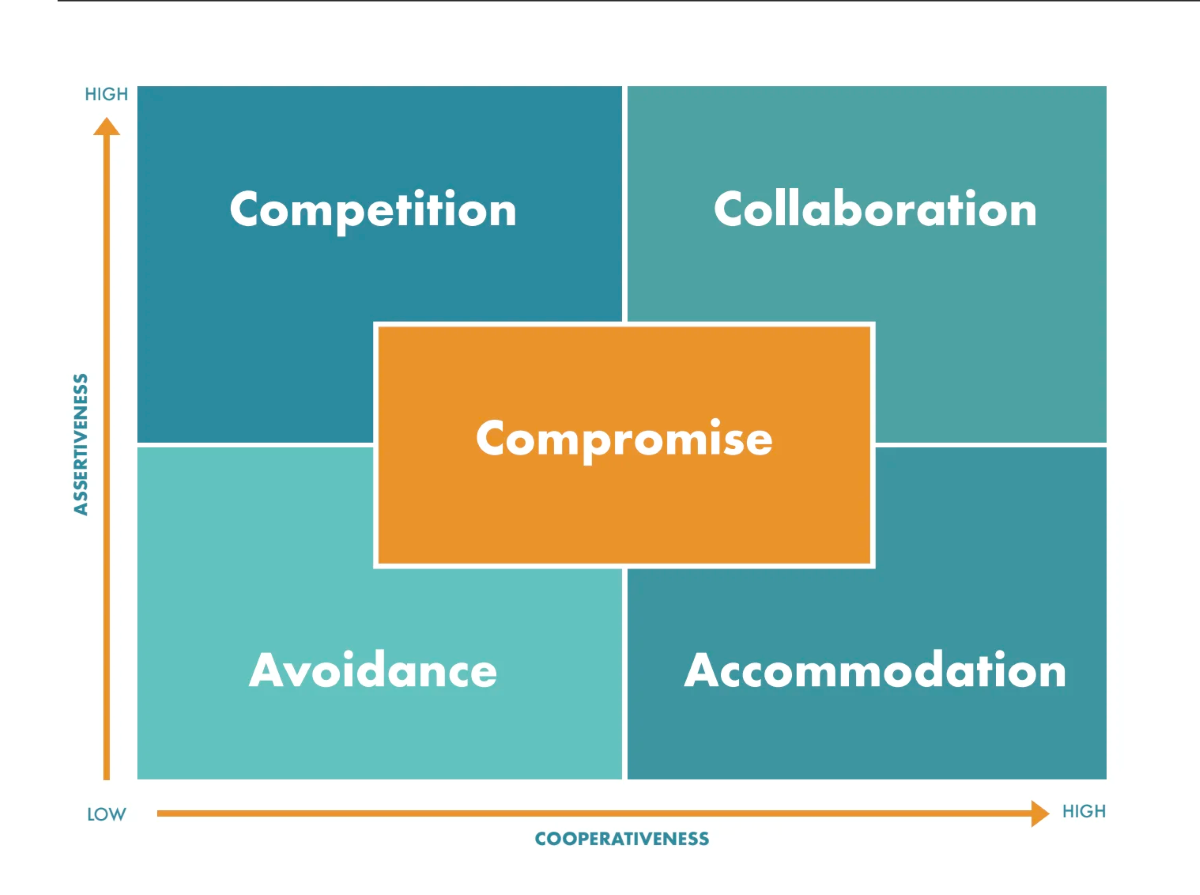
Individual communication styles also translate into how they negotiate. From these natural patterns of communication, five distinct negotiation styles appear:
• Competing
• Collaborating
• Compromising
• Accommodating
• Avoiding
These negotiation styles are derived from the Thomas-Kilmann conflict mode instrument, a widely used framework for understanding and managing negotiations. It is designed to help individuals and groups assess their typical responses to negotiation and select proper resolution strategies.
The model is based on two key dimensions of behaviour:
• Assertiveness. How strongly one pursues their own needs and interests over others
• Cooperativeness. How much one considers the relationship and needs of others
Each of the five styles usually uses a different combination of assertiveness and cooperativeness, creating different scenarios of “I win, and you lose,” or an “I win, and you win” and so on.
Competitive negotiation style
A competitive negotiation style follows the model of “I win at all costs.” Competitive negotiators tend to do whatever it takes to reach their desired agreement, even when it comes at the expense of another person or entity. They are results-oriented and focused on achieving short-term goals quickly. Their desire for success motivates them, though the process of negotiation can blind them to potentially harmful impacts.
Collaborative negotiation style
A collaborative negotiation style follows the “I win, you win” model. Collaborative negotiation focuses on making sure all parties have their needs met in an agreement. This style values strengthening, setting up and building relationships. Individuals with a collaborative negotiation style are willing to invest time in finding innovative solutions and building stakeholder partnerships. A collaborative negotiation style is effective in most negotiations.
Compromising negotiation style
This style can be sometimes confused with collaborative. Unlike the “win-win” collaborative style, where each party concedes part to gain another part, the compromise negotiation focuses on splitting all parts of the negotiation equally. This style is best used where there is little trust, or the two parties do not know each other particularly well. A competitive negotiator can easily take advantage of a compromising negotiator.
Avoiding negotiation style
An avoiding negotiation style follows an “I lose, you lose” model. People who identify with the avoiding negotiation style highly dislike conflict and tend to talk in vague terms about the issue at hand, rather than the issue itself.
If an agreement is reached and an avoiding negotiator dislikes the outcome, they may try to take revenge on the opposite party before the party even knows that they were unhappy with the agreement.
Since avoiders dislike conflict and struggle with direct communication, they come off as passive aggressive, which can cause rifts in relationships.
Accommodating negotiation style
An accommodating negotiating style follows the “I lose, you win” model, which does not seem to be in a negotiator’s best interest. Accommodating negotiators are the direct opposite of competitive negotiators. They focus on preserving relationships and building a friendly rapport, by sacrificing some of their own interests or goals in favour of the opposite party’s interests.
CASE STUDY
In workplace negotiations, considering relationships is crucial. When we neglect relationships in workplace negotiations, it fosters distrust and conflict. Poor communication ensues, leading to less collaborative and unsatisfactory outcomes. Over time, this erodes team cohesion and morale, making it challenging to achieve long-term success and support a positive work environment. Over the years, I have come to realise that all negotiations require some form of partnership. This could mean friendship or simply respect for others. With this mindset comes the best opportunity for a mutually beneficial outcome.
Field-tested leadership: Phil on his second book
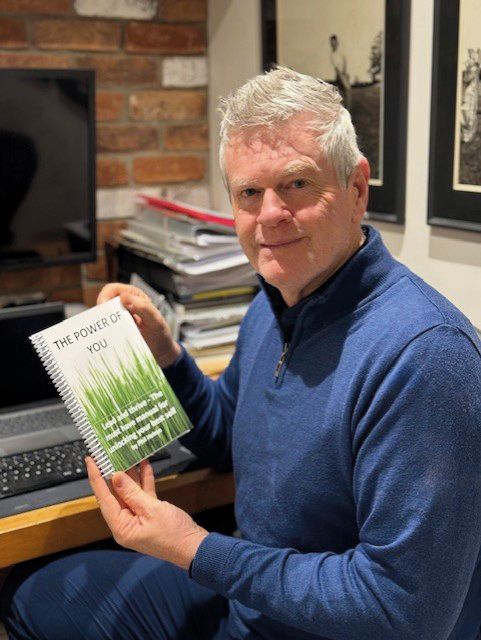
Every leader eventually faces moments where the road feels heavy and the decisions feel isolating. I’ve walked that path myself, and it’s in those moments that the true test of leadership begins, not in leading others but in finding the strength to lead yourself. That belief is what inspired me to write The Power of You!
This book is for anyone who carries the torch of vision and integrity, whether in turf management or any other profession. Inside, you’ll find candid insights and field-tested lessons that show how self-leadership, the ability to intentionally influence your own thoughts, emotions and actions, can transform not just your career but your life. By reading The Power of You!, you’ll discover tools to build resilience, adapt to change, stay motivated and embrace lifelong learning.
Author

Phil Helmm, Master Greenkeeper