
Let's talk about sustainability
Sustainability is now a core part of modern golf course management. From water use and chemical inputs to habitat creation and energy efficiency, greenkeepers are being asked to deliver more under increasing environmental, financial and social pressure.
Yet while the industry is making meaningful progress, the work being done can be poorly understood by golfers, members and the wider community.
Dr Robbie Fitzpatrick of the GEO Sustainable Golf Foundation addressed this challenge during a seminar at BTME 2025, focusing on how greenkeepers can better communicate the sustainability work already happening on their courses. He underlined the importance of explaining the everyday decisions that inform course maintenance in order to build understanding and garner support.
Public expectations around sustainability have shifted significantly in recent years, and golf is not insulated from that change. Dr Fitzpatrick explained that sustainability has now become a mainstream concern. "We are all seeing a movement now where we've moved from niche consumers demanding sustainable practices towards a world where it's actually taken up more purchasing and voting power across the world," he said.
That shift is directly relevant to golf, because golfers are experiencing the same climate pressures as everyone else.
"Golfers are human beings," said Dr Fitzpatrick. "They have families and livelihoods that are being impacted by climate change. We're seeing more flooding, more storm damage, and more drought in the summer. Some golf courses are struggling financially because of the cost of resources, and that directly affects playing conditions."
As those pressures increase, sustainability decisions made by greenkeepers are becoming more visible to golfers. Without clear explanation, those decisions can be misinterpreted. Dr Fitzpatrick stressed that communication plays a vital role in managing expectations. "If you can explain that the golf course is a bit more brown because there are water restrictions, or that an area looks messier not because you're lazy but because you’re managing it for habitat, it really helps people understand what you're trying to achieve," he said.
Simplifying sustainability
One of the biggest barriers to effective communication is the complexity of sustainability language. Terms such as carbon neutral, biodiversity net gain and integrated management programmes can quickly alienate non-specialists. "When you look up sustainability, it's a very complex concept," Dr Fitzpatrick explained. "There are so many different terms associated with it that it can be confusing to know what you're actually meant to be talking about."
To address this, GEO frames sustainability around four clear principles that are directly relevant to golf course management: fostering nature, conserving resources, strengthening communities and taking climate action. "Those four principles help cut through the confusion," he said. "They give you a simple structure for what sustainability actually means on a golf course."
For greenkeepers, this provides a practical way to organise both actions and messages, without getting lost in technical detail.
Start with what you already do
Dr Fitzpatrick believes greenkeepers often underestimate the value of what they already do. Sustainability does not have to mean large-scale projects or major capital investment. "There's nothing too small to talk about when it comes to sustainability, because everything adds up," he said.
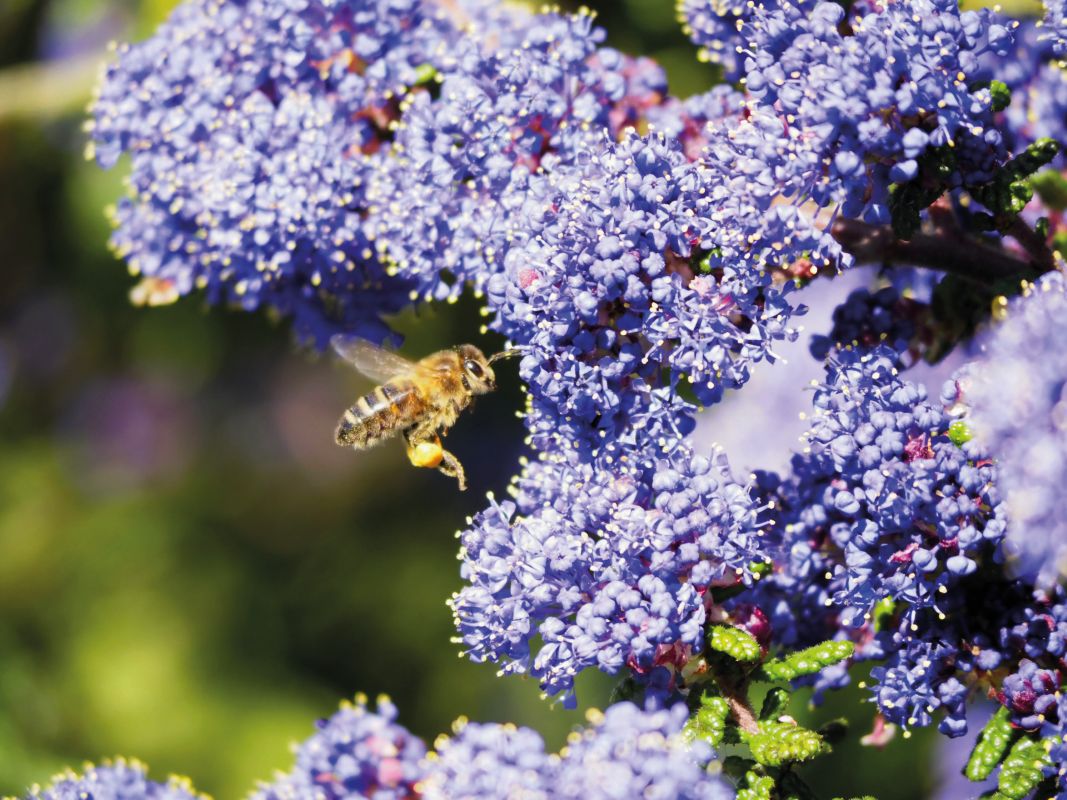
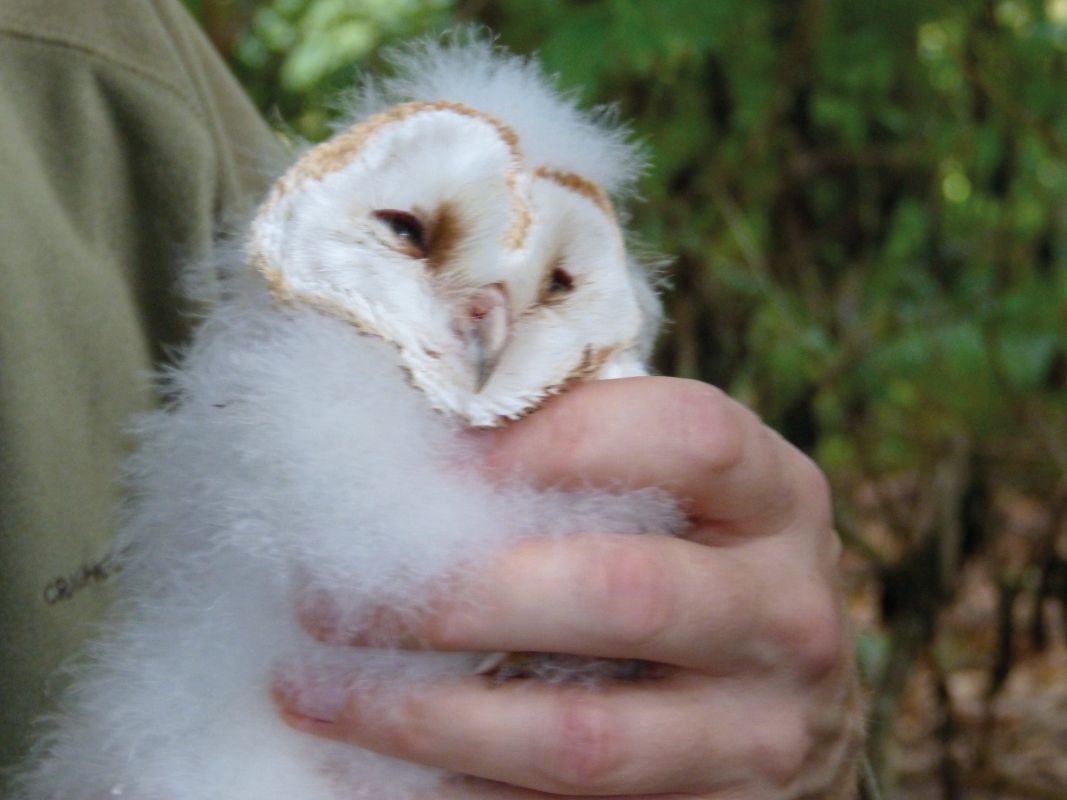
Habitat work might include bird boxes, wildflower areas or woodland management. Resource conservation could involve switching to LED lighting, reducing irrigated turf, or adjusting mowing frequencies. Integrated turf management, buffer zones and no-spray areas all have environmental value that can be communicated. "It might feel like standard greenkeeping practice, but it's all worth sharing," he insisted. "It builds a positive picture of what the golf course is doing for people and the environment."
The key is to make that work visible and understandable to all.
Actions before words
Dr Fitzpatrick emphasised that credibility is essential and communication must always be grounded in genuine action. "Actions speak louder than words, and there's no point in talking about things you don't actually do," he said.
He encouraged greenkeepers to review their operations and identify practical examples they can confidently stand behind. Where possible, even simple data can strengthen the message. "If you can show that you've reduced mowing, reduced fertiliser use, or changed how water is managed, and show what benefit that's had, people respond much more positively,” he explained.
Clear figures help turn sustainability from an abstract idea into something tangible and believable.
Know your audience
Not every sustainability message is relevant to every audience. Dr Fitzpatrick urged greenkeepers to think carefully about who they are communicating with. "If you're talking to golfers, emphasise how it benefits how the course looks or plays," he said. "If you're communicating with managers or committees, it's often better to highlight cost-savings or operational efficiencies."
Choosing the right channel is just as important. He explained: "Some members will read newsletters but never go on social media. Others are the opposite. You need to think about where people actually get their information." Noticeboards, websites, newsletters and face-to-face conversations all have a role to play.
Honesty builds trust
Dr Fitzpatrick also stressed the importance of being open about challenges. Sustainability is an ongoing process, and pretending otherwise risks undermining trust.
"It's important not to lie about what you're doing and to be open about where you can still make progress," he said. "Acknowledging areas for improvement builds credibility." Inviting feedback can further strengthen relationships.
"When people feel involved in the future of the golf course, they’re much more supportive of change," he explained.
Avoid silence – and greenwashing
Doing nothing, Dr Fitzpatrick warned, allows outdated perceptions of golf to persist. "If you don't say anything at all, people will just assume the worst and continue to hold those preconceptions of golf and the environment," he said.
At the same time, exaggerating achievements can be equally damaging. "We don't want to greenwash or overpromise," he explained. "The aim is to hit a sweet spot where you're open, honest and transparent about what you're doing and where you can do better."
An opportunity
Clear sustainability communication offers more than goodwill. Dr Fitzpatrick explained that it can support funding applications, improve relationships with regulators and attract positive media attention. "When you can clearly show what your golf course offers, you can have much more constructive conversations with local authorities and other stakeholders," he said.
Most importantly, it helps reposition greenkeeping itself. Dr Fitzpatrick explained: "You're not just changing holes and raking bunkers – you're land managers, stewarding large areas that deliver real environmental and social value."
For greenkeepers, telling that story clearly and honestly is an essential part of the job. GI
Practical takeaways
- Start with what you already do – everyday practices matter
- Keep language simple and avoid technical jargon
- Tailor messages to golfers, committees and communities
- Use basic data to support your story
- Be honest about progress and challenges
Author


About Dr Robbie Fitzpatrick
Lead - Impacts and Innovation, GEO Foundation
Dr Robbie Fitzpatrick holds a PhD in Sustainable Golf from the University of St Andrews, bringing deep and up-to-date knowledge on the integration of sustainability practices within the golf industry. His role focuses on driving positive impacts and innovative solutions that are integrated across the Foundation's systems and programmes, combining a long-term vision with short-term steps that can be shared broadly.
The GEO Sustainable Golf Foundation
An international non-profit organisation working to safeguard and strengthen the future of golf, the GEO Sustainable Golf Foundation is active in more than 75 countries. It provides sustainability frameworks, tools, certification and guidance to help golf facilities improve environmental performance, social value and climate resilience.