Kilrea - Revealing the Real Golf Course
Course Manager Gordon Rees describes how Kilrea is rediscovering its heathland identity
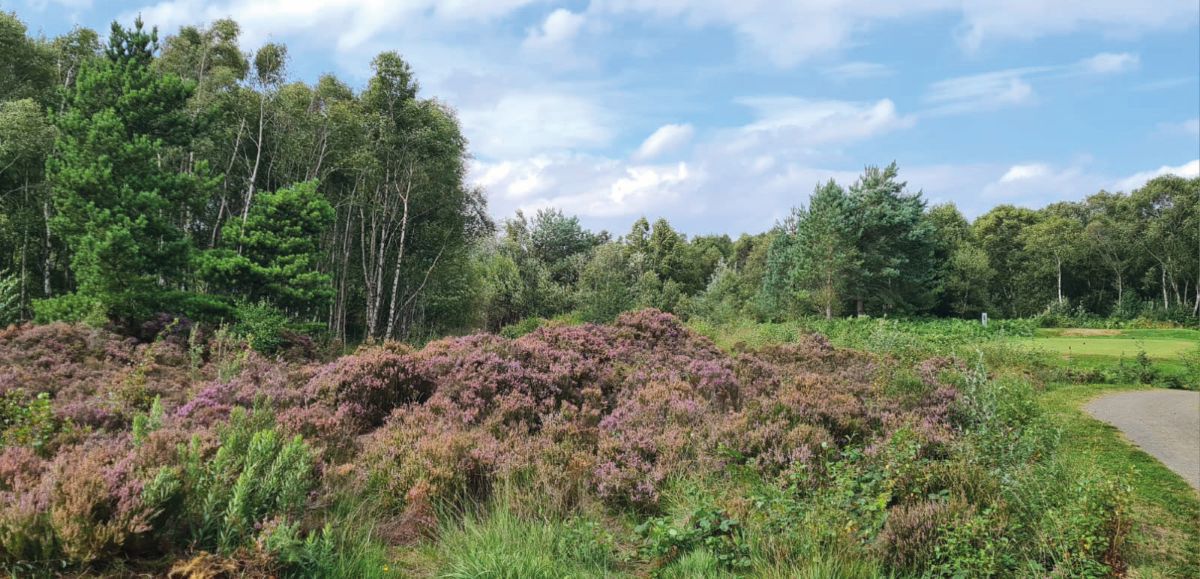
Formed in November 1919, Kilrea Golf Club is situated just outside the town on land known as the Rough Hills. The original 9-hole layout was designed by Hughie McNeill, the professional at nearby Royal Portrush. Following the official opening, contemporary press reports highlighted the 'dry nature of the soil', which provided fine quality turf for golfing purposes.
Several factors led to a brief switch of venue in the late 1920s, but when this proved unsuccessful, the club returned to the Rough Hills in 1938. Thereafter, only minor changes were made to the layout. The most notable feature of the undulating terrain was its heathland character, with gorse, heather and fescue grasses all thriving. While a number of hedges were used to separate some holes, the only trees present were located on the course's perimeter. Indeed, our oldest member can recall a total absence of trees in the playing corridors in the late 1960s.
Over time, the course began to lose some of its original heathland features. The club, like many others, planted many leylandii trees when this was fashionable in the 1970s and 1980s. As well as looking totally out of place on a course of this type, these specimens had grown to such a size by the early 2000s that they were having an increasingly detrimental effect on turf quality.
Large conifers were not the only problem. Well-meaning committees had continued to plant oak, ash and pine trees until about 10 years ago. This was a period in which our understanding of climate change and carbon emissions was much less nuanced than it is today. A belief existed that all tree planting was good for the environment and all tree removal was bad.
Some trees had also been planted in a bid to improve safety by 'protecting' golfers from errant shots. However, this was quite literally a 'hit-and-miss' affair and in some cases actually increased the level of danger as golfers playing adjacent holes were unable to see each other due to the trees.
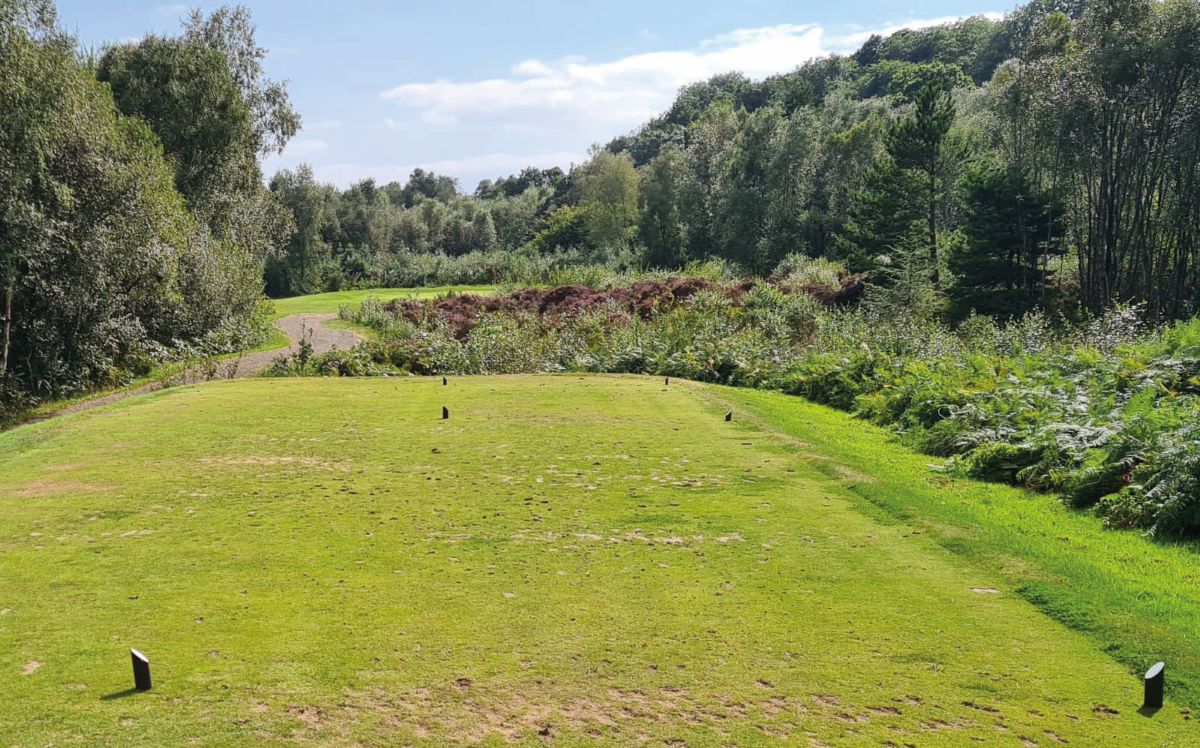
In addition to tree planting projects, attempts to ascertain whether sections of peat bog which bordered the course on one side could eventually be developed into golf holes led to the peat and heather being moved by excavation machinery. These plans to extend the course were quickly abandoned, but the disturbance of the soil provided the opportunity for birch trees to self-seed and invade what had previously been an open area of heather and gorse.
By the mid-2010s, it was becoming apparent that these trees presented challenges in terms of turf management and had a negative impact on the aesthetics of the course. It was the former issue that was initially most pressing for the greenkeeping team, as the quality of the turf on multiple greens and tees was beginning to suffer. Tree management became a regular feature of the winter maintenance programme, as staff sought to ensure that greens and tees had access to sufficient light and airflow.
While improving playing surfaces was the main objective, these tree clearance projects also formed the starting point for a more general heathland restoration project. The importance of this work was becoming more evident and was often discussed when the course was visited by experts in agronomy and tree management.
Advice was sought from District Forestry Officer Ian Wright-Turner, whose verdict provided a stark warning of what was at stake. Standing on the 2nd hole, which was once a signature heathland par 3 played over an expanse of heather, Wright-Turner remarked that birch trees, if left unchecked, would completely take over the area.
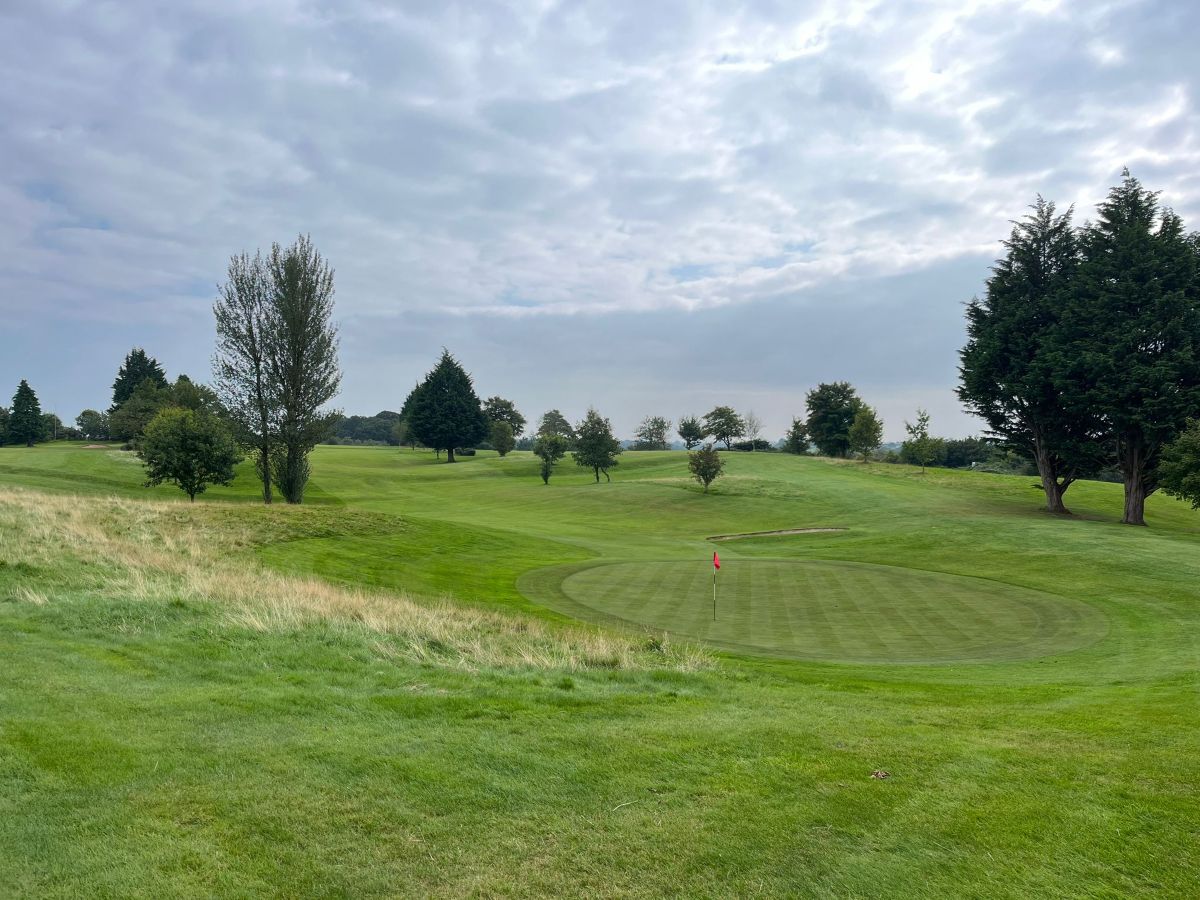
Following a visit to the course in the spring of 2021, the agronomist Dr Ian McClements commented that, "Kilrea has a unique position in Irish golf in so far as it is one of the very few genuine heathland courses in Ireland with a mosaic of heathland habitats to match. The club is at significant risk of losing this due to scrub encroachment and declining heather". He advised that, "Appropriate interventions are taken to halt the decline or subsequent loss of this biodiversity which is not just important to the golf course but also nationally and indeed within a European context".
With the need to prevent the loss of the course's native heathland character now better understood, the club also sought to explore how the entire golfing experience at Kilrea could be improved. In 2024, the club's committee engaged golf architect Ken Kearney to draw up a coherent masterplan for long-term course development. After a thorough appraisal of all aspects of the course, he observed that the club possessed a unique and special landscape and suggested that there was an, "Obligation to restore the site to its former glory". He compiled a comprehensive masterplan which contained a wide range of recommendations, including the redesign of bunkers, the extension of closely mown turf to create more interesting shots around the greens and major alterations to the tee complexes at the 1st, 3rd and 9th holes.
By far the most important issue he identified, however, was the need to restore the course’s heathland character. The main focus of the masterplan, therefore, was ensuring that the environment was conducive to the regeneration of 'heath' plants such as heather and gorse.
To achieve this, the removal of all non-native trees and vegetation, which were detracting from the golfing experience as well as causing agronomic issues, would become a priority.
Kearney pointed out that trees and scrub were hiding from view the rolling landscape and long vistas which made the course unique. He concluded that Kilrea had, "A stunning golf course; you just need to peel off the superfluous stuff and reveal the real golf course".
The architect's masterplan was presented to the club's committee in October 2024, but would not be implemented until approved by the wider membership at their annual general meeting in February 2025. In the intervening period, the greenkeepers focused on aspects of the proposal which overlapped with existing winter work programmes. The removal of birch trees, which had gradually encroached into the native heather beside the 2nd tee, helped to improve a playing surface which had previously suffered from excessive shade. Work continued on thinning out a plantation of pine trees along the south-western boundary of the course.
These trees had grown to a considerable height, preventing this area from drying out and making fungal disease much more likely. Their removal helped to address these problems and also opened up the superb view of an open expanse of heather on the course's perimeter.
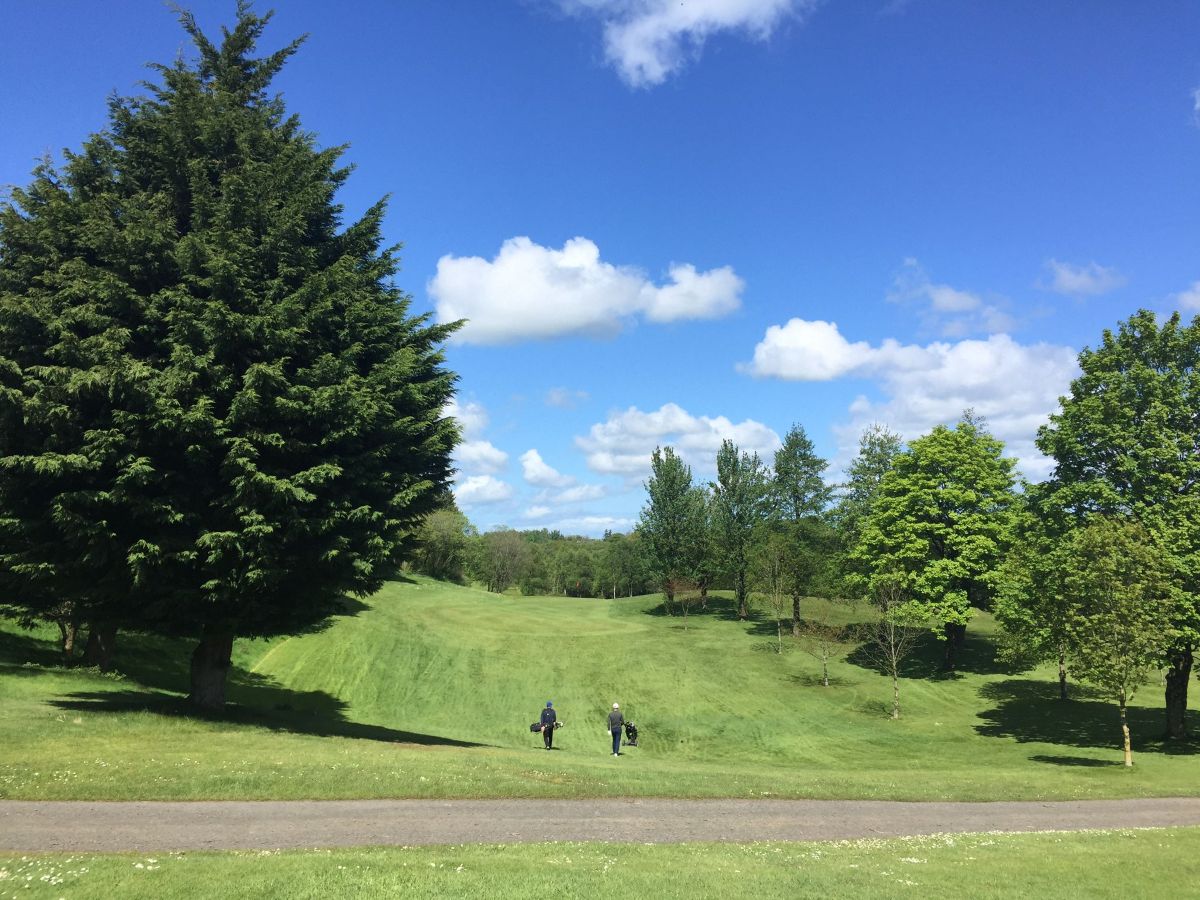
Following the adoption of the masterplan at the February 2025 meeting, work could begin in earnest. The plan's emphasis on tree management meant that this was an obvious starting point. While the extremely dry spring of 2025 caused a myriad of problems for golf clubs throughout the UK and Ireland, the firm ground conditions did at least enable the use of heavy machinery to remove large conifers, poplars, alders, birch and ash trees affected by dieback. Where these trees were located within the playing zone, the areas which contained the trunks and roots were levelled and sown with fescue. Where trees were removed outwith the normal line of play, the objective is to facilitate the regeneration of heather and gorse.
Tree removal provided much improved views of the surrounding landscape and the Sperrin mountains in the distance. Significantly, it also addressed a range of safety issues identified by the architect by opening up a line of sight between different holes. With the large leylandii trees gone, golfers striking wayward shots and those in danger of being struck were now visible to one another.
Removing trees is, of course, critical to protecting and enhancing the heath-style landscape. Equally important, however, is ensuring that native vegetation subsequently returns and thrives. Previous efforts by the greenkeepers to re-establish heather at the 2nd hole had met with mixed success, as some new plants were overrun by the regrowth of brambles and other undesirable vegetation.
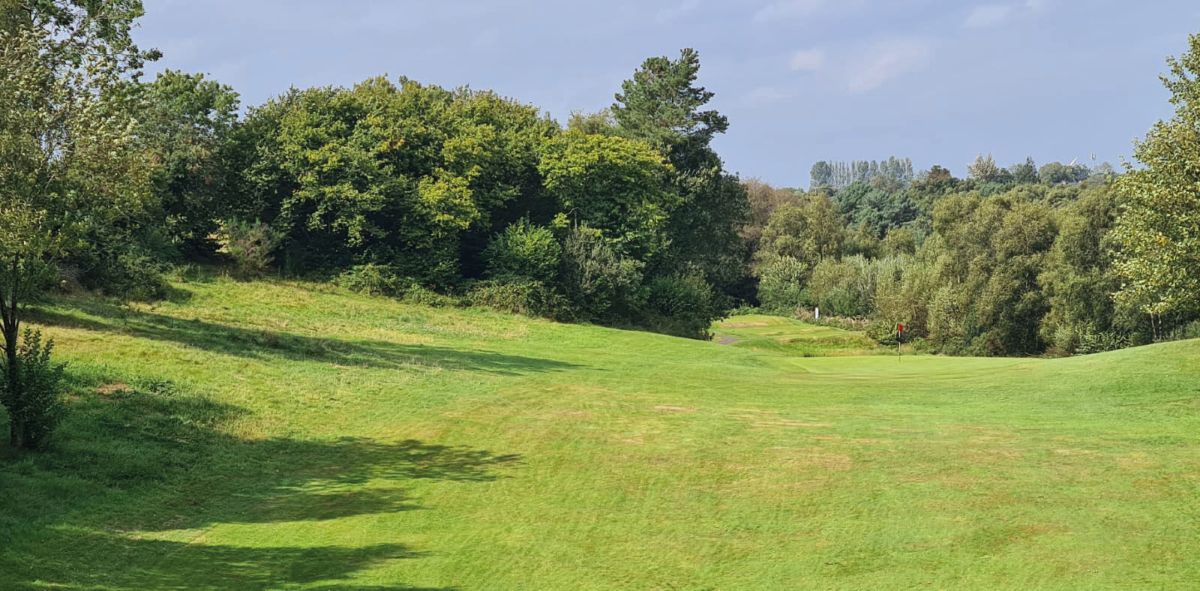
It was often difficult for the small team to keep on top of this type of work while also carrying out routine and seasonal course maintenance tasks. However, with Kearney's masterplan emphasising the absolute necessity of preserving the true character of the course, it is hoped that going forward the club's members will take a much more active role in helping to ensure that native plants have the opportunity to regenerate.
An earlier tree clearance project at the 1st hole offers a tantalising glimpse of what may be possible in the future. The area surrounding this green often became very wet as self-seeding birch trees were blocking sunlight and airflow. These were removed over the winter of 2016/17, and the area was sown with fescue grass.
Over the next few years, heather plants, which had been predominant prior to the invasion of birch, began to emerge among the fescue. The objective over the coming years is to replicate this regeneration throughout the course by removing the non-native species against which the heathland plants and fescue grasses were having to compete.
Fescue grasses also play a critical role in enabling a more sustainable approach to the management of closely mown turf. The ambition at Kilrea has been to develop putting surfaces with improved resilience to fungal disease and low water and nutrient requirements. Since 2021, greens have been overseeded regularly with fescue-only seed mixtures. Fungicide usage over this period has been minimal. The last blanket fungicide application was in 2017. This was followed by occasional use of fungicides on greens that were particularly prone to disease.
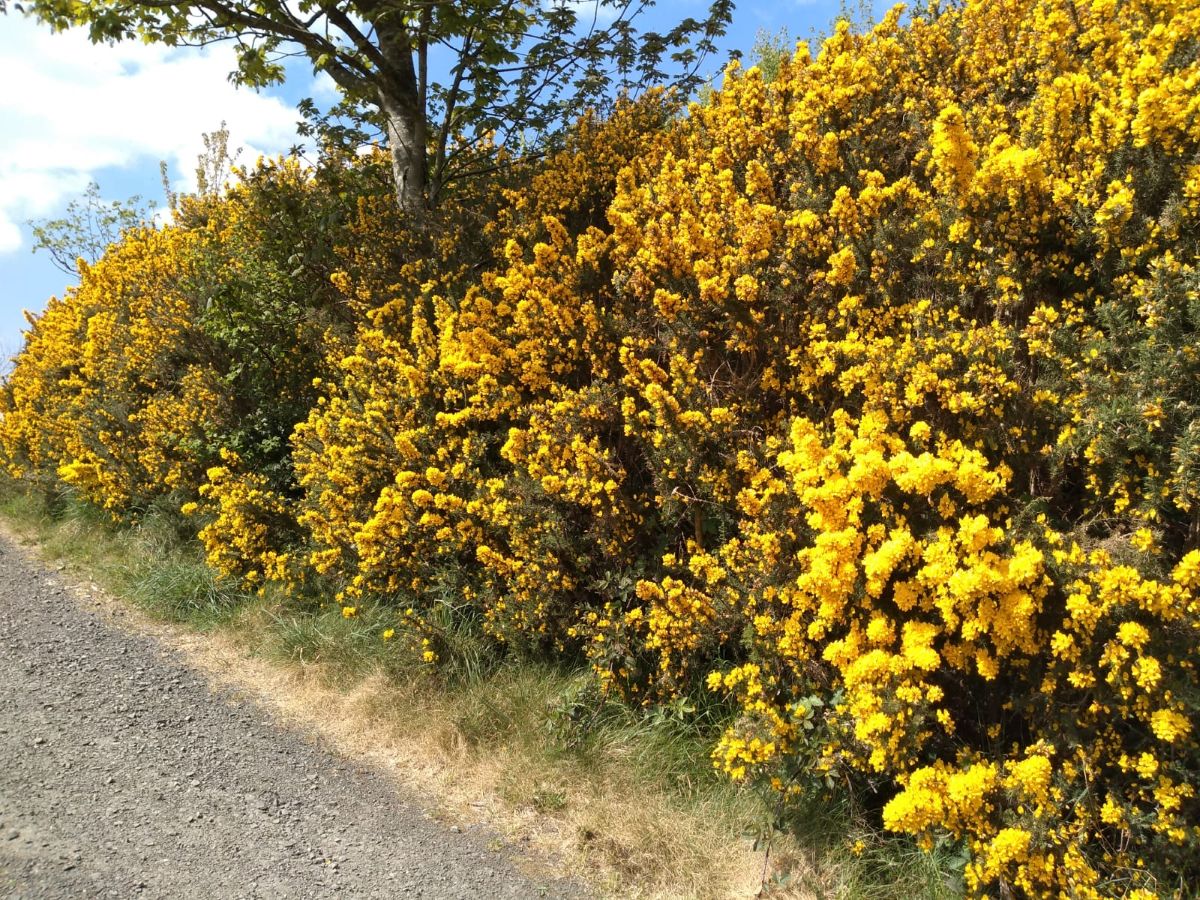
Simultaneously, the factors which were making these greens vulnerable were addressed. Disease-prone grasses like Poa Annua were discouraged through a programme of brushing and localised manual scarification. Since 2024, no fungicide has been applied. Instead, healthy playing surfaces are promoted through regular applications of seaweed, iron and phosphite. The adoption of the heathland restoration programme outlined in the masterplan goes hand-in hand with the club's ongoing efforts to make routine turf management more sustainable.
The extensive tree removal works have many interlinked benefits. Opening up the natural vistas around the course and encouraging native heathland plants to regenerate are crucial if the original landscape is to be recreated in the long term. At a more immediate practical level, tree management, particularly in the vicinity of tees and greens, helps to ensure that fine turf can flourish without the need for chemicals and fertilisers.
Going forward, the club will continue to follow Kearney's masterplan. So far, work has focused on the largest trees, which tended to have the greatest impact on golfing strategy, aesthetics and turf quality. This winter, attention switches to the removal of smaller birch trees and the regeneration of heather in the vicinity of the 2nd hole and the adjacent 8th green.
One of the most attractive features of the masterplan is that the changes recommended are realistic for a small club as they can be achieved in-house by the greenkeepers and volunteers from the membership. The plan is designed to be implemented gradually over a number of years and gives the club the flexibility to take meaningful steps towards heathland regeneration and long-term course improvements without incurring huge costs.
Securing buy-in from members has been of critical importance in fostering the informed, can-do attitude required for successful course development. While Kilrea is a small club, it can hopefully become a beacon for sustainability and heathland restoration in Ireland and further afield.
Letting nature take its course
Sustainability was at the heart of architect Ken Kearney's masterplan for Kilrea. He emphasised the gradual withdrawal of previously widely used chemicals and concluded that golf clubs would have to create the conditions that allowed disease-tolerant fine grasses to flourish.
At Kilrea, the need for sustainability was already influencing practical, day-to-day course maintenance operations, but the masterplan brought together sustainable turf management and heathland restoration.
Naturalised rough had gradually been introduced across several holes, with specific areas allowed to grow through the spring and summer before being cut and collected in early winter. This was fully endorsed by Kearney, who advised the club to develop further natural areas as a matter of priority and noted that the previous practice of boundary-to-boundary mowing was not compatible with the aim of embracing diversity, wildlife and conservation.
Leaving rough to grow naturally saves time and fuel, reduces emissions, greatly enhances the aesthetics of the course and creates habitats for flora and fauna. The predominance of native fescue at Kilrea made the introduction of naturalised rough possible as it results in a wispy type of sward in which golfers could retrieve a ball without too much difficulty. More productive grass species would not have been suitable.
Author

About Kilrea
Kilrea Golf Club is a 9-hole course in Northern Ireland, located approximately 20 miles from the championship links of Portstewart and Royal Portrush. Recently described by golf course architect Ken Kearney as, "By some distance the most interesting nine-hole layout in Ireland", Kilrea is a heathland course that enjoys a reputation of being a very dry site with greens closer in quality to its more illustrious neighbours than might normally be expected at a small club.