
Are you ready to become a GM?
Career progression in greenkeeping is often viewed through a narrow lens, culminating in becoming course manager or perhaps director of agronomy. But as the skill sets of those in the profession continue to diversify, it’s becoming increasingly apparent that many could continue that journey beyond traditional roles and into the world of general management.
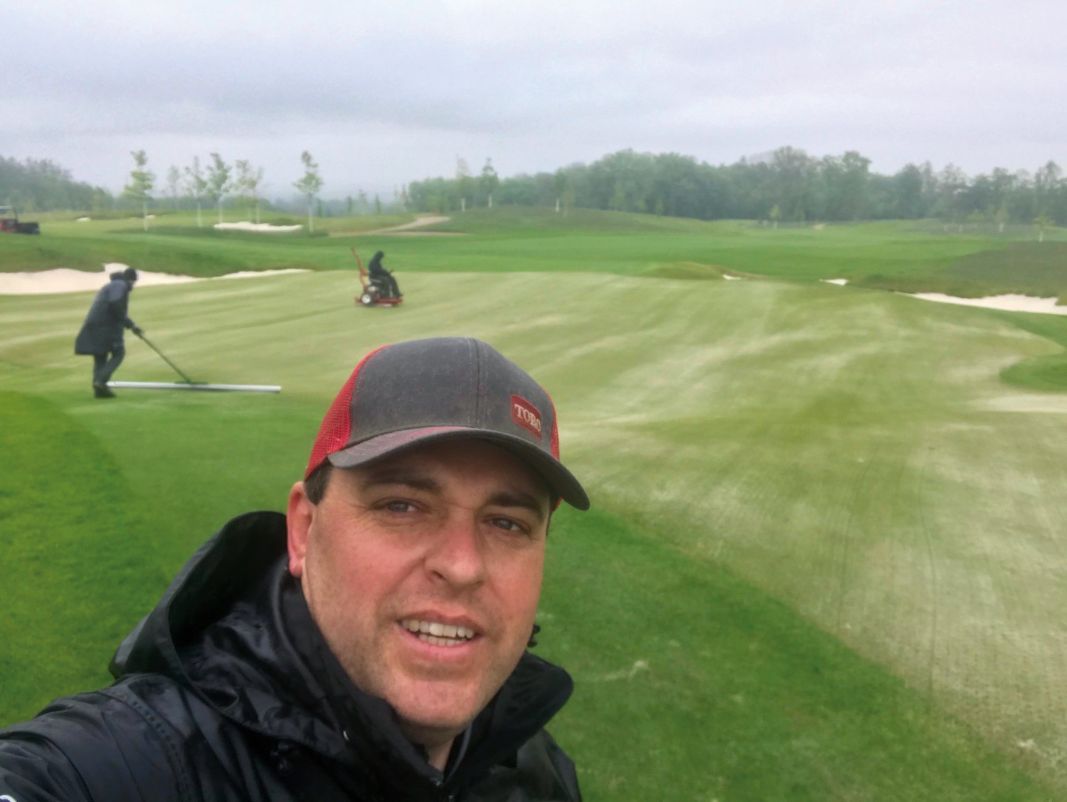
Jordan Fairweather’s career offers a compelling example. Having started out as an irrigation engineer at Loch Lomond before building an international CV that spans construction projects, multi-course oversight and senior leadership roles, he has now taken on the general manager position at Pravets Golf Club in Bulgaria.
It is a move that, on the surface, might appear a significant leap. In reality, it is a natural progression for someone who has spent years proactively developing his understanding of the wider business of golf.
Here, he explains how greenkeeping experience translates into business leadership, why greenkeepers should not underestimate their broader value, and what practical steps you can take if you aspire to tread a similar path.
Can you start by outlining your new role and what you are responsible for at Pravets?
I’m based in Bulgaria, about 45 minutes outside Sofia, at an 18-hole golf course owned by a hospitality group that also owns seven Hyatt-branded hotels in the country. The golf club is a relatively small part of their wider portfolio, so they were looking for someone to come in and effectively run it for them.
My role is general manager, so I oversee everything golf-related: revenue streams, agronomy, sales and sponsorship, guest satisfaction and overall business performance. We also look after some football pitches for the Bulgarian Football Union, which isn’t a major part of the business but is obviously helpful given my background.
Previously, there hadn’t really been much emphasis on a long-term vision. The focus had been year by year – how much revenue can we make this season? The structure has now changed, with a board of directors in place, so my job is to align the golf club with their strategic objectives and build a longer-term plan.
The reality is the club doesn’t currently make money. In a country with a small golfing population – there are only around 700 registered golfers and six courses nationwide – the long-term goal is to break even. Short-term, it’s about growing international rounds, increasing incremental revenue, and retaining our existing members. Agronomy plays a big role in that, but so does retail, member benefits and the overall experience. There’s a lot going on at once.
You have history at Pravets. How did this role come about?
I was the superintendent here when the course first opened, around 15 years ago. In my career I’ve done a few construction projects and pre-openings, and often the agronomist is the first person on site. You’re there before the golf professional, the director of golf or the general manager, and you end up involved in pre-ordering, setting up systems and even signing off contracts.
Usually, I’d deal with that and then move on after another six months or so, but in this case it was a bit different as I ended up getting married here and Bulgaria became our home base wherever my career took us. Even after I left, I stayed in touch with the owner – a Christmas message, that sort of thing. Last summer he called me and asked whether I’d ever consider moving back permanently. He knew my family were already in Bulgaria for schooling reasons.
They didn’t need a superintendent as they already had one, but he said, “I want you to come in and run everything”. There was a trust factor there, and he’d seen how my career had progressed. I’m not the same person I was 15 years ago, professionally or personally. Everything aligned, and when the right move comes along, you take it.
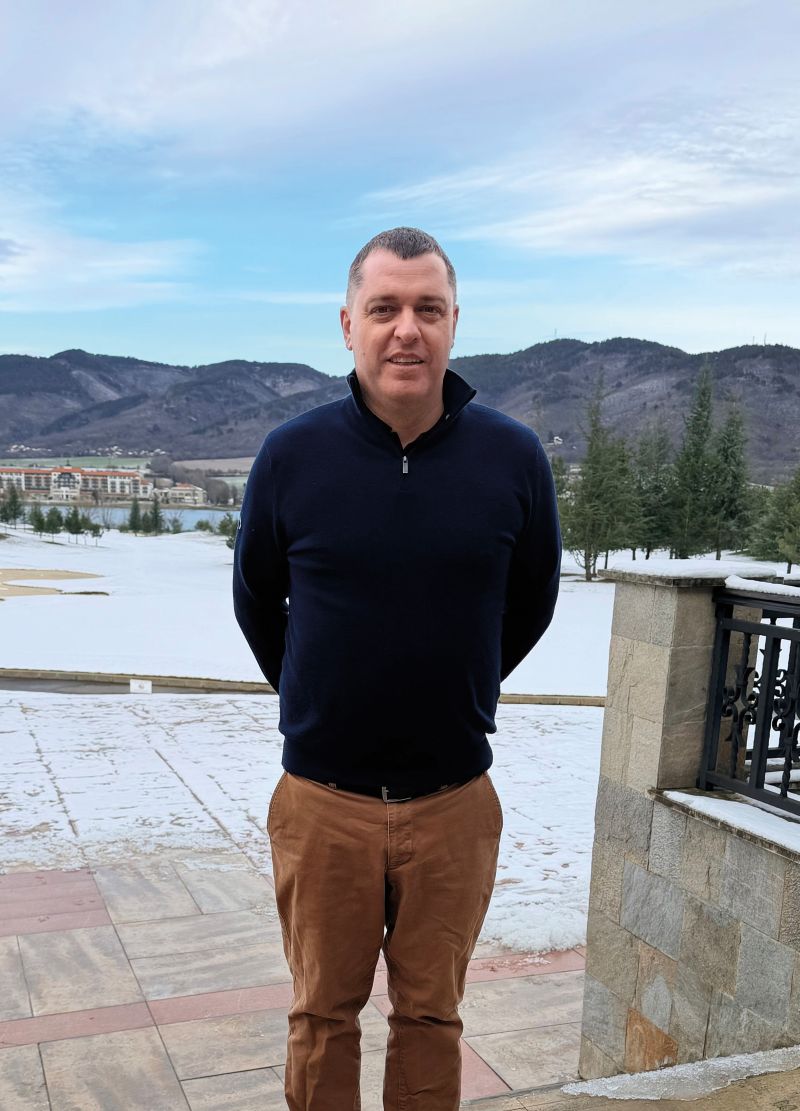
How have you managed that dynamic with the existing superintendent, given your background?
I knew straight away that the superintendent was the key relationship to get right. Here’s how I dealt with it: I came in, put my hand on his shoulder and said, ‘All those machines you’ve been trying to win, that extra budget for grass seed you’ve been fighting for — before, you were selling that to the director of golf, and he was trying to sell it to ownership. Now you’re selling it to me, and I’m selling it to the board and ownership.’
You can imagine a non-agronomist trying to justify €180,000 worth of equipment. What I said to him was, ‘I’m going to take the stress off your back. You’ve got an ally now — someone who understands what you’re going through, the pressures a greenkeeper is under. I’ve got your back.’
I also told him that, for now, I was going to leave him to get on with it. I’ve got a lot of other areas of the business to get my head around, and the club isn’t profitable yet. We need to grow revenue before we can support additional spend or increased budgets.
From an agronomy point of view, I can look at a green and quickly know what’s in good condition, what isn’t, or whether there’s disease. That allows me to spend less time on the course right now and more time on the areas the business needs to grow. In the early weeks, agronomy has probably been the smallest part of the role.
What has changed in you over the last 15 years to make you a credible general manager now?
For me, it comes down to understanding both back of house and front of house. Agronomy is traditionally back of house – members and guests rarely see that side directly. Over the last 15 years, I’ve worked hard to understand how front of house operates, because that’s what gives you a complete picture of the business.
At bigger clubs, you start getting invited into monthly business review meetings. You sit in and listen to how sales and marketing plans are built, how pricing strategies work, how yield management is calculated. If you’re curious, you ask questions. That’s how you grow.
One of the biggest pieces of advice I’d give is that you have to put yourself forward. Everyone is busy, but if you want to learn, you need to ask. I’ve been fortunate that many general managers and directors of golf I’ve worked with have been open and willing to share information when I showed interest.
In some cases, I took on responsibilities that weren’t technically in my job description, just to be taken more seriously and to learn. Over time, that led to invitations to board meetings and strategic discussions.
I wouldn’t say I’m the best general manager out there, and front of house will never be my strongest area, but I can read a profit and loss statement, justify return on investment to an owner and understand guest satisfaction data. Those skills came from exposure and willingness to learn.

For course managers who don’t have that exposure, are there transferable skills they may be overlooking?
Definitely. Cost control and budgeting is a big one. Agronomy is usually the biggest cost centre in a golf club after utilities. The difference is there’s no direct revenue attached to it, but from a budgeting perspective, superintendents already manage huge budgets.
People management is another. The agronomy team is often the largest department, so leadership and team management skills are already there.
Planning is huge. Agronomists plan around weather, competitions and resources constantly. That’s no different from planning a marketing campaign or a sales strategy – you just apply it differently.
Asset management is massive. Turf equipment fleets can be worth €1.5–3 million. Managing maintenance schedules, replacement cycles and preventative care translates directly to managing buildings, carts or clubhouse infrastructure.
And finally, time management. Balancing office work, course time, communication and now even social media is something greenkeepers already do well. Many just don’t recognise it as a transferable skill.
How important is it to accept uncertainty when stepping into a broader role?
It’s essential. There are systems here I’ve never used before – tee booking systems, finance software – so I’m asking the pro shop staff to show me how things work. You have to be open to that.
The same applies to legislation and local regulations. There are things done here that I wouldn’t do elsewhere, but when you understand the legal context, it makes sense. You have to be open-minded and willing to learn.
You can’t micromanage everything. You need to surround yourself with strong people and accept that there will always be skills you need to develop.
Is variety of experience important for those aspiring to senior management?
Yes, but it doesn’t have to mean different countries. I think working under different ownership and business models is more important. Member-owned clubs, privately owned clubs, green fee operations – they all function differently.
If you can experience more than one model, particularly private ownership, you tend to learn more about how decisions are made and how assets are managed. That exposure is valuable.
What role has education played in your progression?
I’ve never done a formal club management qualification, although I considered the Club Managers Association of Europe programme. Timing never worked with my family.
What I have done is a lot of online learning – LinkedIn Learning, Coursera – particularly around finance and business. I also completed Troon Golf’s leadership programme, which involved working across different departments.
One of the most valuable experiences I had was spending two days shadowing a food and beverage director at a Hyatt hotel. I used holiday time to do it. It cost me nothing more than a bottle of wine, but I learned principles that apply across the whole business.
If people are willing to put themselves out there, especially in the winter, there are plenty of opportunities to shadow colleagues and learn.
Looking back, did you deliberately engineer this path?
Not initially, but over time it became clearer that this is the way I wanted to go. I started enjoying asset management and planning more than the day-to-day agronomy tasks. I found myself ordering furniture, managing cart fleets and dealing with service contracts.
Managing multiple properties was a turning point. Once you’re overseeing several sites, you have to focus on the bigger picture. That experience really helped develop my leadership and commercial understanding.
Finally, do you think greenkeepers are underrepresented in general management?
I do. I genuinely believe agronomists are as well placed as anyone to manage a golf club. We’ve just underestimated ourselves.
Traditionally, the path has been golf professional to director of golf to club manager. But greenkeepers manage the biggest budgets, the biggest teams and the biggest assets. Ownership groups don’t always understand agronomy, and having someone in charge who does can actually reduce risk.
There are examples out there of people who’ve made the transition successfully. The skills are transferable. Greenkeepers just need to believe in themselves and be willing to step forward. GI

Transferrable skills
- Cost control and budgeting – managing one of the largest cost centres in the club
- Leadership – leading large, diverse teams
- Planning – adapting programmes to weather, competitions and resources
- Asset management – overseeing high-value machinery fleets and maintenance schedules
- Time management – balancing operational, administrative and communication demands
How to start preparing for a GM role
- Put yourself in the position to show your value, even if it means taking on responsibilities not in your original remit. It will become self-growth
- Sit with your general manager, director of golf, F&B director, golf pro etc and ask them how they built their budget or marketing plan. Ask to work a shift in the kitchen!
- Exposure to different business models, from privately owned and PLCs to committee-run when considering a new course manager role
- Grow your managerial/commercial skills through LinkedIn or Coursera learning
- Consider Club Managers Association certification or business management course
- Gain an understanding of revenue management and revenue streams with associated cost of sale as this is one area an agronomist will never have been exposed to
- Tell your general manager your career aspirations and gain their support
- Ask to attend monthly business review meetings and board meetings
Author
