
The Isle of Purbeck: A delicate balancing act
Having fallen in love with the spectacular Dorset venue after one visit, Isle of Purbeck’s head greenkeeper John Hockley is now harnessing that passion to unlock its full potential
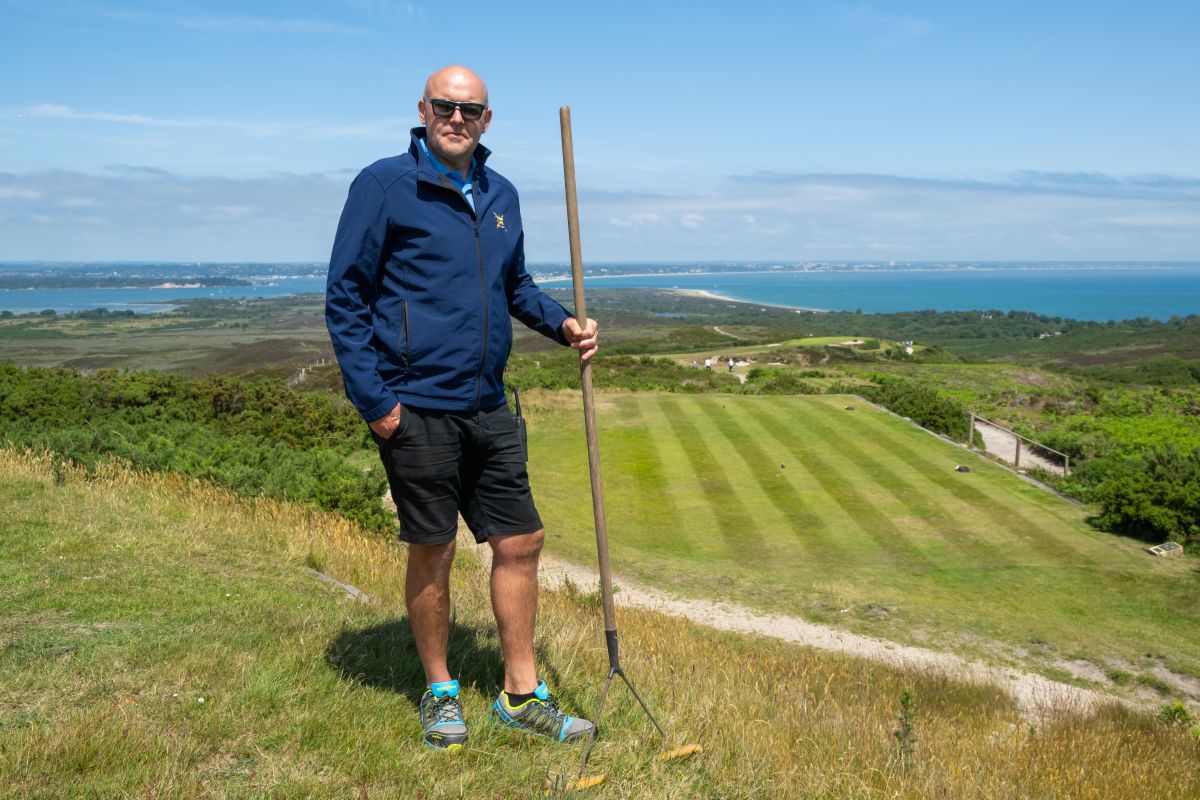
John Hockley manages a landscape at Isle of Purbeck where every grain of sand requires approval and ecological preservation is paramount, but it’s a challenge he welcomes.
Balancing the needs of golfers with the complex demands of a Site of Special Scientific Interest (SSSI), the head greenkeeper is overseeing a transformation of this rugged heathland 27-hole layout while showcasing a blueprint for sustainable management. The SSSI covers seven holes and the Dorset club works closely with the National Trust, Natural England and the RSPB on a site that affords breathtaking views, particularly from an elevated 5th tee that provides an unrivalled panorama.
Having enjoyed a glowing reputation for many years, a prolonged spell of underinvestment saw the club’s grandeur fade before new owners arrived in 2015 in the shape of Californian duo David Suruki and Kathy Tatar. That fresh impetus provided the catalyst for re-establishing Isle of Purbeck as a top-100 mainstay, an effort that has ramped up since John – who quickly recognised the venue’s potential – took the helm in 2023.
“It’s a site that I had played the year before during a golf day hosted by golf architect Tim Lobb, who was doing some work with the club,” he explained. “The job became available within about six months of that visit, and it was a site that I fell in love with when I played it. It’s quite a natural, rugged site with ridiculous amounts of potential, so the role appealed to me.”
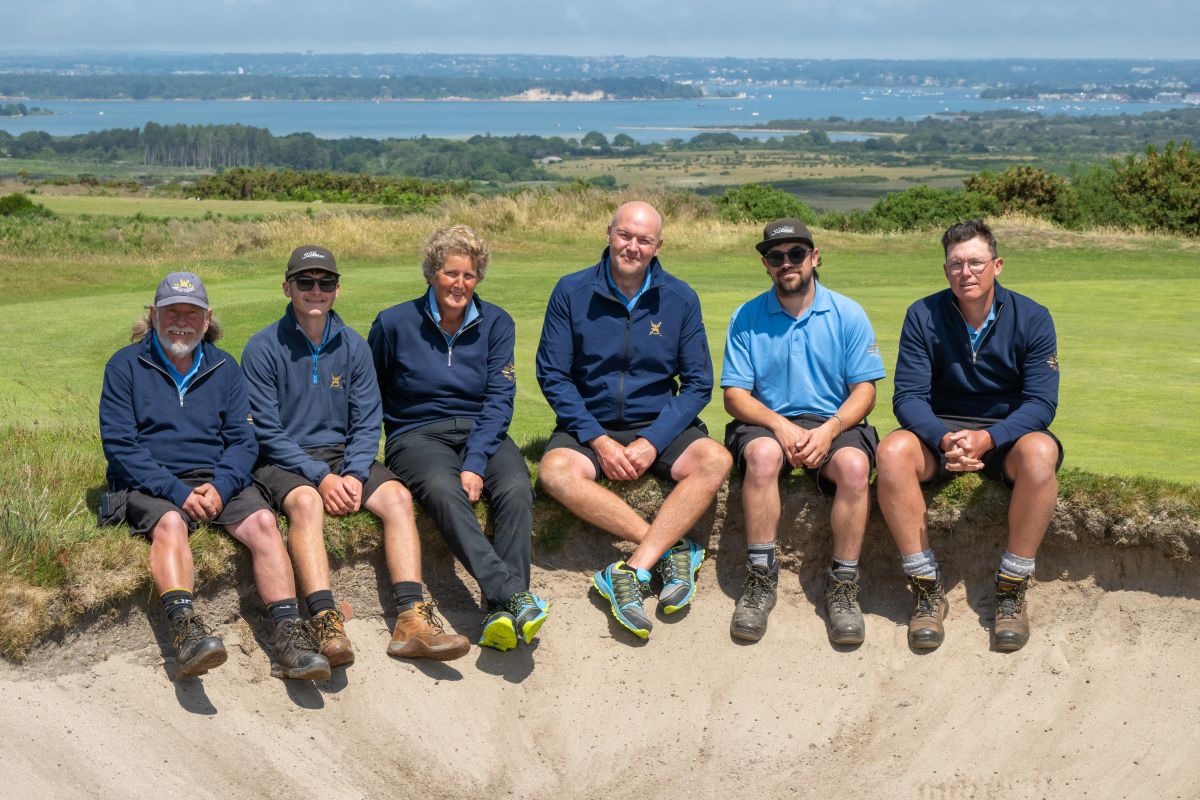
There were only two full-time members of staff when John arrived in March of that year, supported by four part-timers. That number has since grown to six full-time members, lending the team a renewed sense of purpose as they develop a five-year plan that promises to propel the course to new heights while cementing an ecological legacy of which John is understandably proud.
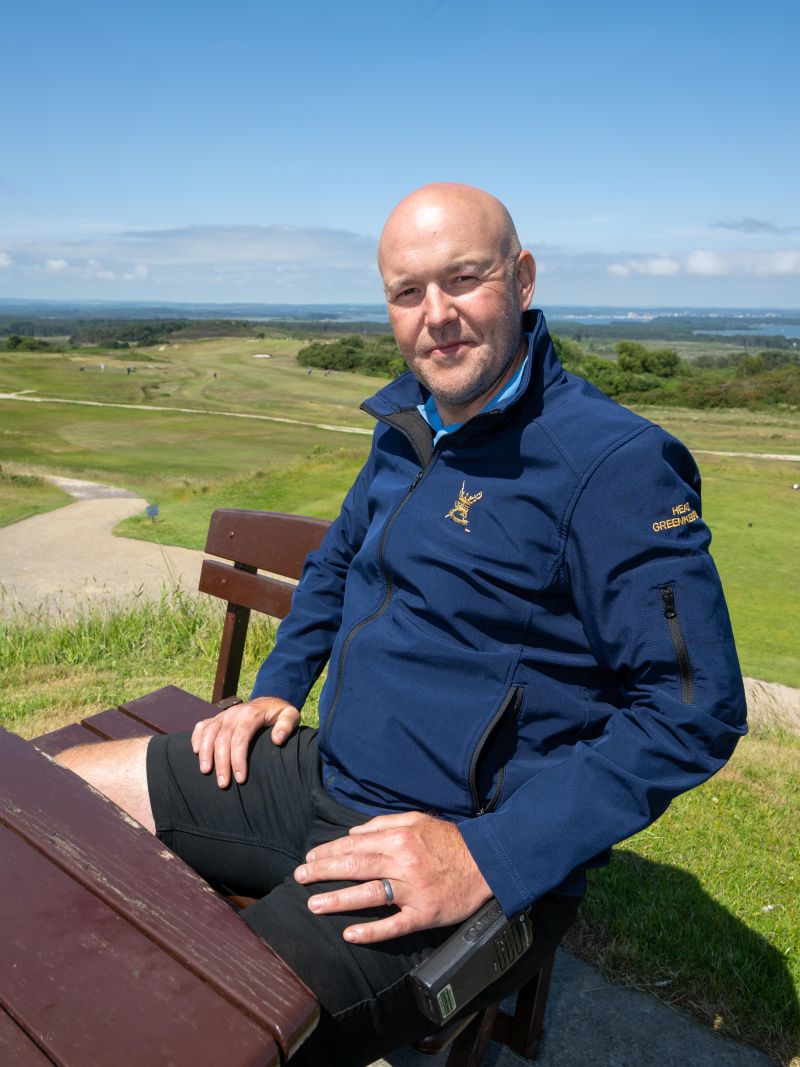
“The natural ruggedness of the site lends itself to an aesthetic you wouldn’t want to take away, with seven holes in the SSSI and the surrounding land owned by the National Trust, the landscape being predominantly heathland,” he said. “The long-term objectives are to remove invasive species of gorse and trees, and to establish heather in the areas that have been exposed again. Over the last three winters, the club has utilised access to a countryside stewardship scheme to remove 14 hectares of gorse and reduce the volume of trees across the site.”
Those objectives, allied to John’s desire to present playing conditions that can meet growing expectations, are being delivered against the backdrop of significant restrictions, given the protected status of a large swathe of the course and the impressive biodiversity of the land on which it is situated. “I have to work within certain limitations because standard cultural practices could have a detrimental impact on the surrounding ecology,” said John. “We can only feed greens, tees and approaches – and ‘approaches’ is a loose term, really. We can only feed up to about 50 yards from the greens. Our irrigation system only functions on tees and greens.
“Over the last two years, we’ve been reducing nitrogen input, which can be challenging because we have a high poa content. Poa requires quite a high nitrogen input compared to fescues and bents. We’re now down to about 100 units of nitrogen across green surfaces for the entire season. I can’t have any chemical input on fairways or roughs at all. We’re not allowed to apply nitrogen to these areas, and we have to be very specific about the sources of nitrogen we use. We can’t just have a blanket approach like, ‘The fairways are struggling, so we’ll throw some fertiliser down.' Even the smallest trace element input isn’t permitted.”
Balancing environmental considerations with the goal of delivering exceptional playing surfaces is the crux of the challenge at Isle of Purbeck, and it’s one that informs practically all of John’s decisions.
“We’re trying to be sustainable in our management, but we’re also having to heavily invest in overseeding,” he said. “We’re trying to get strong cultivars of grass back into the playing surfaces so they can withstand long periods of drought like we’ve experienced this year, or be able to survive extended periods of flooding or of soil saturation. Everything we do requires approval – every grain of sand, every stone for drainage, every path topping. We’re currently developing a comprehensive five-year course management plan, which is about 55 pages detailing our long-term strategies."
“I see these restrictions not as problems, but as challenges. I enjoy finding solutions, even though it can be frustrating and things don’t move quickly. The goal is to work within these constraints while continually improving the course.”
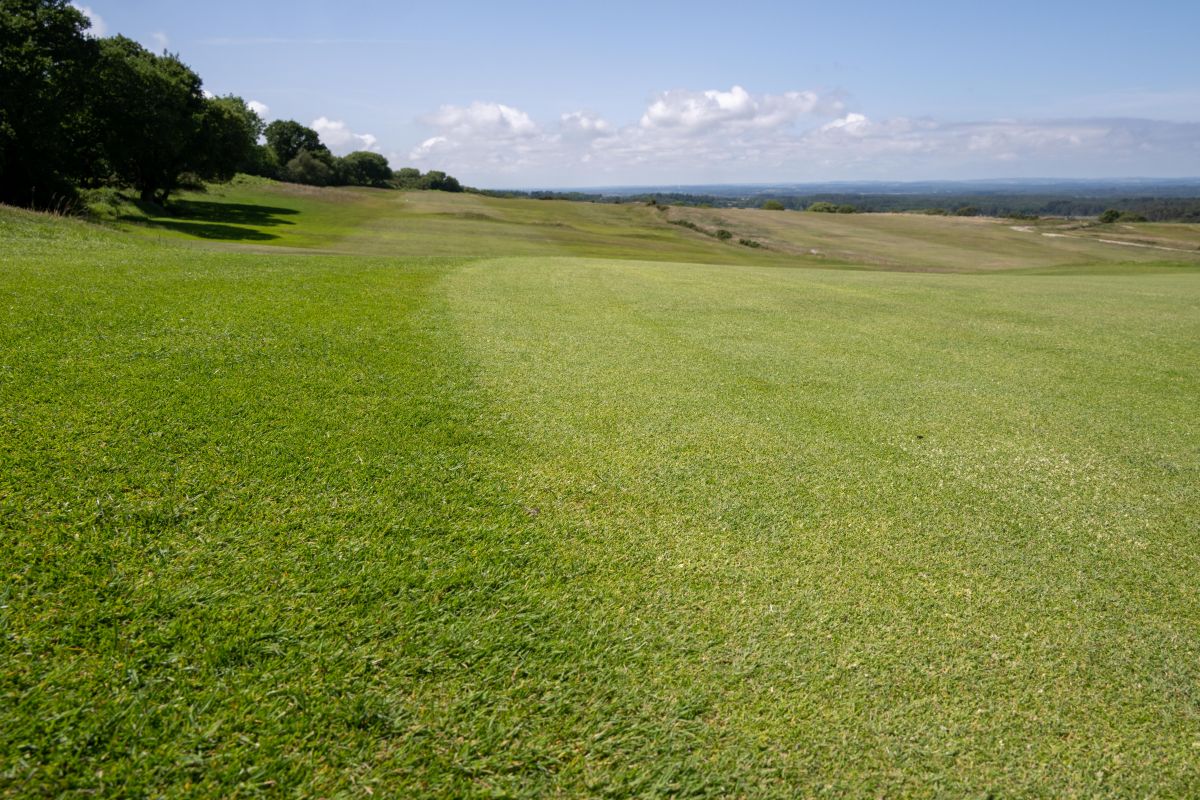
An investment in much-needed new equipment is helping to achieve that aim, enabling John to fine-tune his approach as he continues to oversee incremental improvements. “It has allowed us to dyno-core two or three times a year, which helps us dilute the thatch in top 25mm and then we drop seed at the same time,” John explained. “With the new verticutters we verticut and light topdress every two weeks, and we do that at 1mm below the surface to avoid disturbing the seed bed. The major issue remains moisture retention, especially during periods like we’re experiencing now. It’s a constant challenge to maintain surface quality while managing these delicate transitions.”
When it comes to the day-to-day reality of delivering consistent course quality on a sensitive and ecologically significant site, John is clear about the biggest challenge facing any modern greenkeeper — and it goes well beyond agronomy.
“Managing expectations in greenkeeping is always the most difficult challenge,” he said. “The real question is: whose expectations are hardest to manage – the owners, members, visiting golfers or your own? As a greenkeeper, I see myself as a custodian of the land I’m lucky enough to manage. Success here isn’t about immediate perfection but about making marginal gains year on year while minimising the impact on the surrounding environment. The key is striking a balance between the long-term objectives of the golf course and the objectives of the various trusts and bodies we work with. It’s an interesting dialogue.”
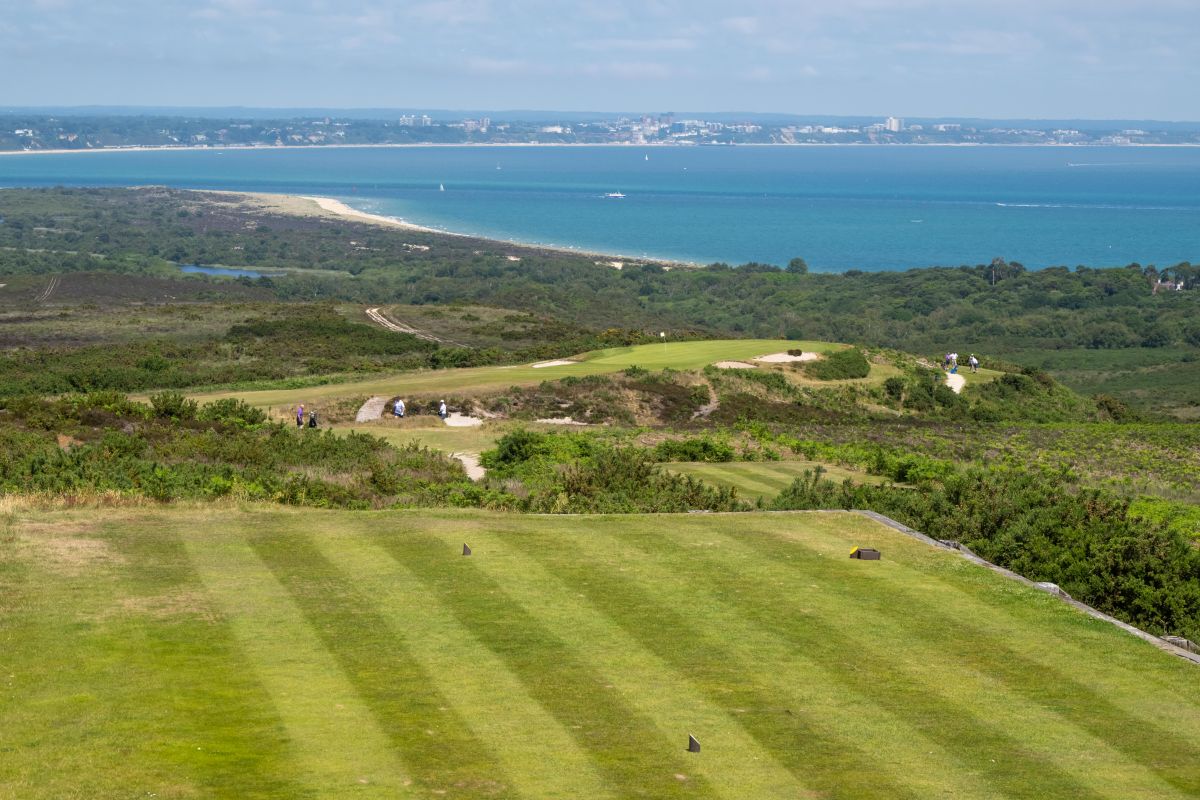
As he reflects on the progress made and the work still to be done, John harbors a tremendous sense of satisfaction at the way he and his team are managing to strike that balance.
“I take great pride in what my team of six produce across 27 holes within the restrictions we have,” he concluded. “There isn’t an endless amount of money for us to go and resolve all the long-term issues that have been here for a lack of investment prior to this ownership, but I take great pride in what we produce and the manner in which we do it, and we’re making the golf course better year on year, while ensuring the ecology that lives around us is able to thrive.” GI
Career Timeline
Transitioning grass species
“We sow a rye-fescue mix on fairways, tees, and approaches. I believe fescues are right for the site, even though agronomically they struggle because – though people may assume otherwise – we’re not actually a sand-based course. On the greens, we’re taking a traditional heathland approach by overseeding heavily with brown top bents. Historically, they’ve overseeded with fescue, but after about 20 years of inconsistent overseeding – likely due to budget restrictions or limited feeding – fescue isn’t the dominant species. Now is the right time to transition to stronger bent grass cultivars. We’ll gradually introduce bent grass over the next 3-4 years, using practices like verti-cutting, light top-dressing, and careful seeding to help these new grass types establish.”
Meet the team

Mental health
“Being a head greenkeeper can feel like quite a lonely place. You’re constantly having to manage upwards, manage your team and manage membership expectations. It can be an isolating role, and I would like to raise awareness of mental health. To any greenkeepers at any level who are struggling – personally or professionally – I encourage you to utilise the support that BIGGA can provide. Don’t let yourself feel burdened or think that you would be a burden by speaking out about how you’re feeling. I have friends, both in the industry and in other sectors that have struggled in recent years and I wanted to take this opportunity to promote the resources that are available”
Author